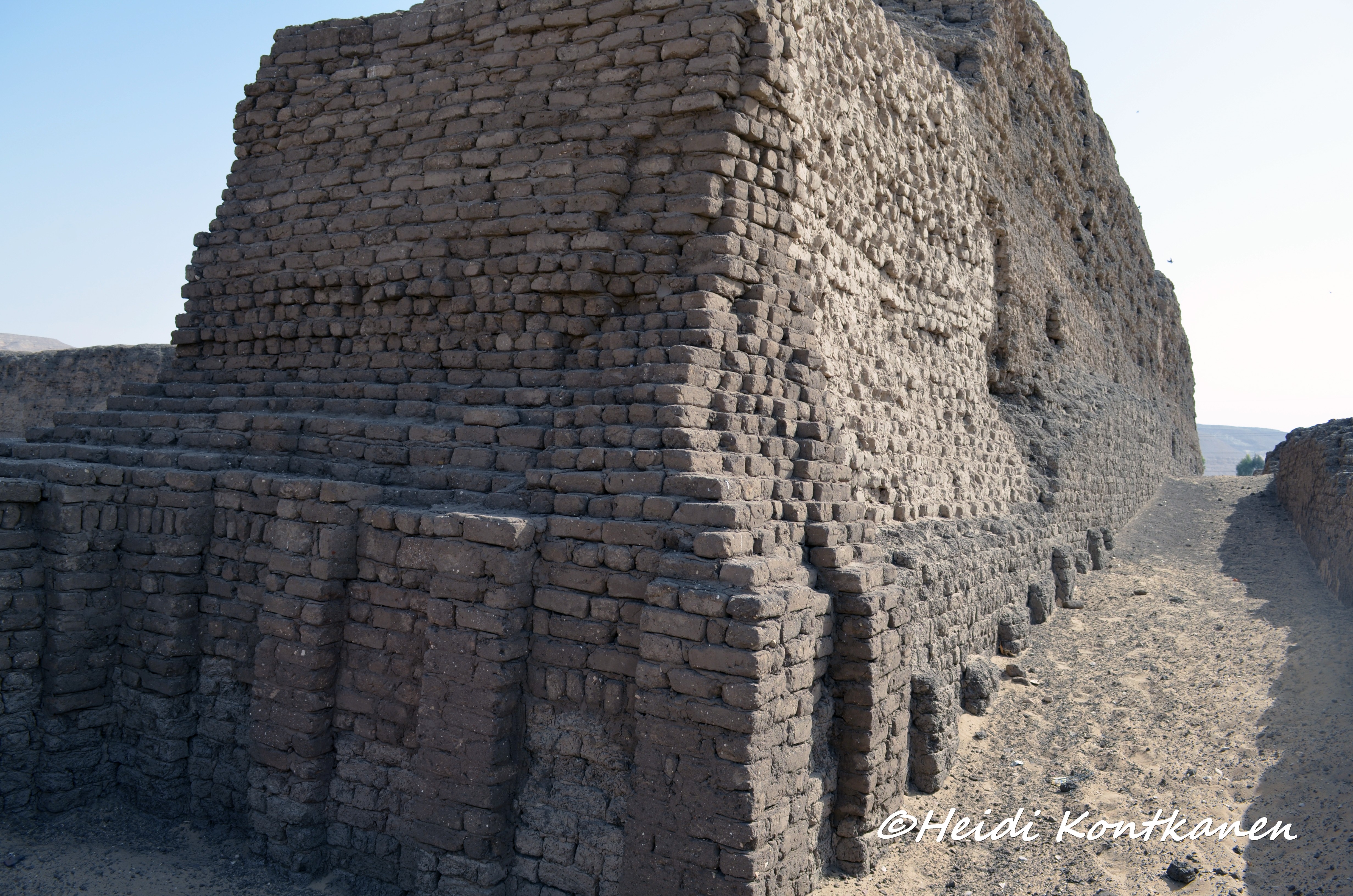
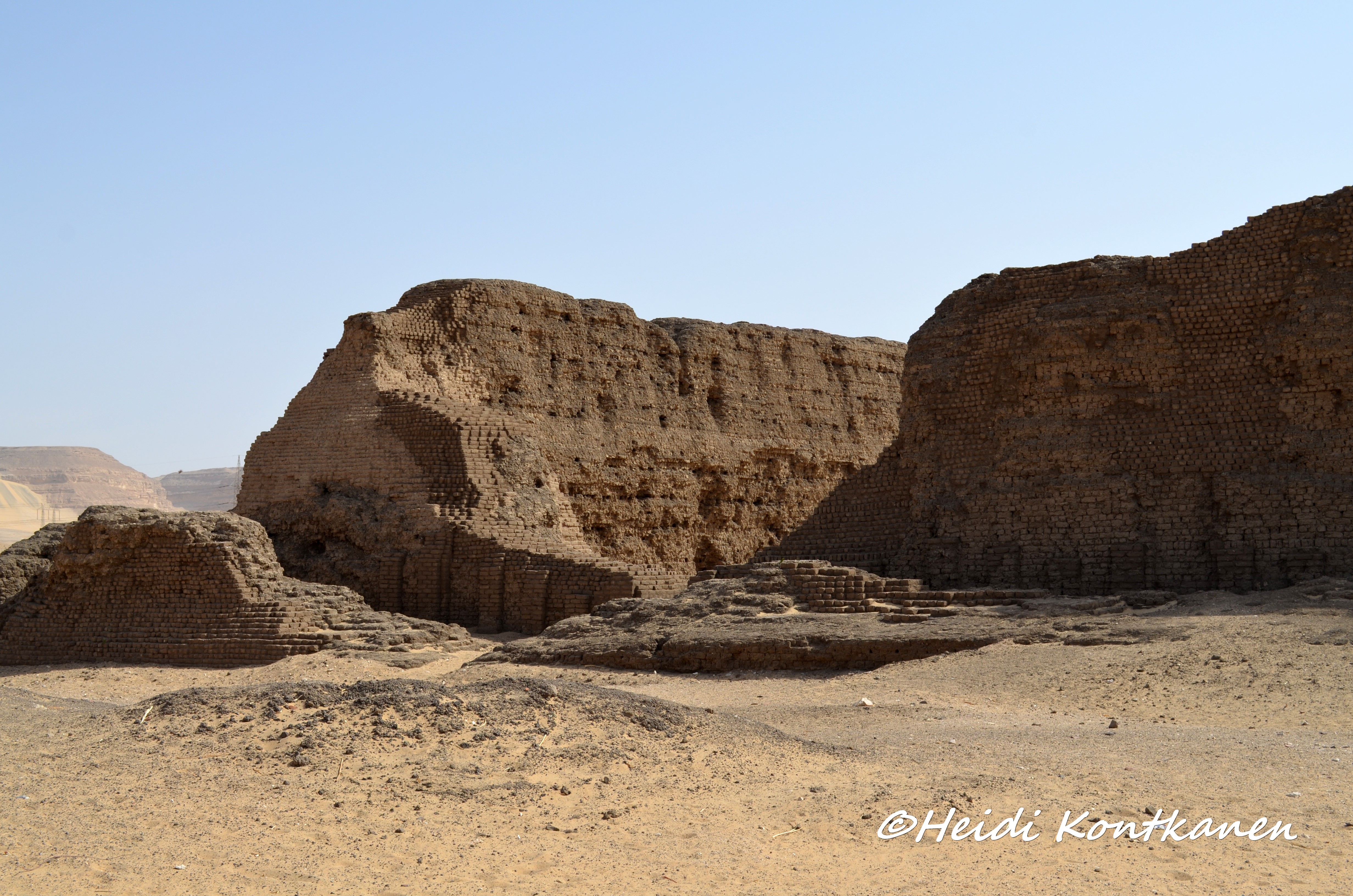

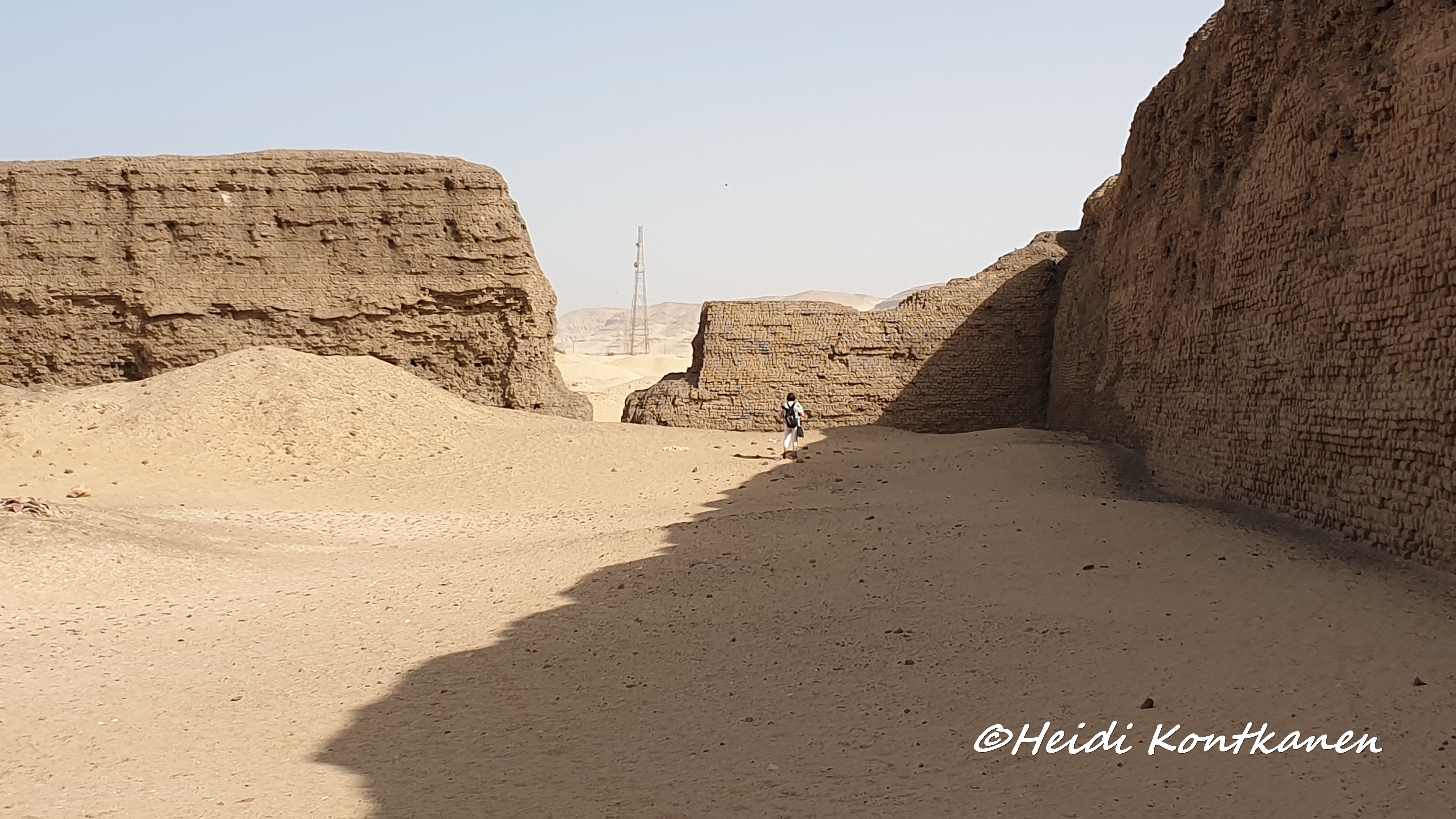
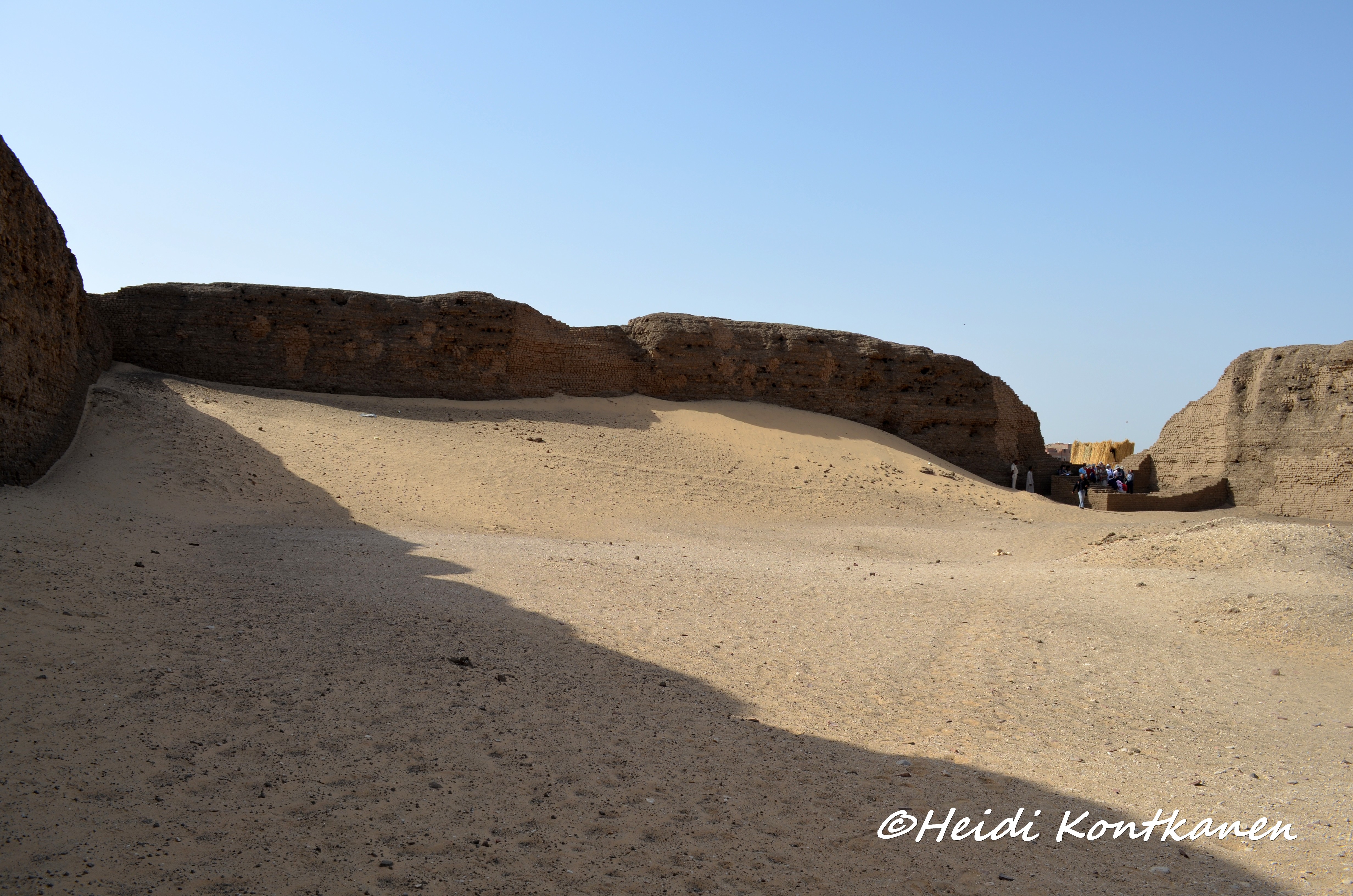
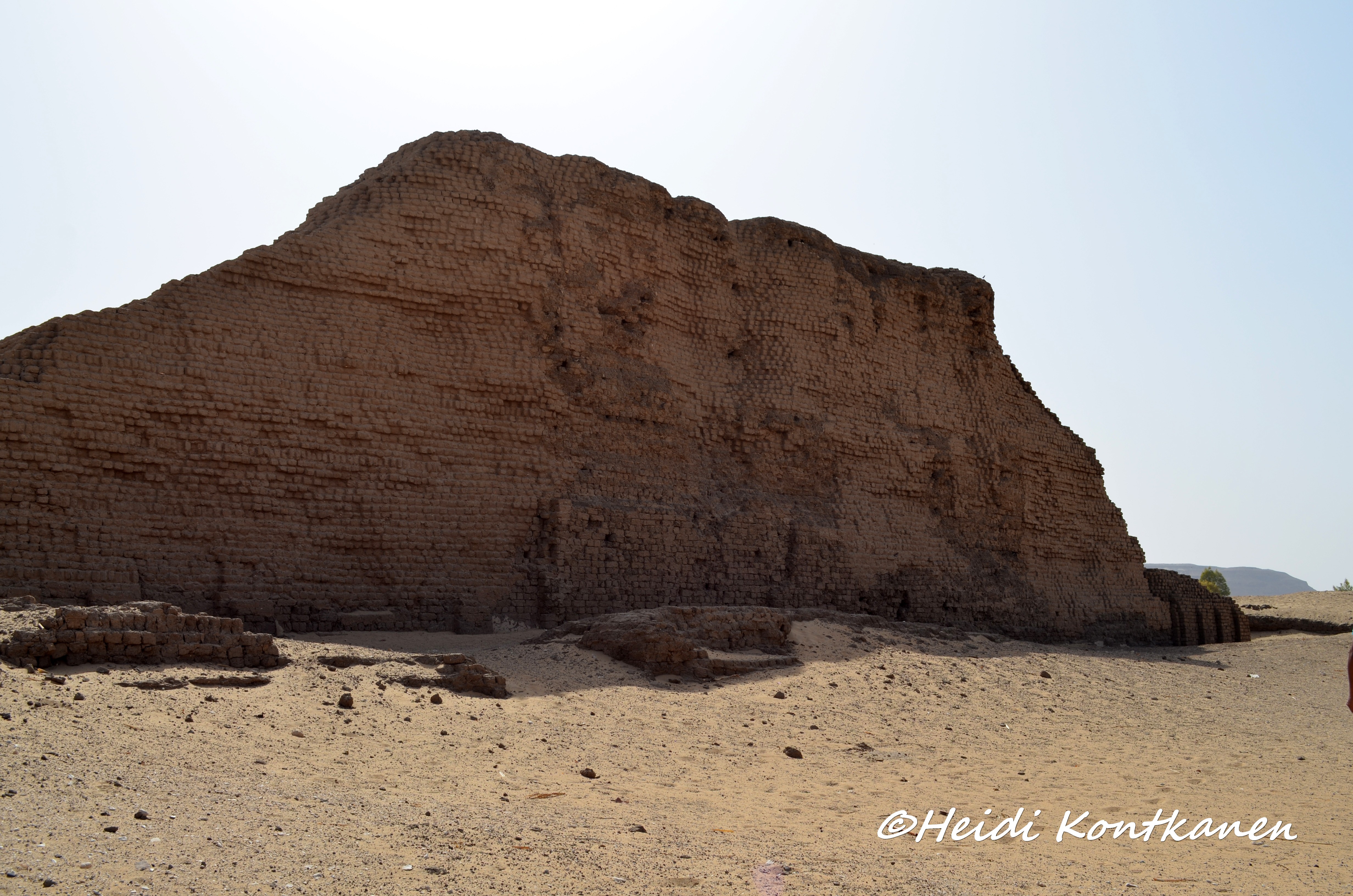
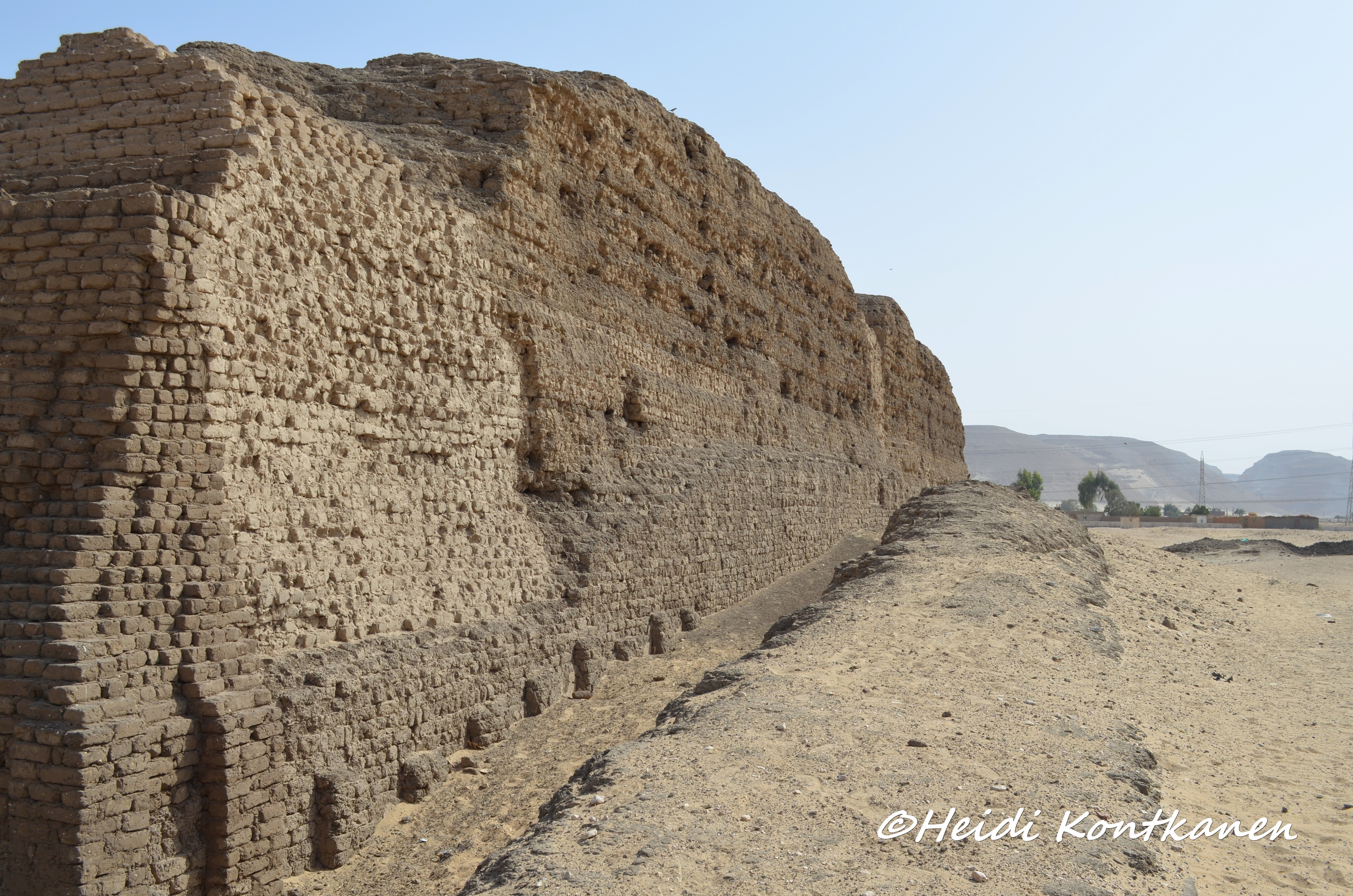
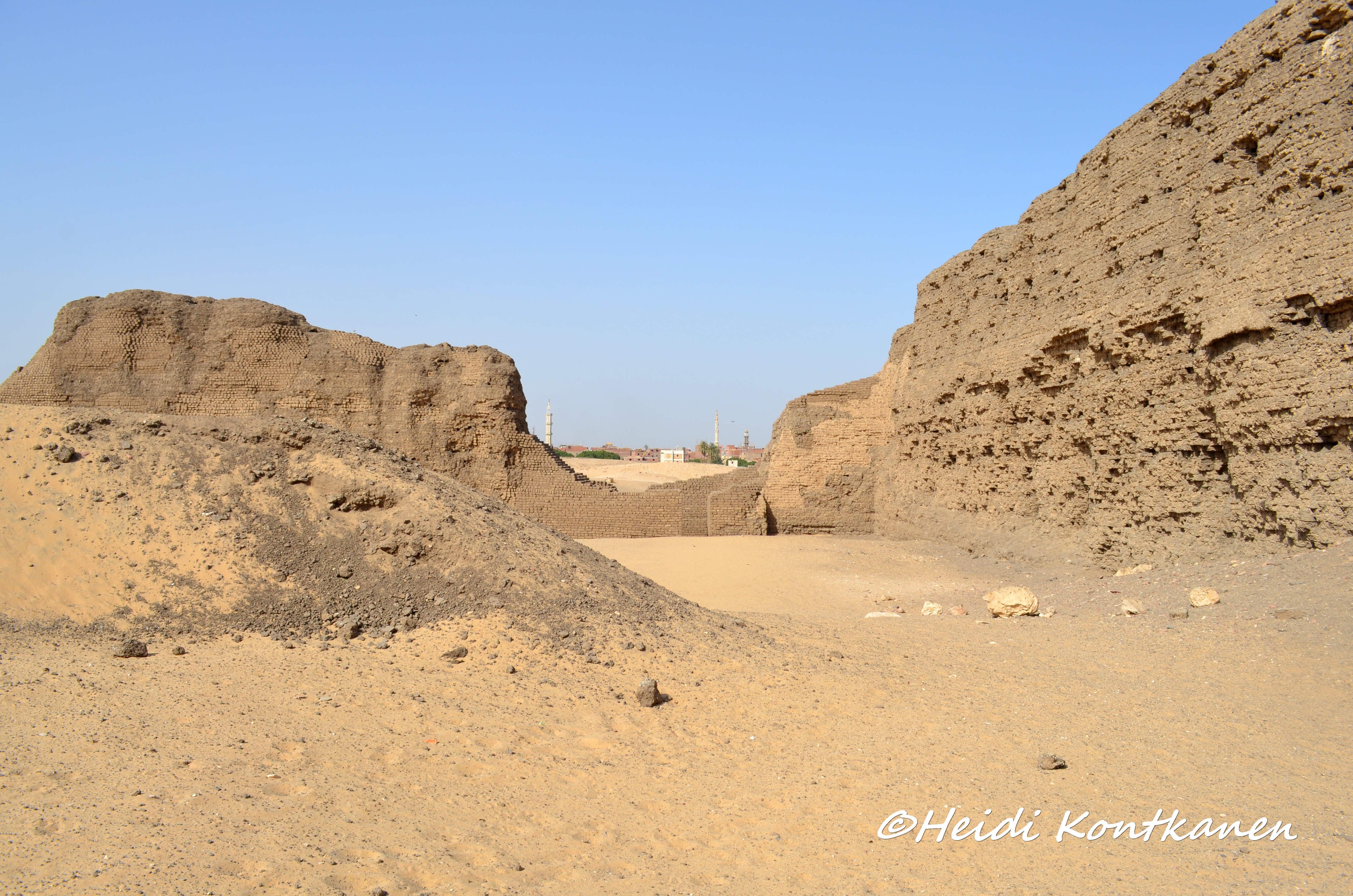
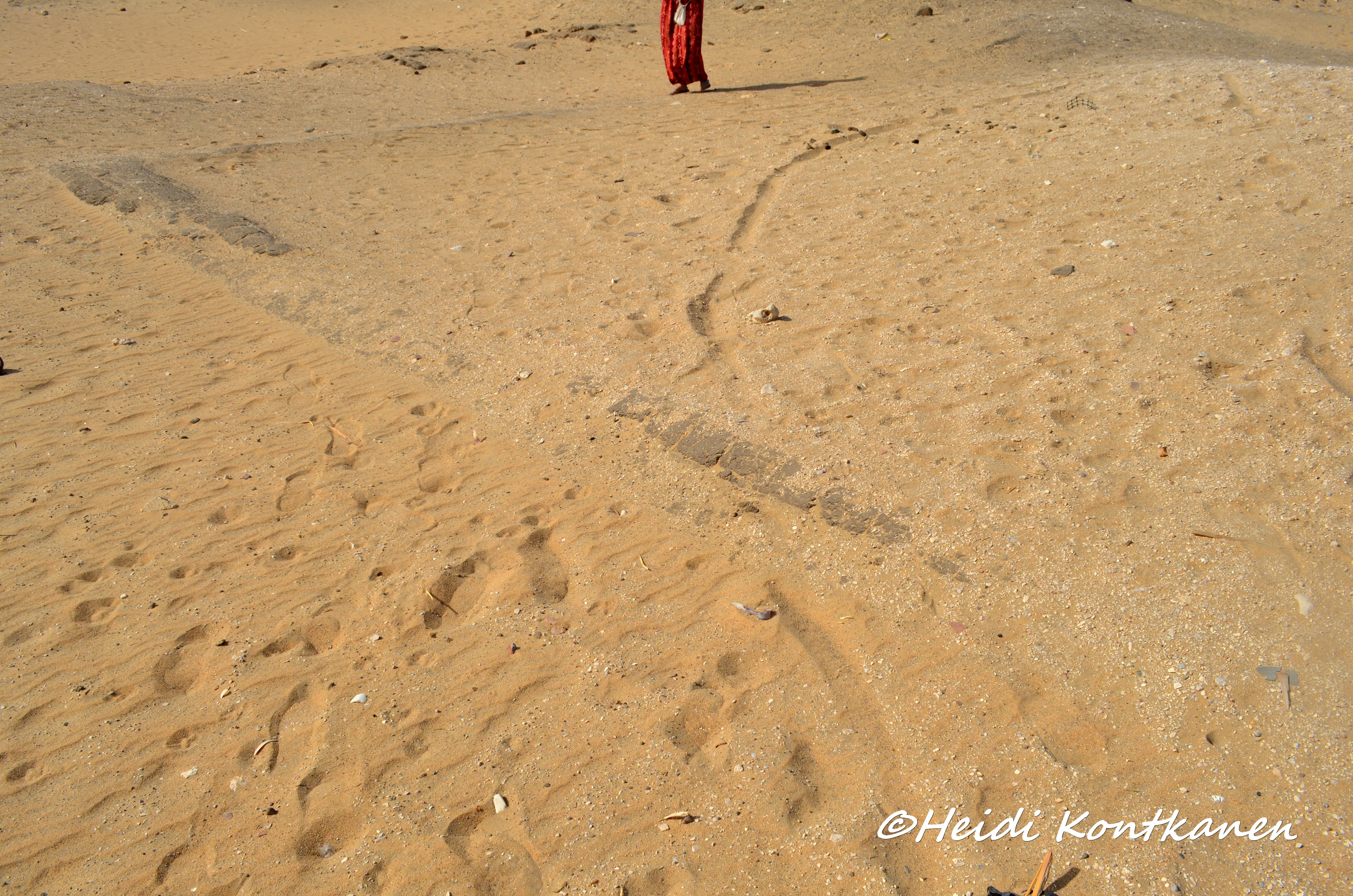
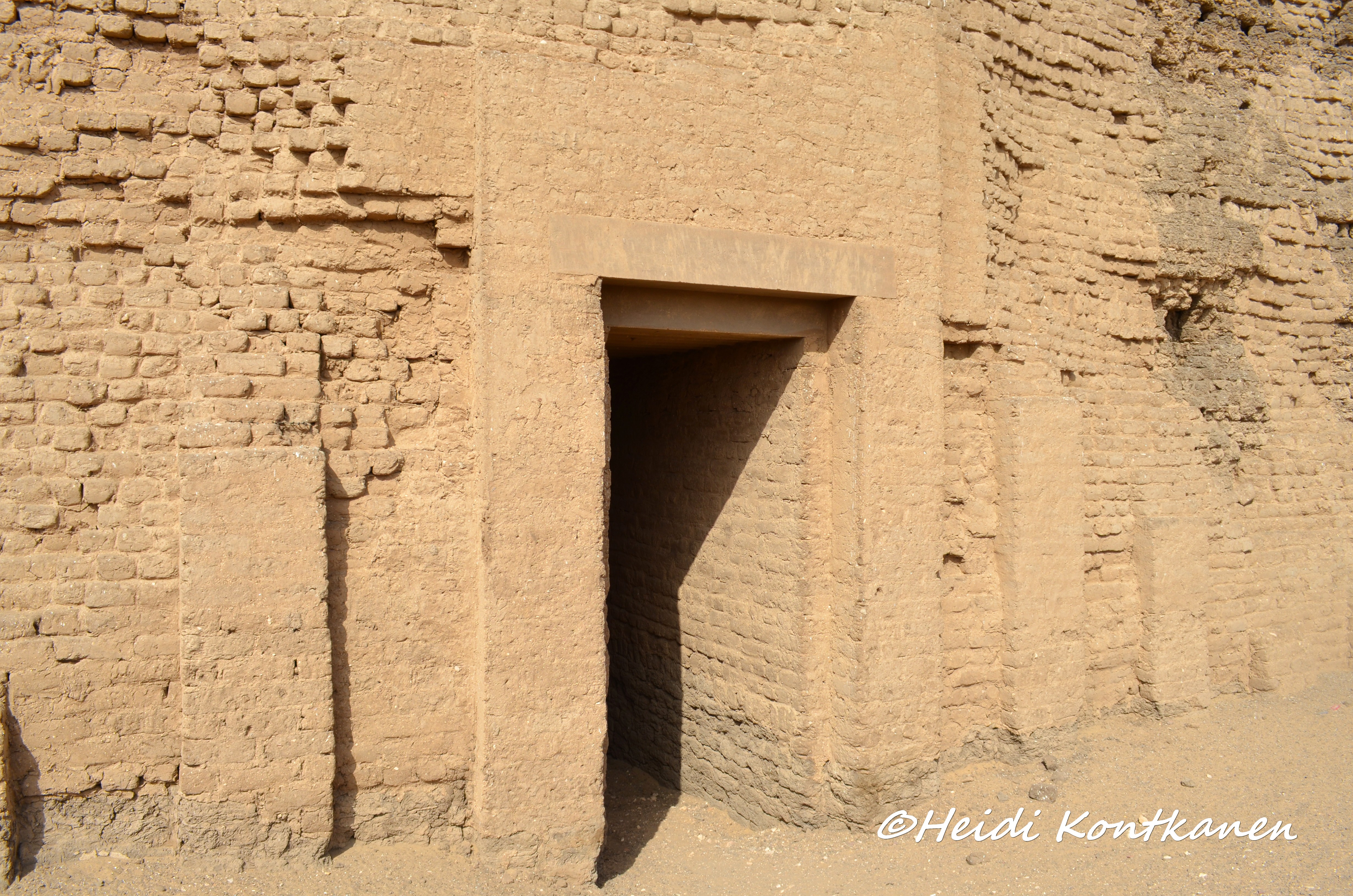
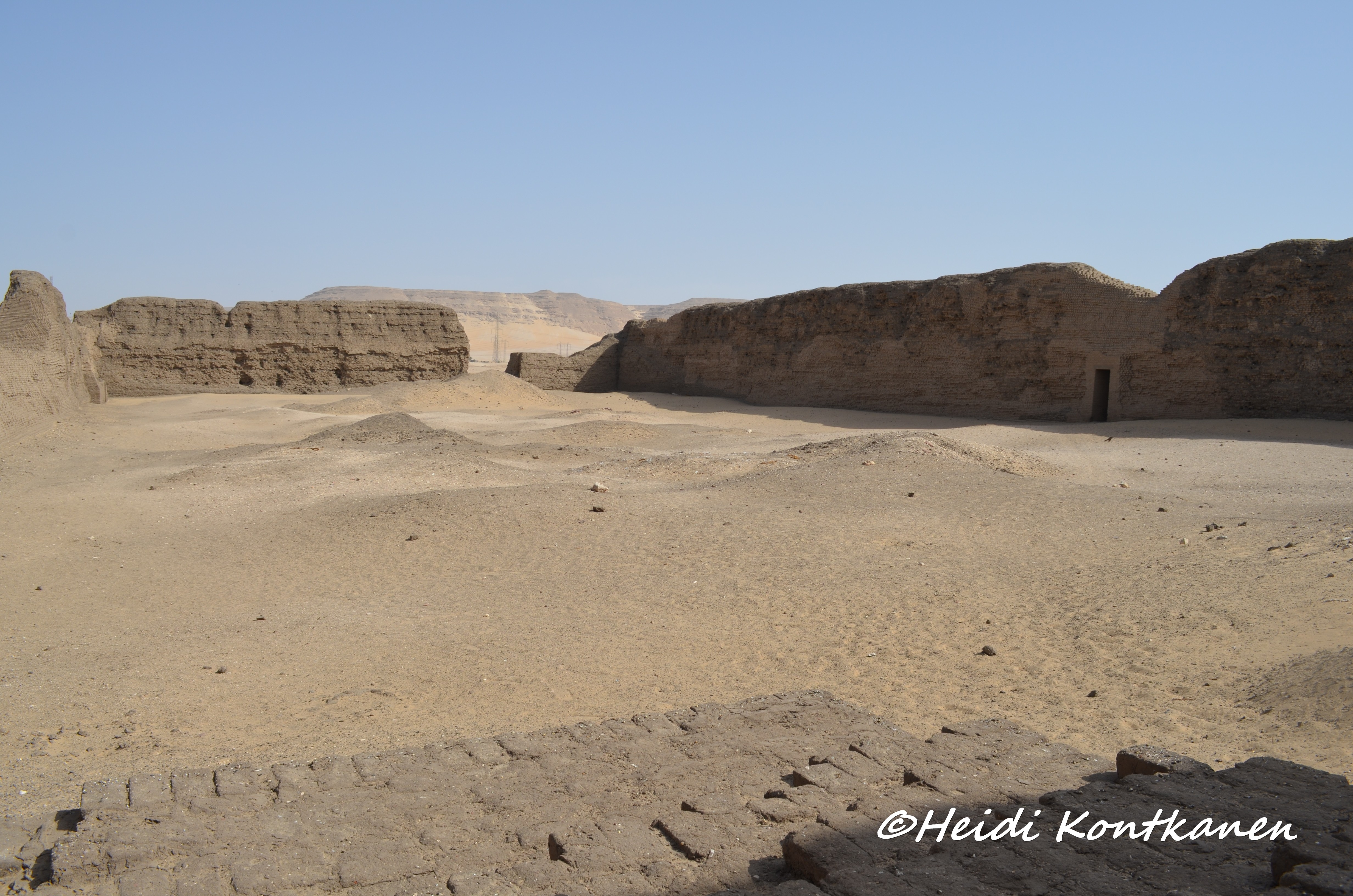
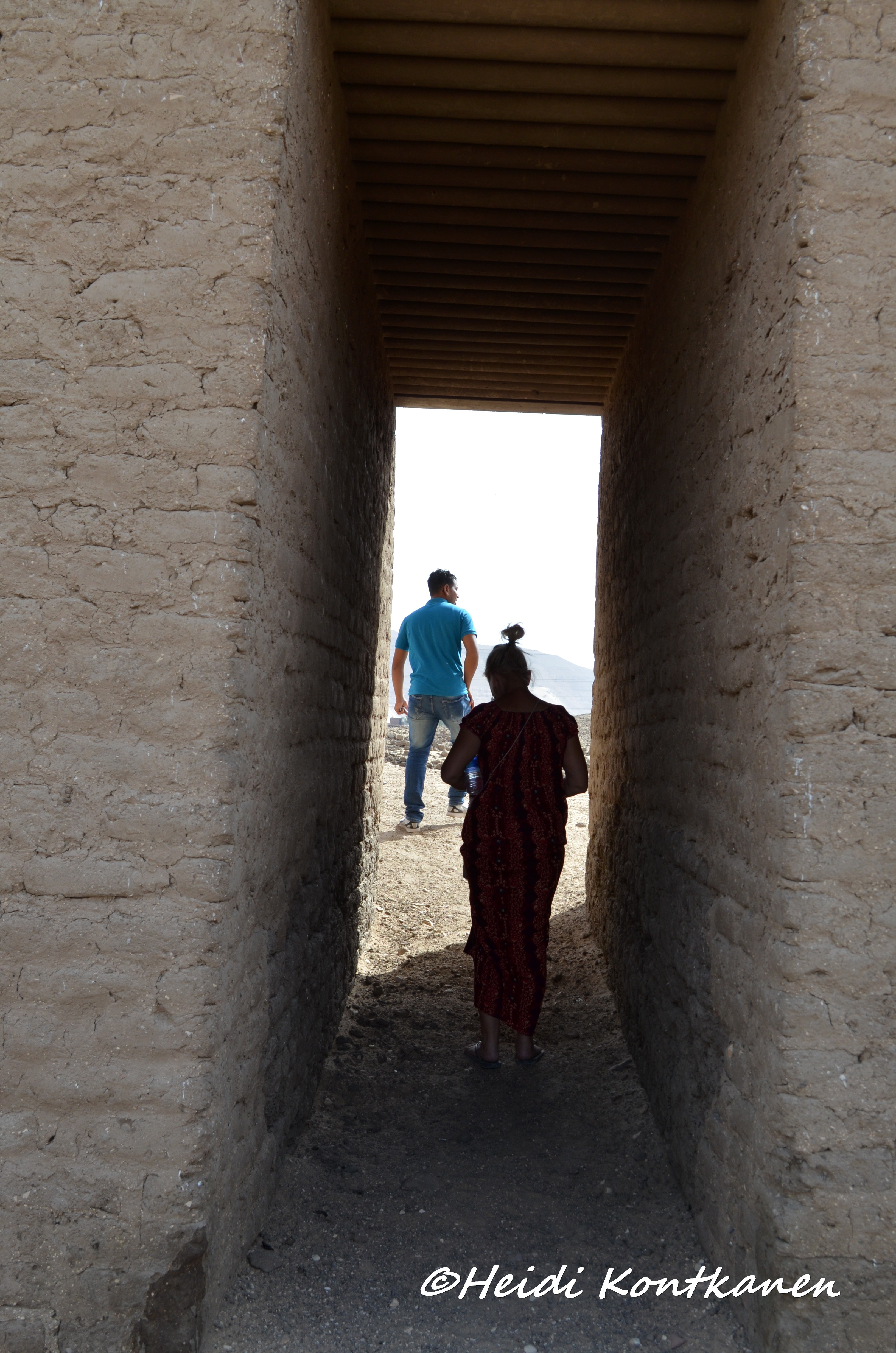
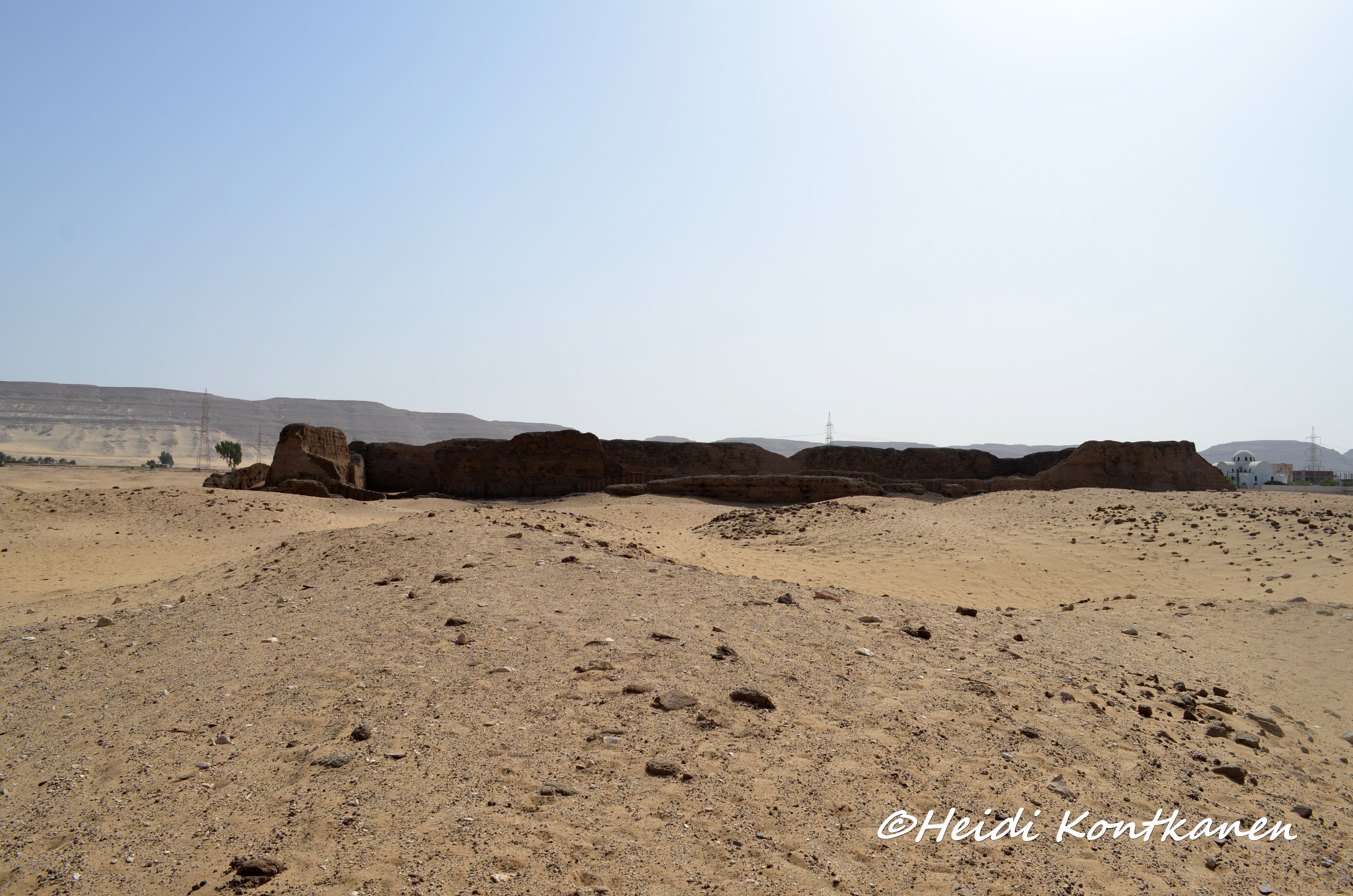
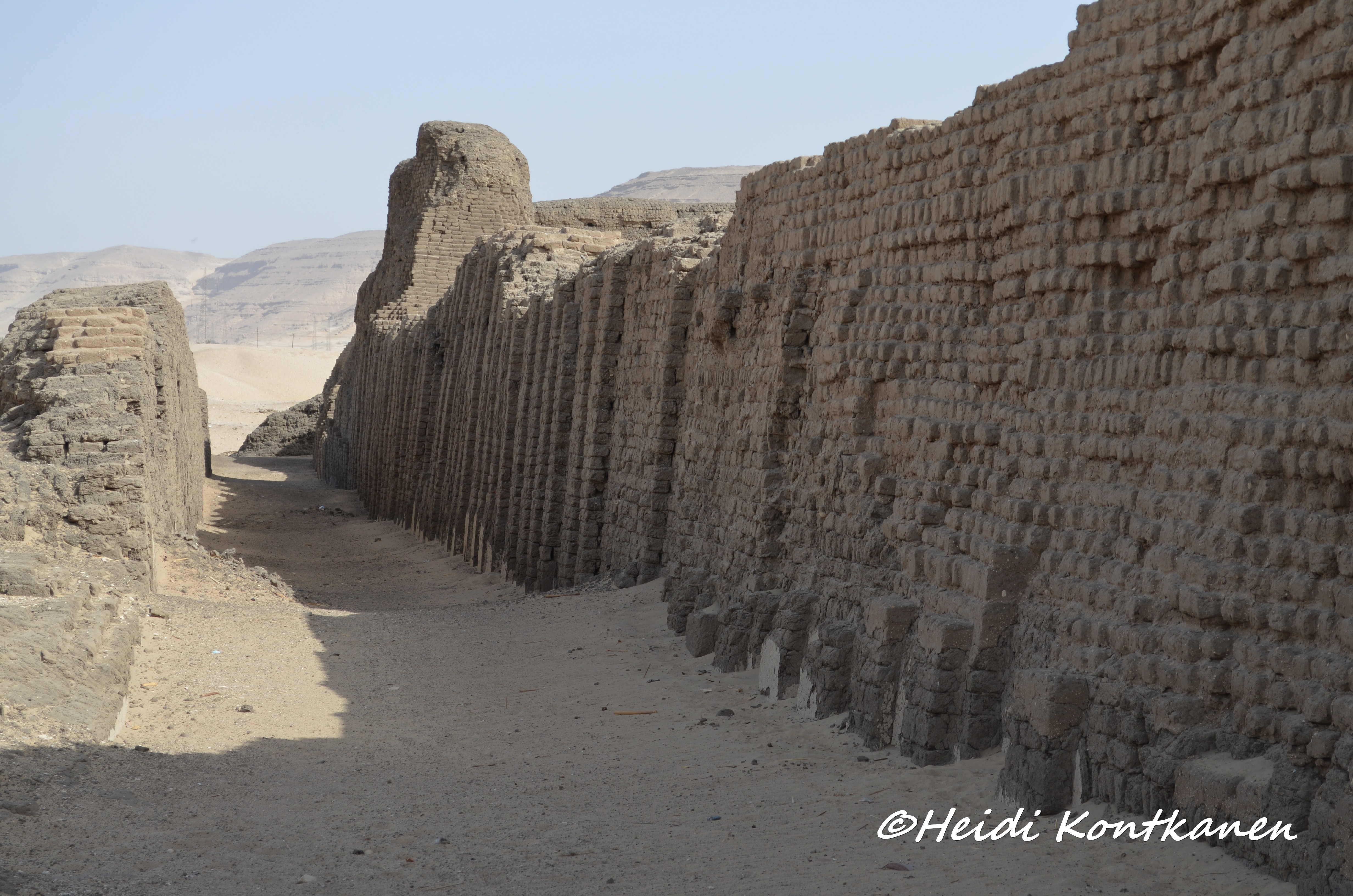
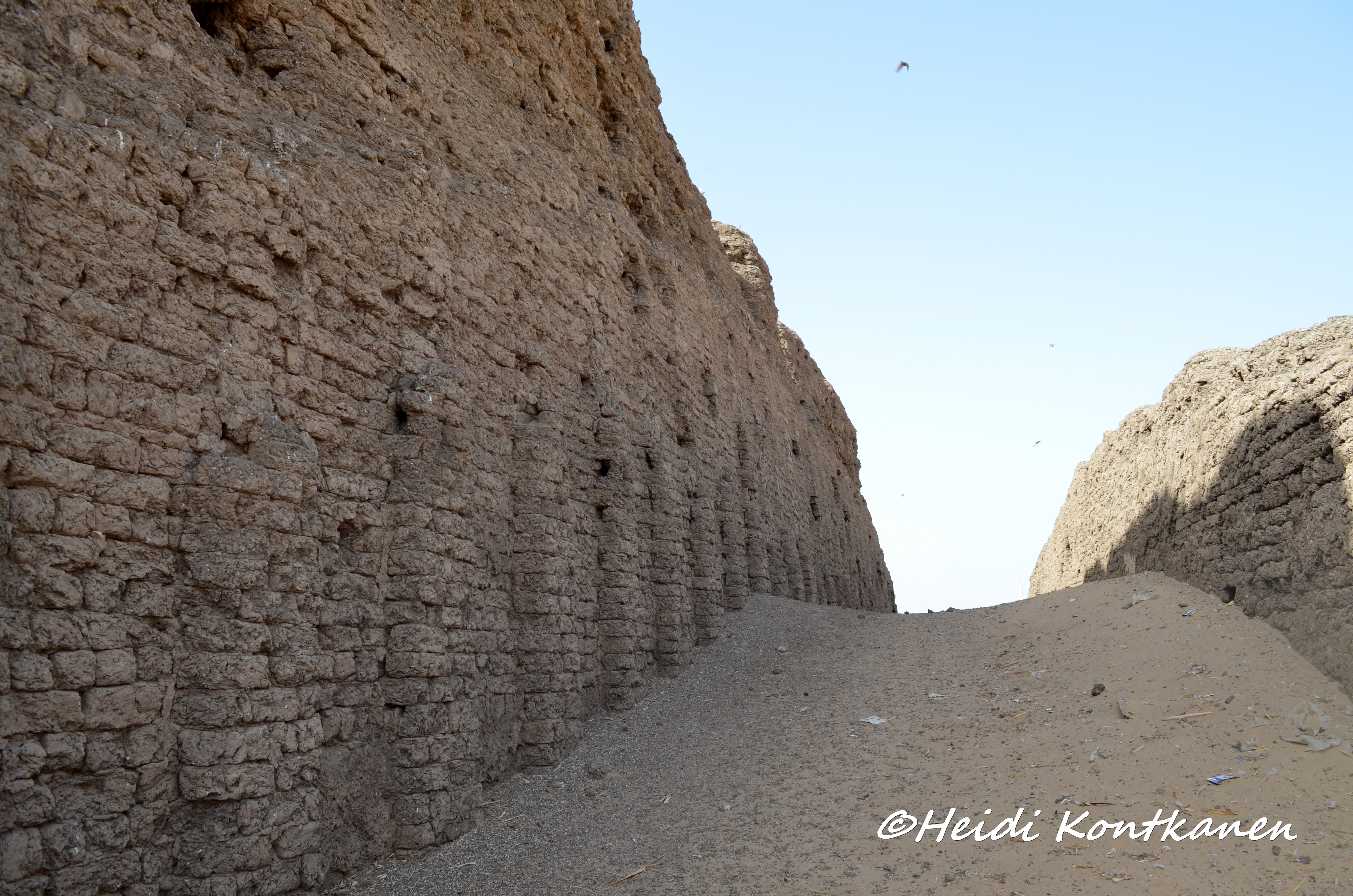
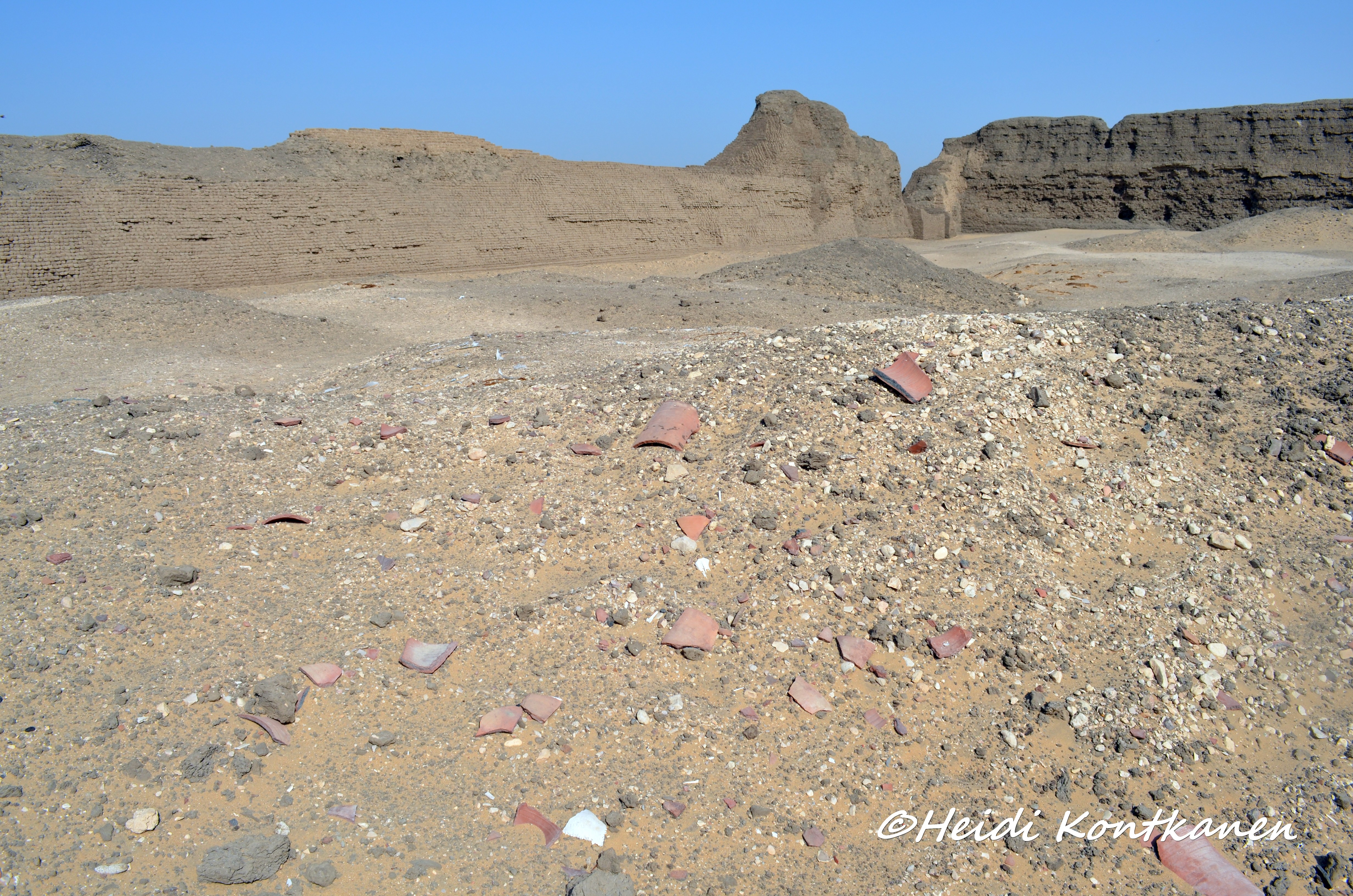
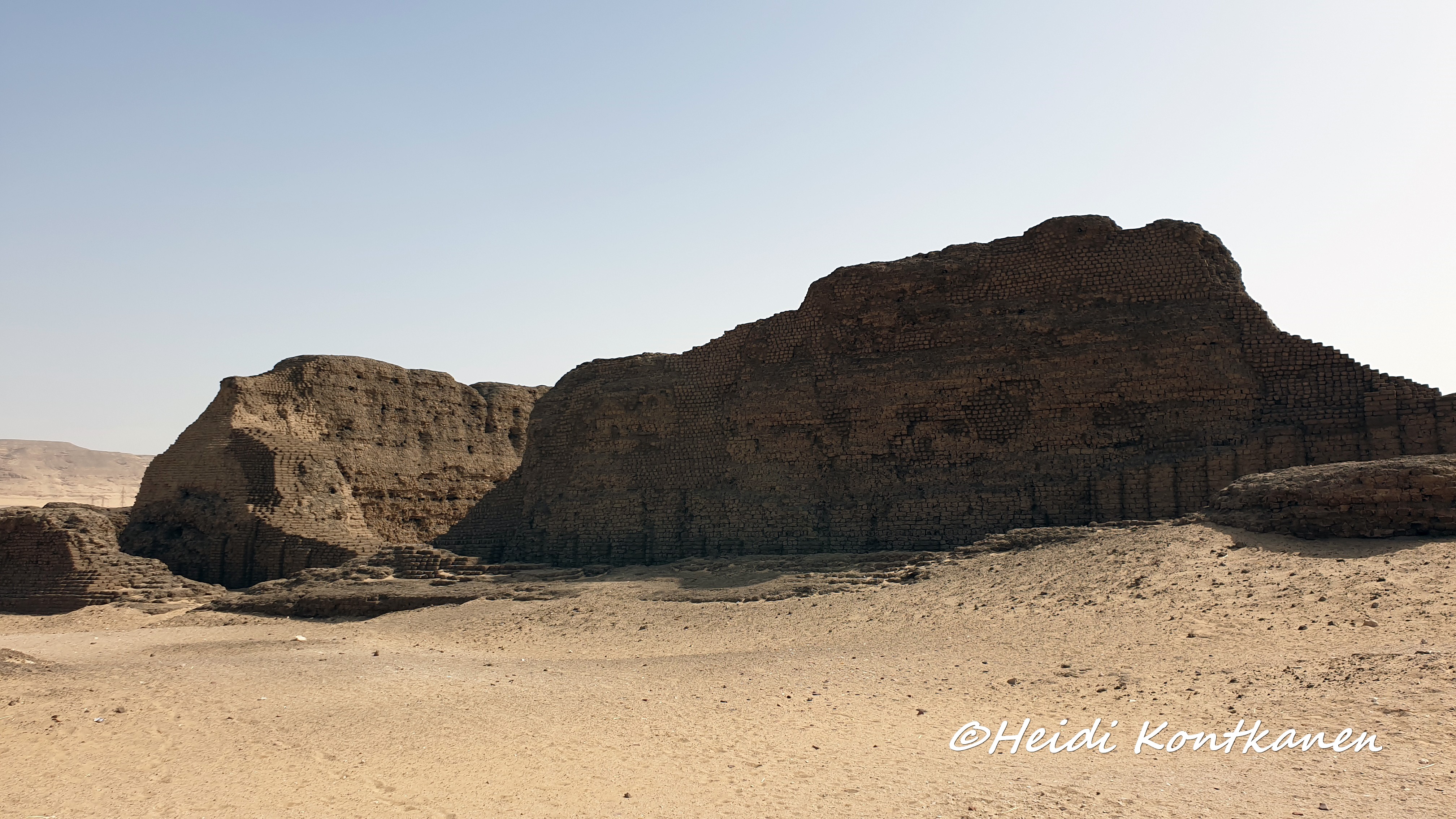
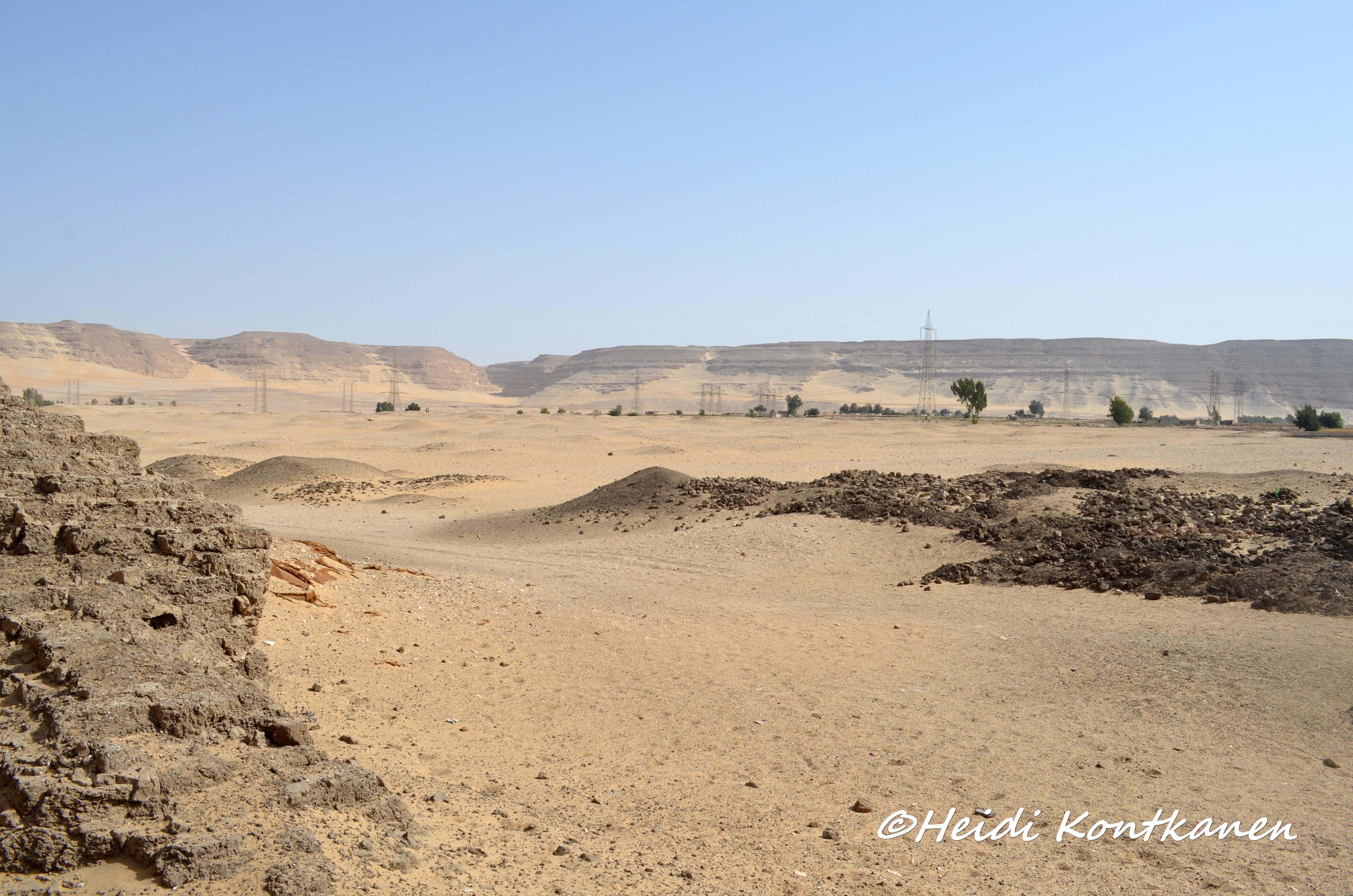
The so – called funerary enclosure of
Khasekhemwy
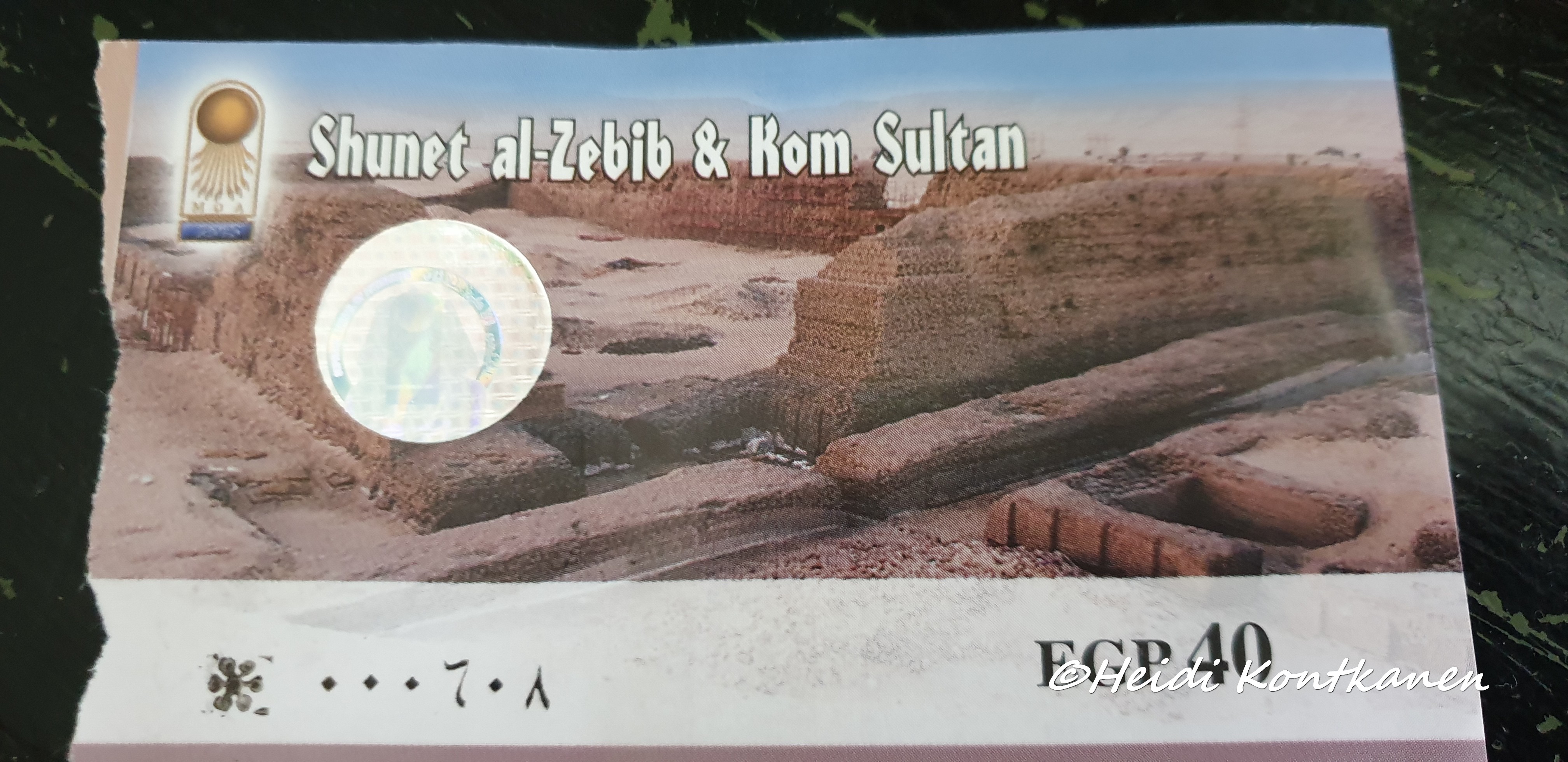
today called Shunet El Zebib
was founded around 2700 BC.
by the Ancient Egyptian
king Khasekhemwy
the last ruler of the 2nd dynasty.
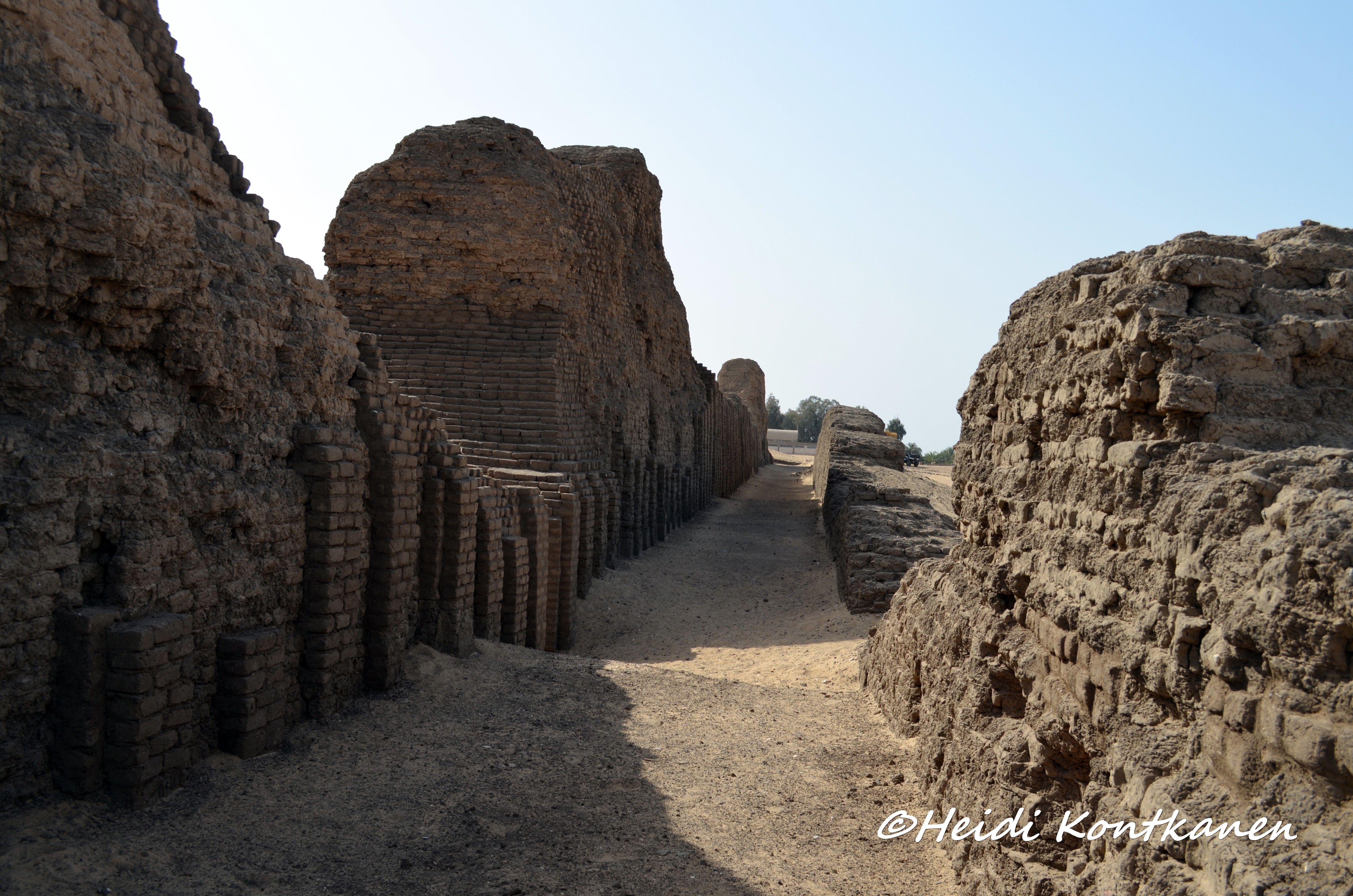
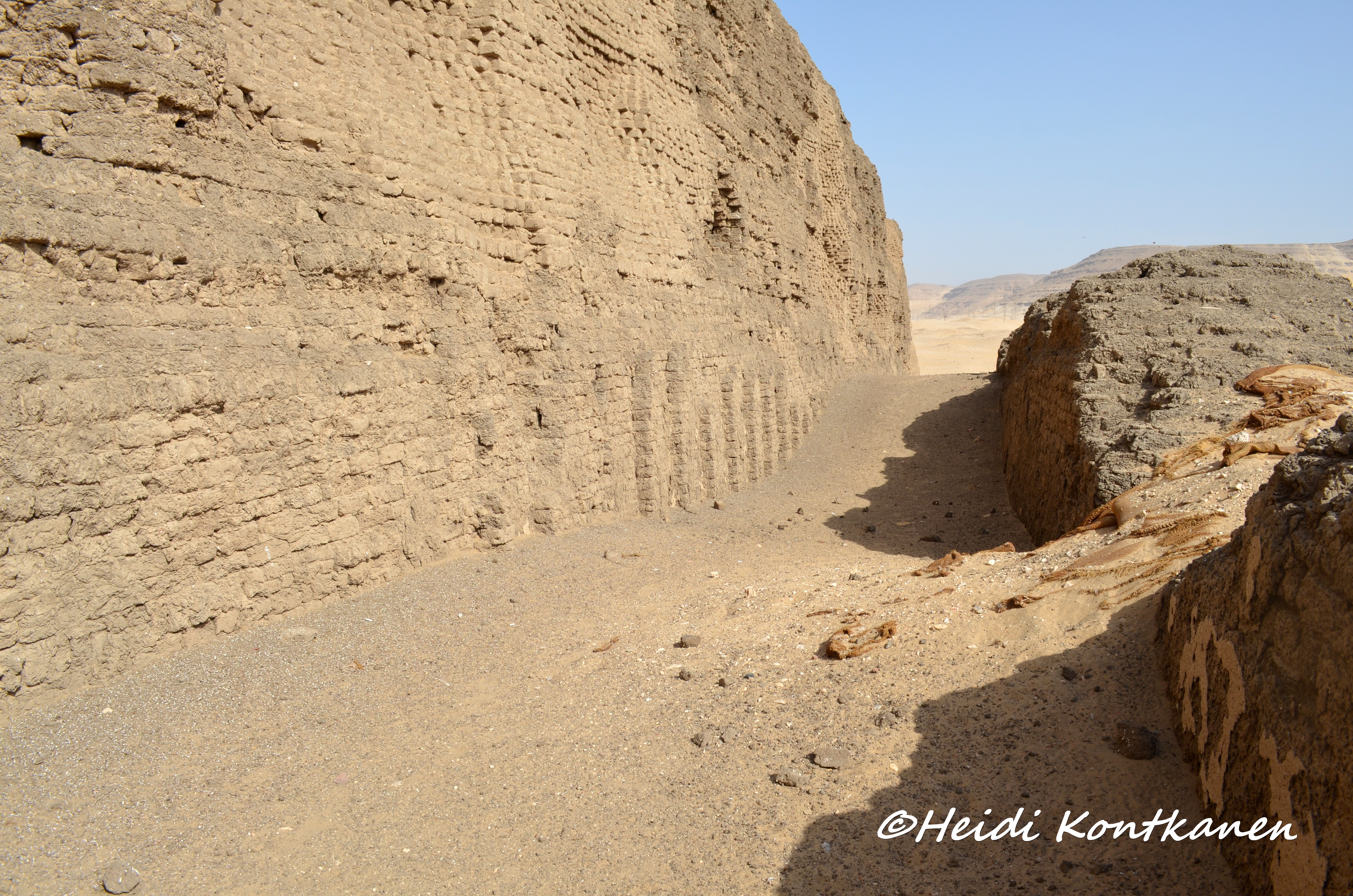
The outer wall measures 137 x 77 m and it’s ca. 5 m thick and 12 m high.
The inner wall measures 123 x 56 m and it’s ca. 3 m thick and 8 m high.
The facade of the inner wall was niched, imitating a royal palace facade. This and the enclosure wall around the pyramid complex of Djoser in Saqqara (3rd dynasty)
have a lot of architectural similarities.
The inner area consists of a largely empty court.
In 1988,
O´Conner
discovered a large mound of sand and gravel covered with mud brick within the enclosure
This mound was located more or less in the same area as the Step Pyramid of
King Djoser´s
funerary complex at Saqqara
(The Oxford History of Ancient Egypt by Ian Shaw)
Alongside the mud brick structure was found 14 boats buried in the sand.
They are attributed to King Khasekhemwy.
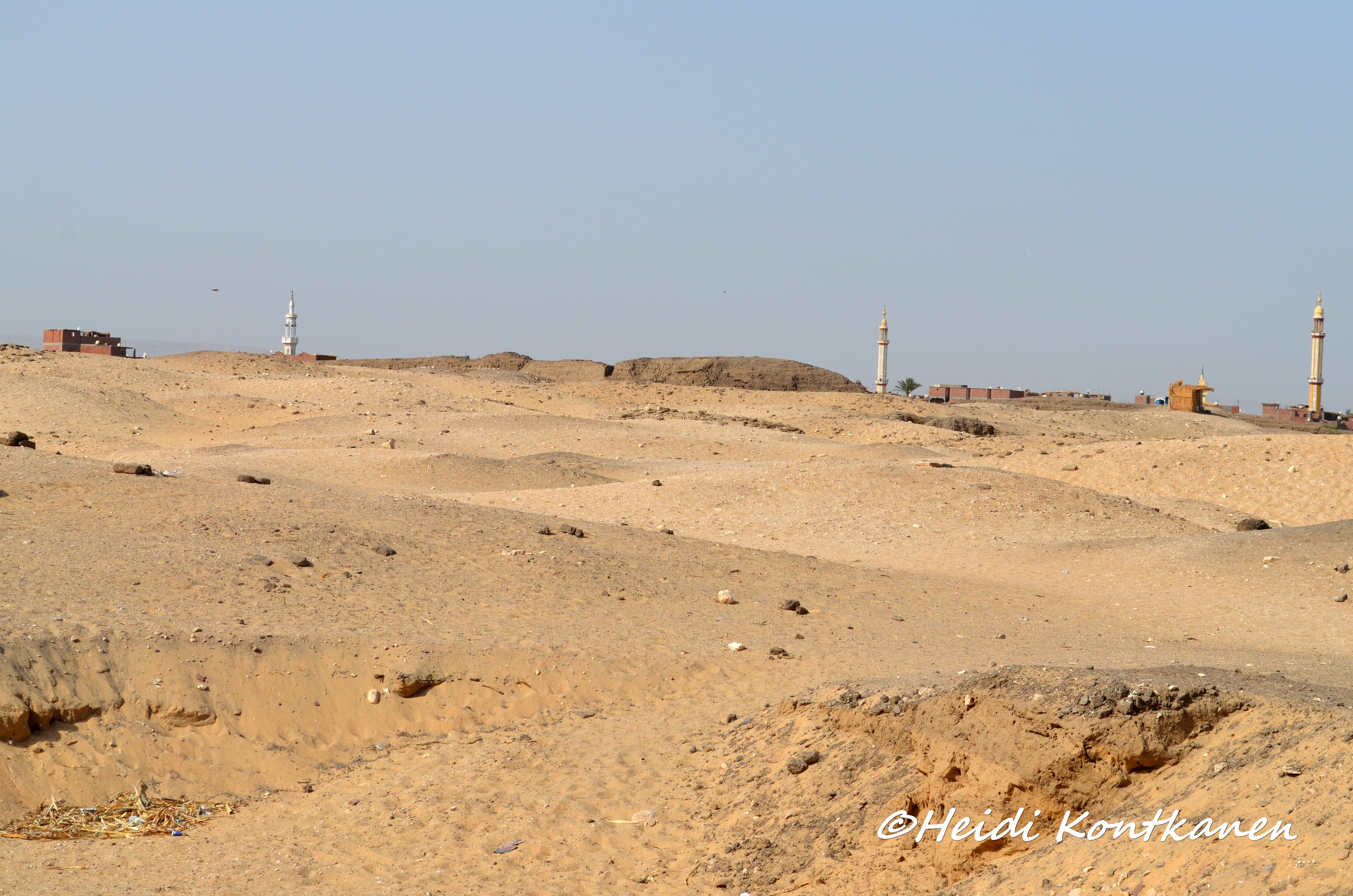
Shunet el Zebib is in Abydos, Egypt.
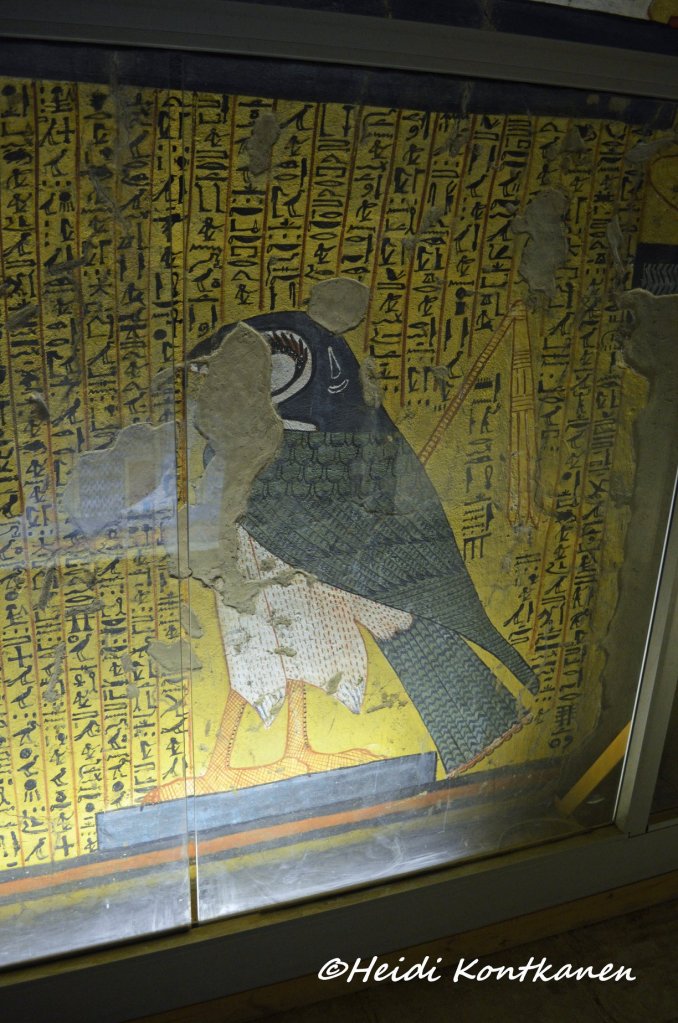
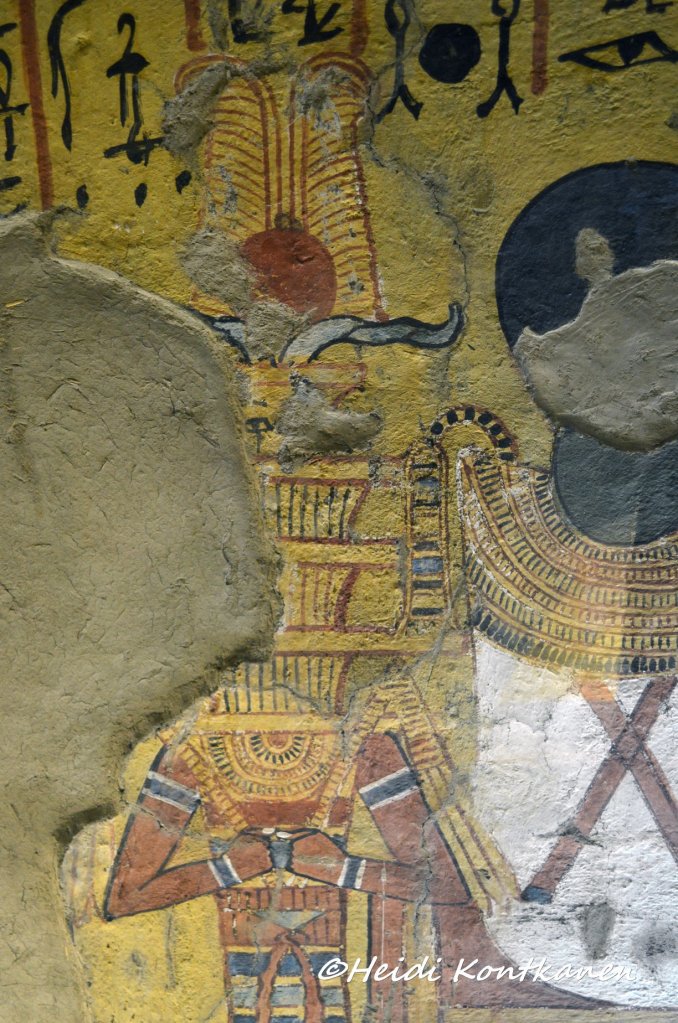
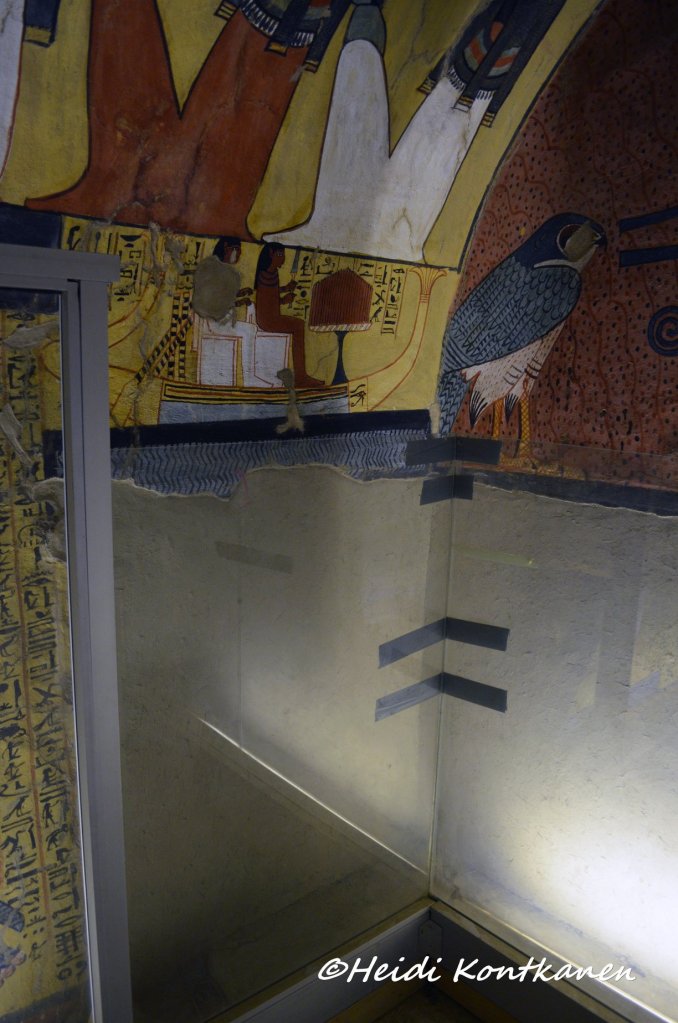
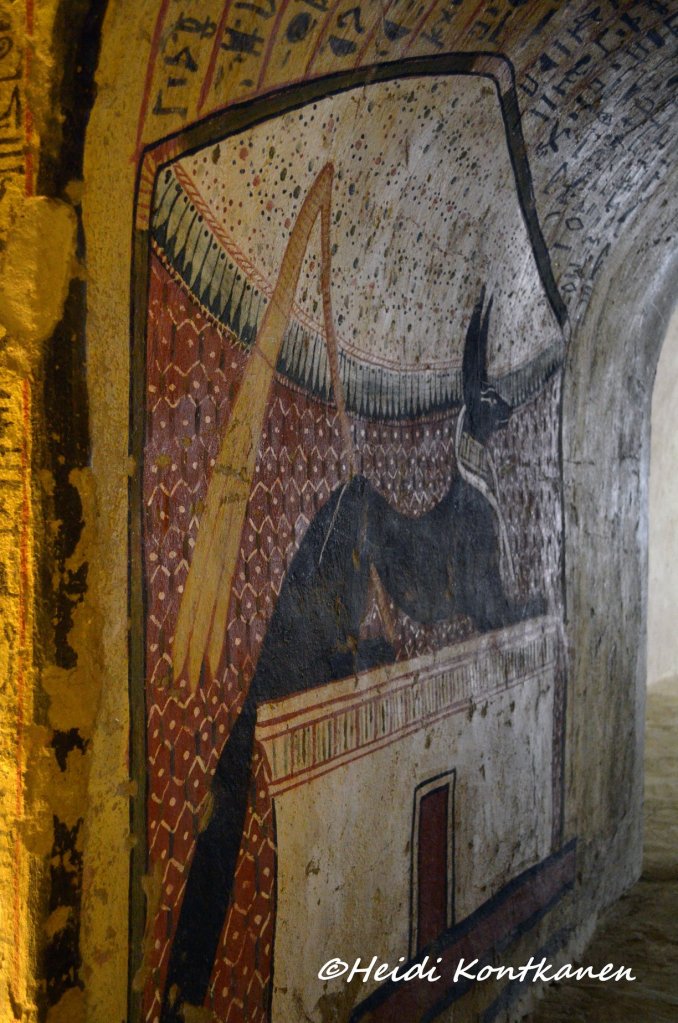
Pashedu
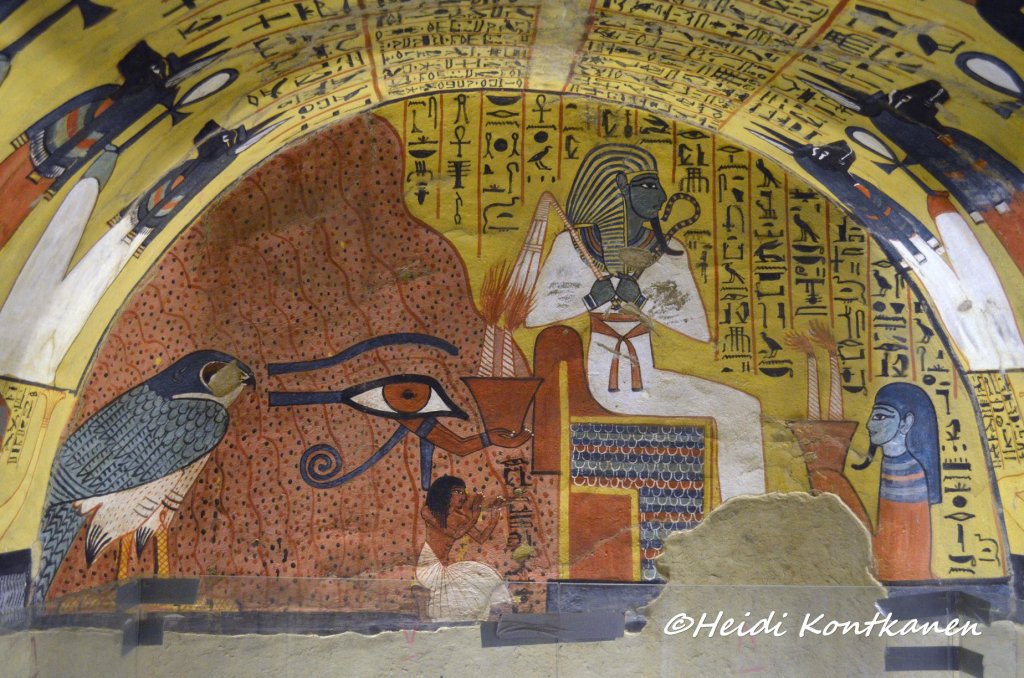






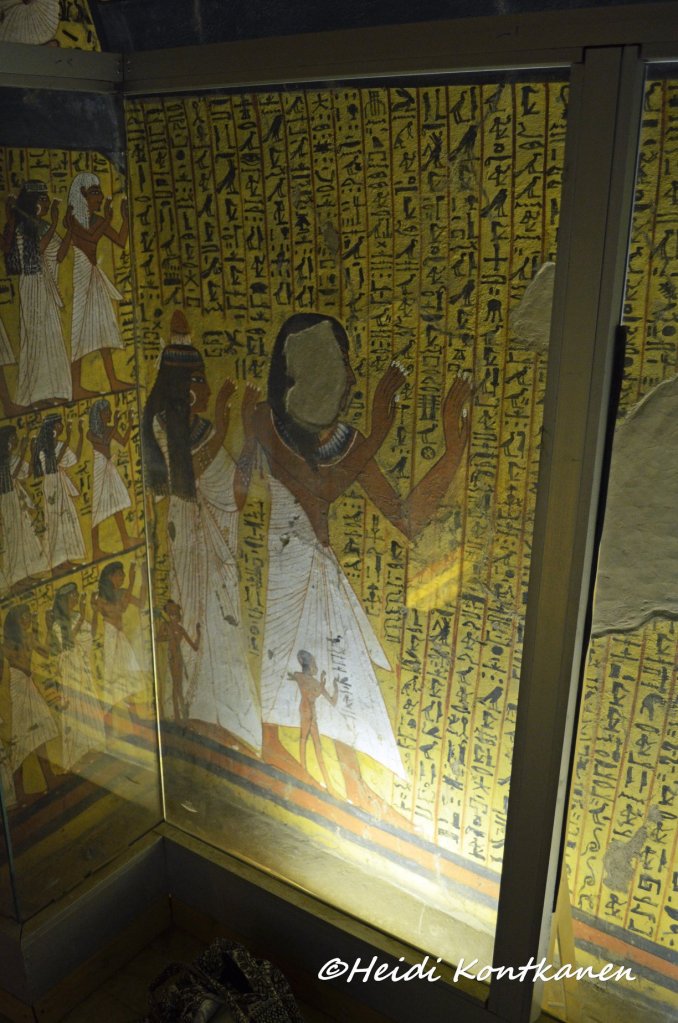
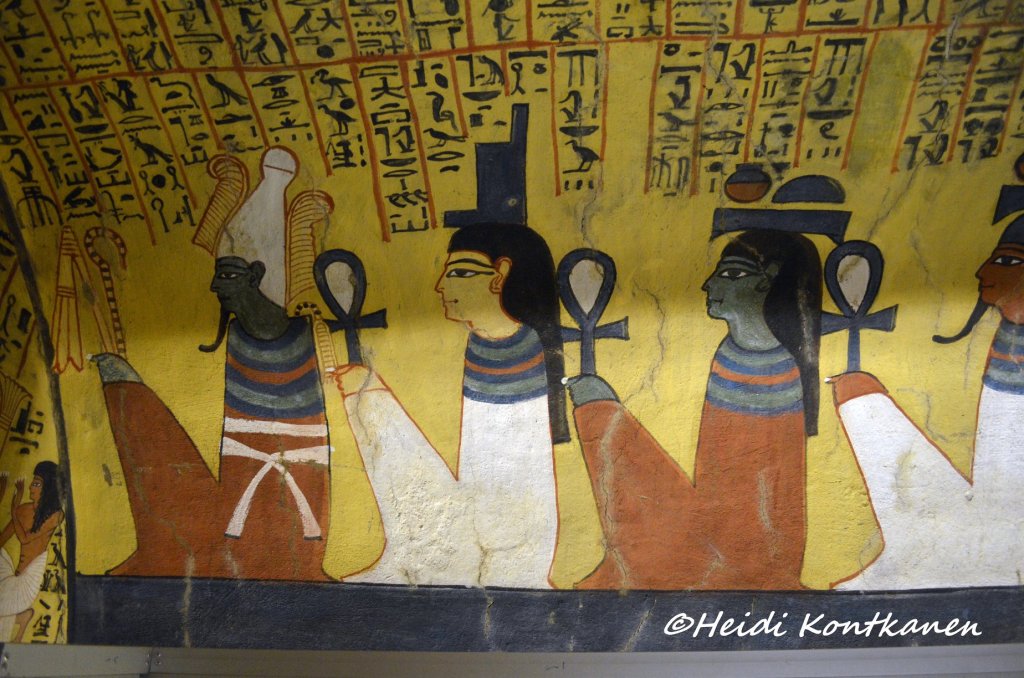
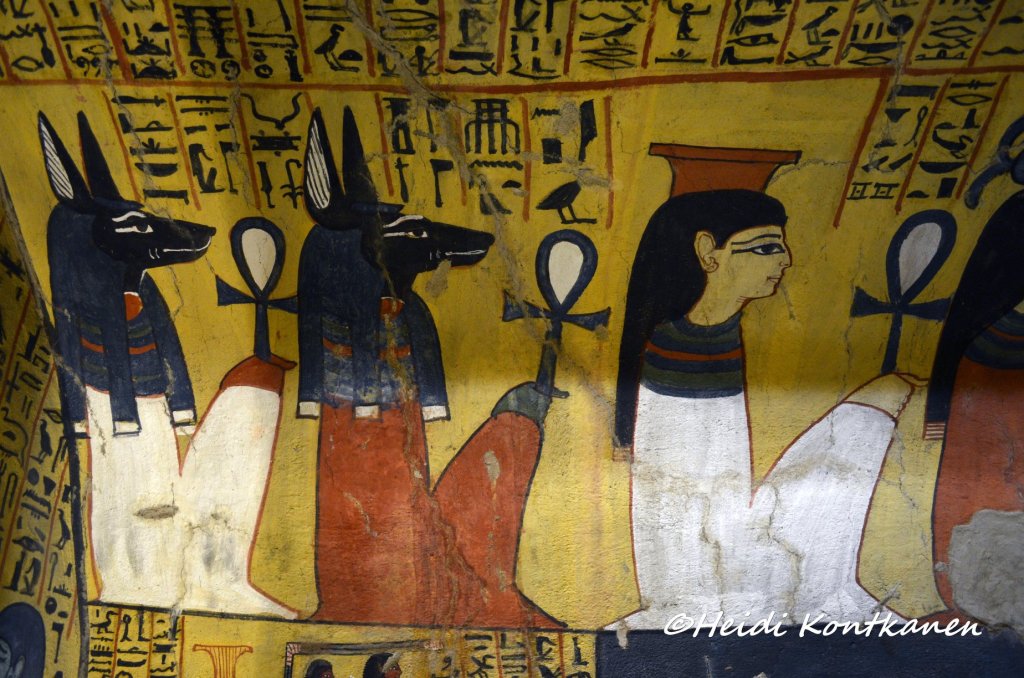
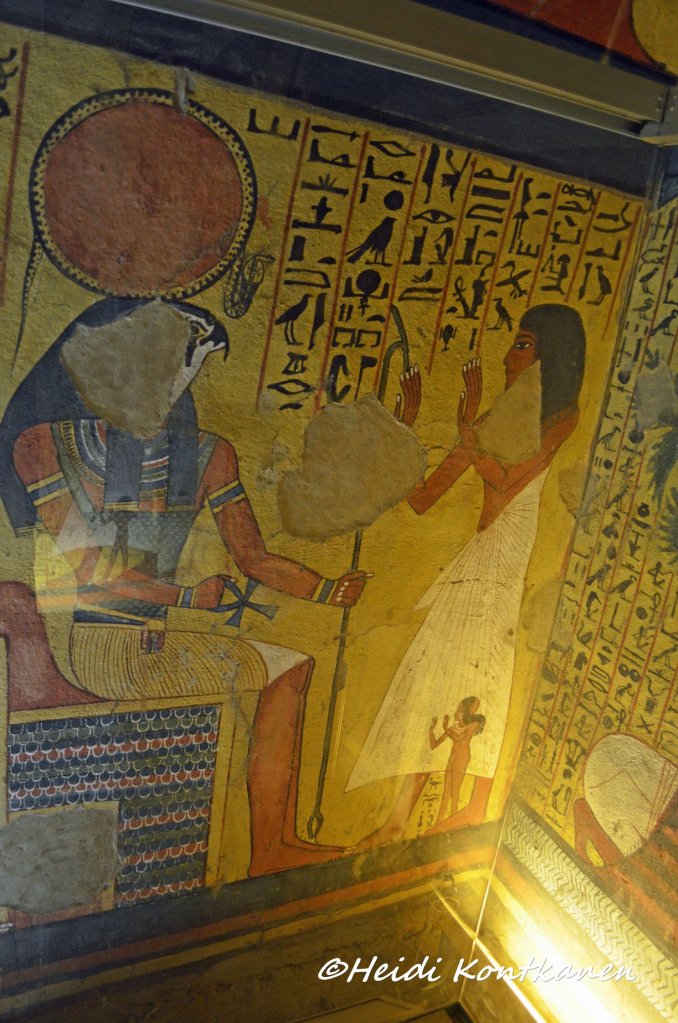
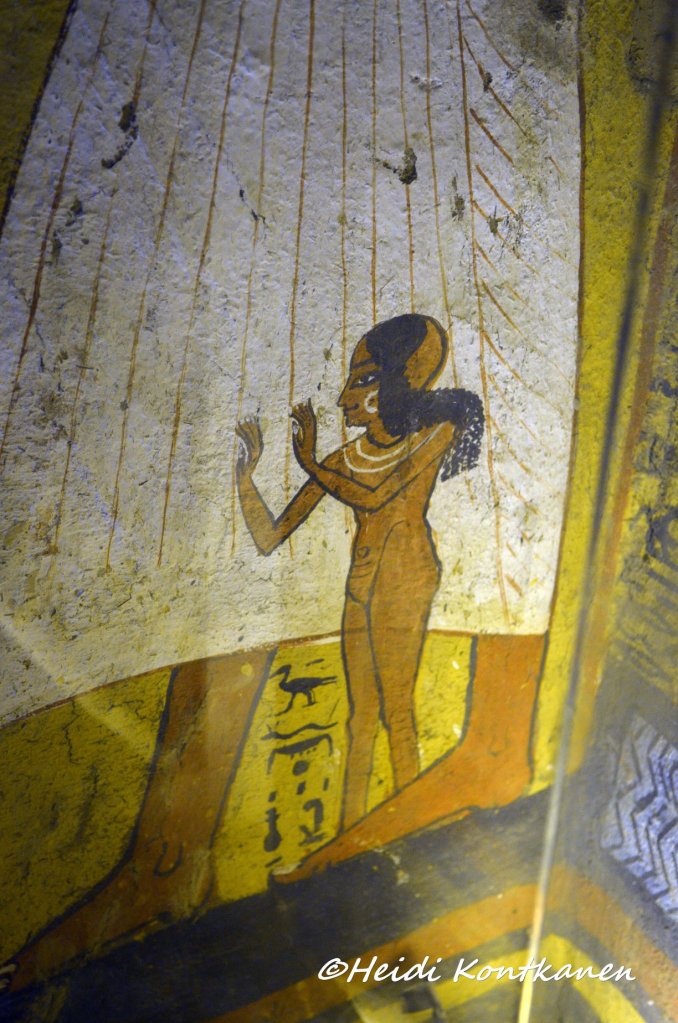
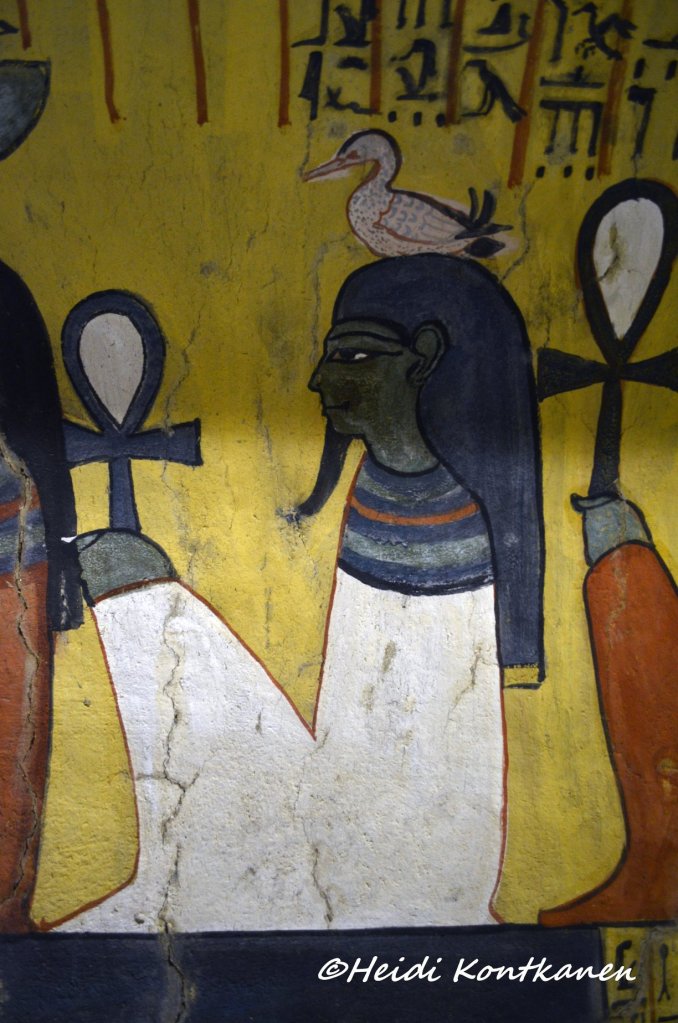
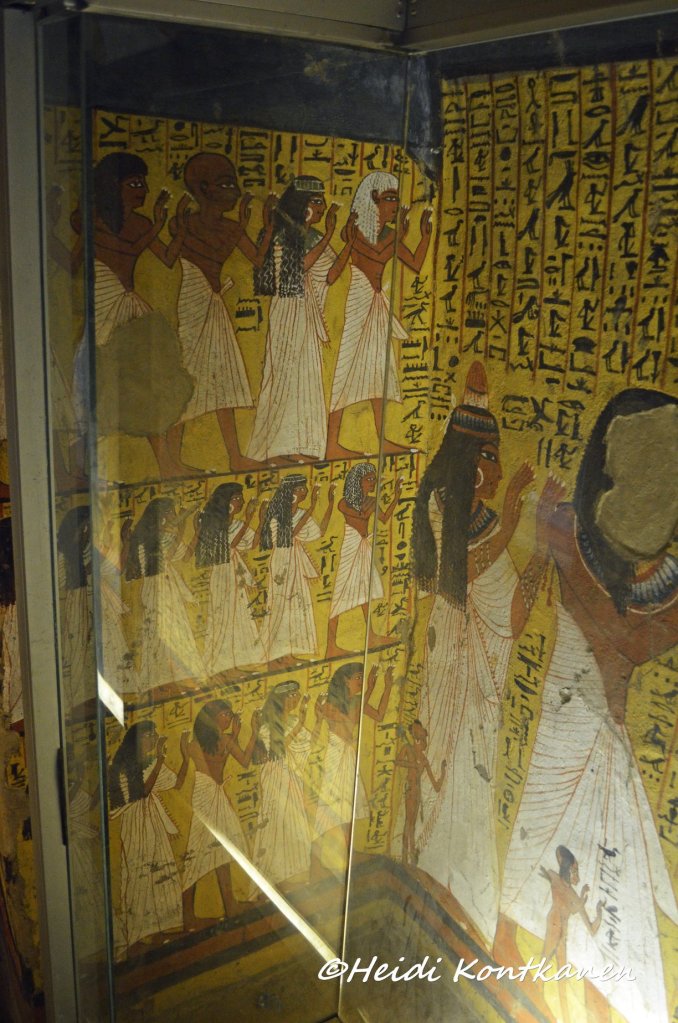
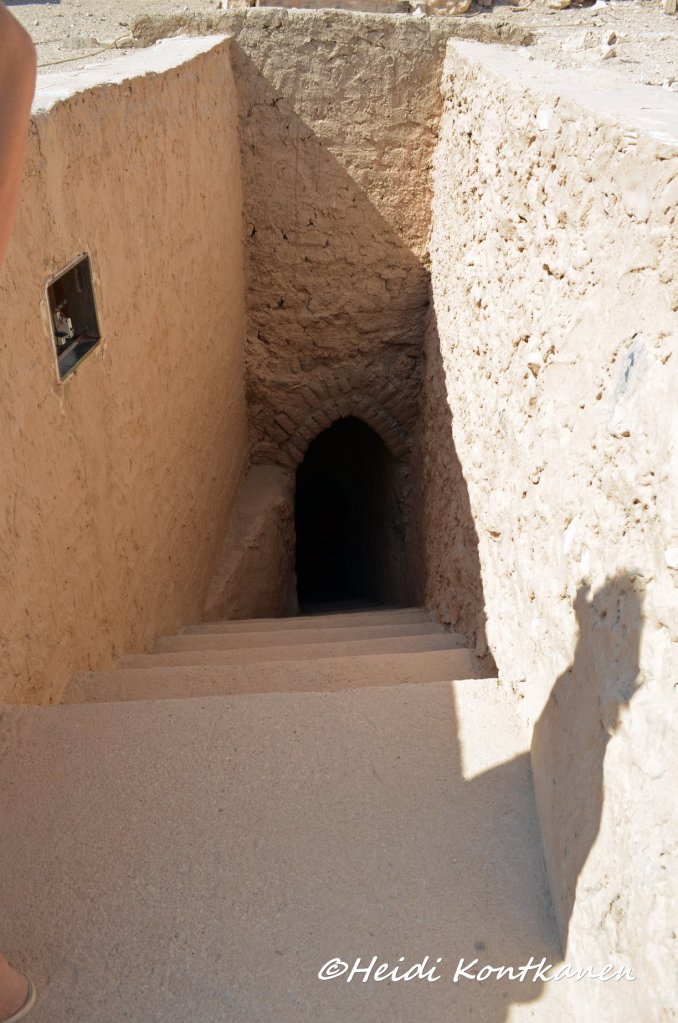
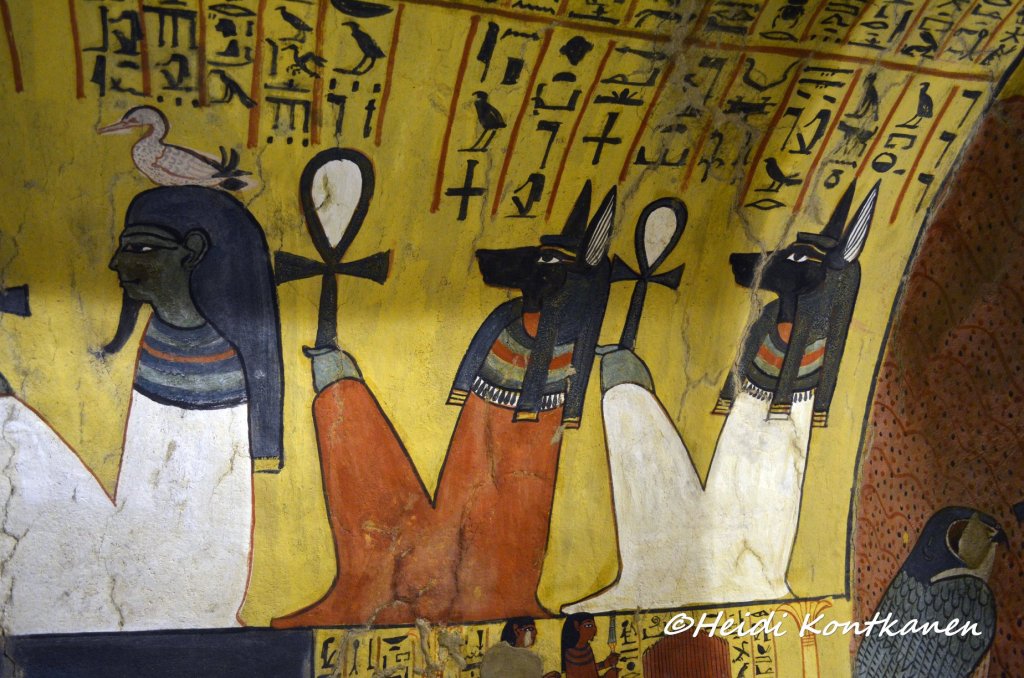


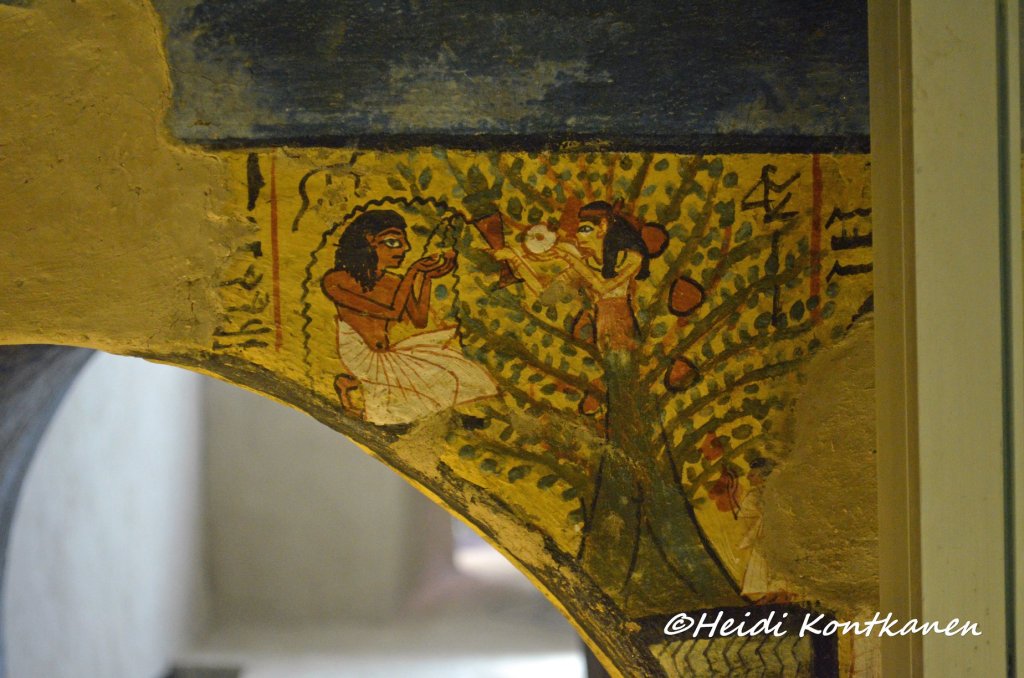
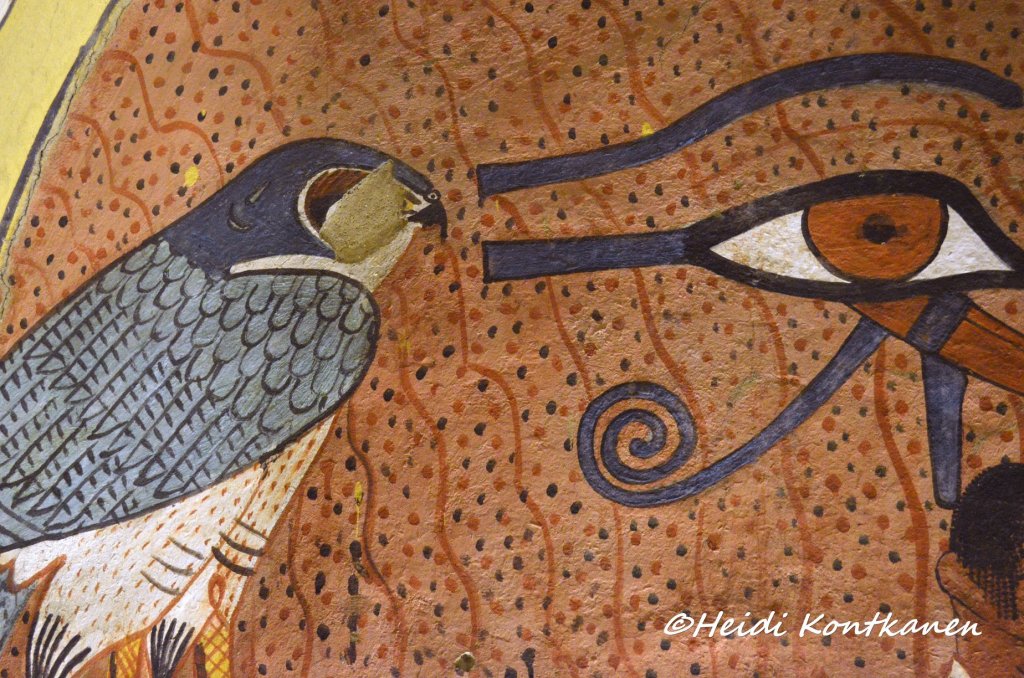
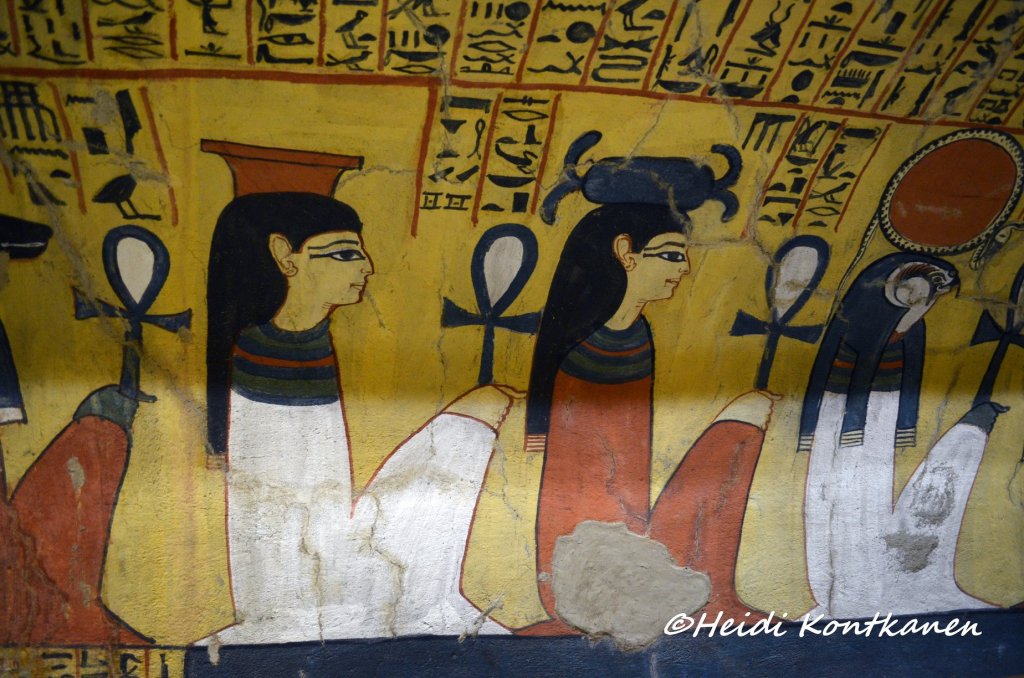
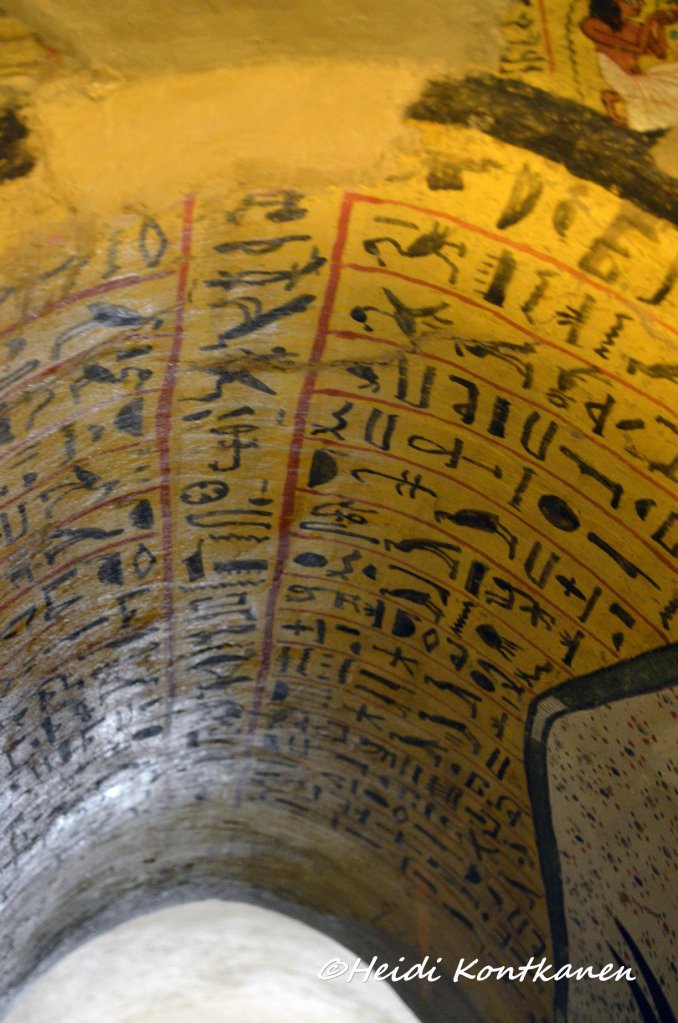
Pashedu
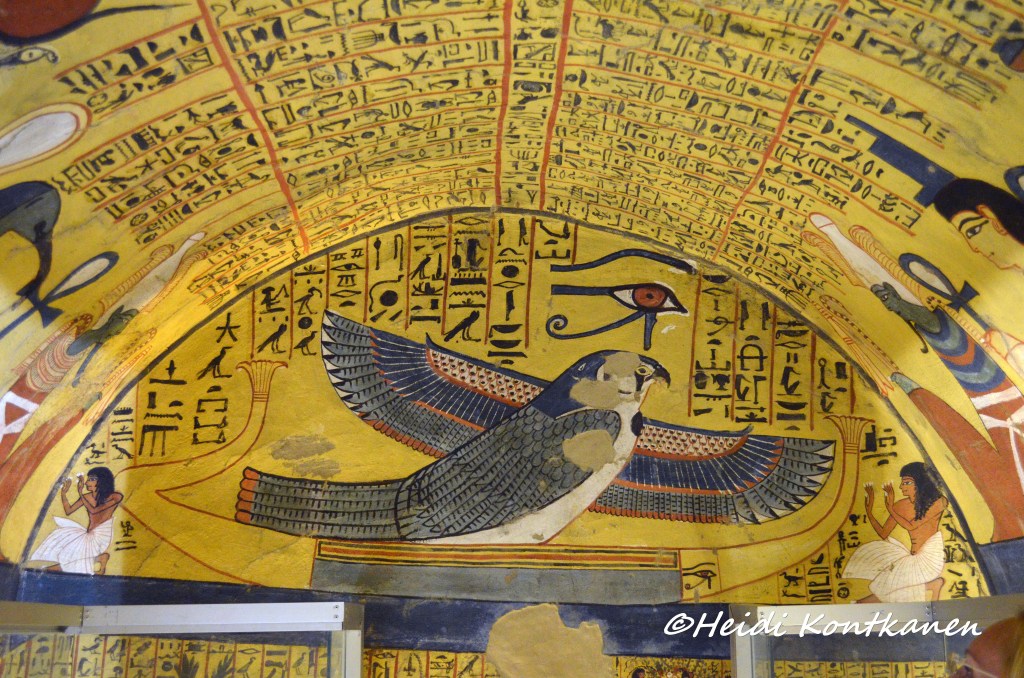
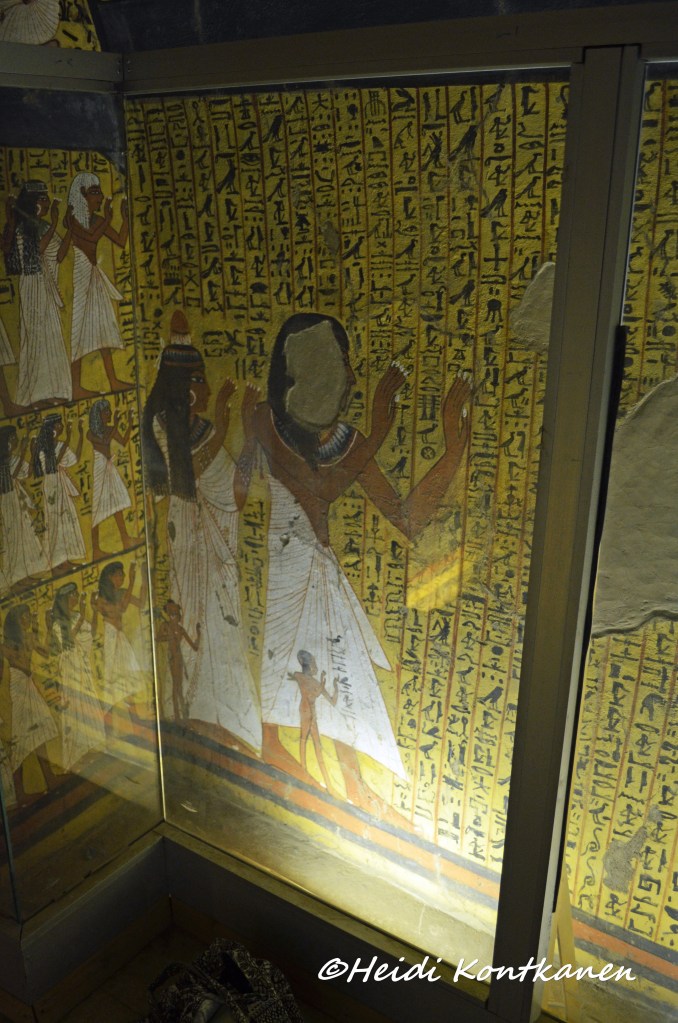
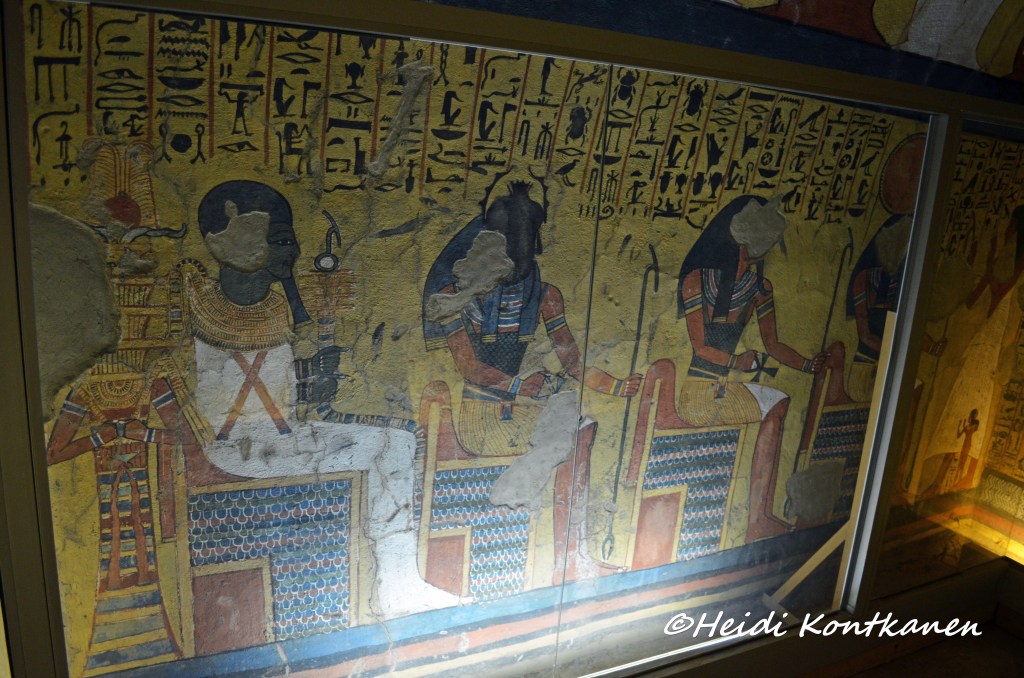
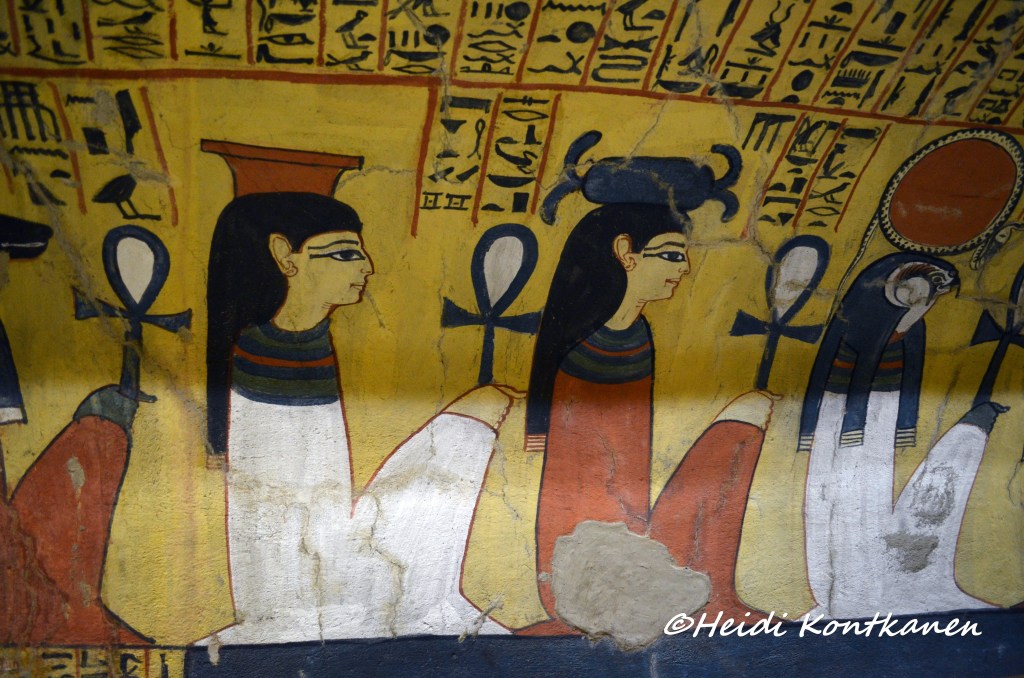
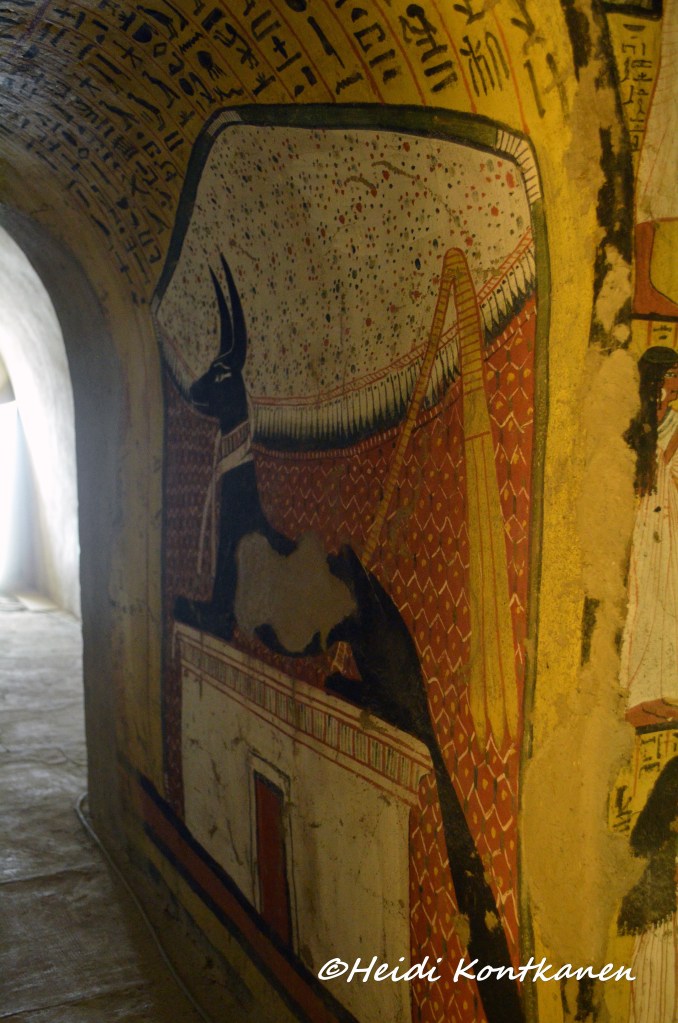
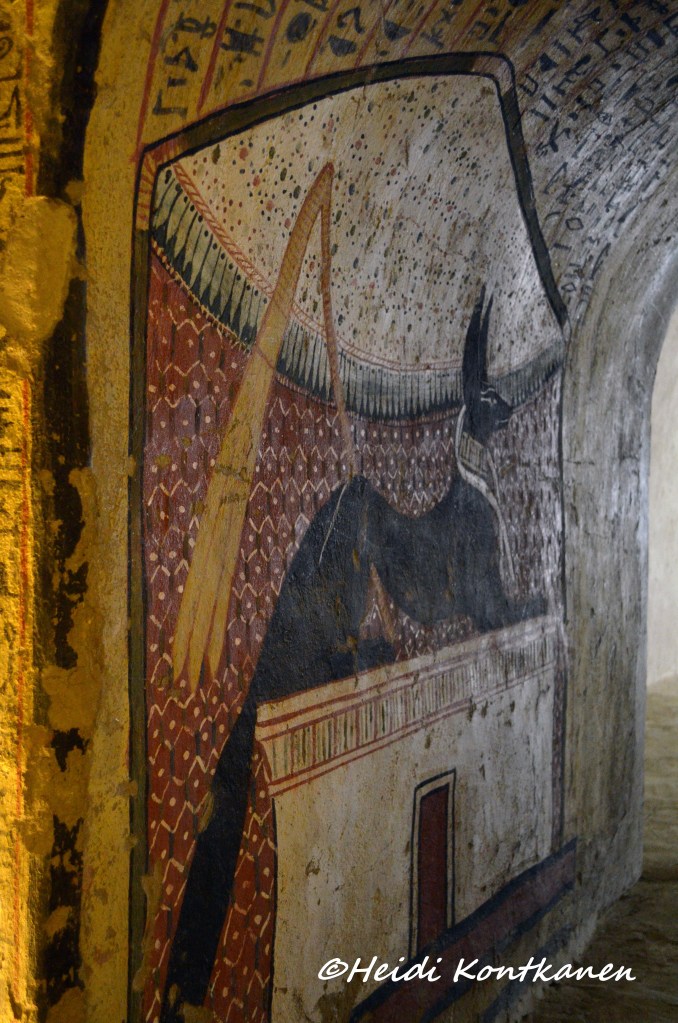

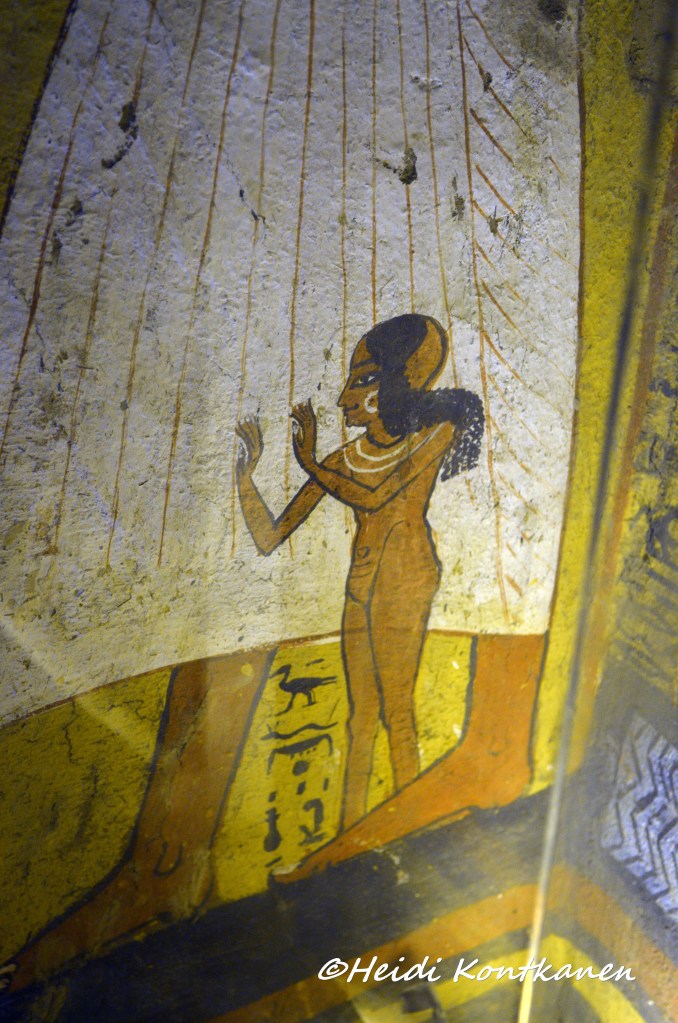
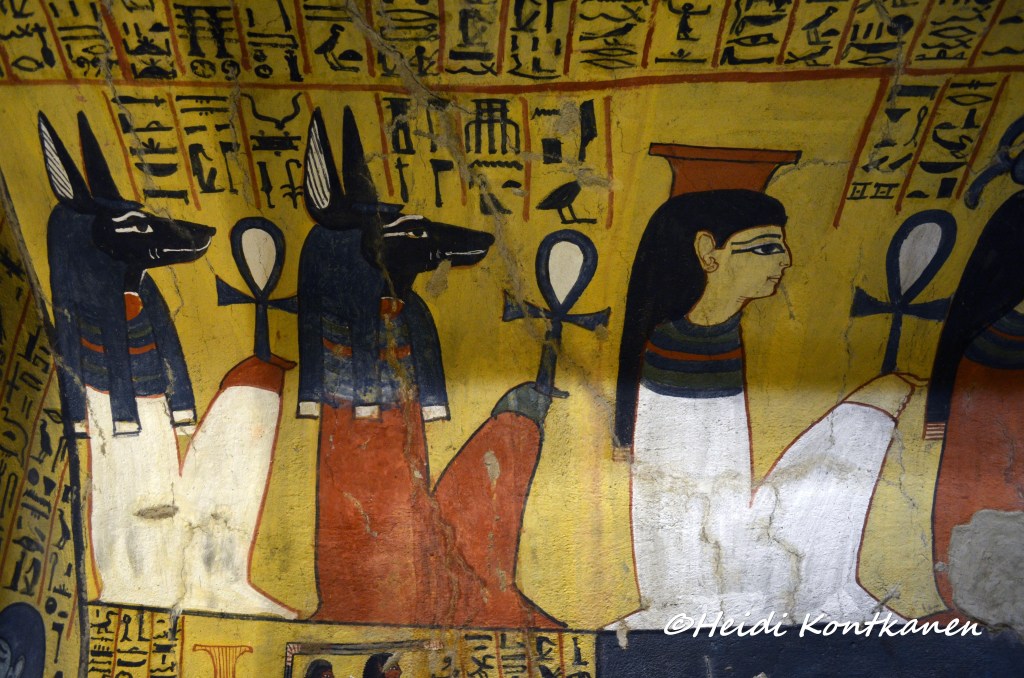
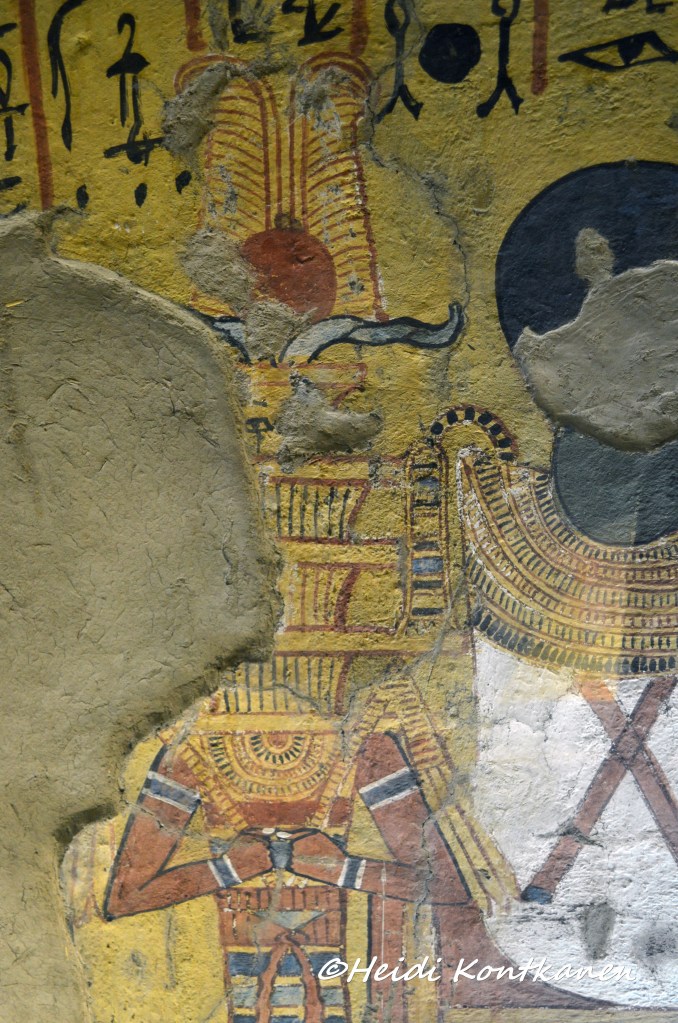
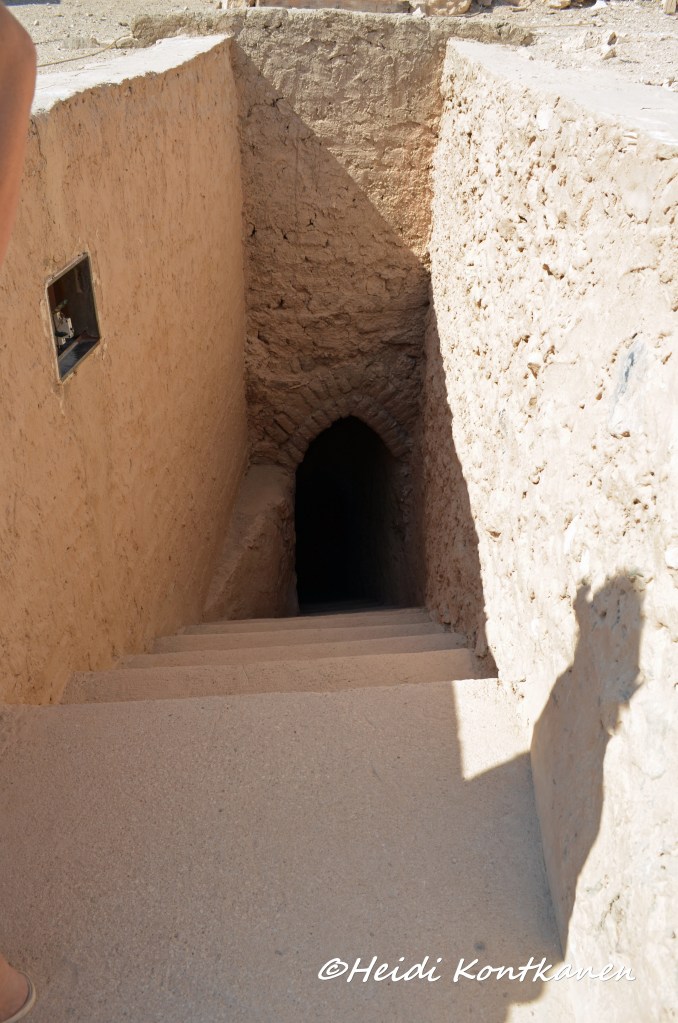
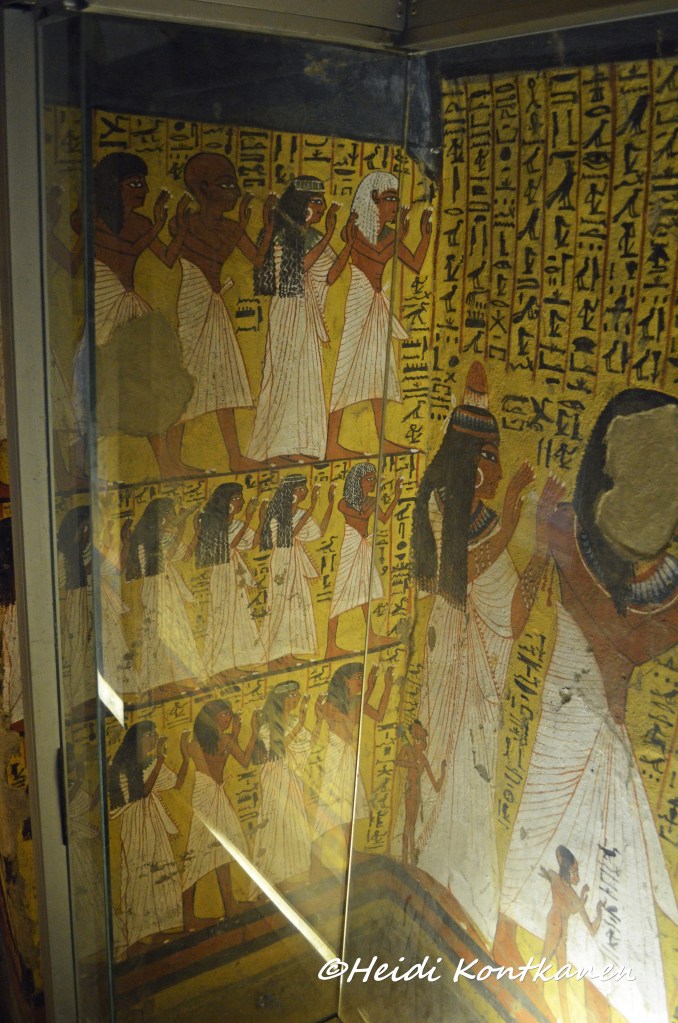
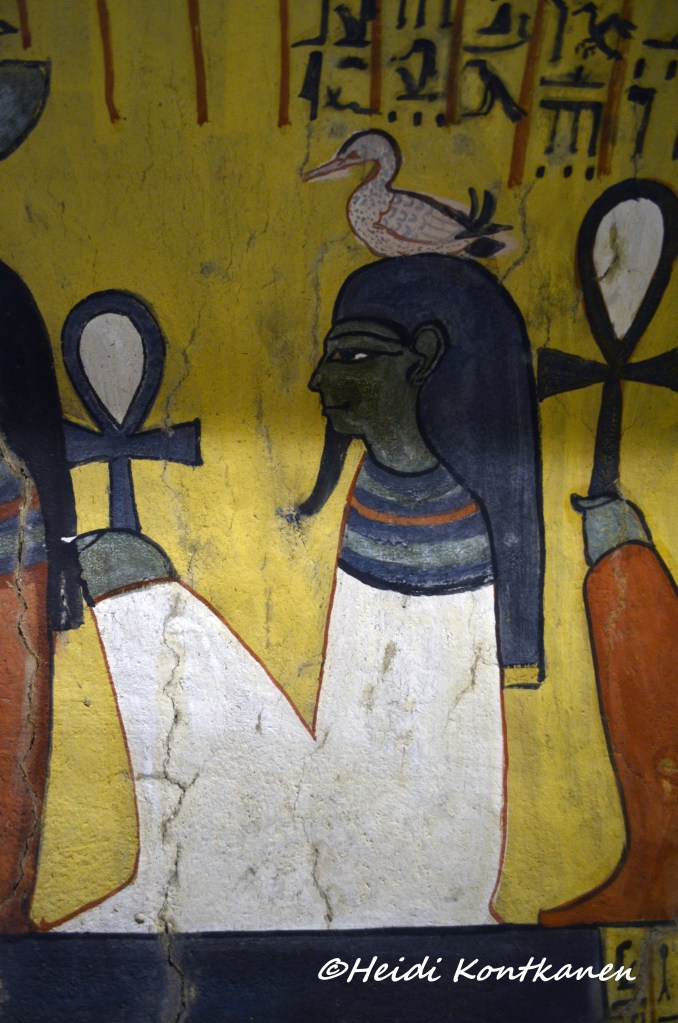
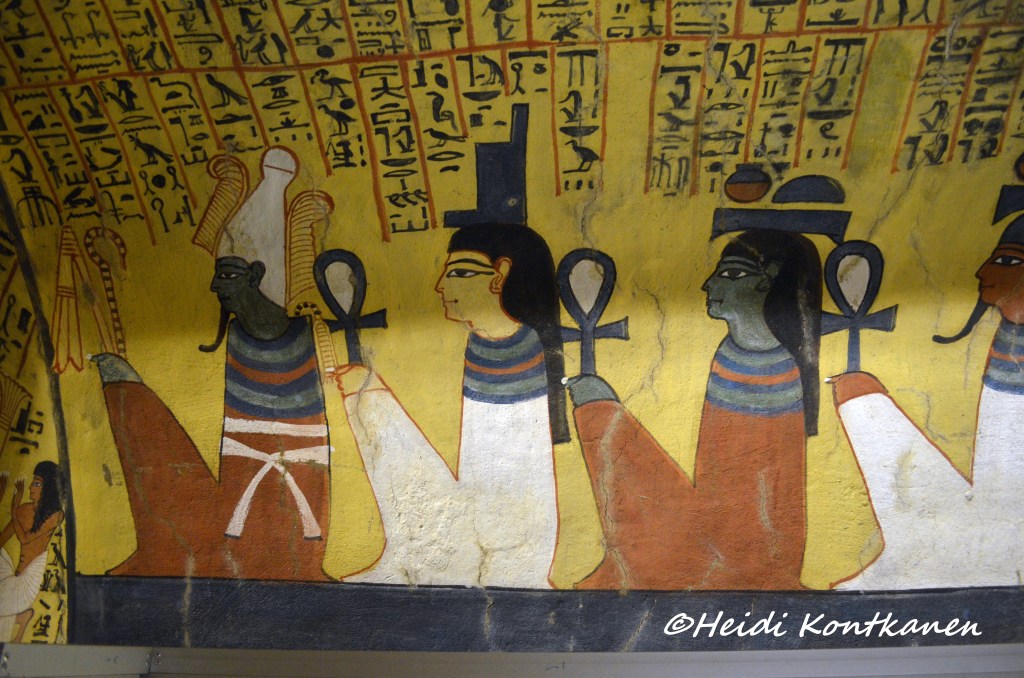

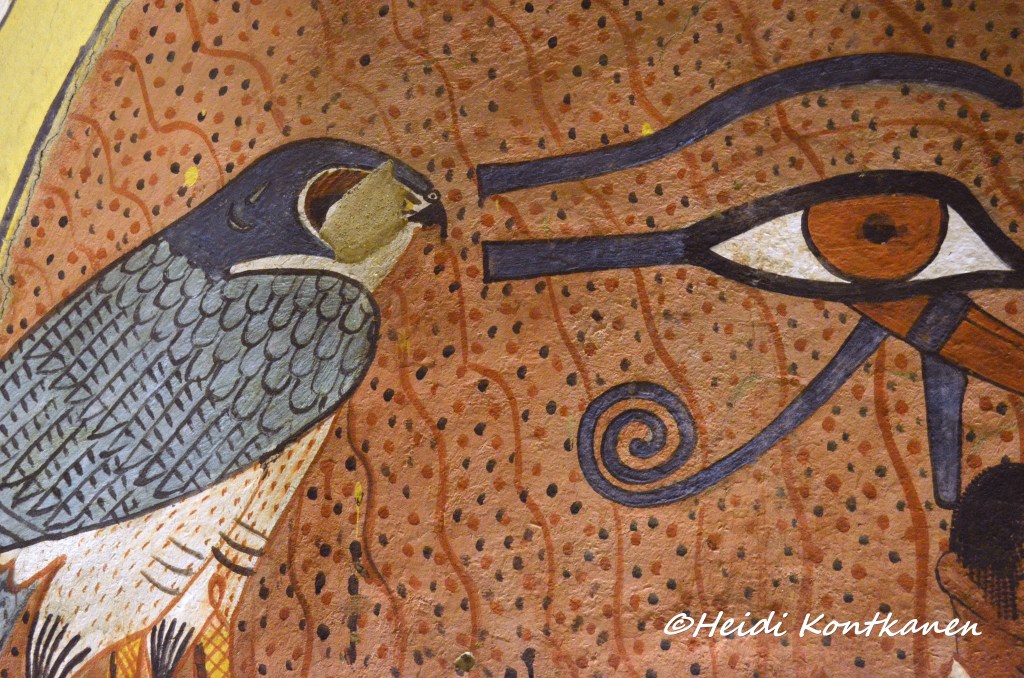
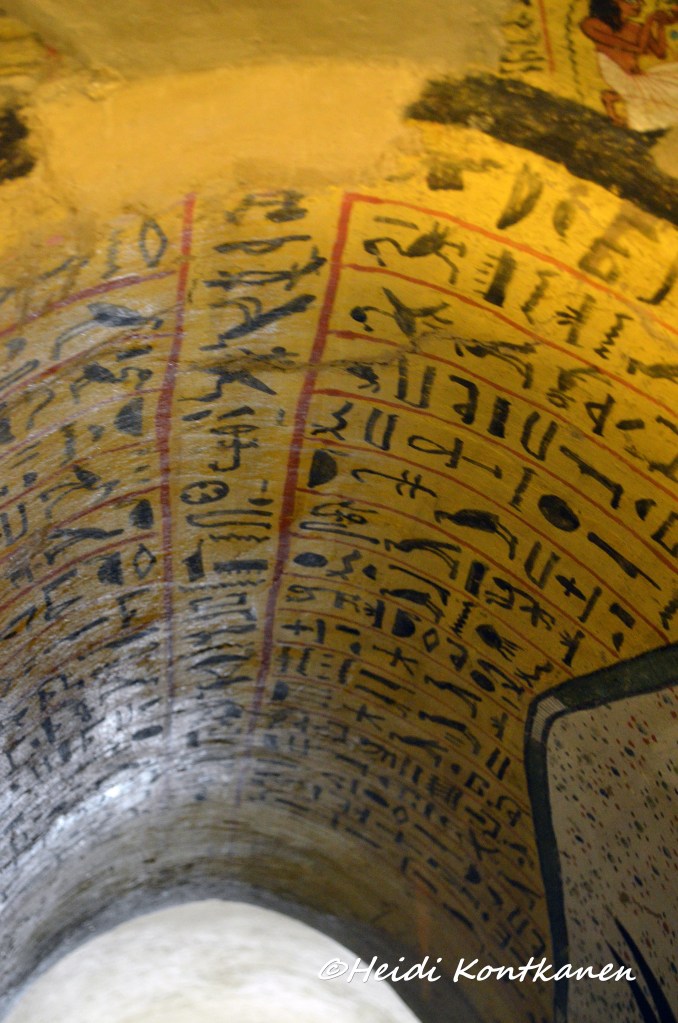
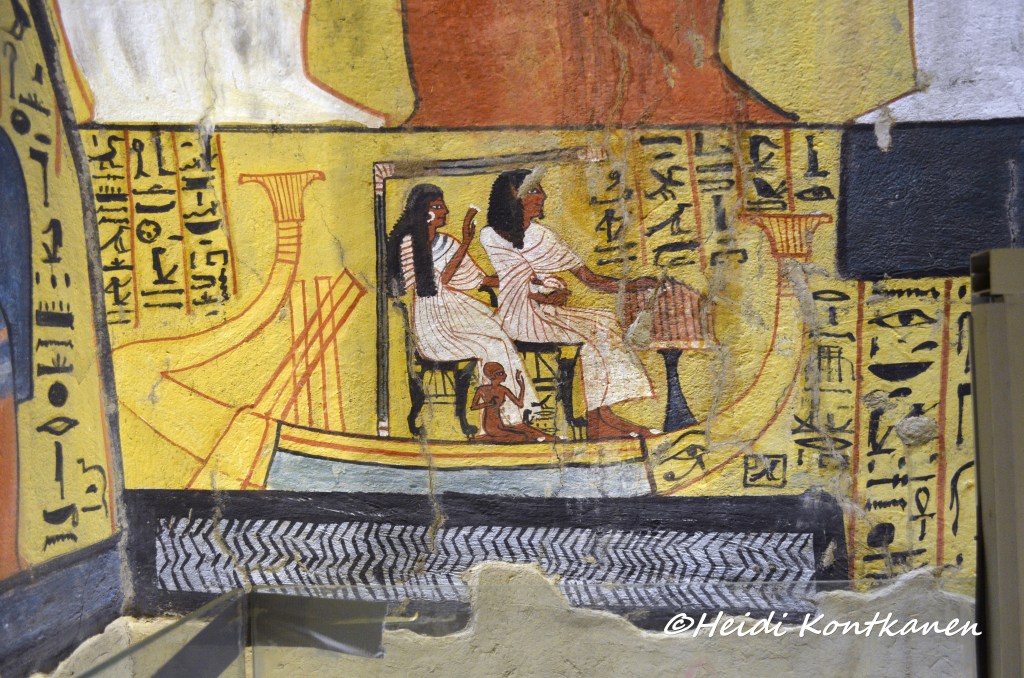
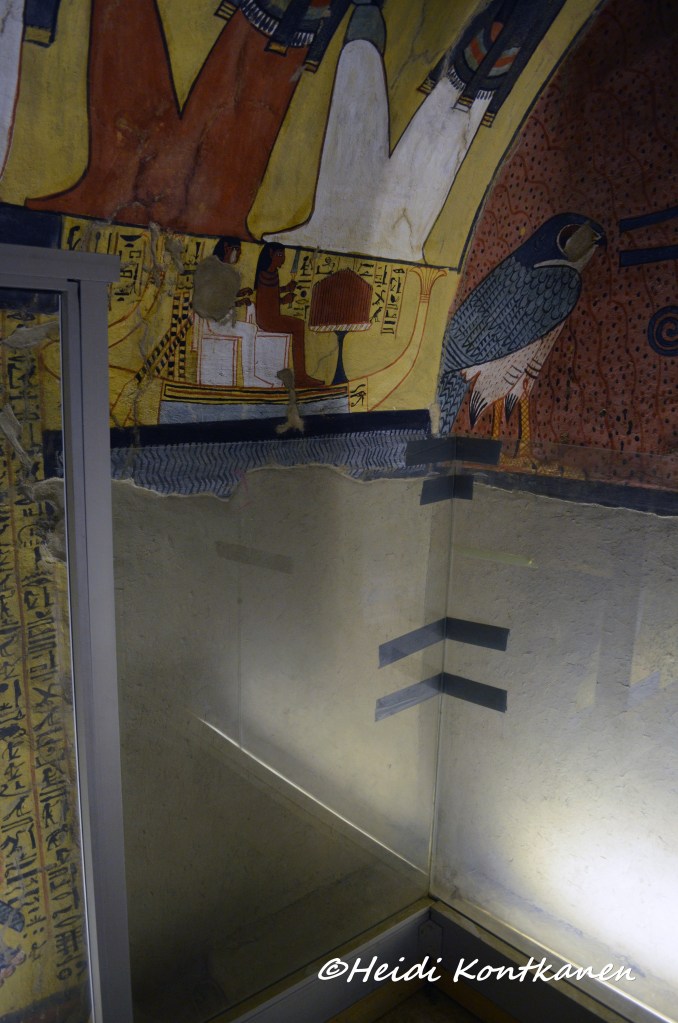
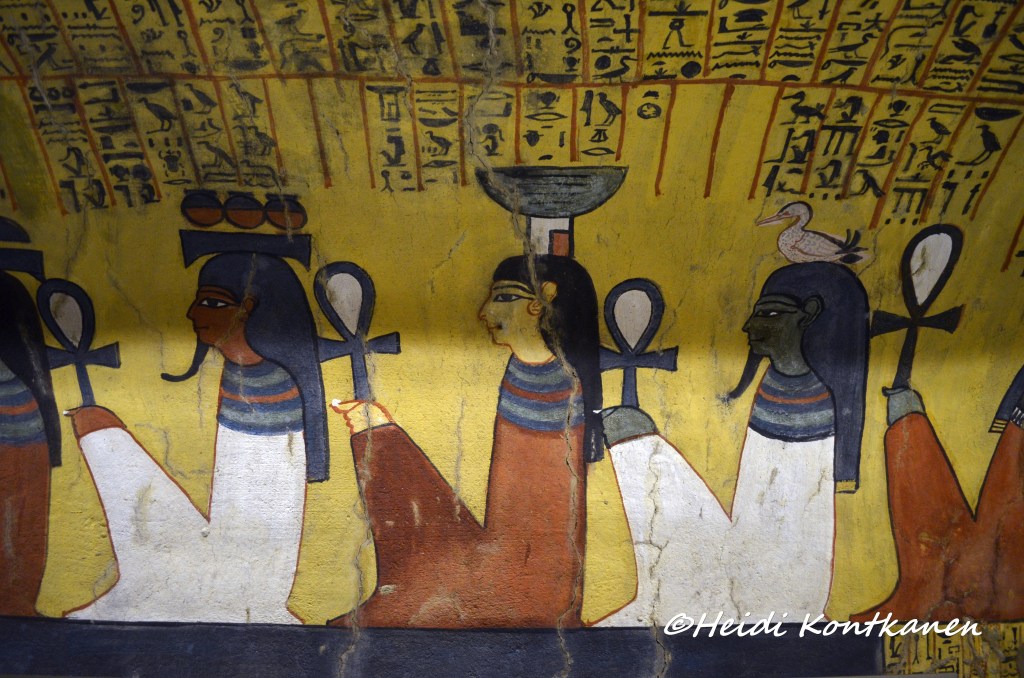
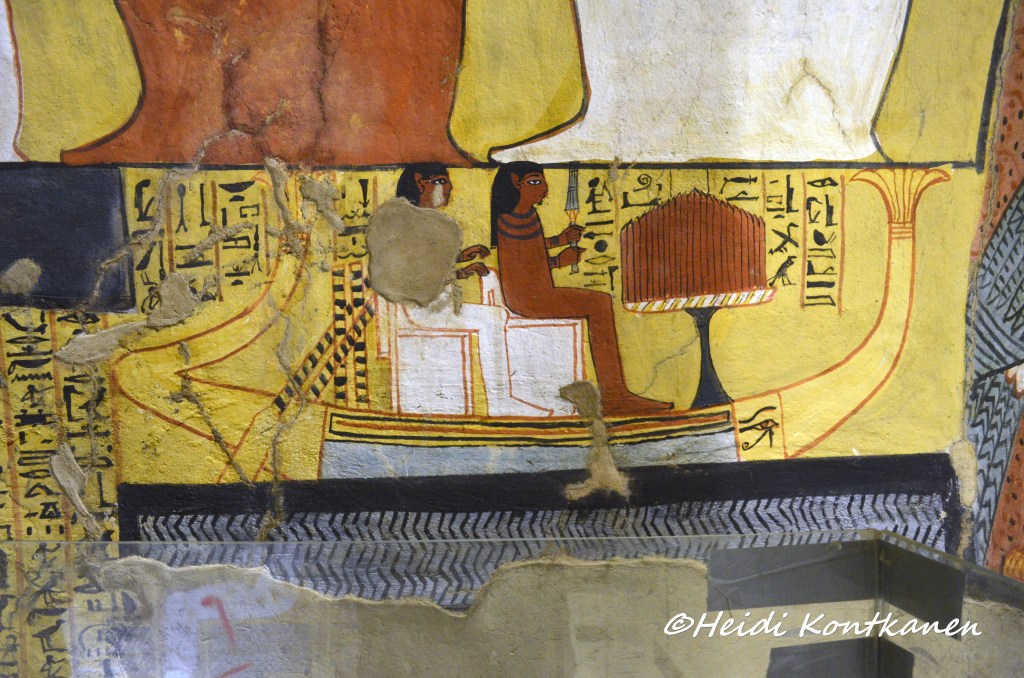
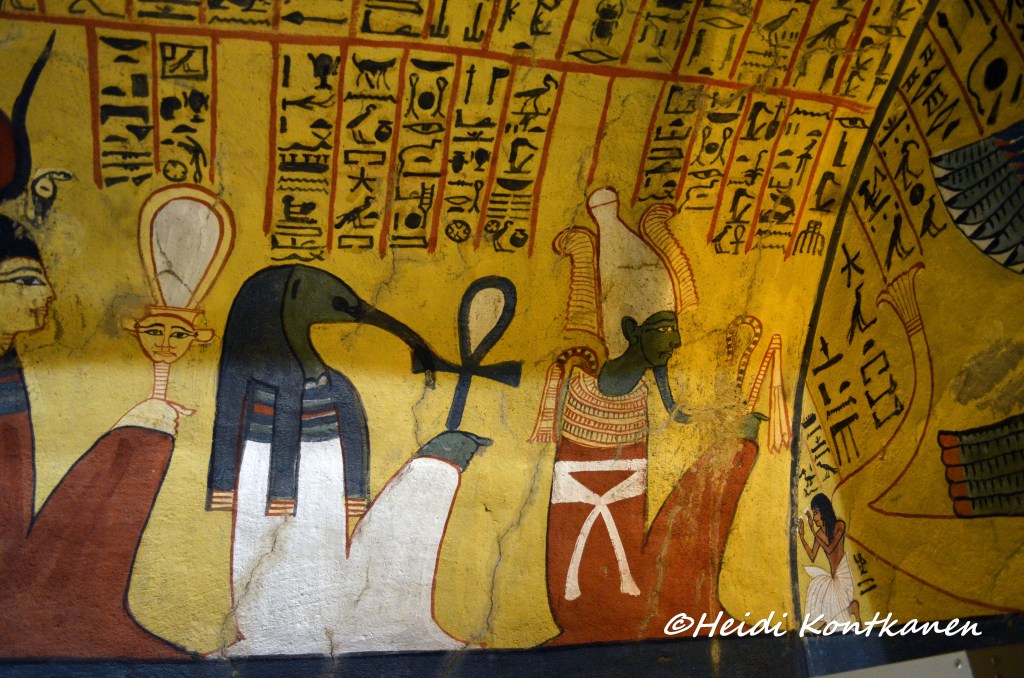
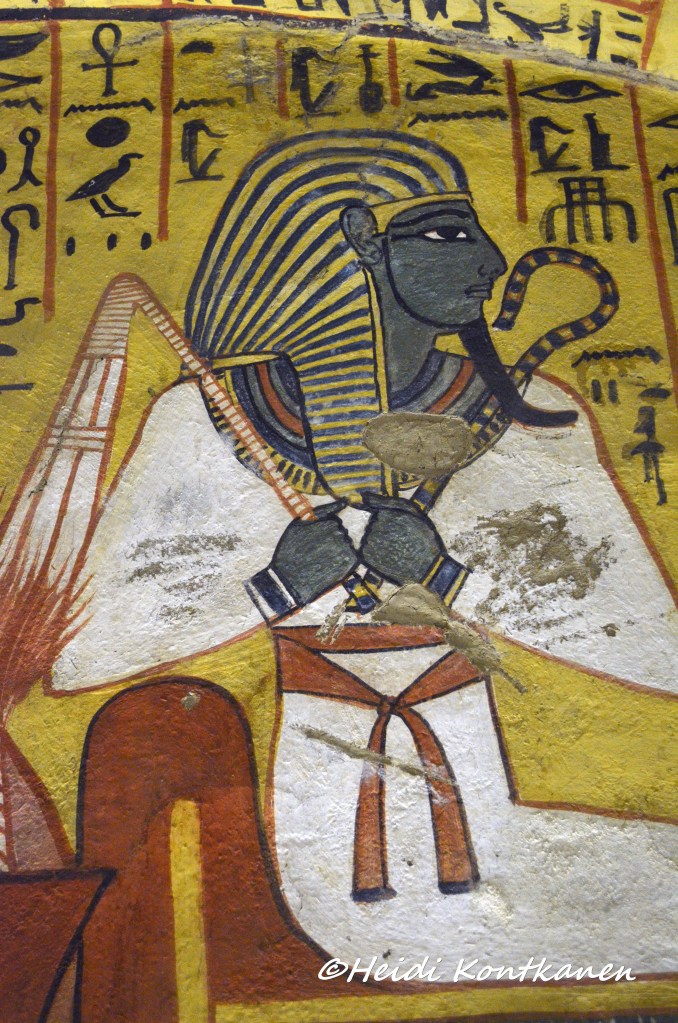

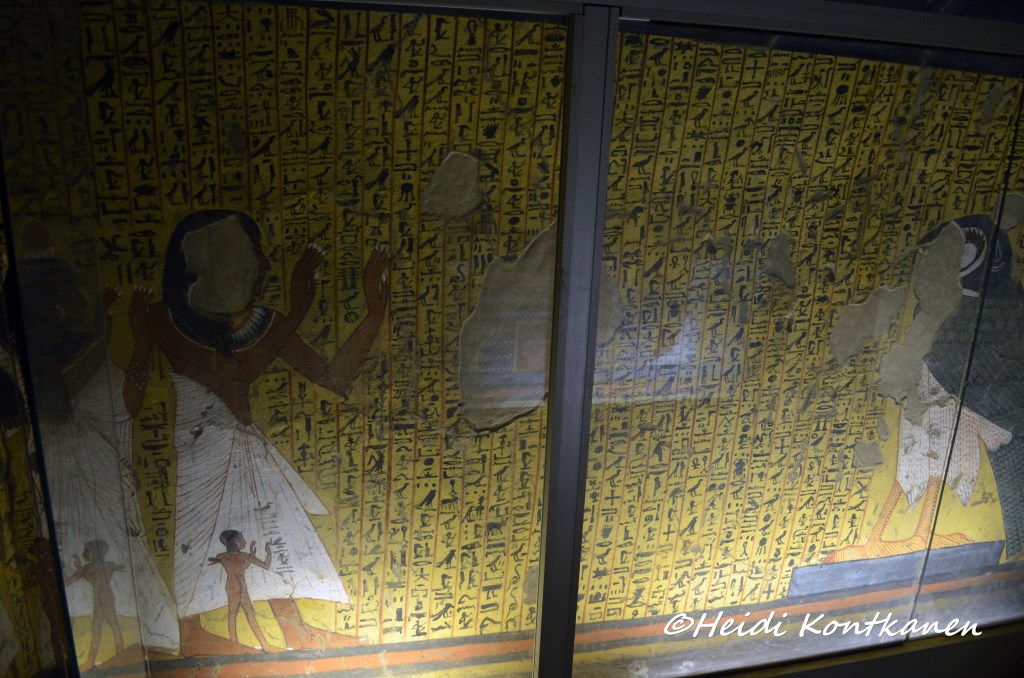
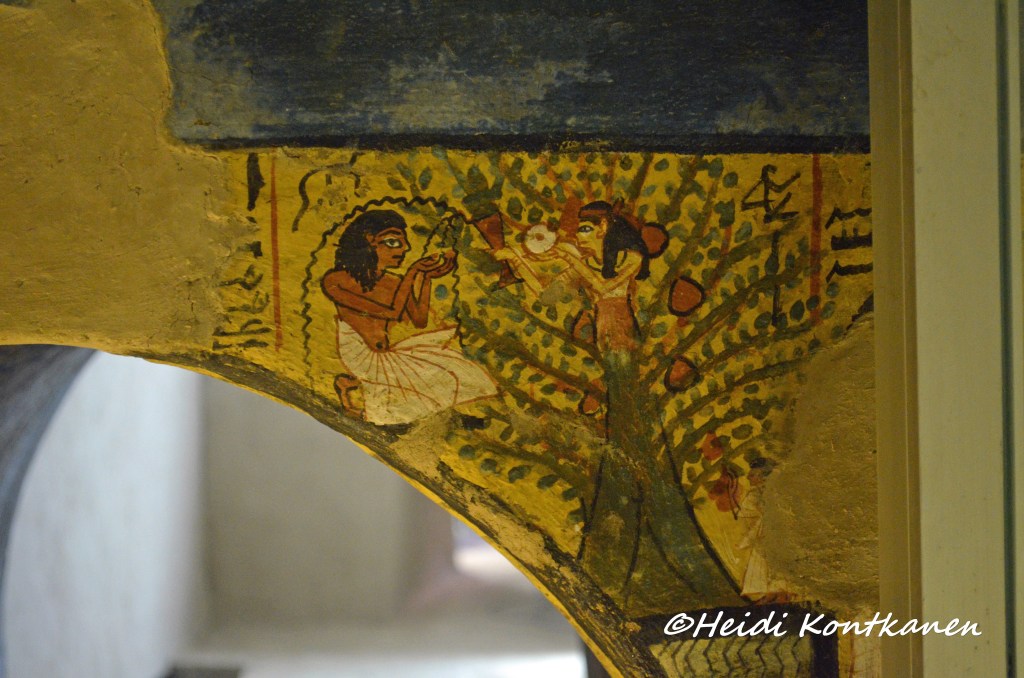
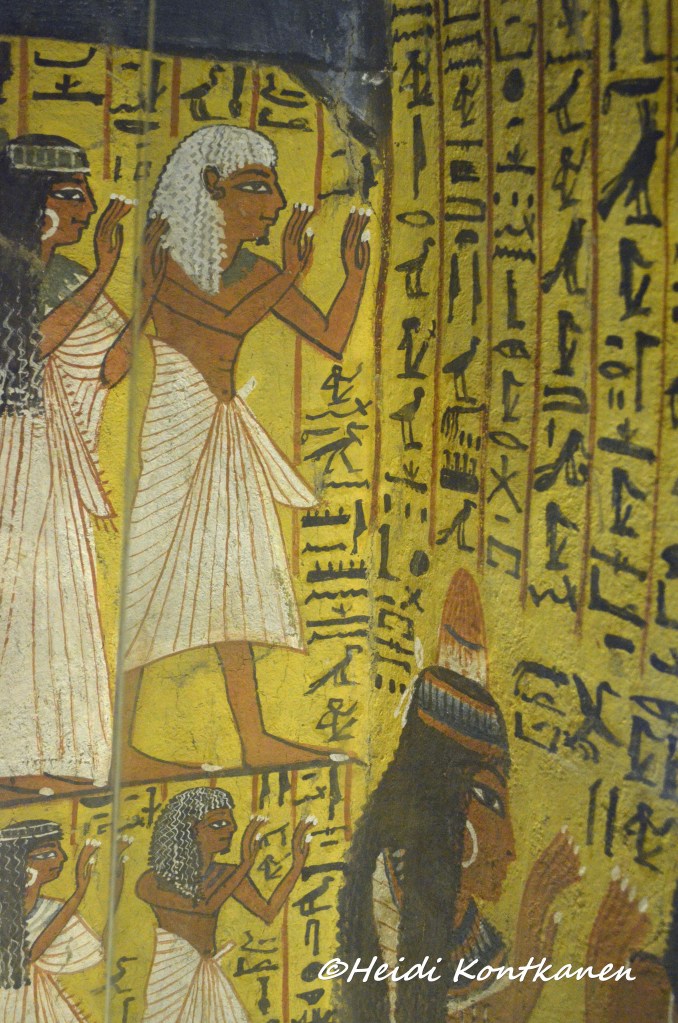
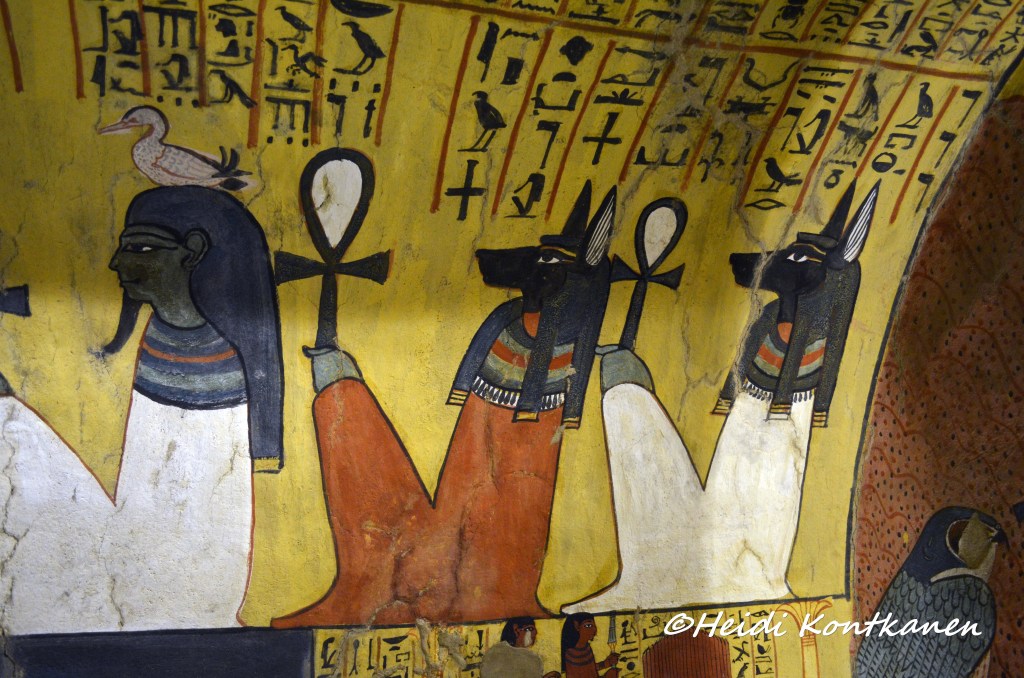
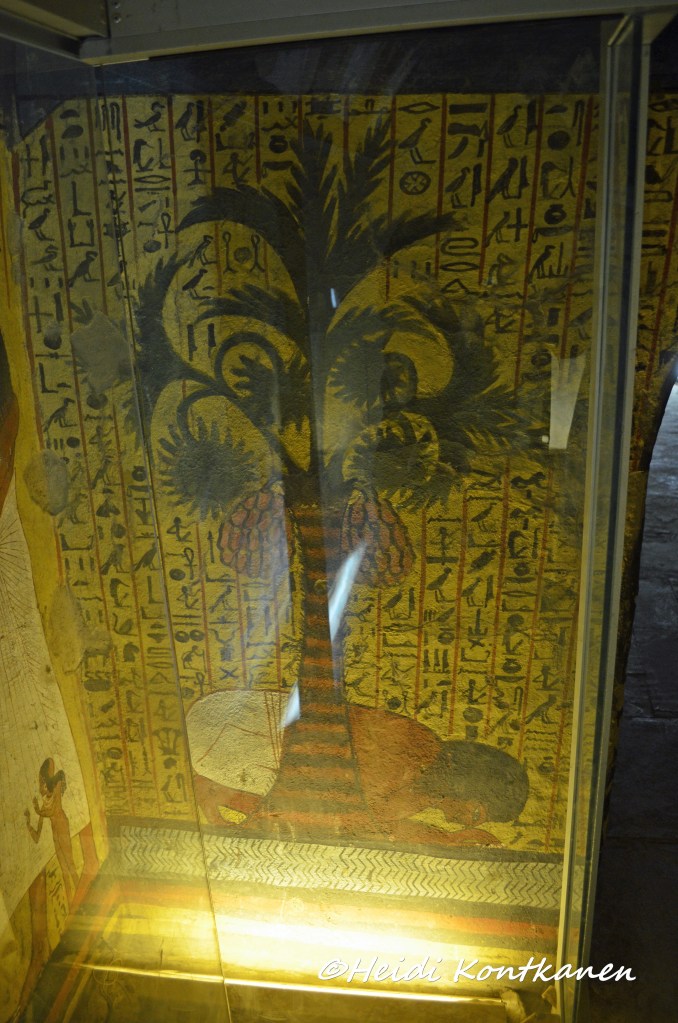
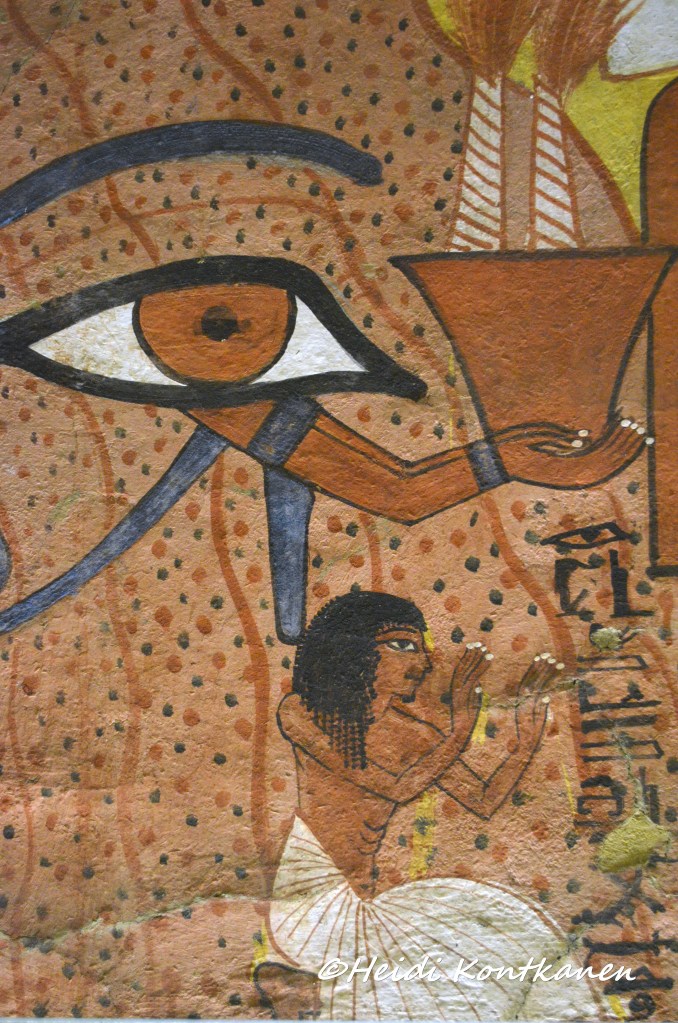
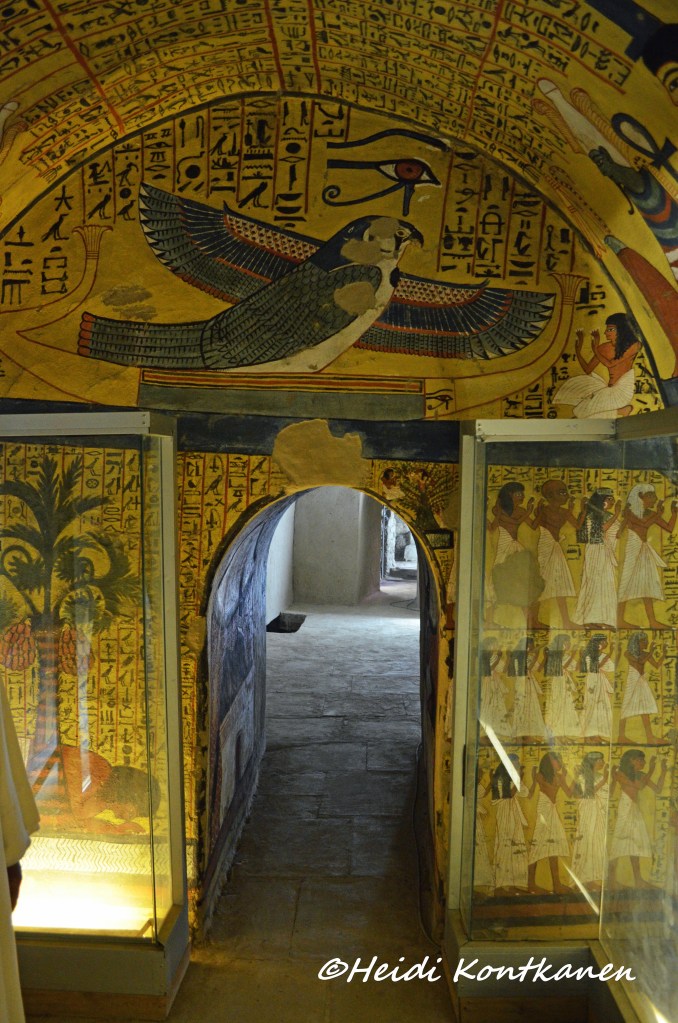
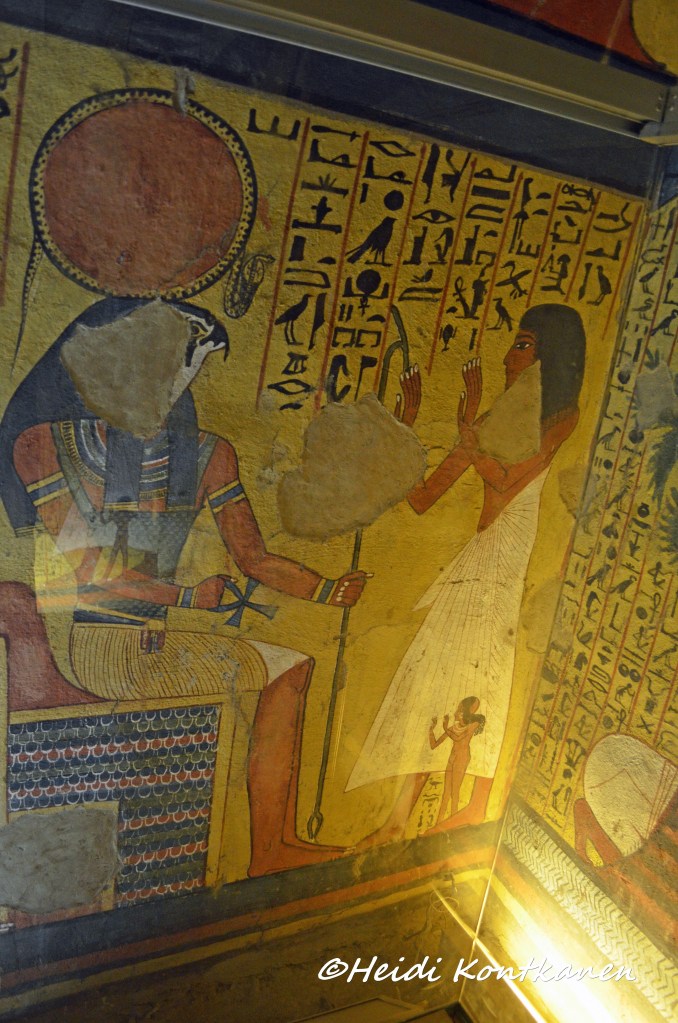
Pashedu lived in the Ancient Egypt times
in Deir el-Medina
during the 19th dynasty.
Pashedu was a son of Menna and Huy
and his wife was Nedjmet-behdet.
He worked on the excavation and decoration
of the tombs of the kings at the Valley of the Kings.
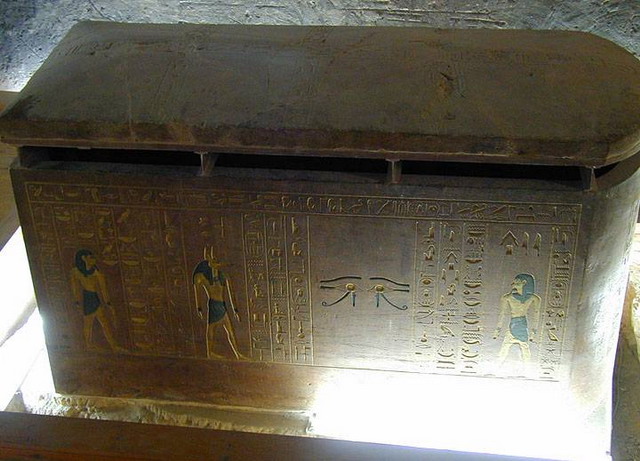
The tomb is small
but beautiful.
Saqqara
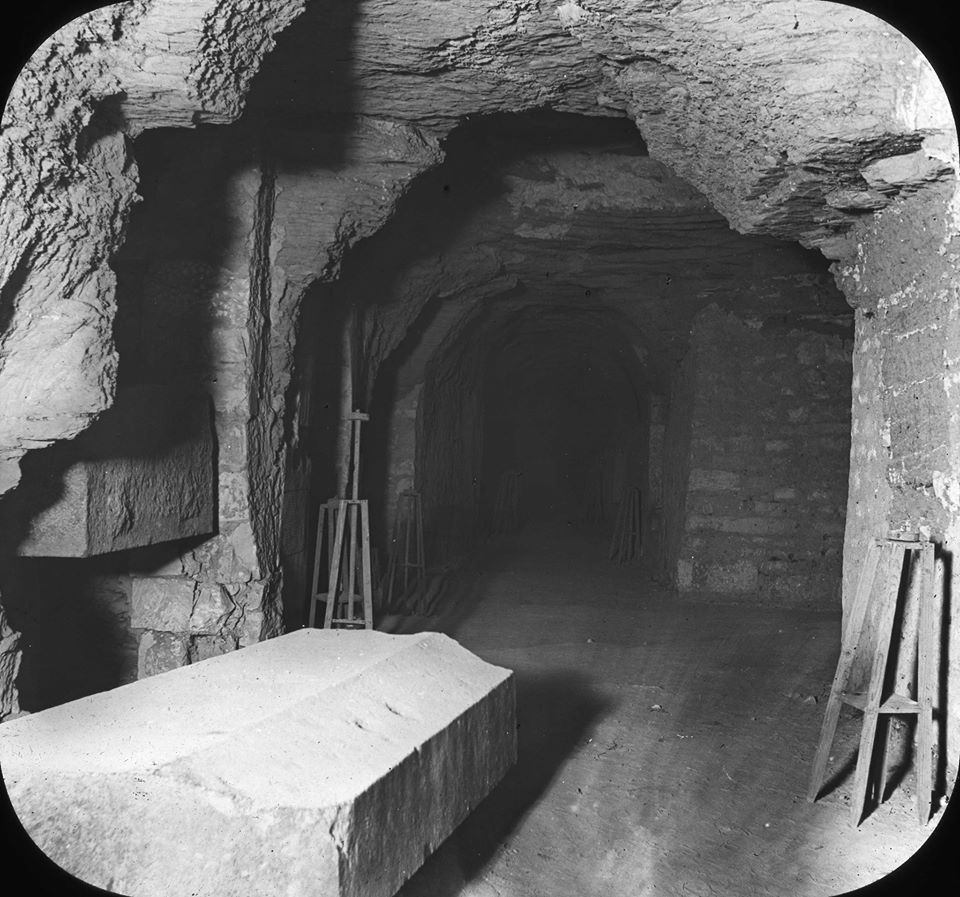
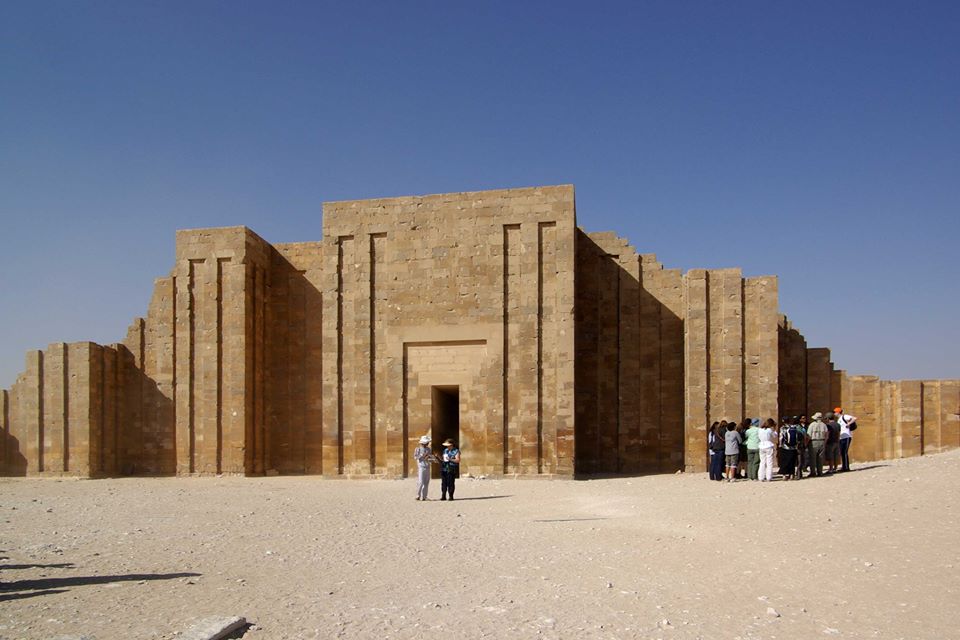
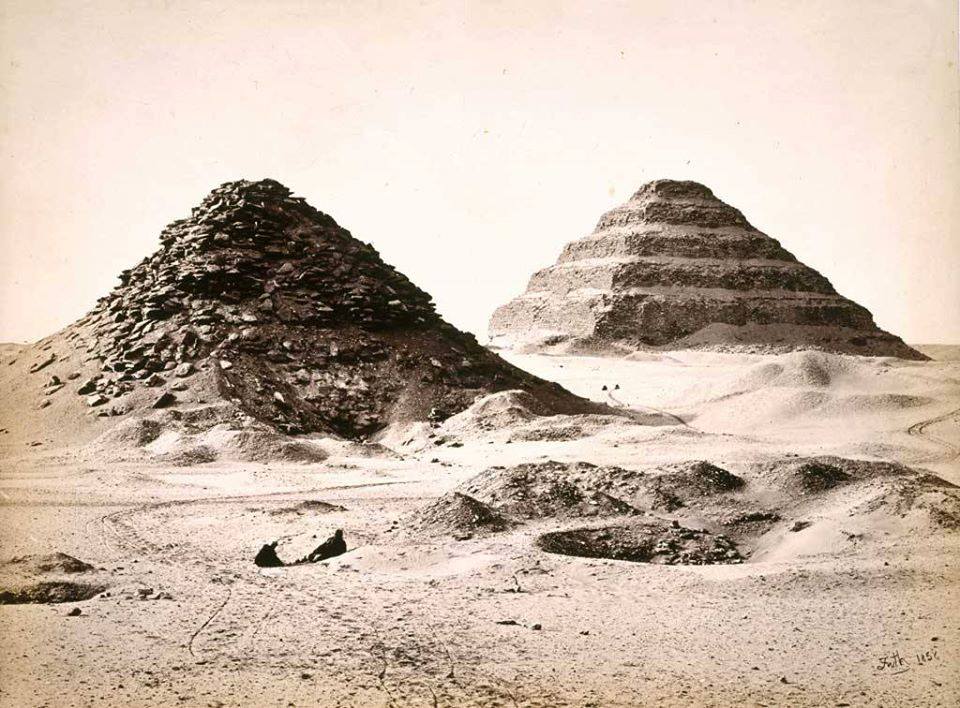
Sakkara
(disambiguation).
Saqqara
(Arabic: سقارة, Egyptian Arabic pronunciation: sɑʔˈʔɑːɾɑ),
also spelled Sakkara or Saccara in English /səˈkɑːrə/, is a vast, ancient burial ground in Egypt, serving as the necropolis for the Ancient Egyptian capital, Memphis. Saqqara features numerous pyramids, including the world famous Step pyramid of Djoser, sometimes referred to as the Step Tomb due to its rectangular base, as well as a number of mastabas (Arabic word meaning ‘bench’). Located some 30 km (19 mi) south of modern-day Cairo, Saqqara covers an area of around 7 by 1.5 km (4.35 by 0.93 mi).
At Saqqara, the oldest complete stone building complex known in history was built: Djoser’s step pyramid, built during the Third Dynasty. Another 16 Egyptian kings built pyramids at Saqqara, which are now in various states of preservation or dilapidation. High officials added private funeral monuments to this necropolis during the entire pharaonic period. It remained an important complex for non-royal burials and cult ceremonies for more than 3,000 years, well into Ptolemaic and Roman times.
North of the area known as Saqqara lies Abusir; south lies Dahshur. The area running from Giza to Dahshur has been used as a necropolis by the inhabitants of Memphis at different times, and it has been designated as a World Heritage Site by UNESCO in 1979. Some scholars believe that the name Saqqara is not derived from the ancient Egyptian funerary god Sokar, but from a supposed local Berber Tribe called Beni Saqqar.
History
Early Dynastic
The earliest burials of nobles can be traced back to the First Dynasty, at the north side of the Saqqara plateau. During this time, the royal burial ground was at Abydos. The first royal burials at Saqqara, comprising underground galleries, date to the Second Dynasty. The last Second Dynasty king Khasekhemwy was buried in his tomb at Abydos, but also built a funerary monument at Saqqara consisting of a large rectangular enclosure, known as Gisr el-Mudir. It probably inspired the monumental enclosure wall around the Step Pyramid complex. Djoser’s funerary complex, built by the royal architect Imhotep, further comprises a large number of dummy buildings and a secondary mastaba (the so-called ‘Southern Tomb’). French architect and Egyptologist Jean-Philippe Lauer spent the greater part of his life excavating and restoring Djoser’s funerary complex.
Early Dynastic monuments
tomb of king Hotepsekhemwy
tomb of king Nynetjer
Buried Pyramid, funerary complex of king Sekhemkhet
Gisr el-Mudir, funerary complex of king Khasekhemwy
Step Pyramid, funerary complex of king Djoser
Old Kingdom
Nearly all Fourth Dynasty kings chose to have a different location for their pyramids. During the second half of the Old Kingdom, under the Fifth and Sixth Dynasties, Saqqara was again the royal burial ground. The Fifth and Sixth Dynasty pyramids are not built of massive stone, but with a core consisting of rubble. They are consequently less well preserved than the world famous pyramids built by the Fourth Dynasty kings at Giza. Unas, the last ruler of the Fifth Dynasty, was the first king to adorn the chambers in his pyramid with Pyramid Texts. It was custom for courtiers during the Old Kingdom to be buried in mastaba tombs close to the pyramid of their king. Clusters of private tombs were thus formed in Saqqara around the pyramid complexes of Unas and Teti.
Old Kingdom monuments
Mastabet el-Fara’un, tomb of king Shepseskaf (Dynasty 4)
Pyramid complex of king Userkaf (Dynasty 5)
Haram el-Shawaf, pyramid complex of king Djedkare
Pyramid of king Menkauhor
Mastaba of Ti
Mastaba of the Two Brothers (Khnumhotep and Niankhkhnum)
Pyramid complex of king Unas
Mastaba of Ptahhotep
Pyramid complex of king Teti (Dynasty 6)
Mastaba of Mereruka
Mastaba of Kagemni
Mastaba of Akhethetep
Pyramid complex of king Pepi I
Pyramid complex of king Merenre
Pyramid complex of king Pepi II
Tomb of Perneb (now in the Metropolitan Museum of Art of New York)
First Intermediate Period monuments
Pyramid of king Ibi (Dynasty 8)
Middle Kingdom
From the Middle Kingdom onwards, Memphis was no longer the capital of the country, and kings built their funerary complexes elsewhere. Few private monuments from this period have been found at Saqqara.
Second Intermediate Period monuments
Pyramid of king Khendjer (Dynasty 13)
Pyramid of an unknown king
New Kingdom
During the New Kingdom Memphis was an important administrative and military centre, being the capital after the Amaran Period. From the Eighteenth Dynasty onwards many high officials built tombs at Saqqara. When still a general, Horemheb built a large tomb here, though he was later buried as Pharaoh in the Valley of the Kings at Thebes. Other important tombs belong to the vizier Aperel, the vizier Neferrenpet, the artist Thutmose and to Maia, the wet-nurse of Tutankhamun.
Many monuments from earlier periods were still standing, but dilapidated by this period. Prince Khaemweset, son of Pharaoh Ramesses II, made repairs to buildings at Saqqara. Among other things, he restored the Pyramid of Unas and added an inscription to its south face to commemorate the restoration. He enlarged the Serapeum, the burial site of the mummified Apis bulls, and was later buried in the catacombs. The Serapeum, containing one undisturbed interment of an Apis bull and the tomb of Khaemweset, were rediscovered by the French Egyptologist Auguste Mariette in 1851.
New Kingdom monuments
Several clusters of tombs of high officials, among which the tombs of Horemheb and of Maya and Merit. Reliefs and statues from these two tombs are on display in the National Museum of Antiquities at Leiden, the Netherlands, and in the British Museum, London.
After the New Kingdom
In the periods after the New Kingdom, when several cities in the Delta served as capital of Egypt, Saqqara remained in use as a burial ground for nobles. Moreover, the area became an important destination for pilgrims to a number of cult centres. Activities sprang up around the Serapeum, and extensive underground galleries were cut into the rock as burial sites for large amounts of mummified ibises, baboons, cats, dogs, and falcons.
Monuments of the Late Period, the Graeco-Roman and later periods
Several shaft tombs of officials of the Late Period
Serapeum (the larger part dating to the Ptolemaeic Period)
The so-called ‘Philosophers circle’, a monument to important Greek thinkers and poets, consisting of statues of Hesiod, Homer, Pindar, Plato, and others (Ptolemaeic)
Several Coptic monasteries, among which the Monastery of Apa Jeremias (Byzantine and Early Islamic Periods)
Site looting during 2011 protests
Saqqara and the surrounding areas of Abusir and Dahshur suffered damage by looters during the 2011 Egyptian protests. Store rooms were broken into, but the monuments were mostly unharmed.
Recent Discoveries
During routine excavations in 2011 at the dog catacomb in Saqqara necropolis, an excavation team led by Salima Ikram, and an international team of researchers led by Paul Nicholson of Cardiff University, uncovered almost eight million animal mummies at the burial site. It is thought that the mummified animals, mostly dogs, were intended to pass on prayers of their owners to their Gods.
Upper Egypt

The waters of the Nile divided Ancient Egypt into two parts: eastern and western, into the kingdom of the living and the kingdom of the dead. On the eastern bank of the Nile, the palaces of the pharaohs and huge temples were erected, glorifying the gods; pyramids, tombs and memorial temples were built on the west bank. Nowadays, Luxor is a small town on the right bank of the Nile, located 640 kilometers south of Cairo on the site of the ancient Thebes. This is one of the main archaeological centers of the world. In the world there is no other city where such a large number of ancient monuments would be concentrated. Luxor’s monuments make up almost a third of all historical relics. Here are the ruins of the majestic temple of Amun, the construction of which began under Pharaoh Amenhotep III (1455-19 BC). Construction work continued under subsequent rulers up to and including the Greco-Roman period.
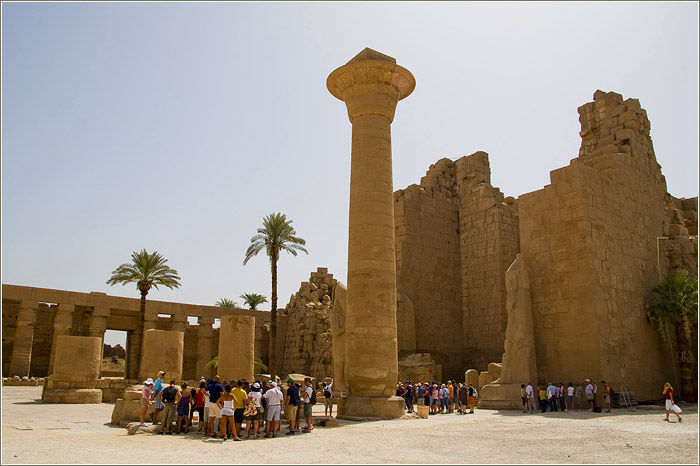
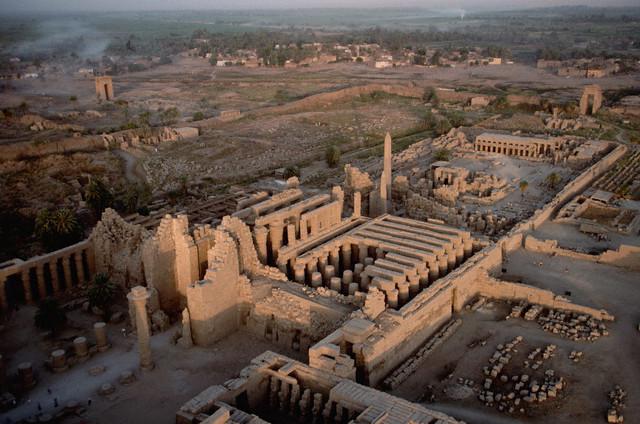
Karnak Temple, which in reality is a complex of monumental religious buildings, stretches over 80 hectares.
The temple complex of Luxor has become the main sanctuary of Ancient Egypt. . On the east bank of the Nile, in the City of the Living, the temples and palaces of Luxor and Karnak look in facades at sunrise.

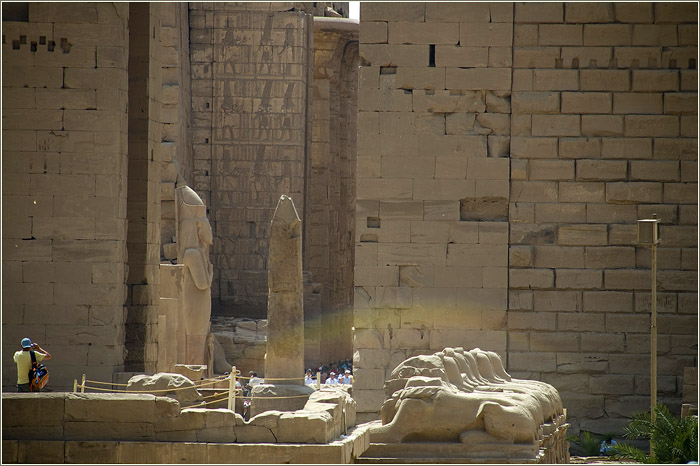
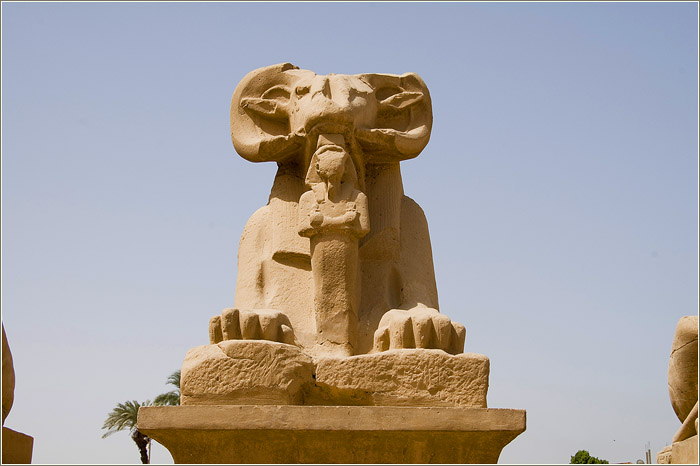
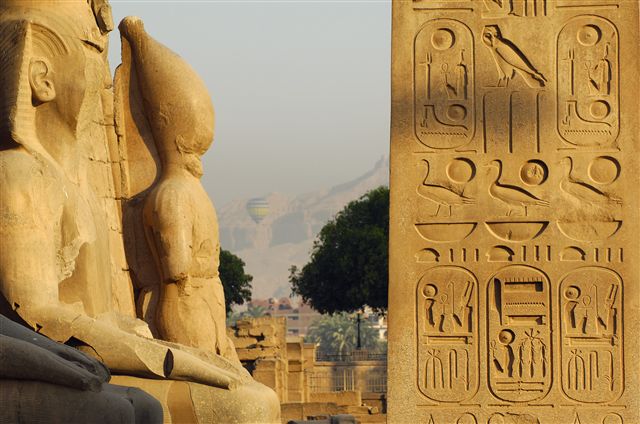
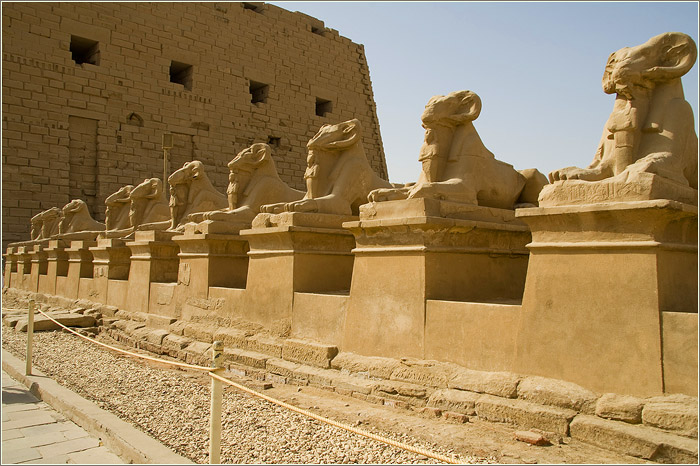
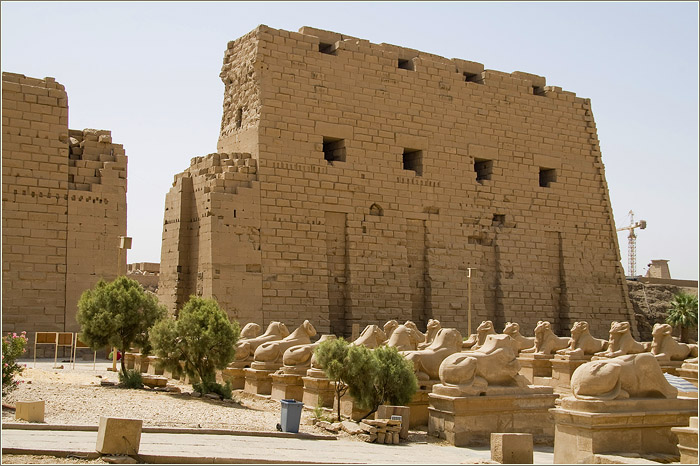
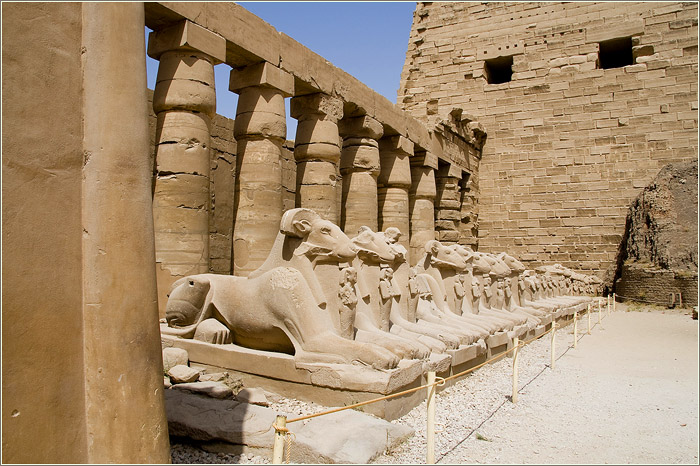
At the entrance to the temple is an avenue of sphinxes-rams. Baran is one of the incarnations of the god Amun, to whom the Karnak temple complex is dedicated.
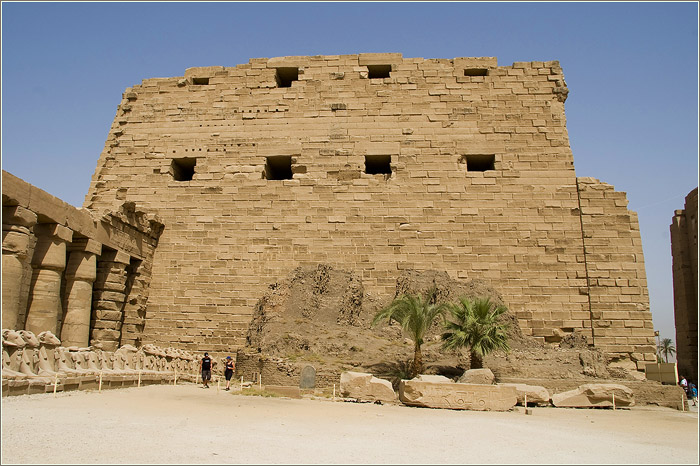
Passing along the avenue of sphinxes and bypassing the powerful pylon, we get to the territory of the temple.
On the right hand from the entrance is another row of sphinxes – rams.
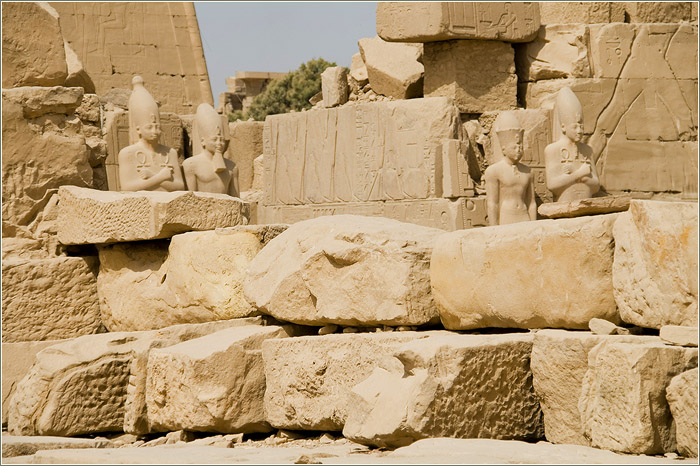
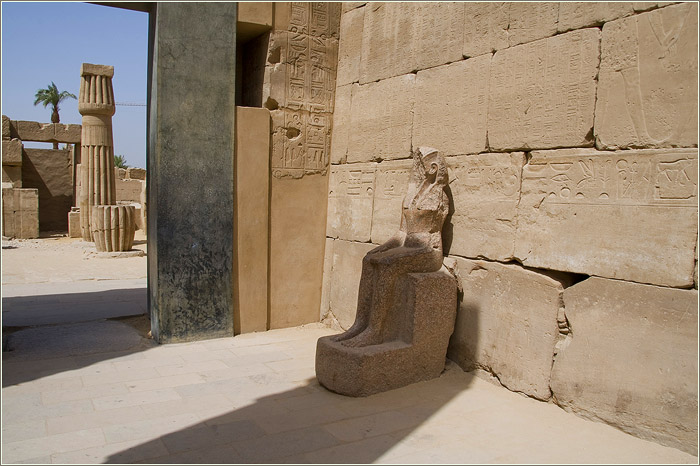
And under each – a small statue of Pharaoh, as if Pharaoh – under the protection of the god Amon.
A number of rams continue to the temple of Ramses II.
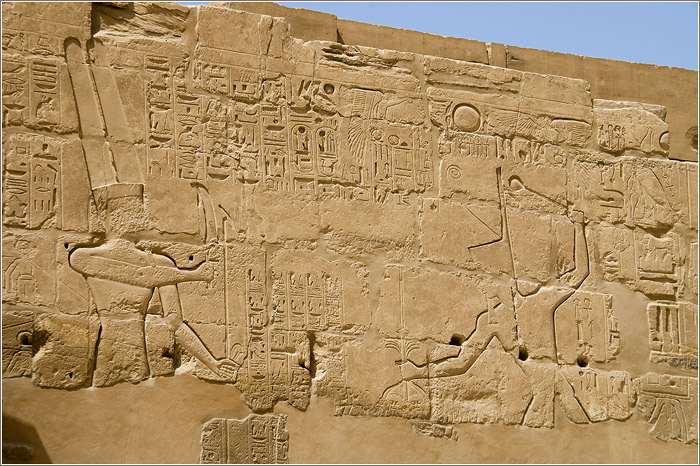
And on the wall are the remains of a bas-relief – as with the blessing of God, Pharaoh punishes the enemies of Egypt.
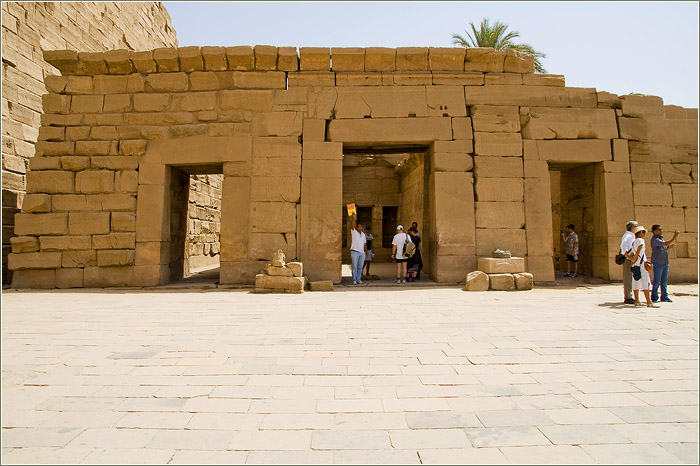
To the left of the entrance is the chapel of Seti II. It has three entrances to three sanctuaries – to the gods Amon, his wife Mut and son Khons.
In the center are the remains of a once existing colonnade.
This is what remains of one of the sanctuaries.
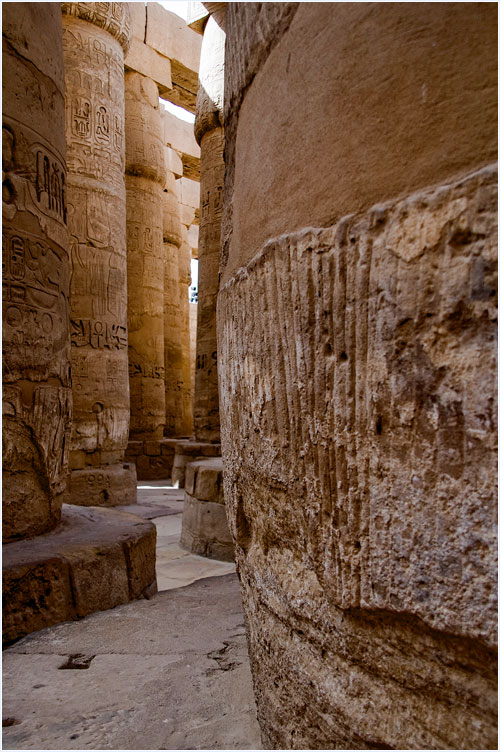
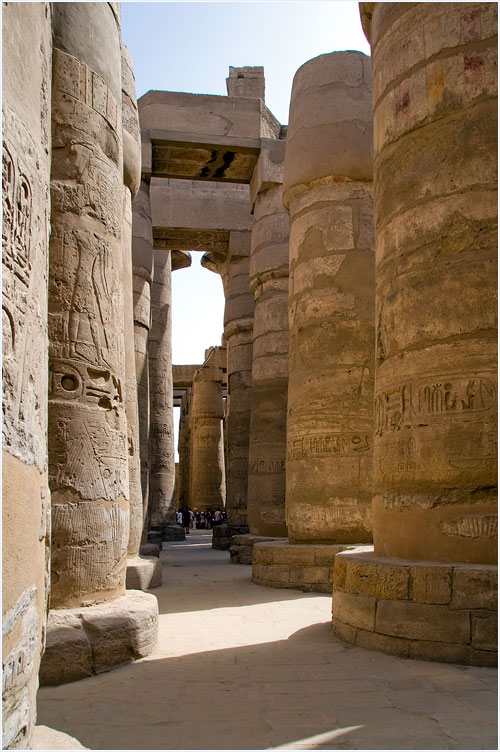
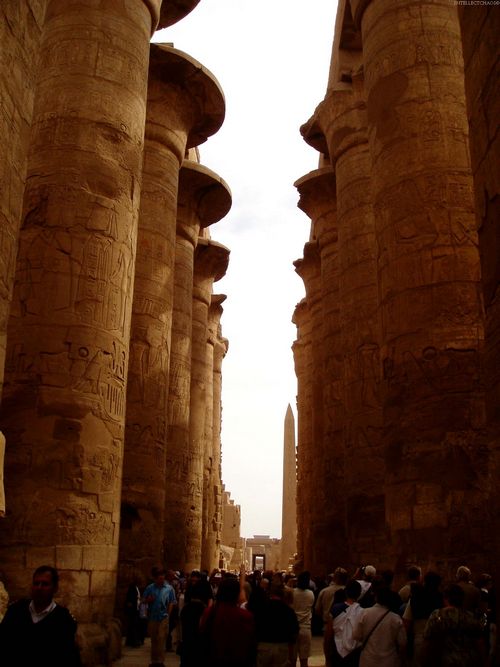
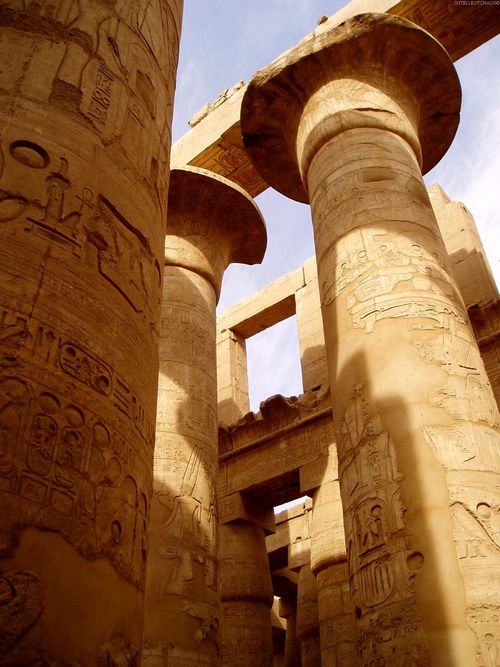
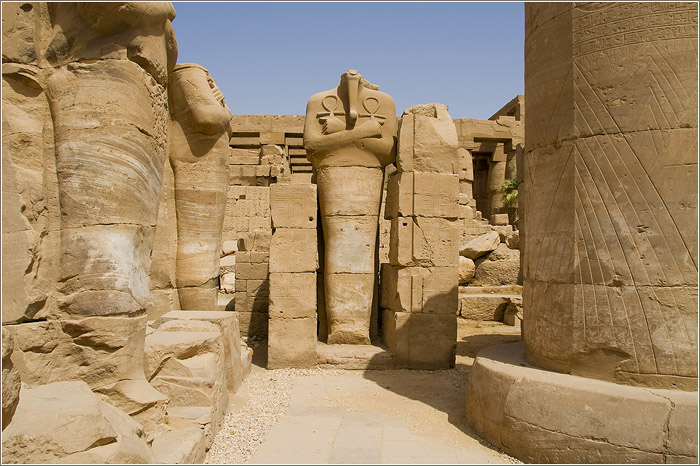
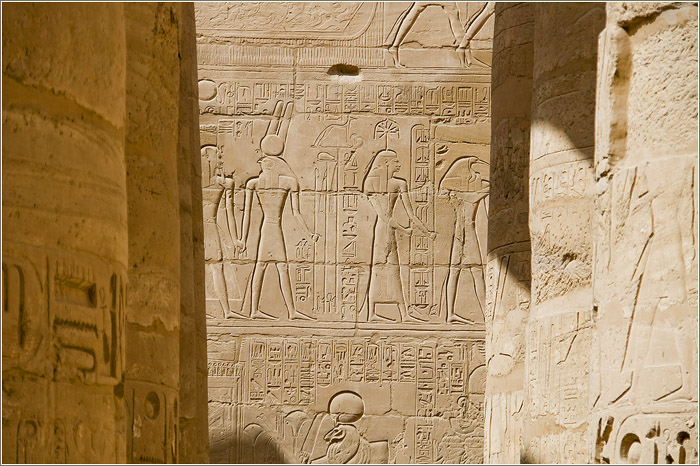
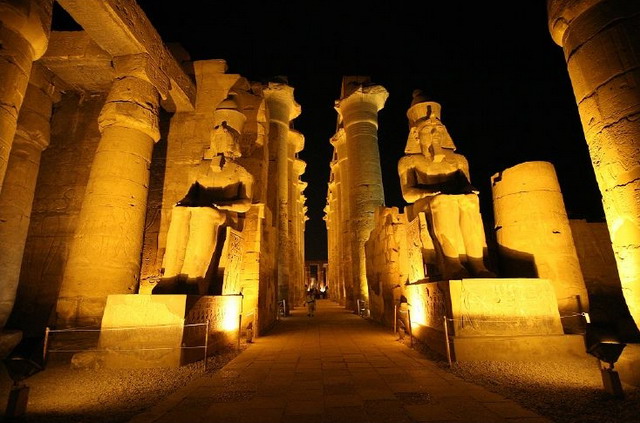
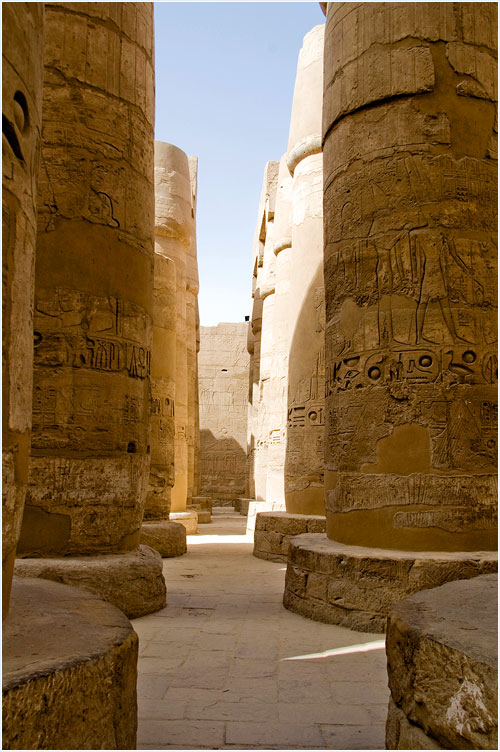
Following is a powerful columned hall.
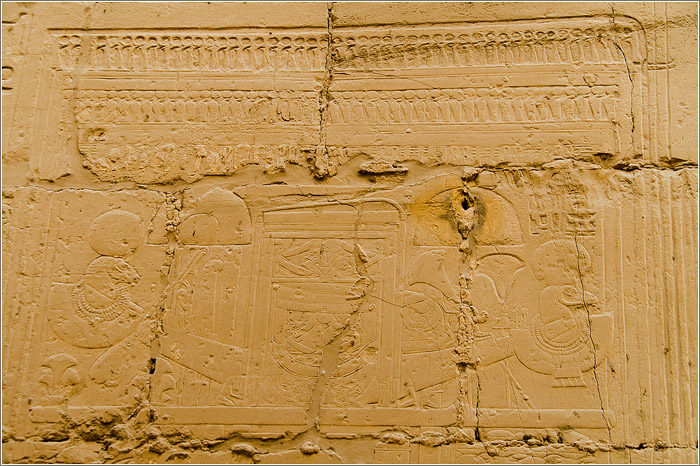
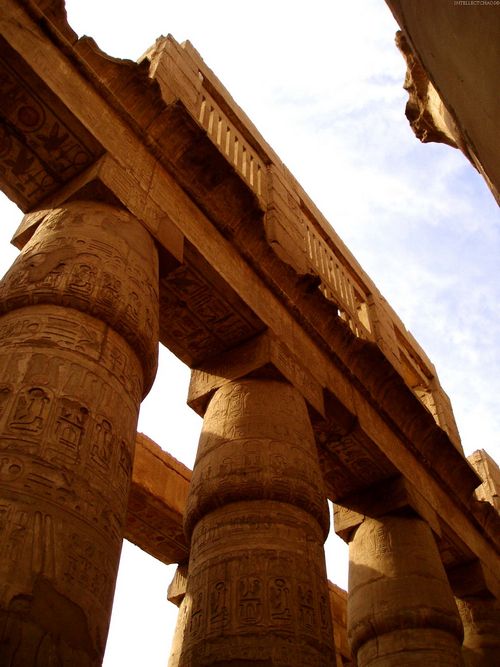
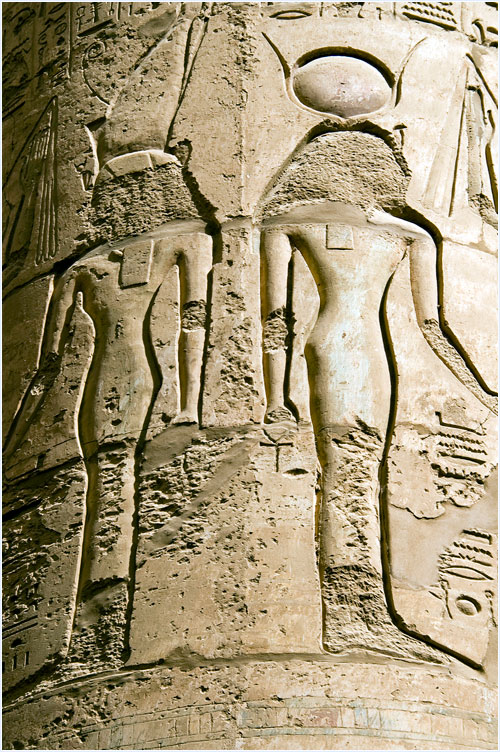
Previously, there was a roof over the columns, but after the collapse of the temple and the earthquake of 27 BC, the roof collapsed and now the columns support only the sky. The central 12 columns are 23 meters high. The rest are slightly lower. The columns are covered with bas-reliefs with historical and mythical stories about the life and exploits of the pharaohs.
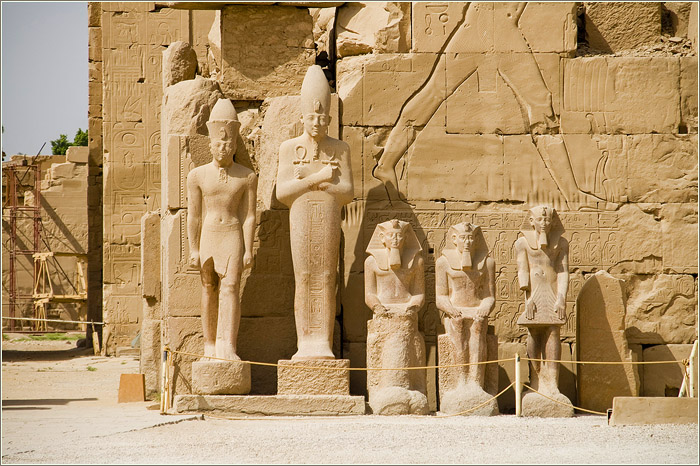
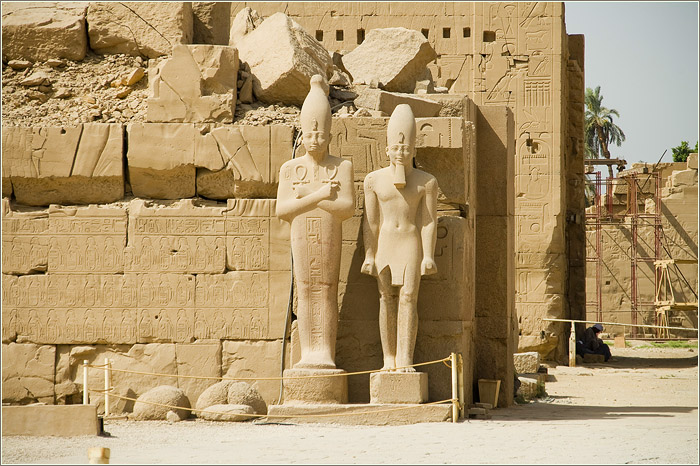
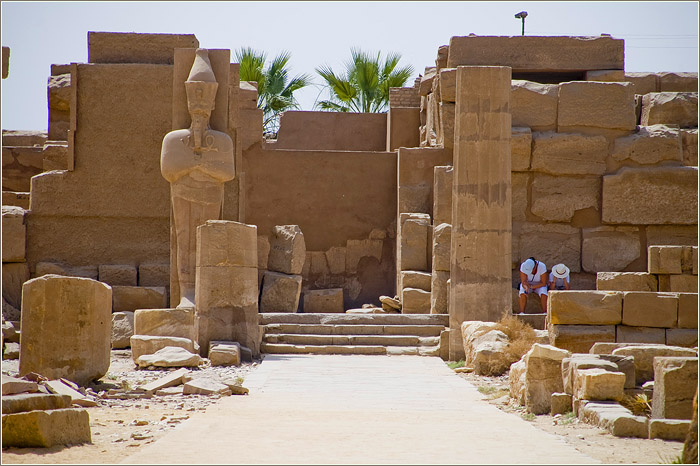
Leaving the columned hall in one of the aisles, we pass the following halls and get to the pylon, which has a whole group of statues of the pharaohs.
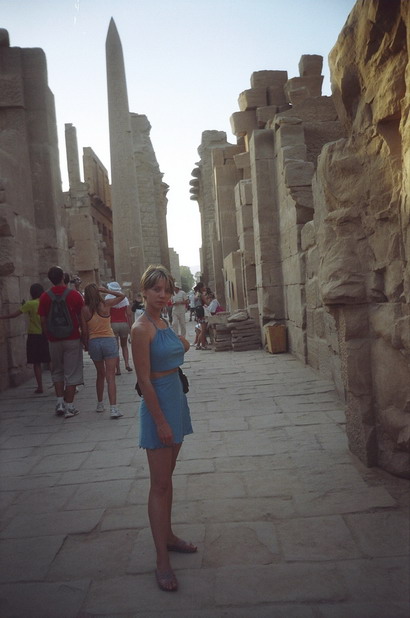
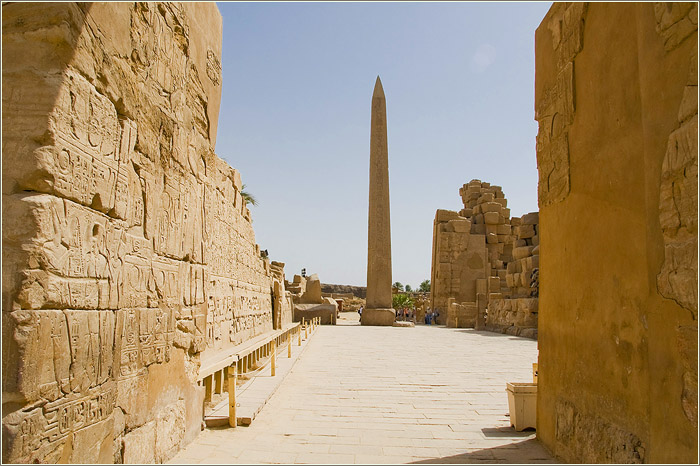
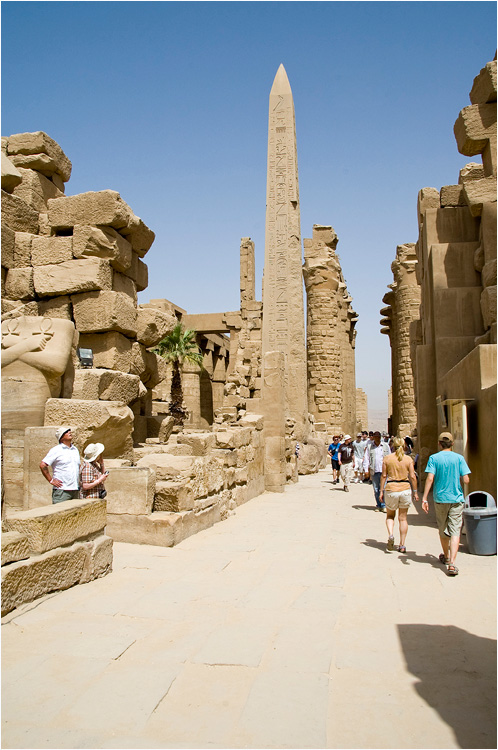
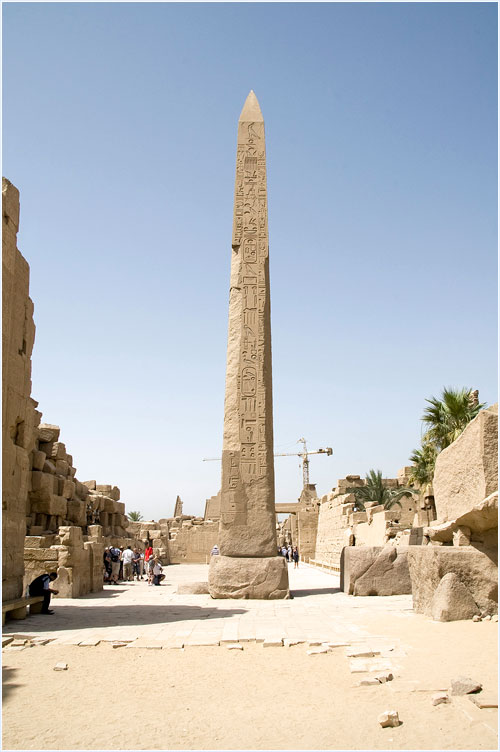
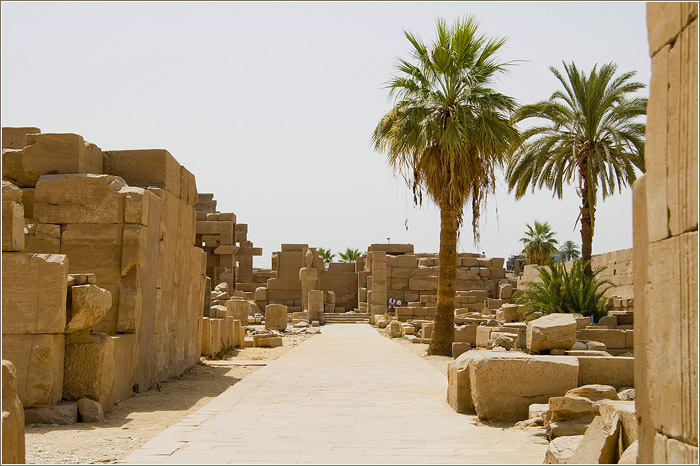
In general, dilapidated walls are a kind of maze. Then suddenly in the passage opens a view of the obelisk
Then the familiar heads of the pharaohs will reappear.
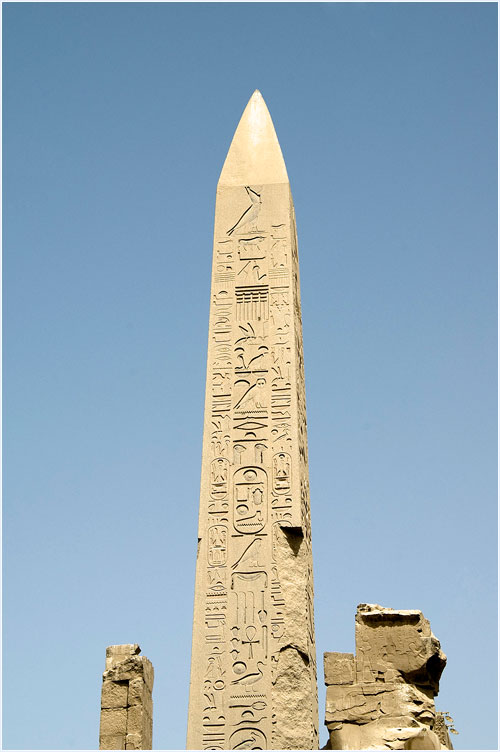
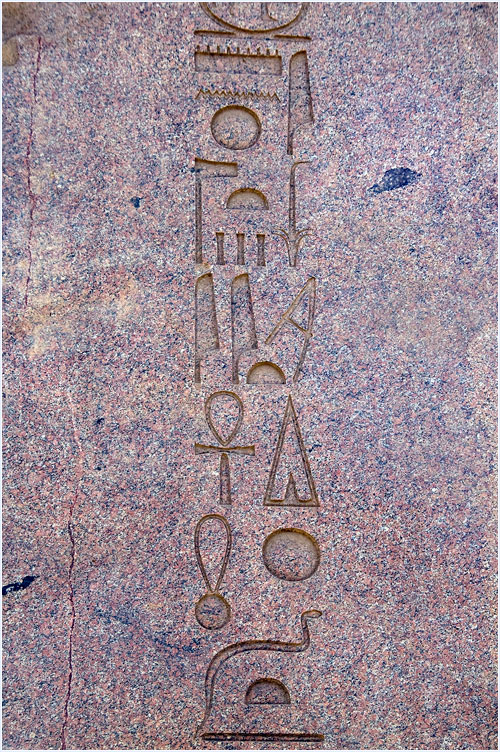
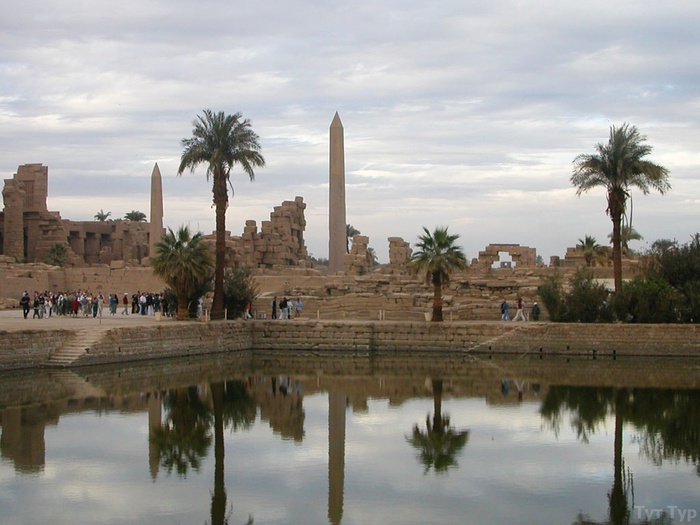
The verticals of the Karnak Temple are obelisks. One of them was installed by Queen Hatshepsut, a female pharaoh.
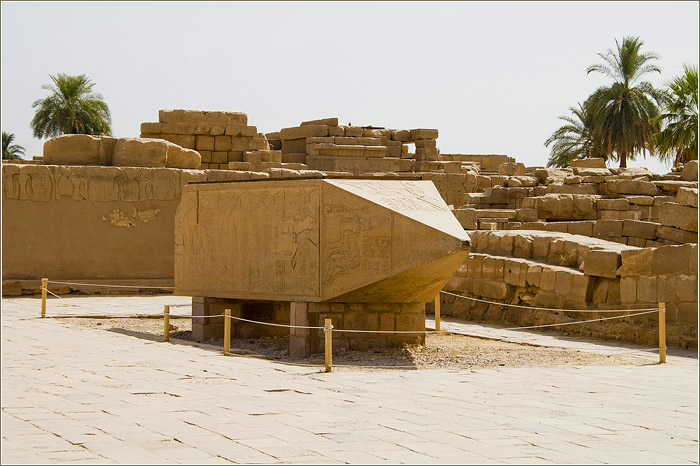
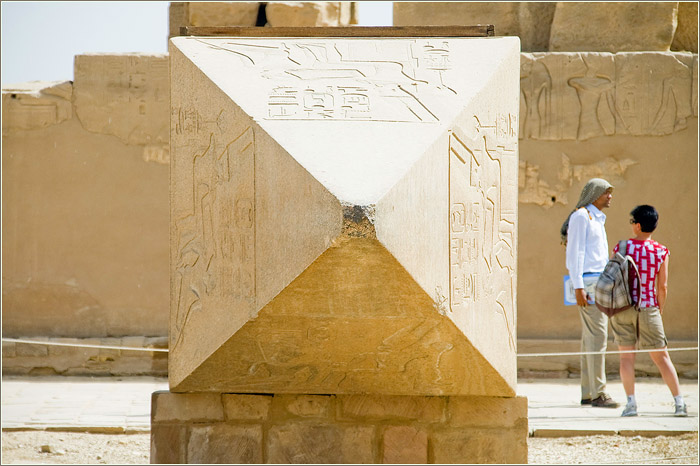
From another obelisk erected by Hatshepsut, only the top was left lying on the ground.
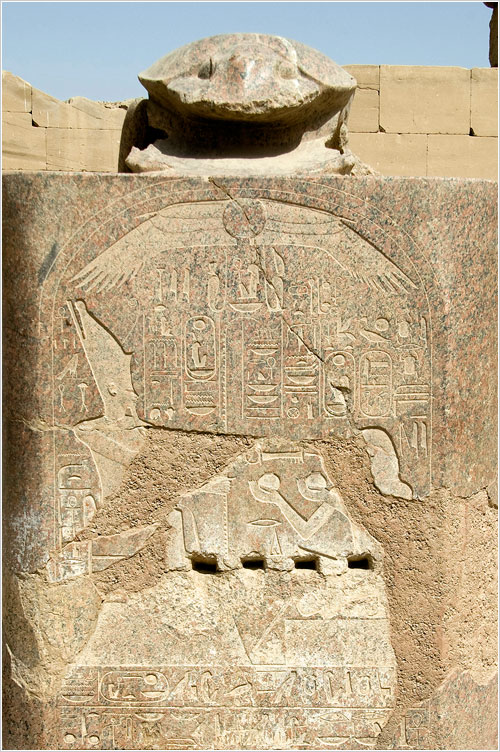
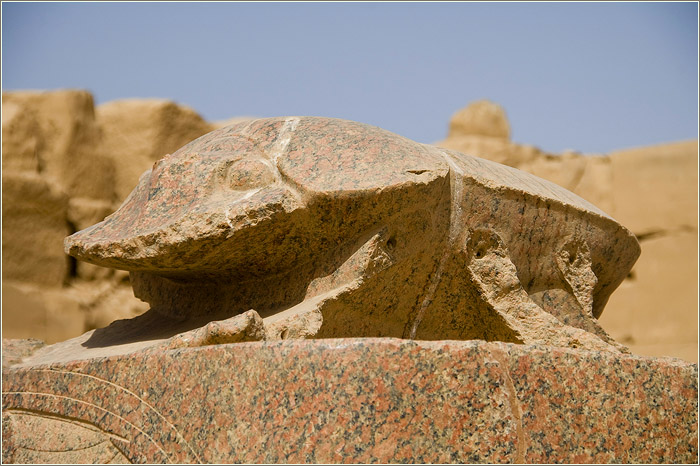
And next – a large scarab beetle on a pedestal.
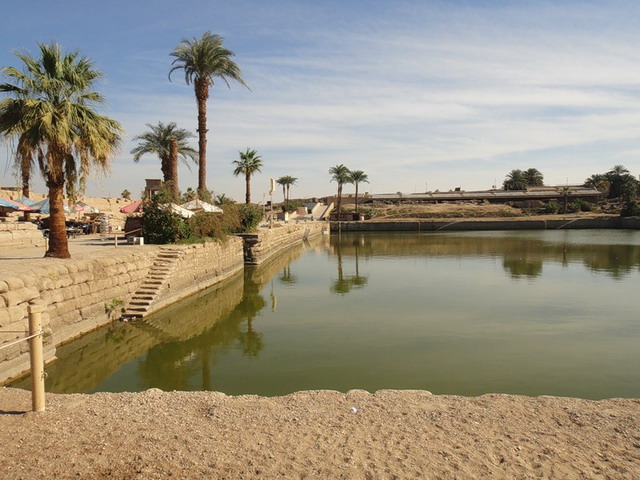
The beetle was the epitome of rebirth. It was believed that it was he who was rolling the sun at sunrise. And he himself is constantly reborn, appearing from a ball that he rolls himself. It stands almost on the shore of the sacred lake.
Priests washed themselves in the waters of this lake before performing rituals. The scarab beetle was established by Amenhotep III. The Egyptians believe that if you walk around this statue seven times and touch it with your hand, then your wish will come true.
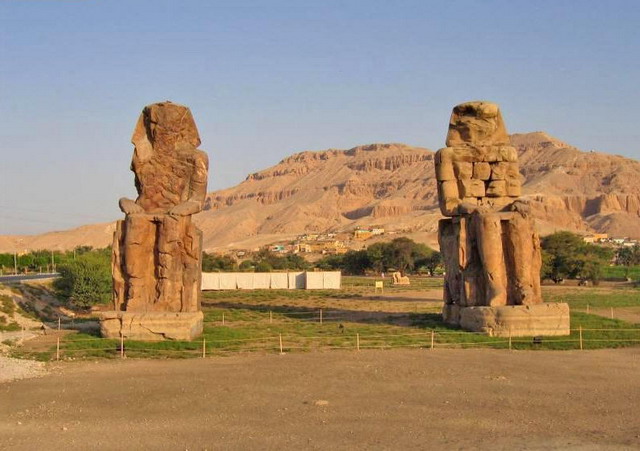
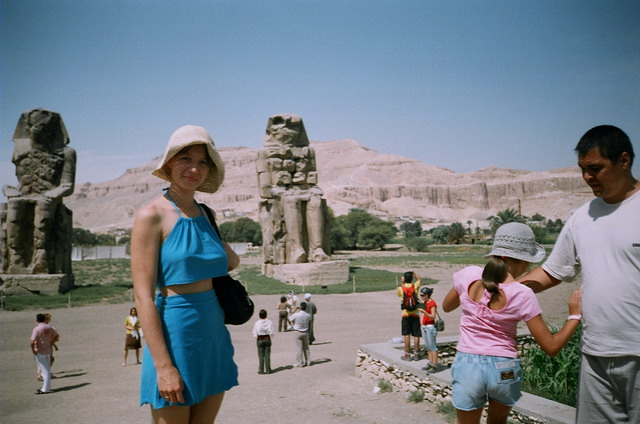
Colossi of Memnon are huge twenty-meter statues that will be the first to meet on your way if you decide to visit the “city of the dead.” Once upon a time, these gigantic giants were called upon to guard the memorial Temple of Amenhotep III, which, unfortunately, was destroyed to its very foundations. Their height is 21.5 meters, and they depict the seated Amenhotep III, who during his lifetime was the embodiment of God on earth. The statues themselves are made of monolithic blocks of sandstone, which was completely unknown delivered from the quarries of Memphis, located 700 km from Luxor.
Memnon olosses are the only surviving objects of this temple complex, which at one time was the largest and most pompous in Egypt. Scientists suggest that the memorial temple was destroyed due to the frequent spills of the Nile, and its remains were dismantled in stone blocks and used for other architectural structures
According to historical documents, from 27 BC in the works of Roman and Greek authors found information that in the morning one of the statues made a strange lingering sound, reminiscent of a moan. Superstitious Egyptians believed that these were the lost souls of the ancient pharaohs, but scientists suggest that this was due to temperature changes.
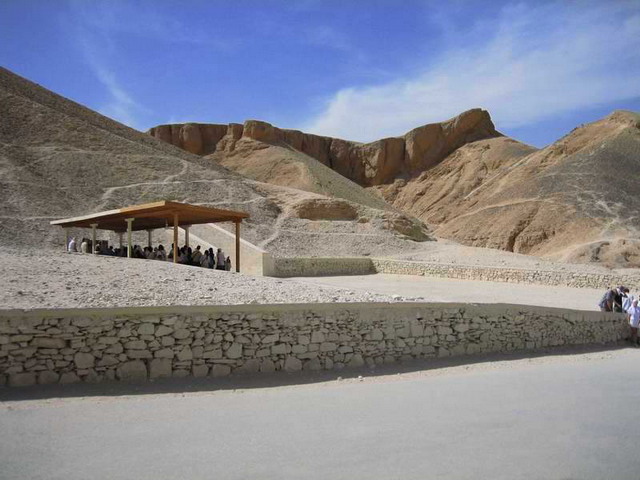
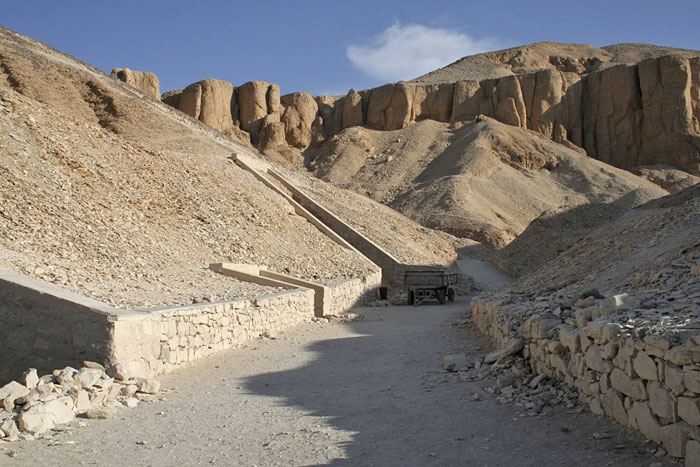
The Valley of the Kings is a fairly large space surrounded by mountains and, according to its archaeological significance, is one of the most prominent places on Earth, since numerous tombs of the rulers of Ancient Egypt were found here.
In ancient Egypt, a mystical culture was widely spread about the transition of the soul to the afterlife. In order to achieve this afterlife, the physical body must be carefully preserved and rich tombs were built for those who could afford the privilege of helping the spirit go to hell. Most kings were buried in the Valley of the Kings.
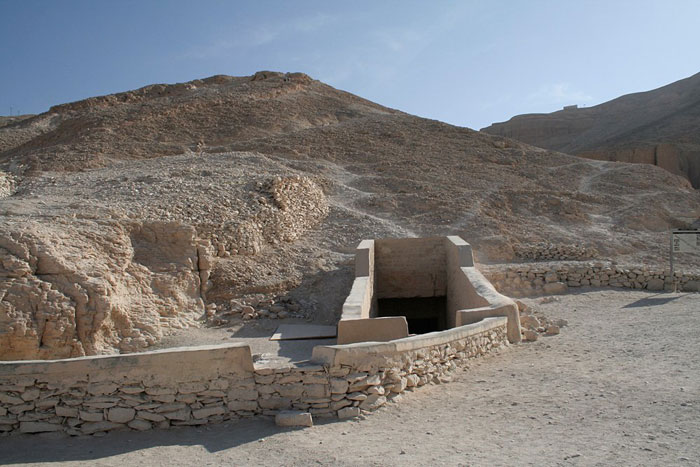
Located on the west bank of the Nile opposite the city of Thebes (present-day Luxor), the Valley of the Kings was used as a royal tomb for 500 years, from about the 16th to the 11th centuries BC. At least 63 tombs of the pharaohs and queens are in the Valley of the Kings. The tombs are carved in the rock, often have an inclined entrance tunnel up to 200 m long, extending down to a depth of 100 m and ending in several rooms. The interiors are a great example of the architecture of ancient Egypt in a pyramidal shape. The paintings and bas-reliefs adorning the walls of the tombs tell about the life and deeds of the deceased. On the surface, these tombs are barely visible. You can’t take pictures inside.
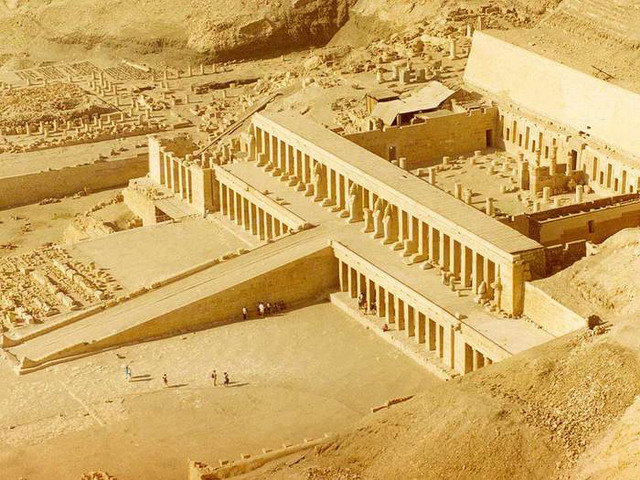
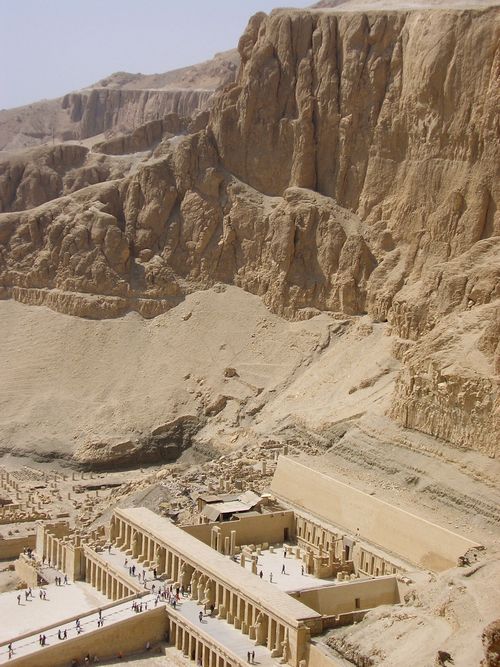
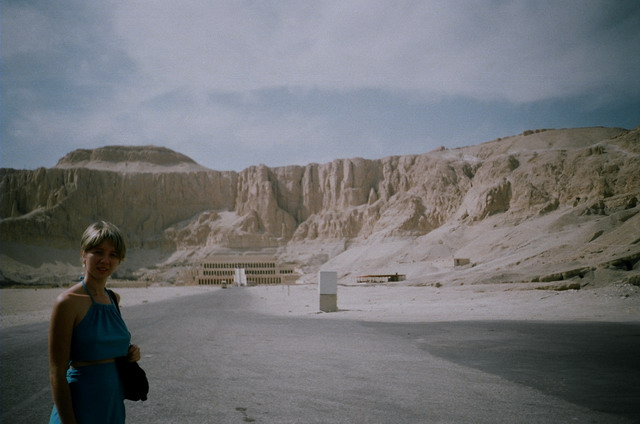
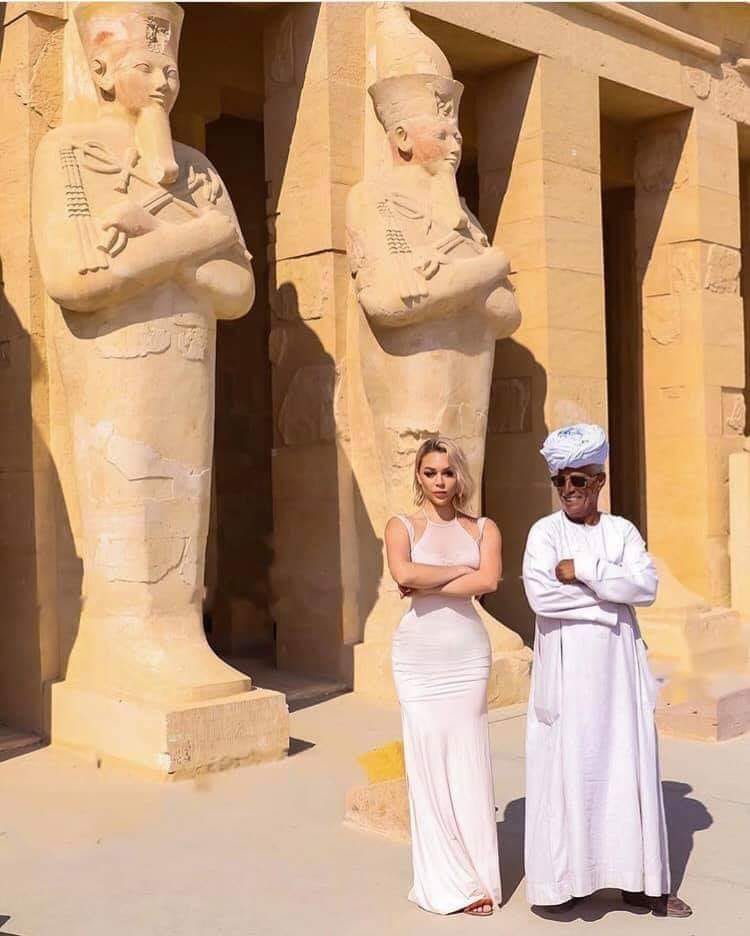
The enormous temple of Queen Hatshepsut in Deir al-Bahri is half immersed in the cliffs of the western bank of the Nile River – the Land of the Dead.
She was a beauty. The daughter of Pharaoh Thutmose I, one of the most influential people in Upper and Lower Egypt. But she did not have children, and therefore, after the death of her husband, Pharaoh Thutmose II, Queen Hatshepsut took power in her hands – despite the fact that by law the throne belonged to the king’s son, the offspring of another woman. For almost 20 years, Hatshepsut ruled Egypt, but the son of her late husband, Pharaoh Thutmose III, erased most of the traces of her reign and references to her. But even the remains of the Hatshepsut funerary temple make a strong impression.
The temple sanctuary is carved into the rock, the ground premises consist of three large-scale terraces, on which in ancient times grew gardens and glistened waters of artificial ponds. The terraces were connected by stairs, on the lower terrace there was a portico of 22 columns decorated with relief images, huge Hatshepsut figures stood in the courtyard, and a stone wall with images of falcons (symbols of Lower Egypt) with attributes of imperial authority surrounded the terrace. In ancient times, a road led to the temple, on the sides of which sphinxes with heads of Hatshepsut in the image of the god Osiris sat.
The entrance to the Hatshepsut Sanctuary is on the upper terrace. Once there were massive statues of Hatshepsut and huge stone columns
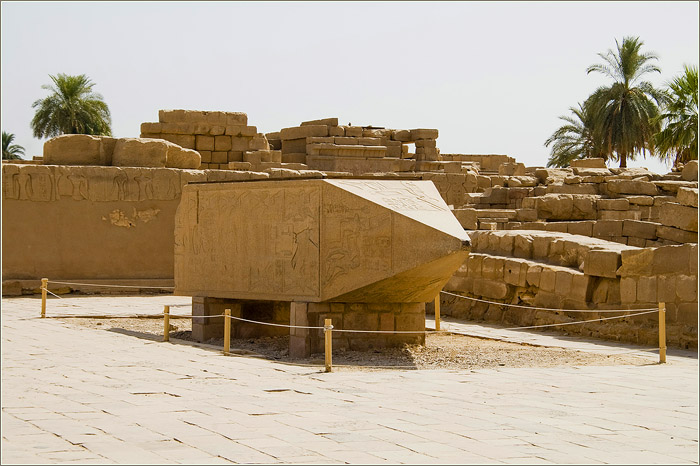
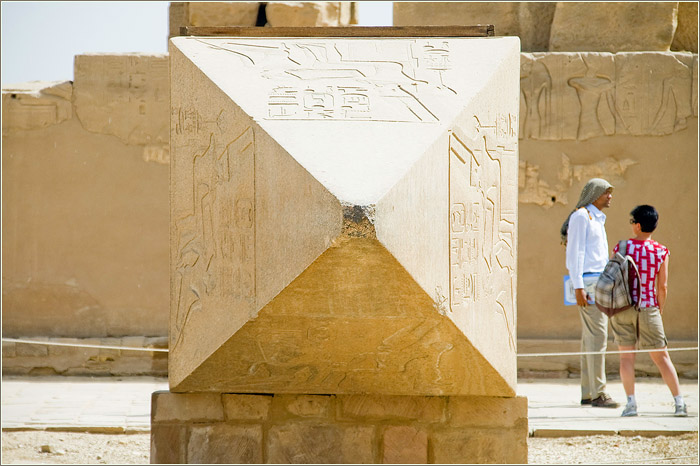
The Queen’s Sanctuary was considered one of the most luxurious in ancient Egypt. The floor was lined with plates of gold and silver, the walls of the main hall were made of copper, covered with an alloy of gold and silver, the doors were made of cedar. The vaults of the halls of the sanctuary were painted, and in the halls themselves there were more than 200 sculptures, including a huge marble statue of Hatshepsut. Most of the sculptures were broken and buried next to the temple on the orders of Pharaoh Thutmose III. Statues, images and references to Queen Hatshepsut were destroyed everywhere, throughout Upper and Lower Egypt. The temple itself was truly a miracle of engineering thought by the ancient Egyptians. If, for example, move away, then the stairs are not visible. Everything seems to be a solid wall.





My First Blog Post
Be yourself; Everyone else is already taken.
— Oscar Wilde.
This is the first post on my new blog. I’m just getting this new blog going, so stay tuned for more. Subscribe below to get notified when I post new updates.
Introduce Yourself (Example Post)
This is an example post, originally published as part of Blogging University. Enroll in one of our ten programs, and start your blog right.
You’re going to publish a post today. Don’t worry about how your blog looks. Don’t worry if you haven’t given it a name yet, or you’re feeling overwhelmed. Just click the “New Post” button, and tell us why you’re here.
Why do this?
- Because it gives new readers context. What are you about? Why should they read your blog?
- Because it will help you focus you own ideas about your blog and what you’d like to do with it.
The post can be short or long, a personal intro to your life or a bloggy mission statement, a manifesto for the future or a simple outline of your the types of things you hope to publish.
To help you get started, here are a few questions:
- Why are you blogging publicly, rather than keeping a personal journal?
- What topics do you think you’ll write about?
- Who would you love to connect with via your blog?
- If you blog successfully throughout the next year, what would you hope to have accomplished?
You’re not locked into any of this; one of the wonderful things about blogs is how they constantly evolve as we learn, grow, and interact with one another — but it’s good to know where and why you started, and articulating your goals may just give you a few other post ideas.
Can’t think how to get started? Just write the first thing that pops into your head. Anne Lamott, author of a book on writing we love, says that you need to give yourself permission to write a “crappy first draft”. Anne makes a great point — just start writing, and worry about editing it later.
When you’re ready to publish, give your post three to five tags that describe your blog’s focus — writing, photography, fiction, parenting, food, cars, movies, sports, whatever. These tags will help others who care about your topics find you in the Reader. Make sure one of the tags is “zerotohero,” so other new bloggers can find you, too.
 khaled gamelyanl blogger