

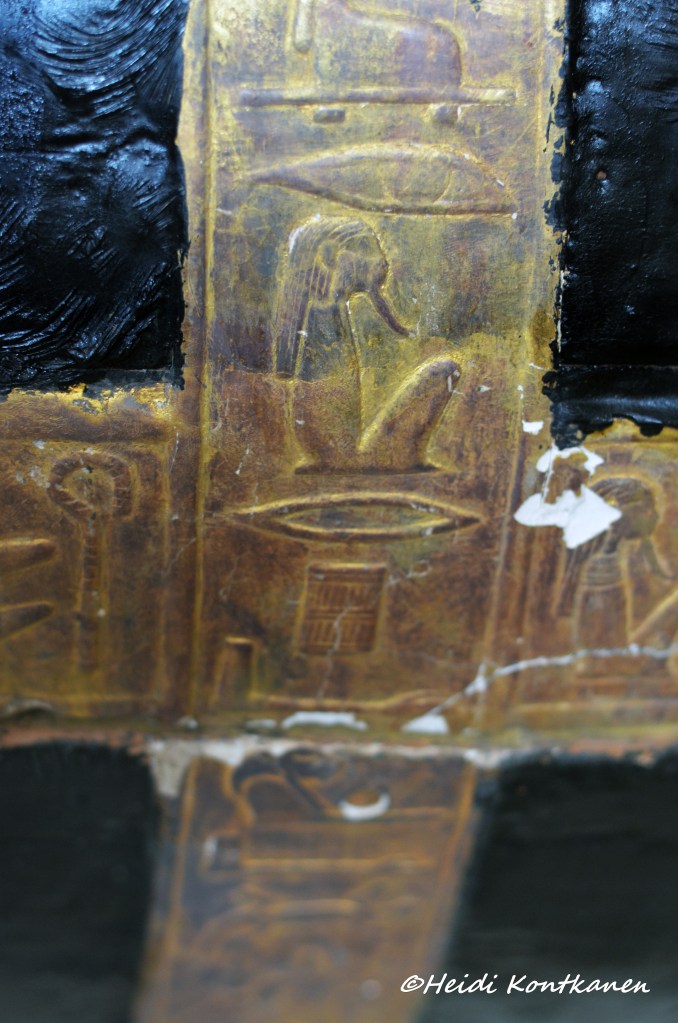
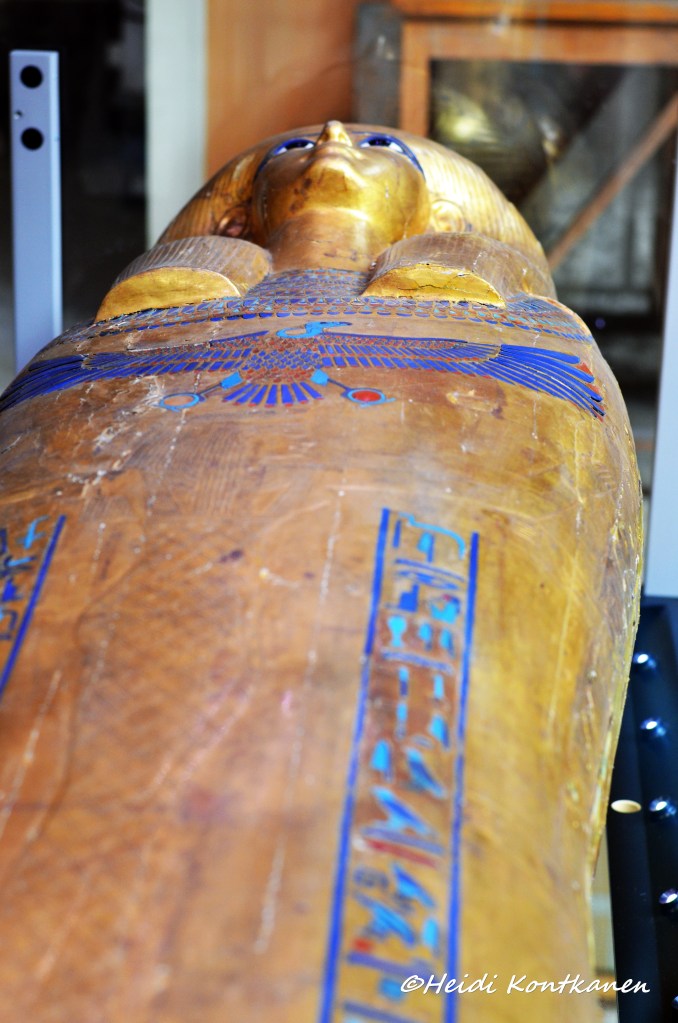
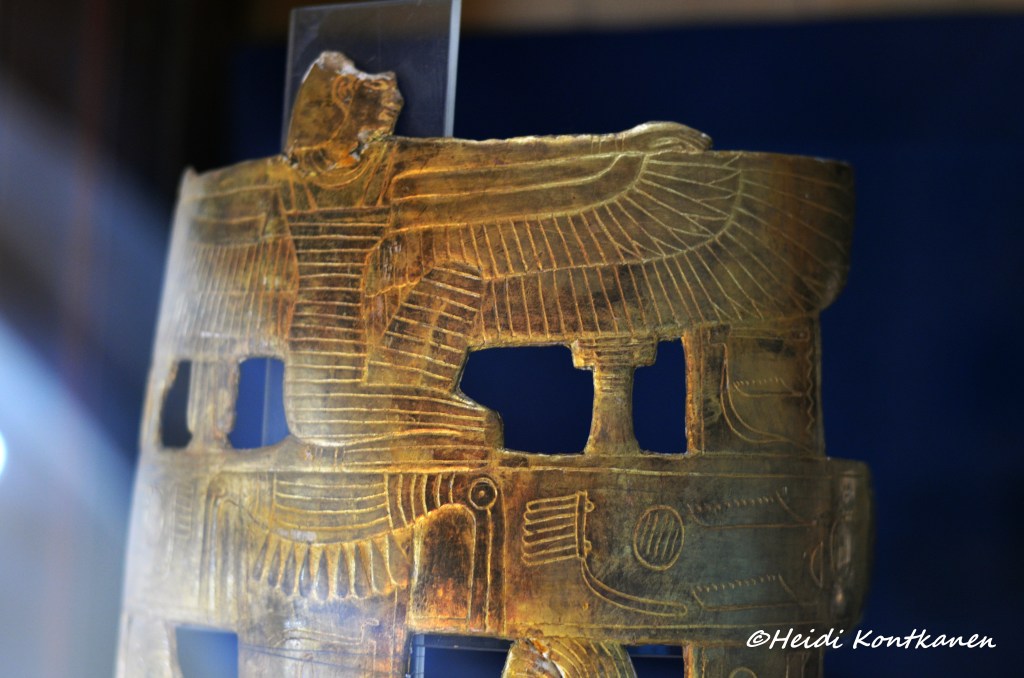
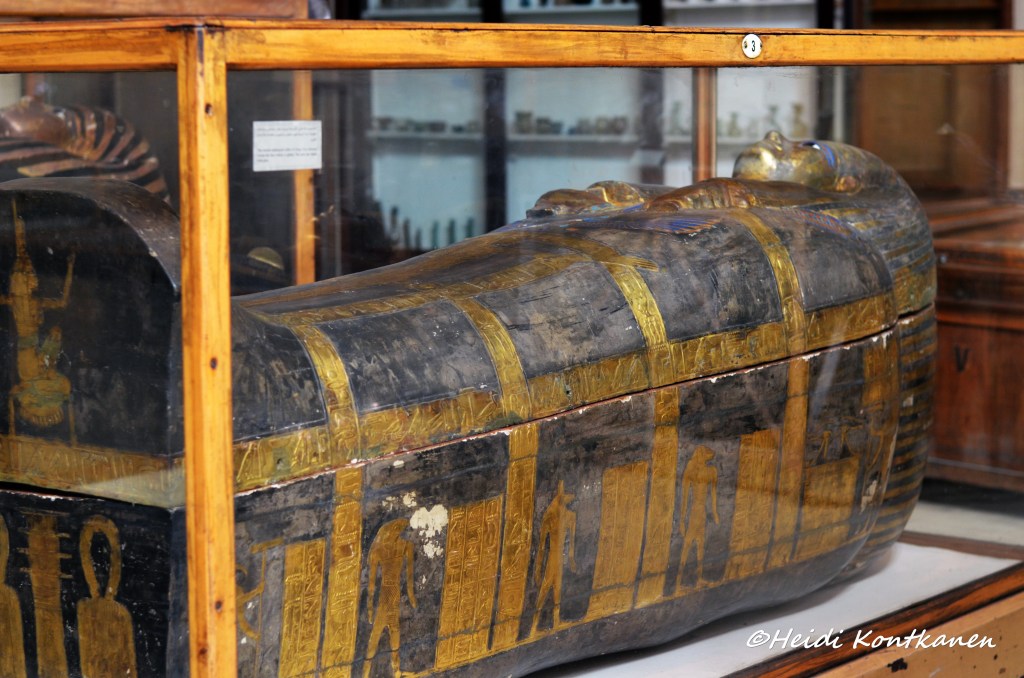
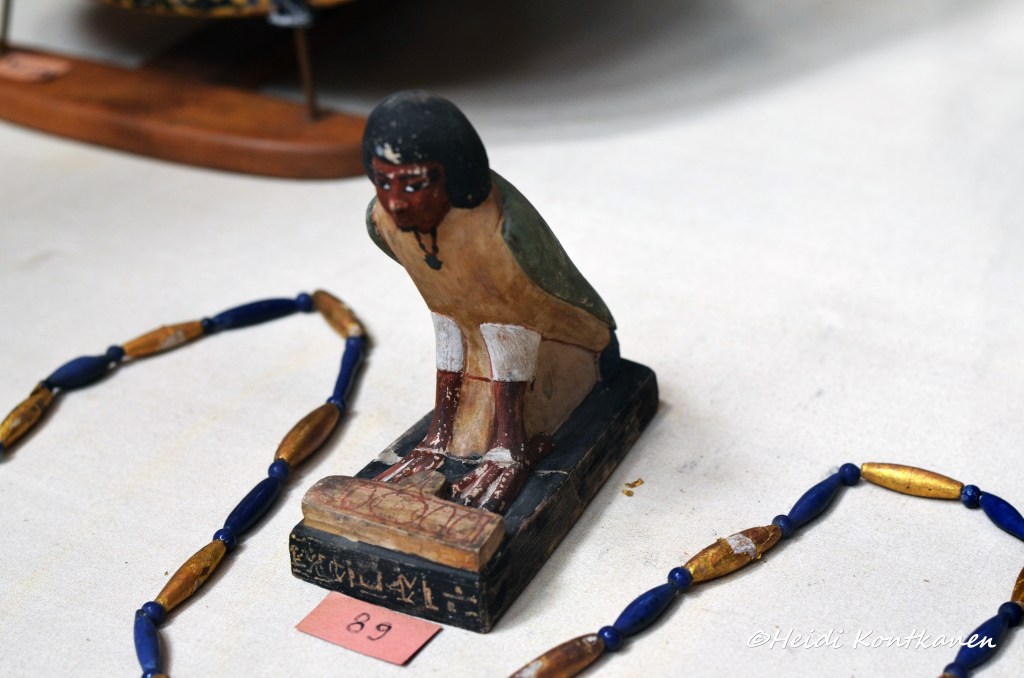
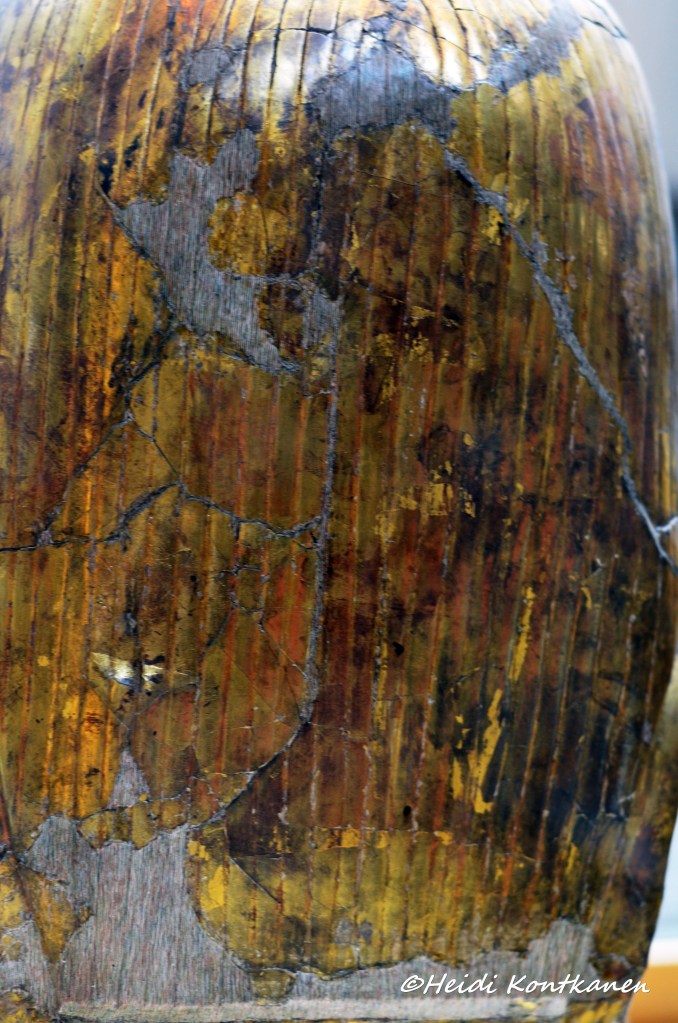
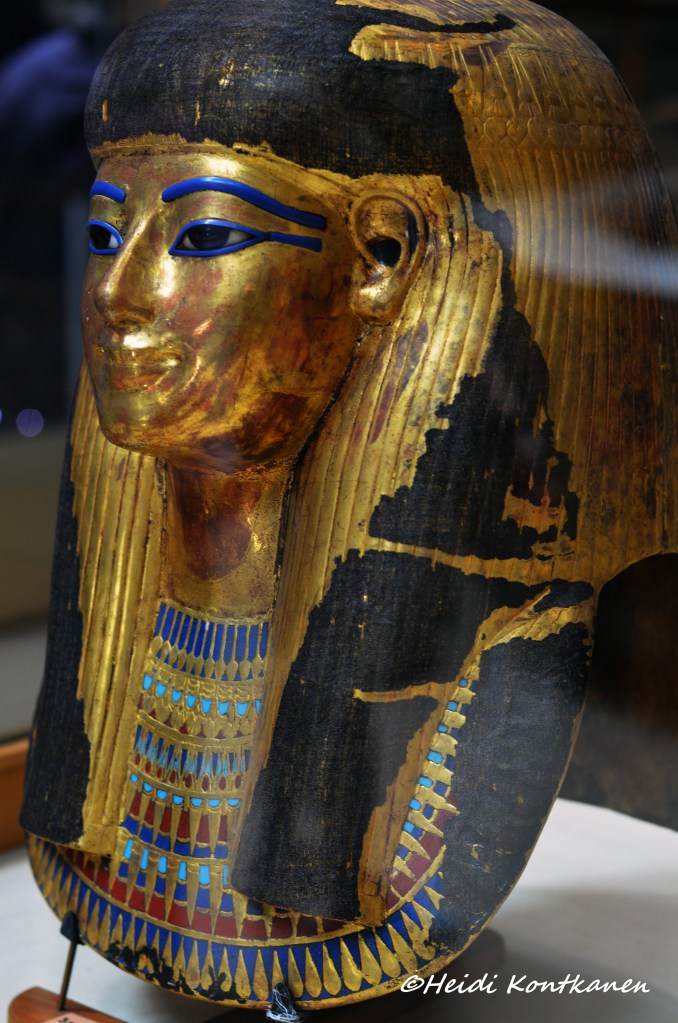

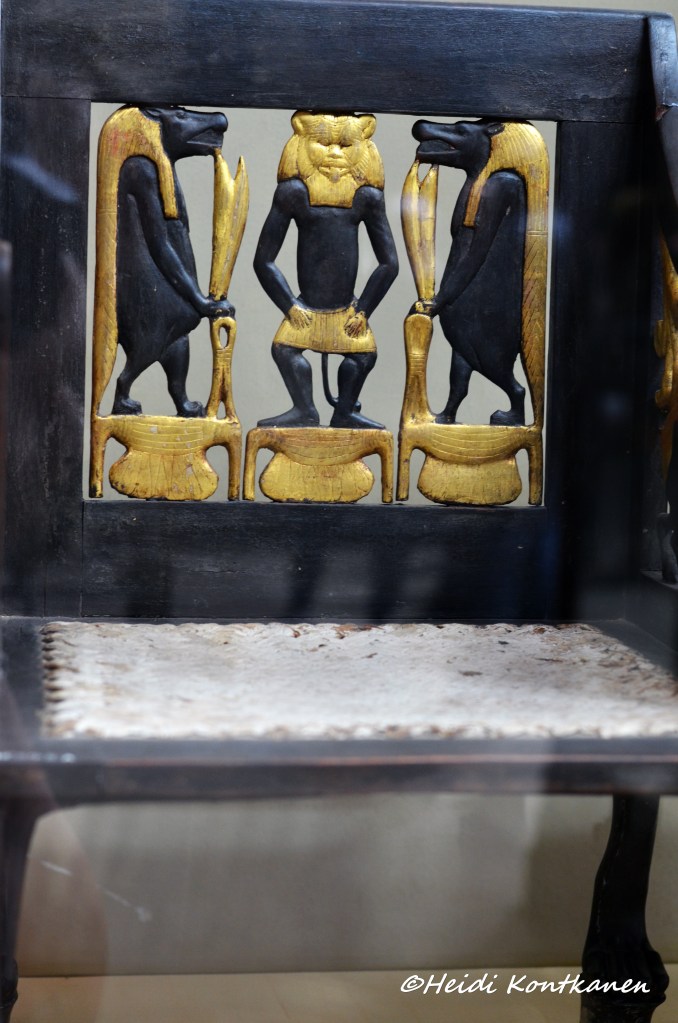
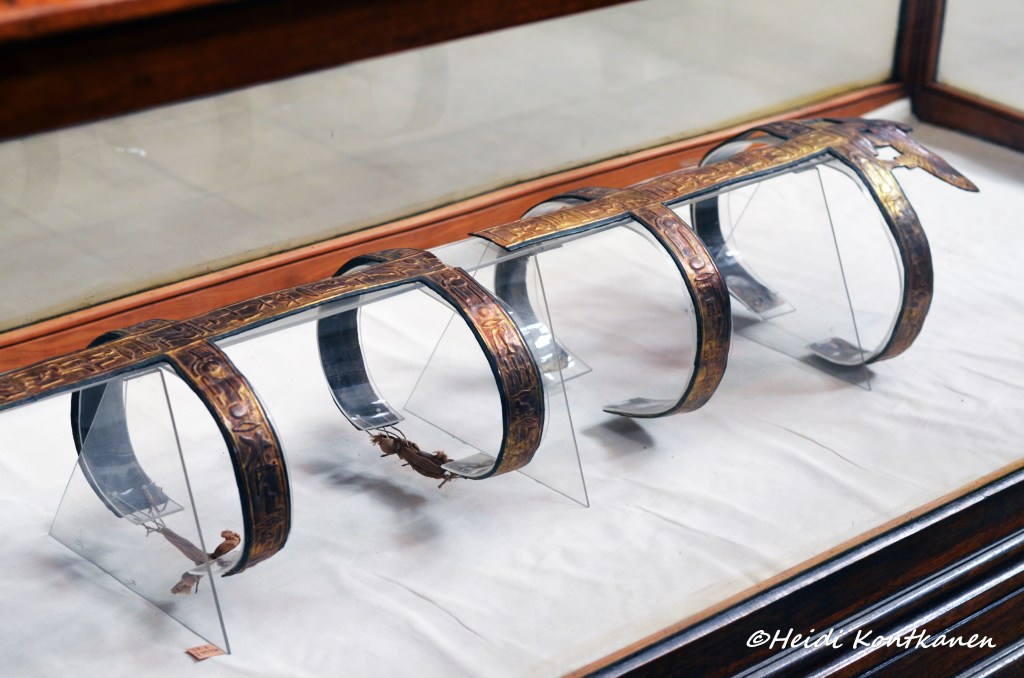
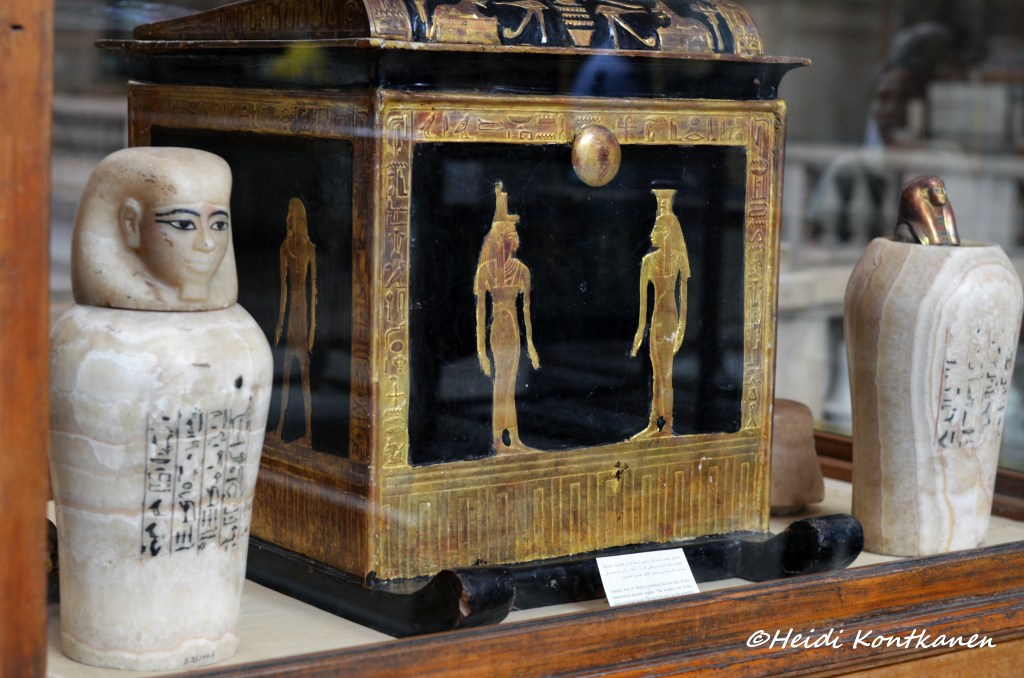
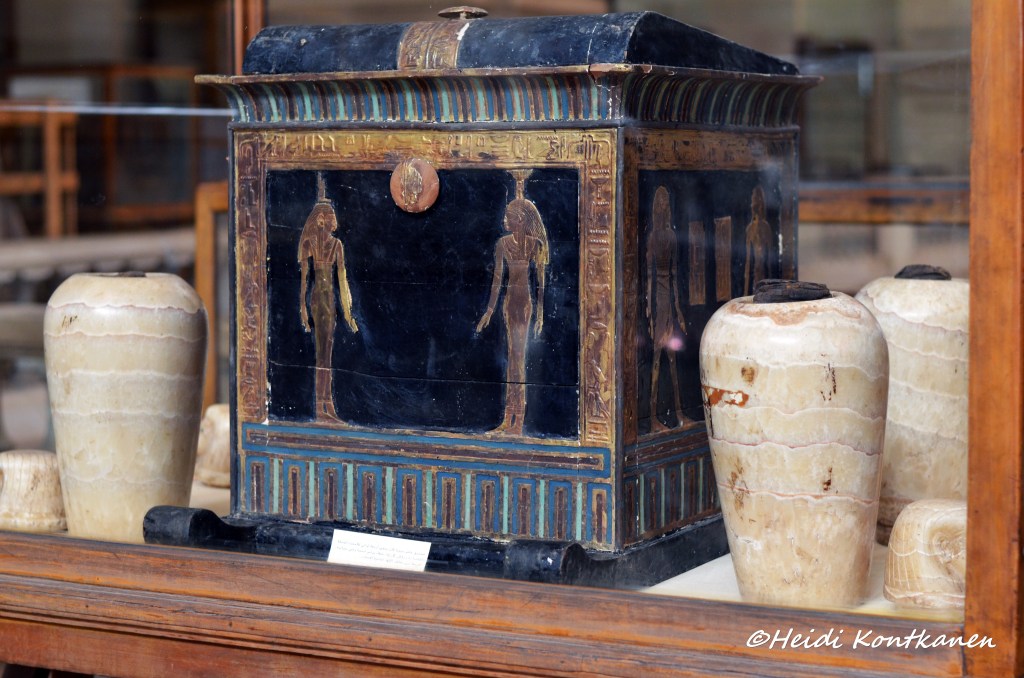
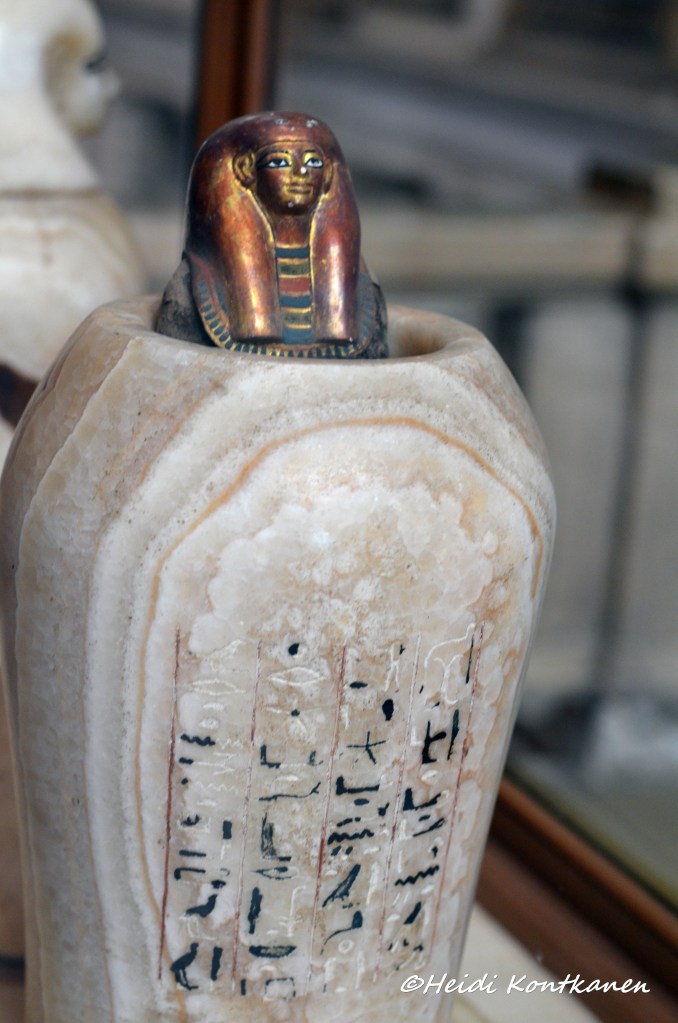
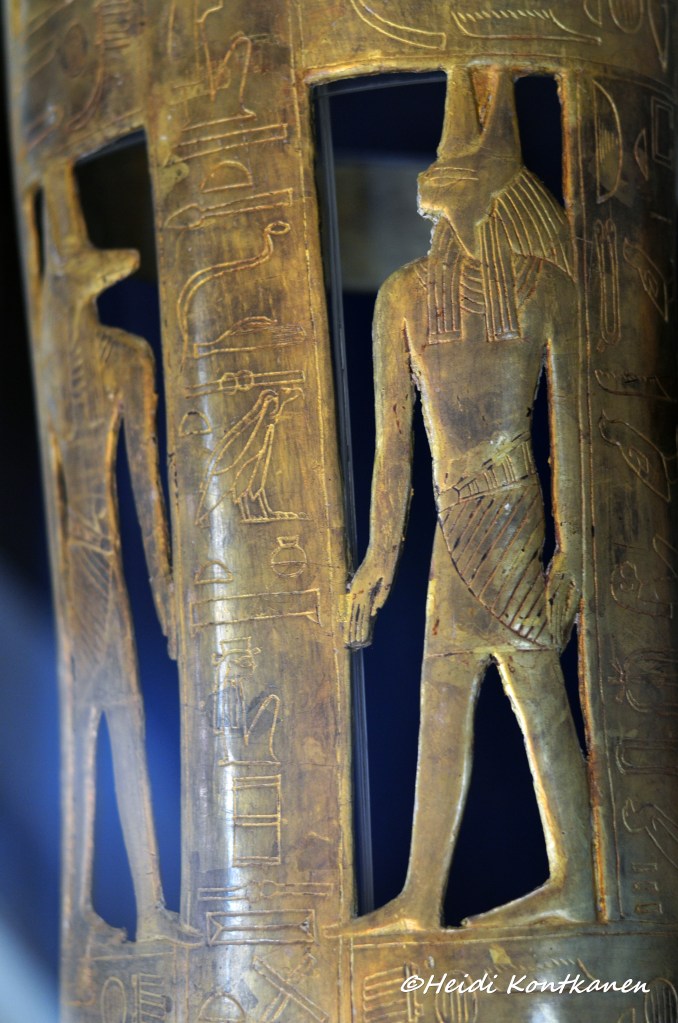
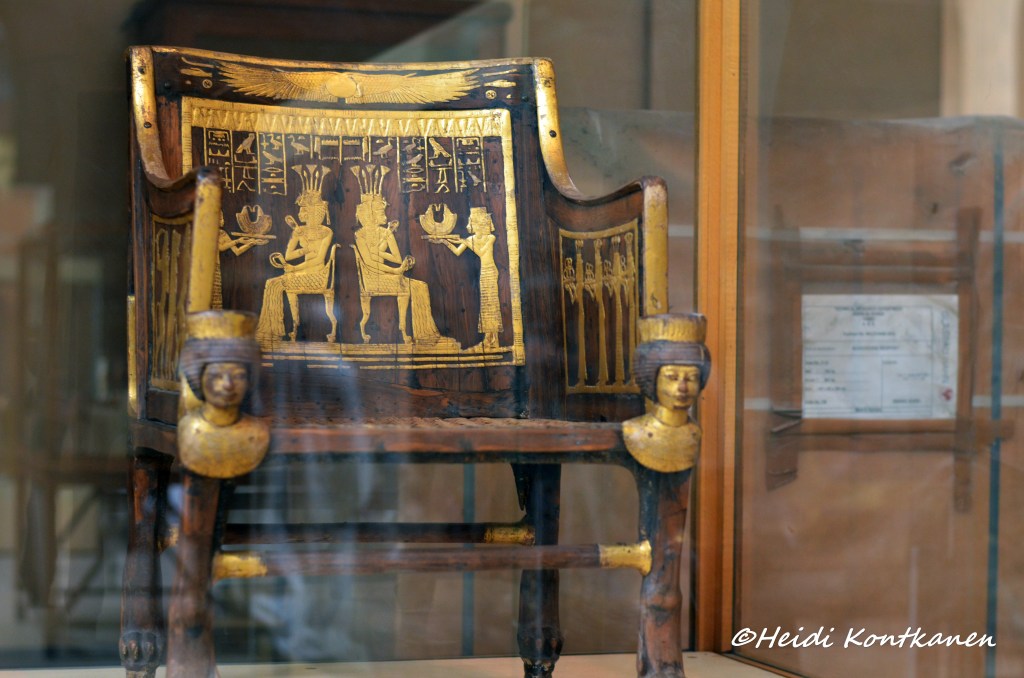
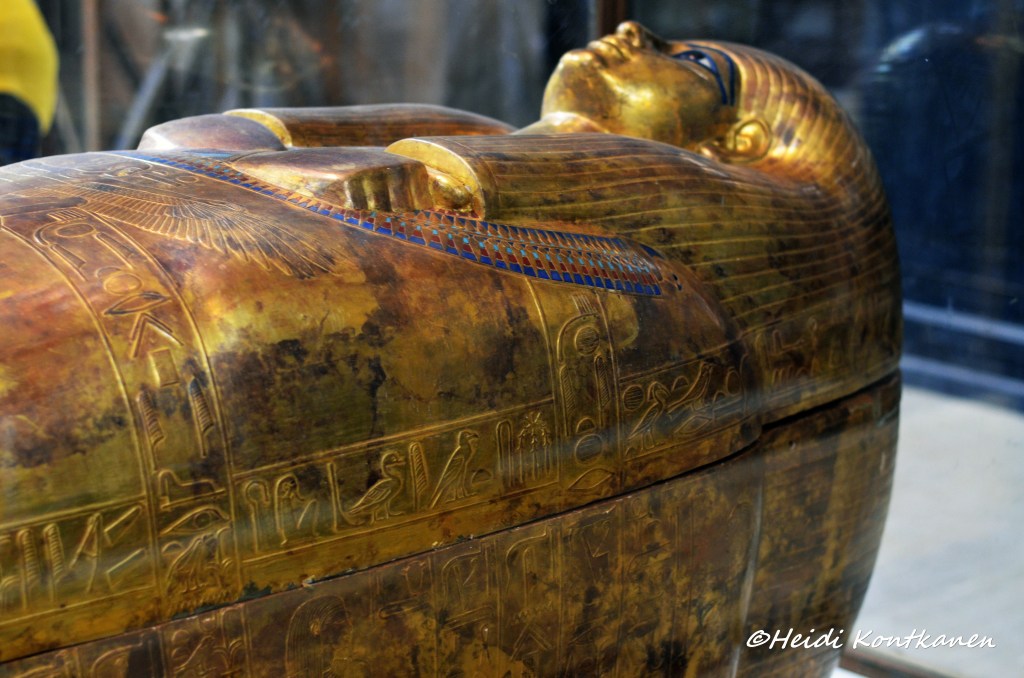
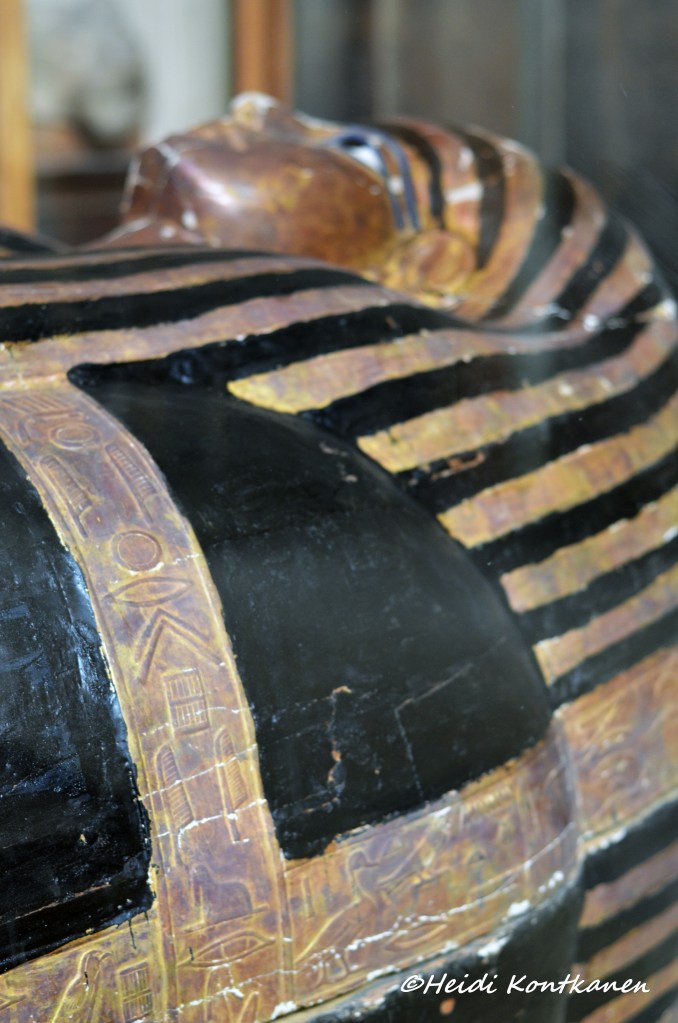
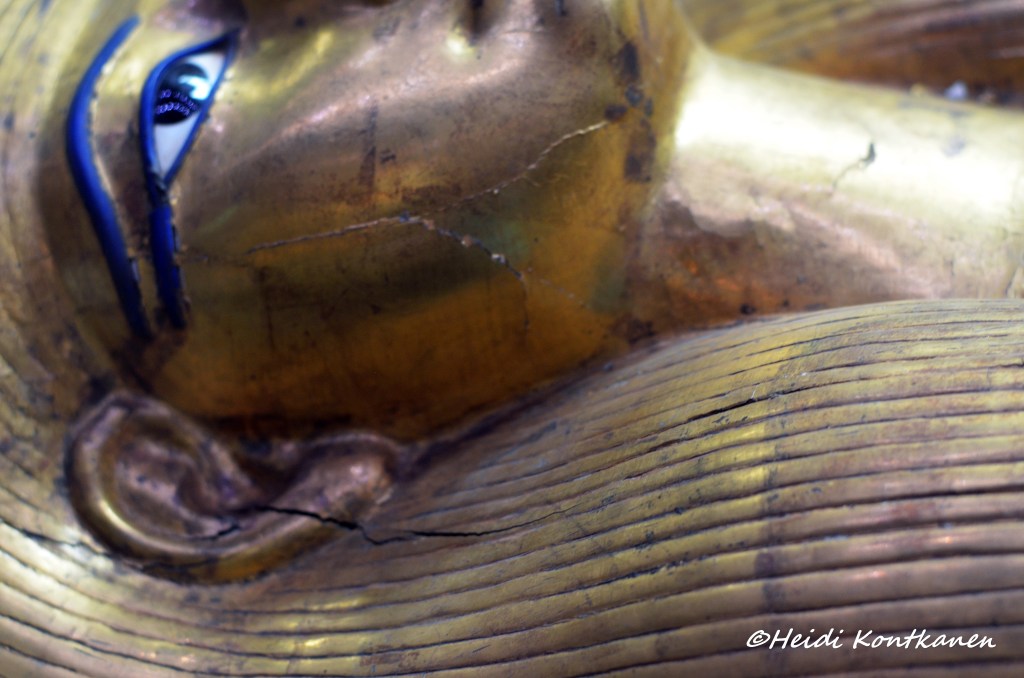
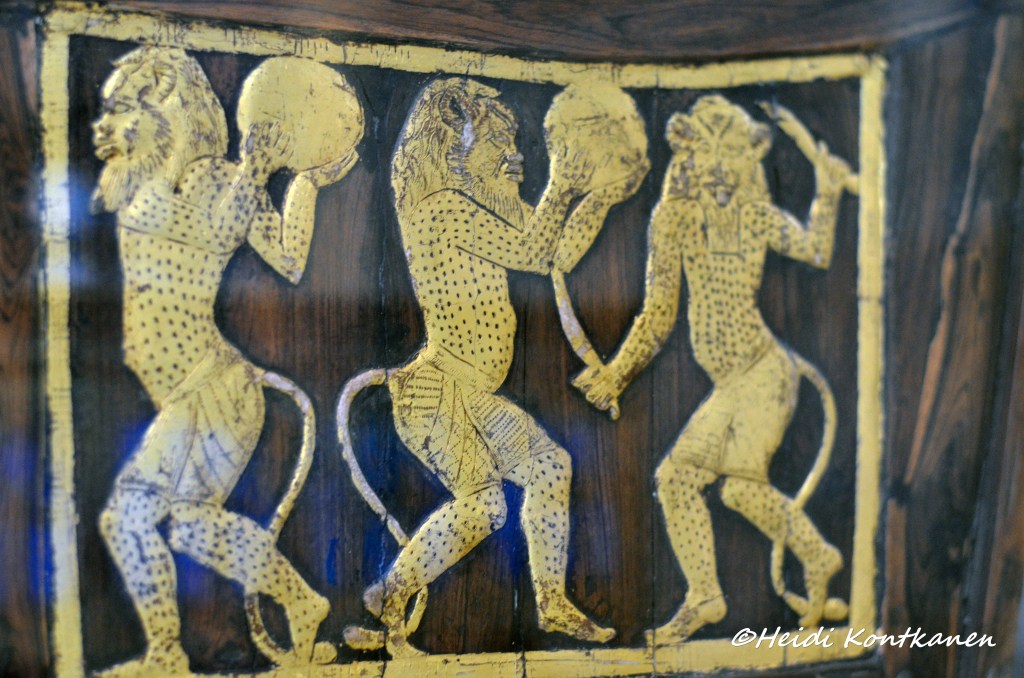
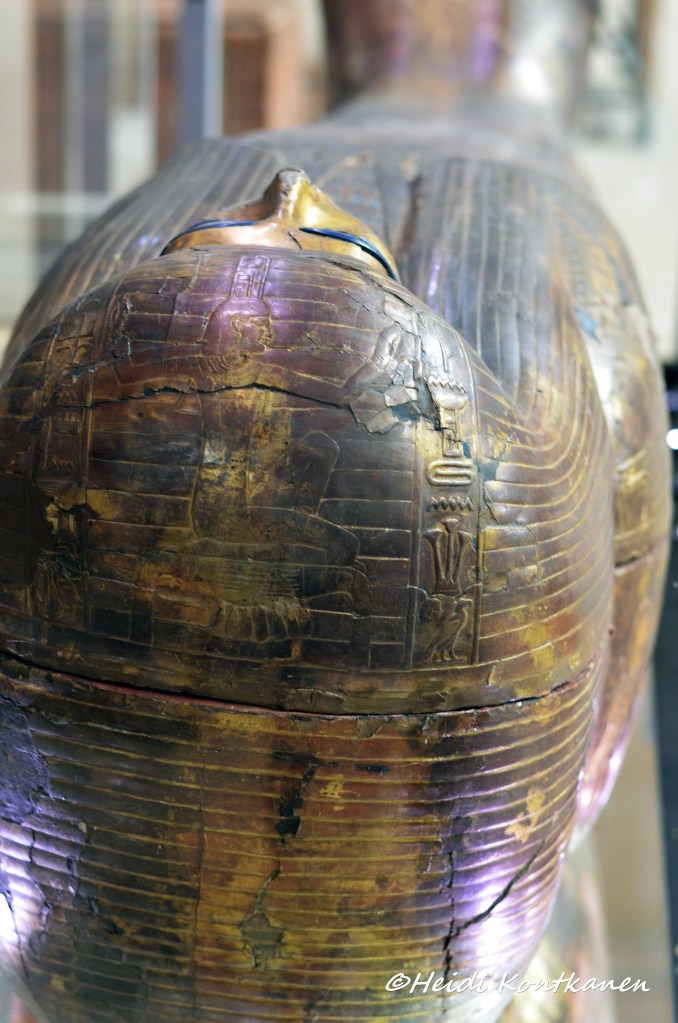
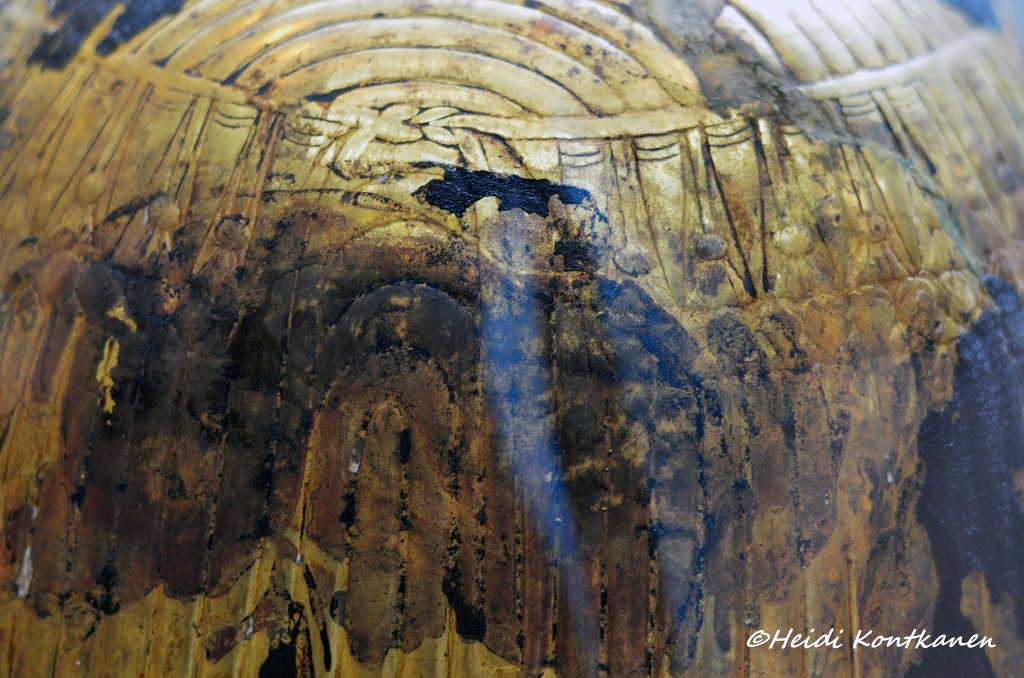


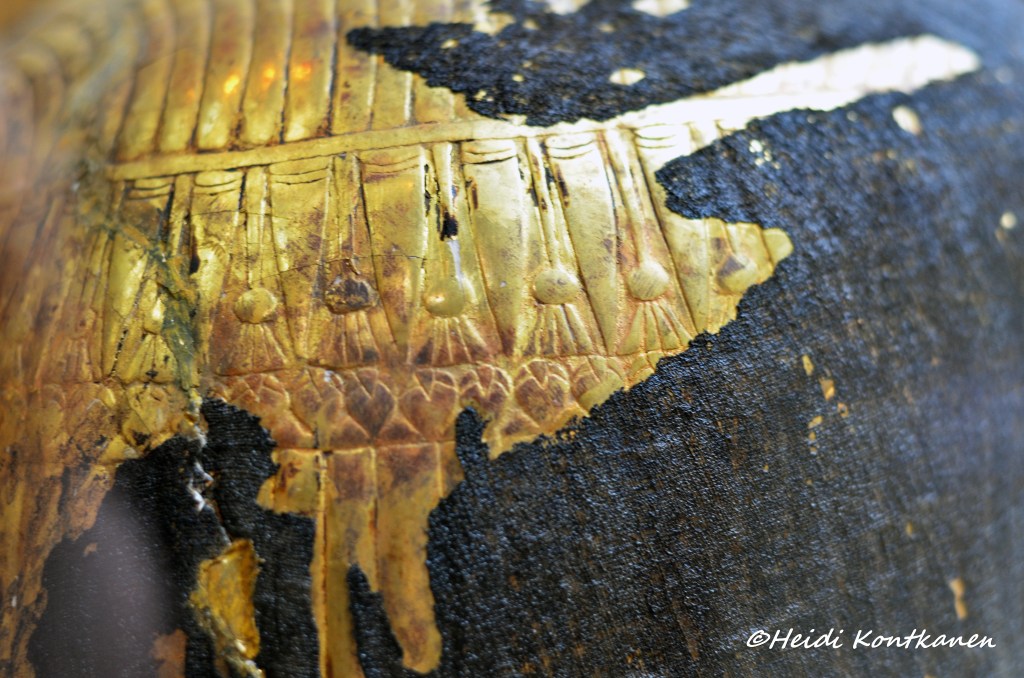
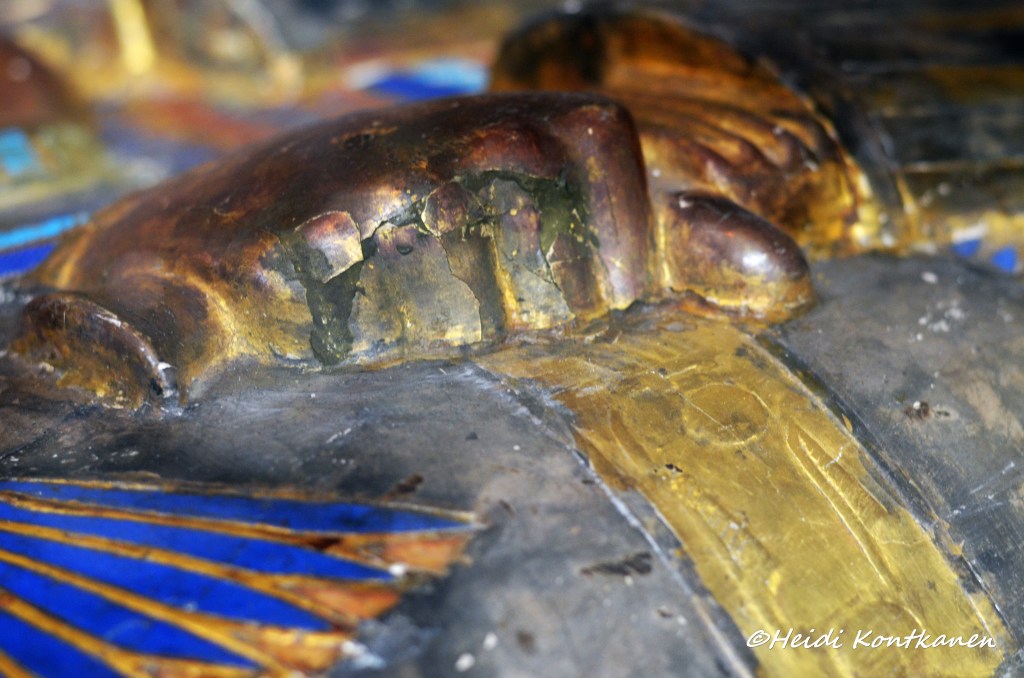
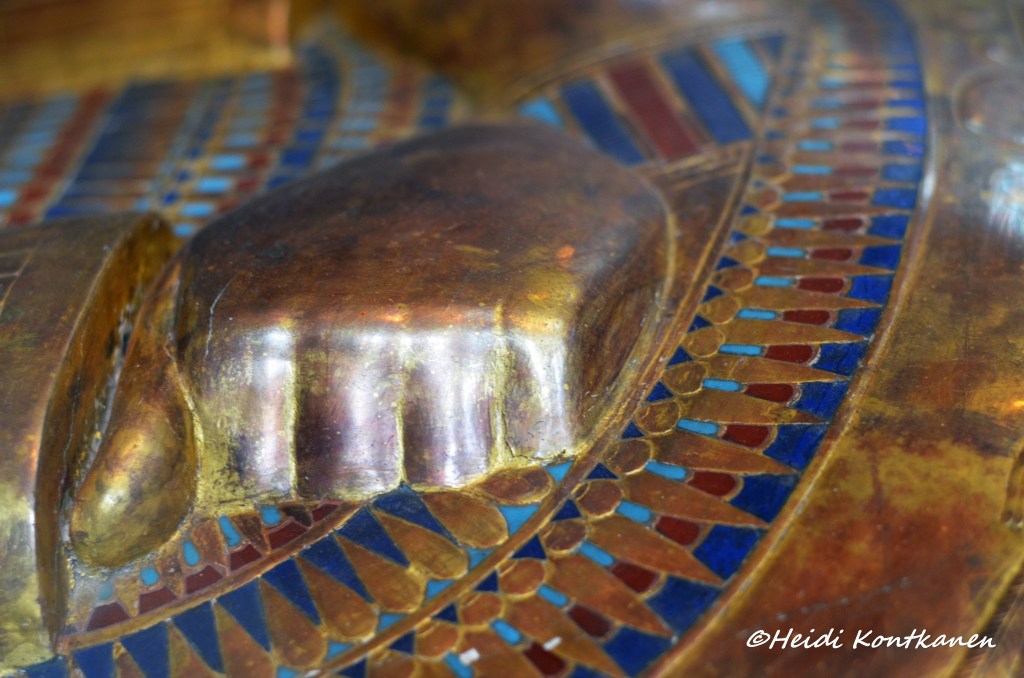
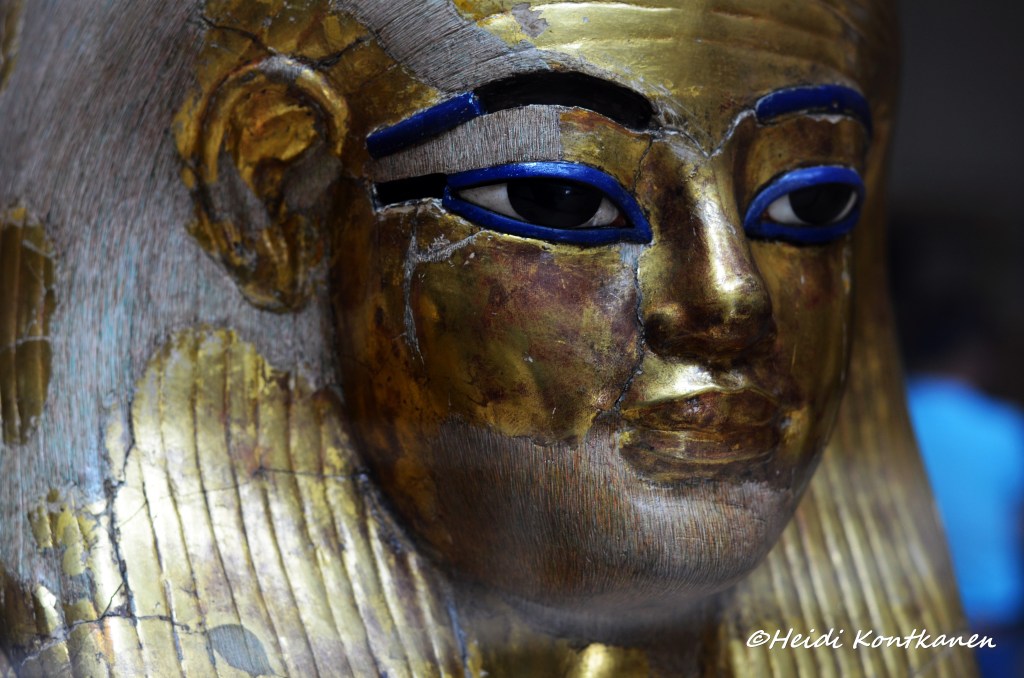
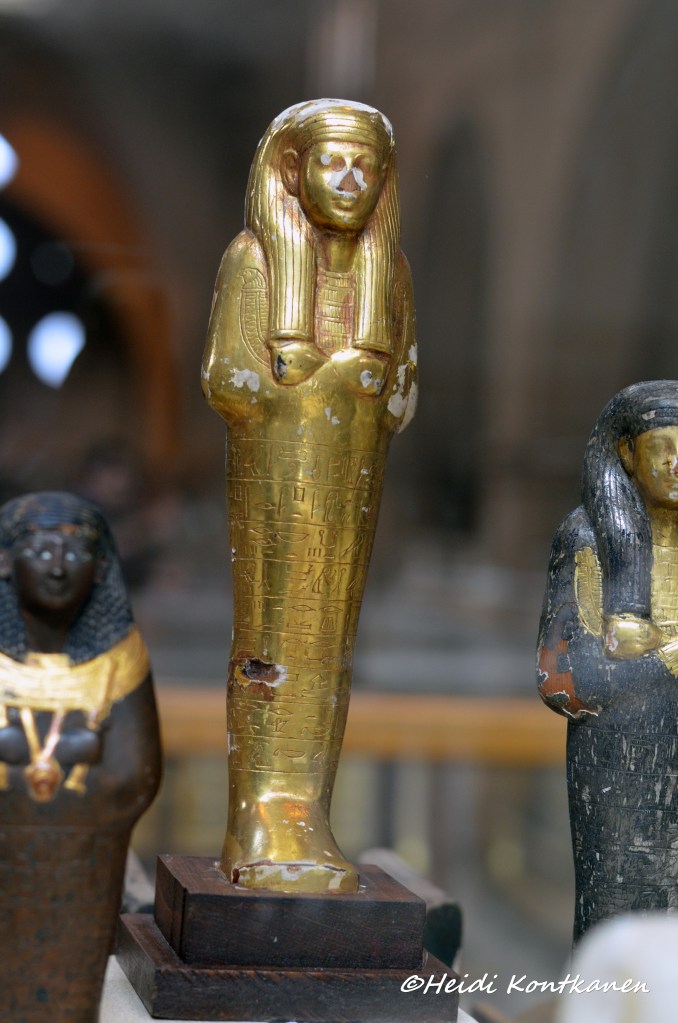
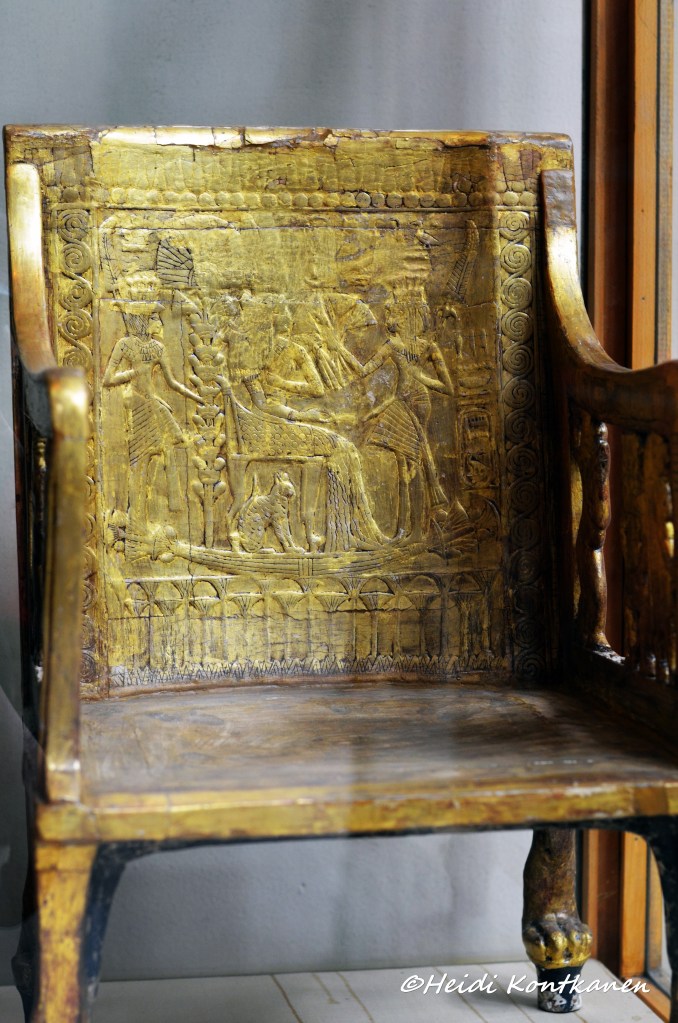
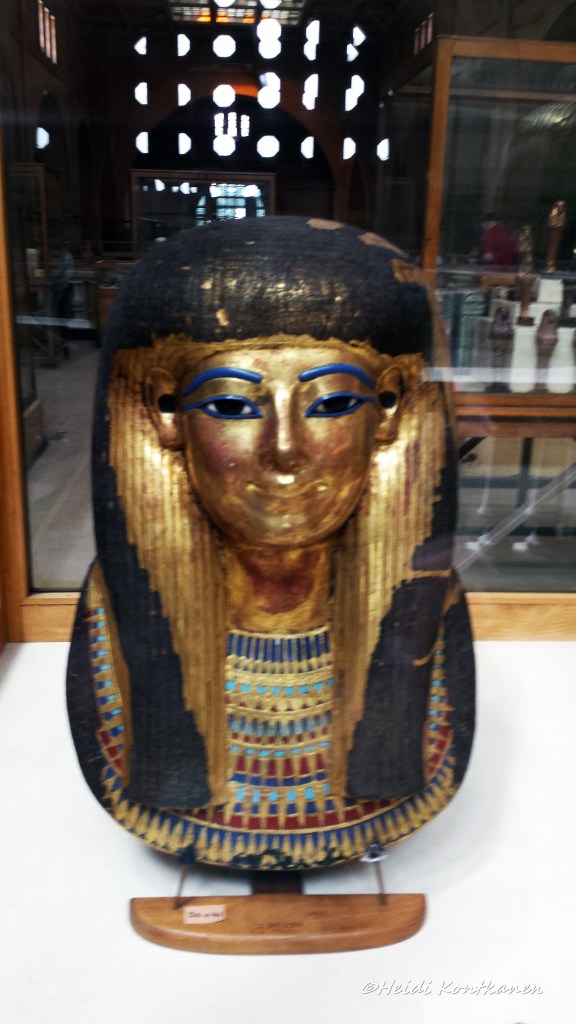
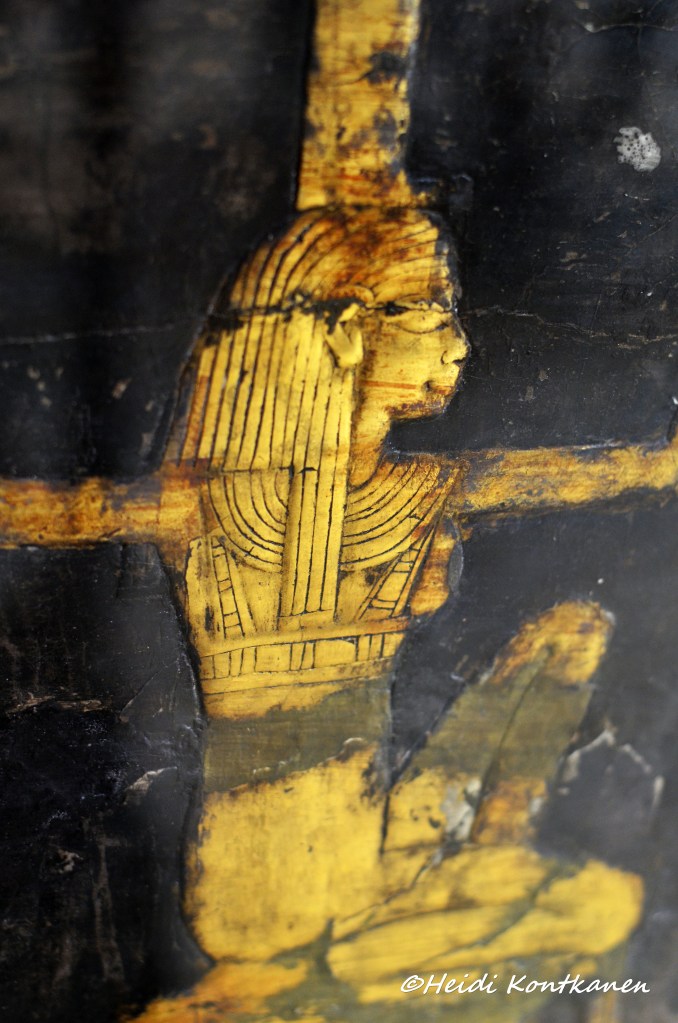
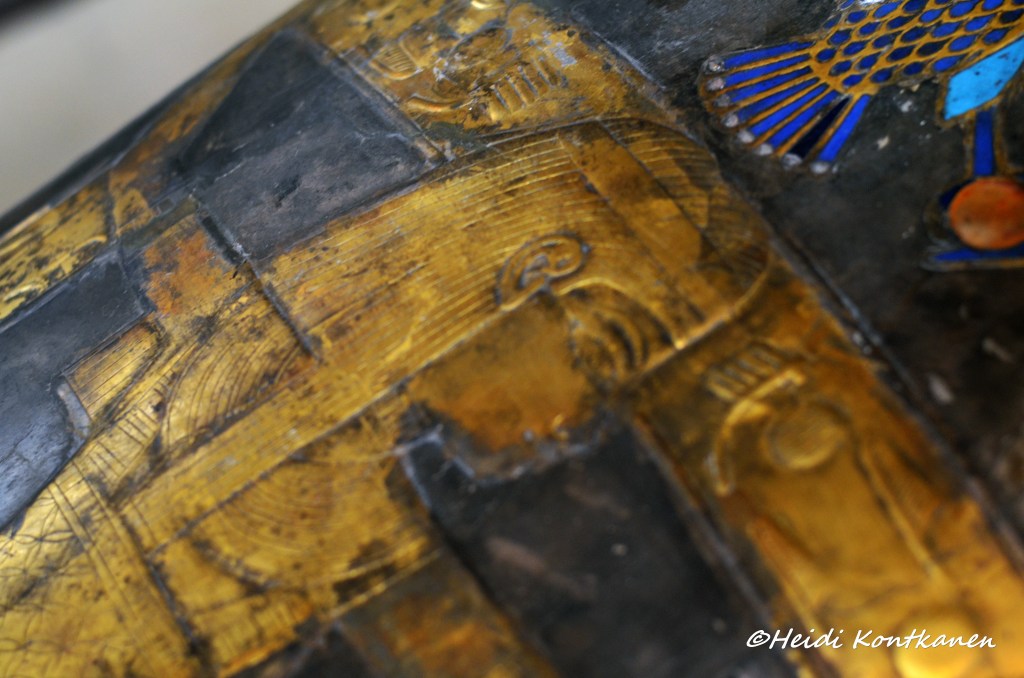
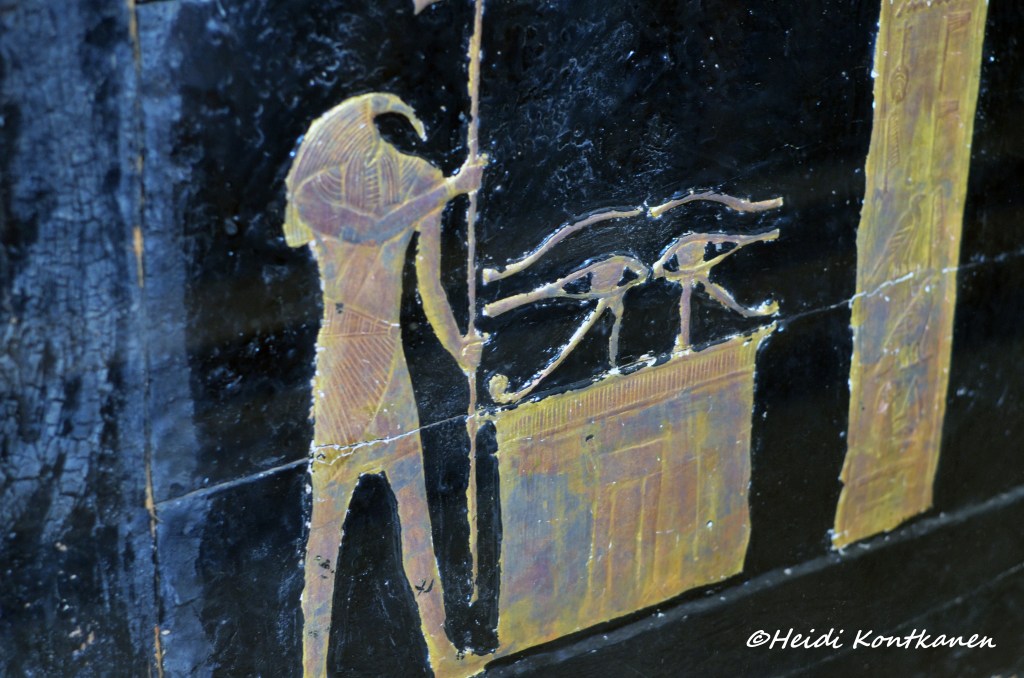
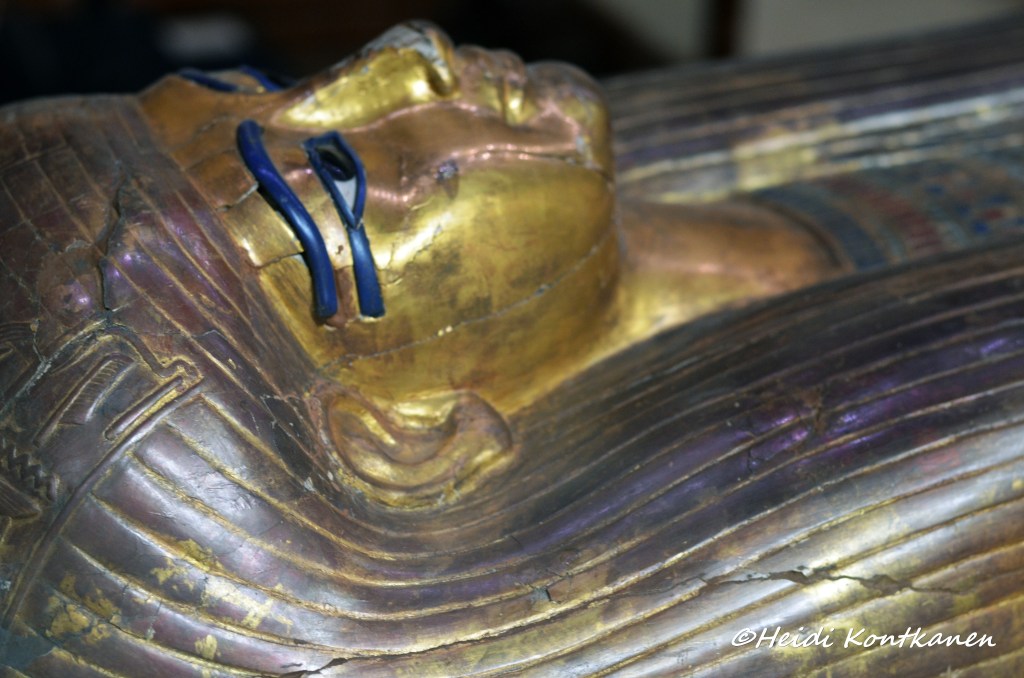
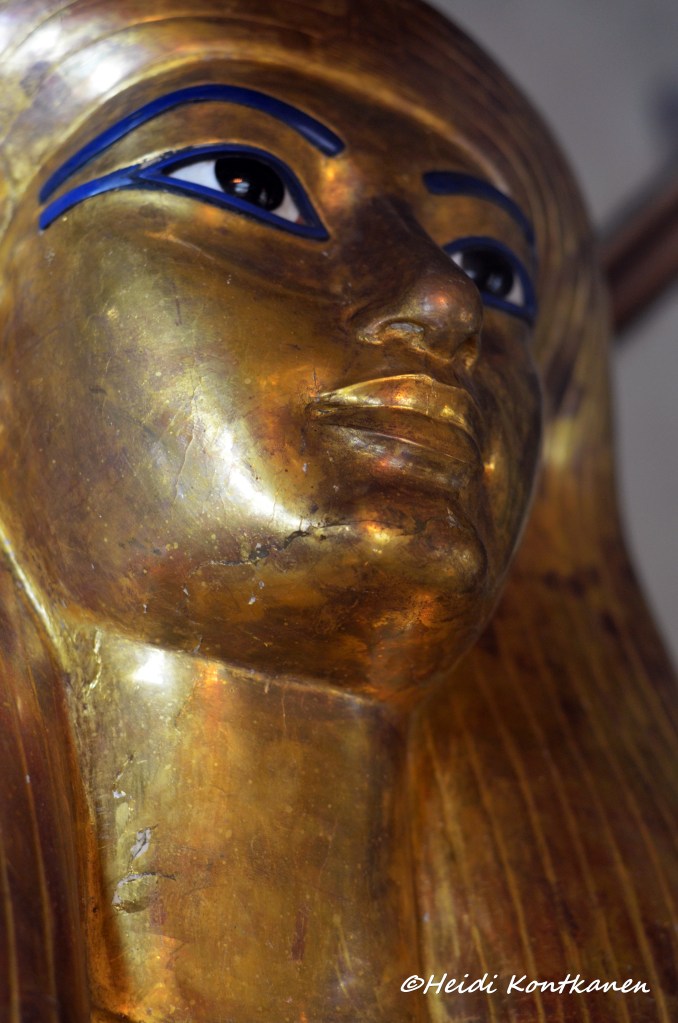
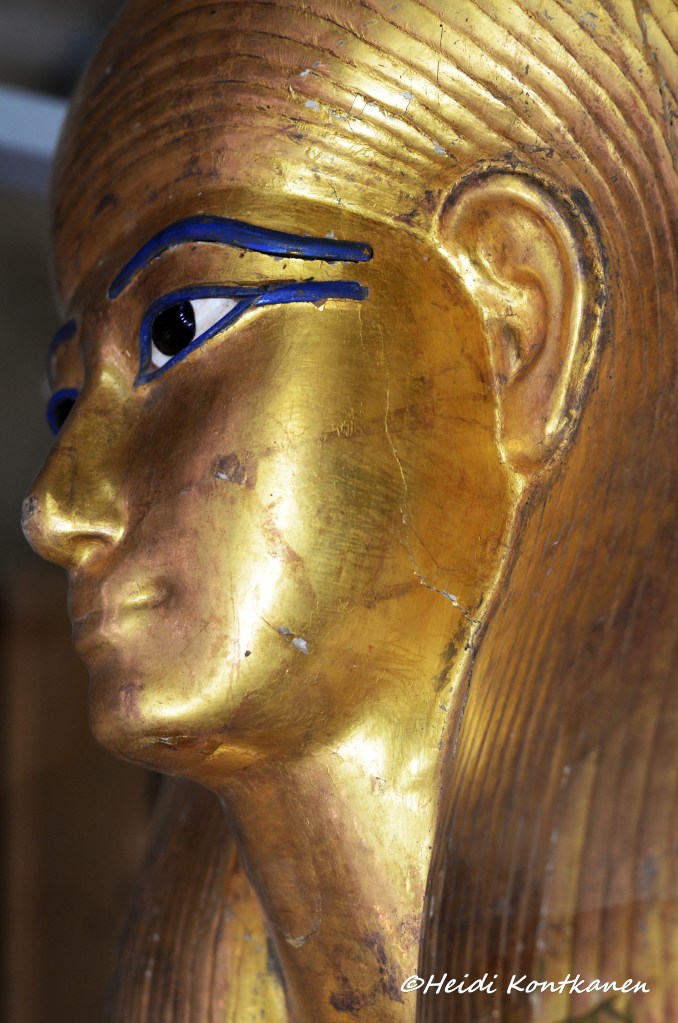
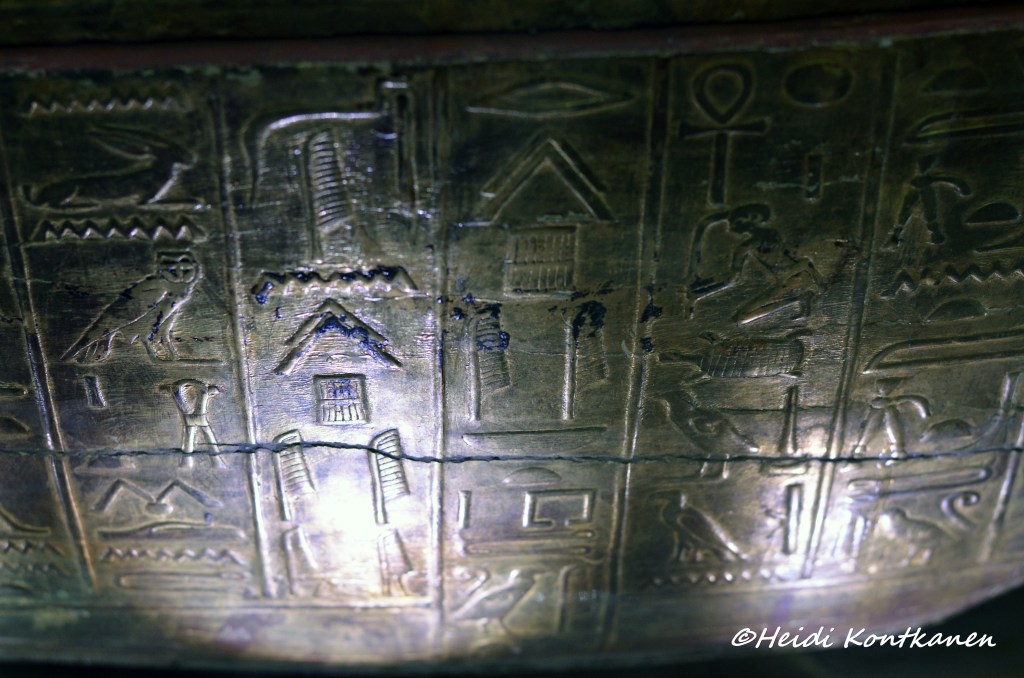

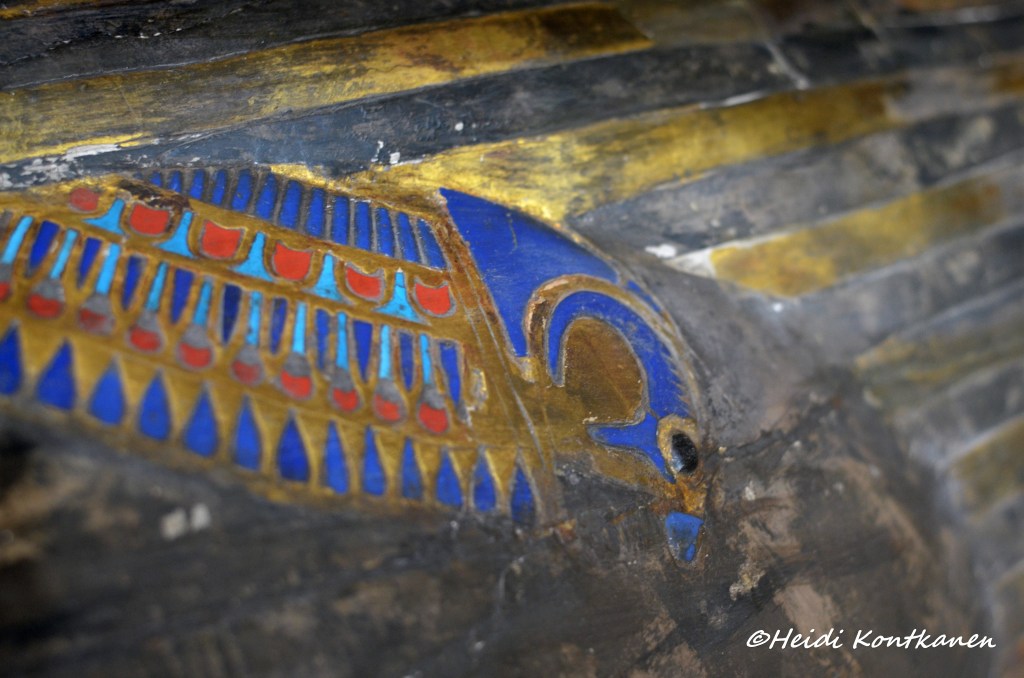
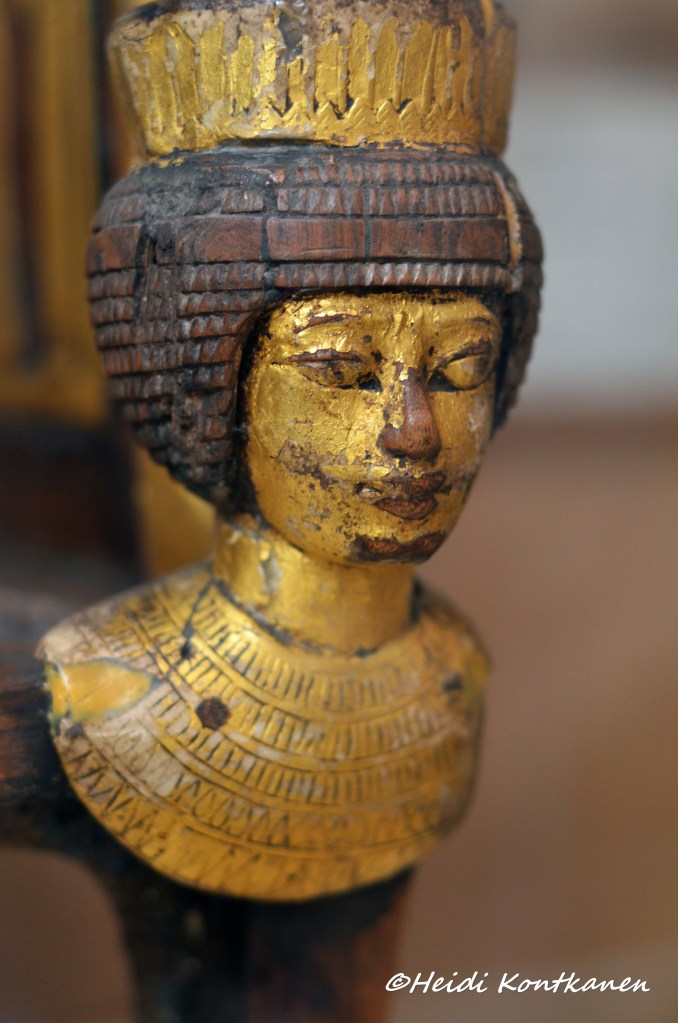
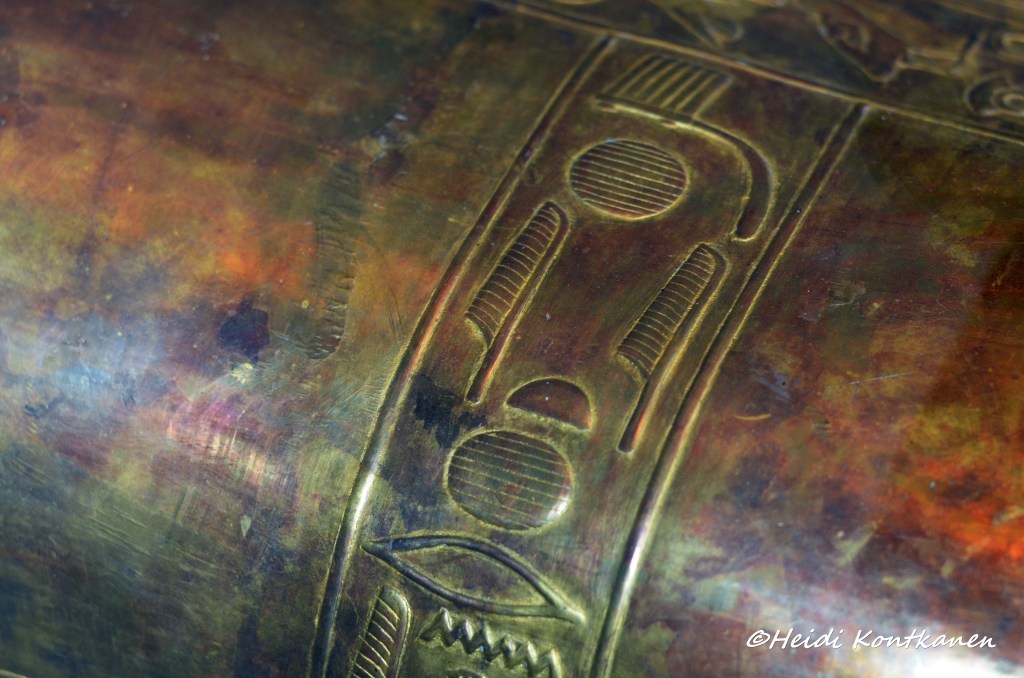

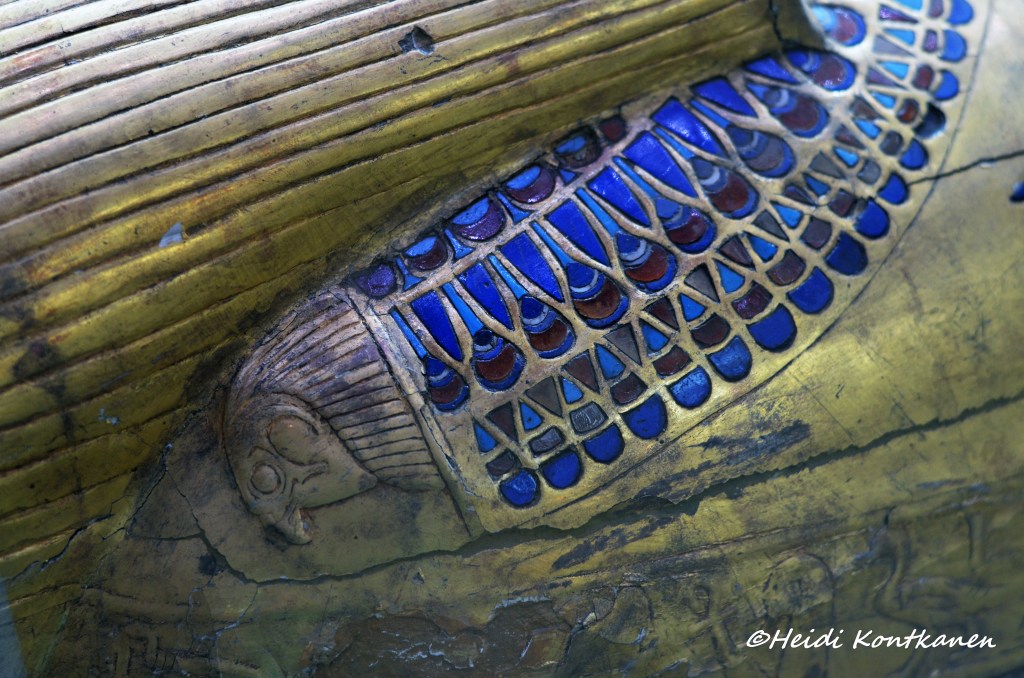

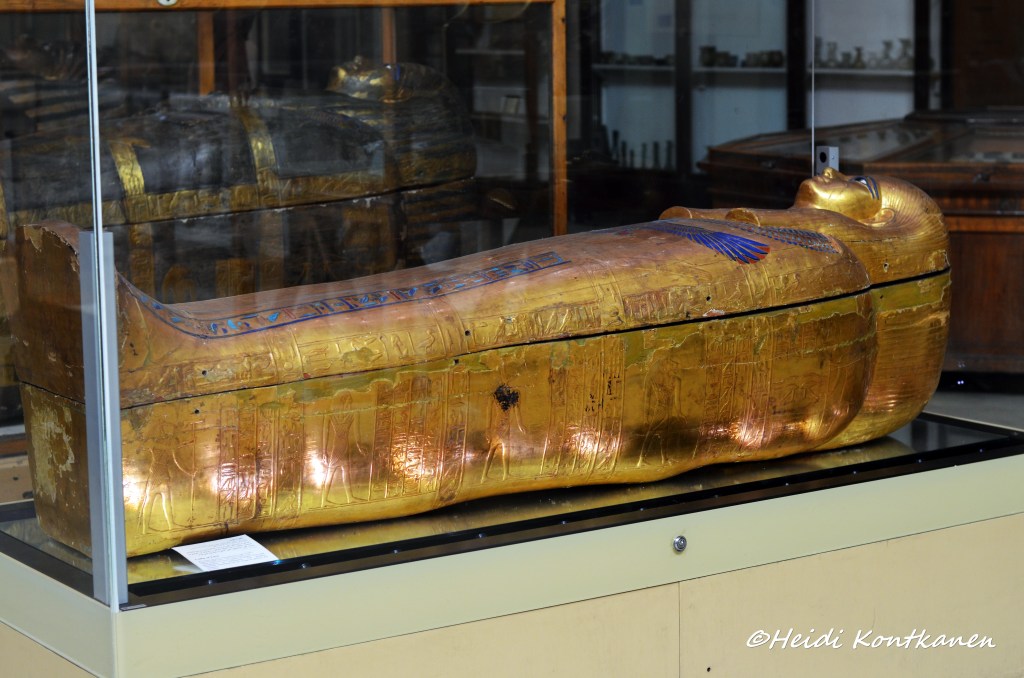
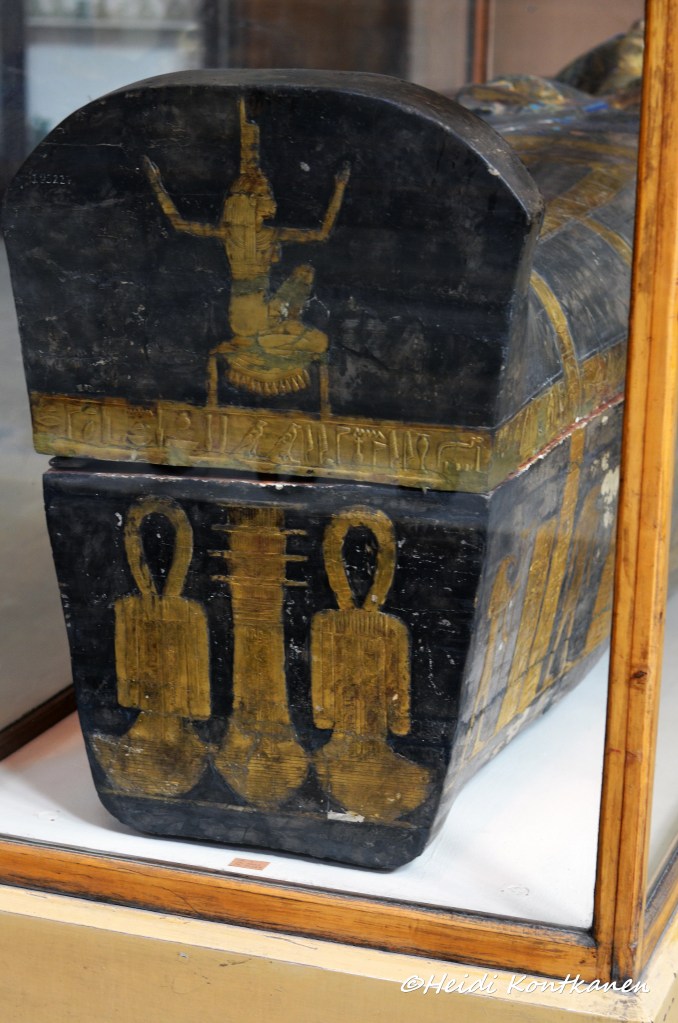
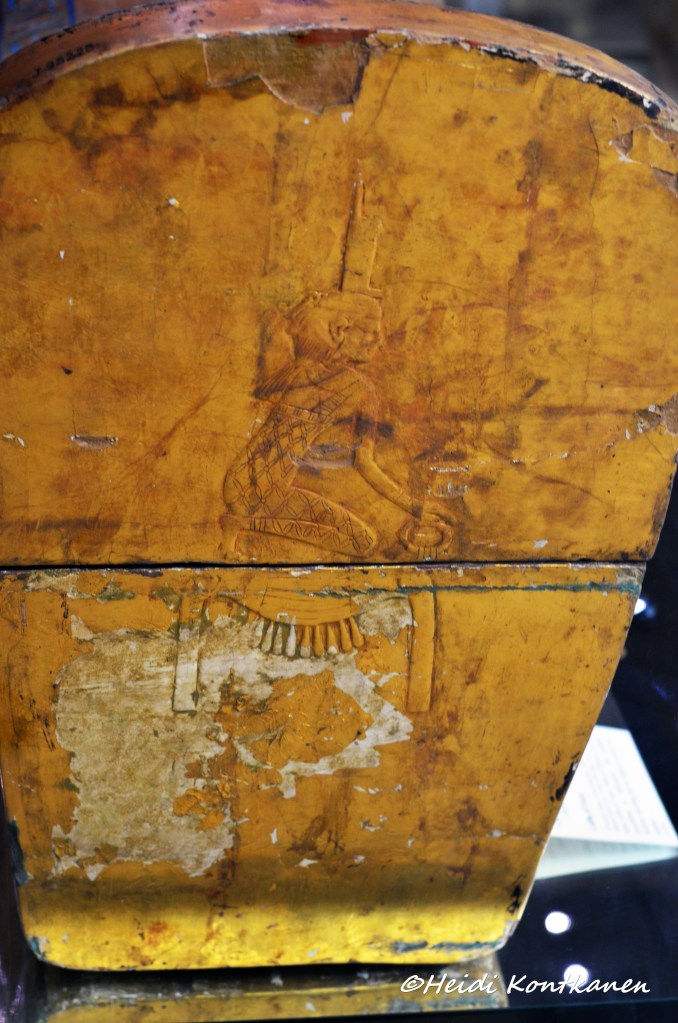
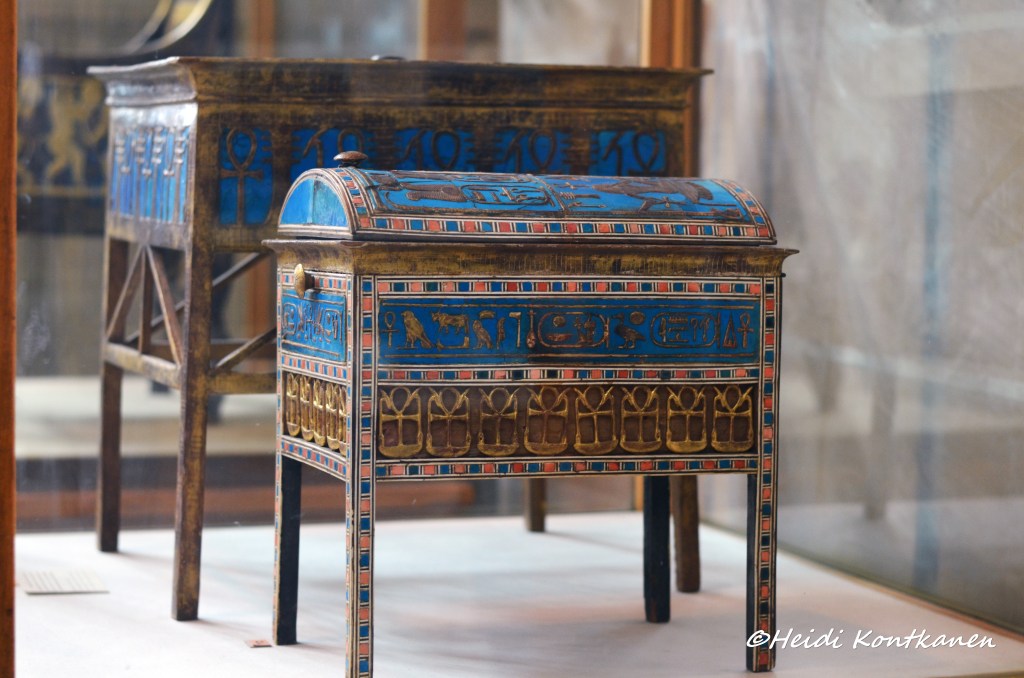
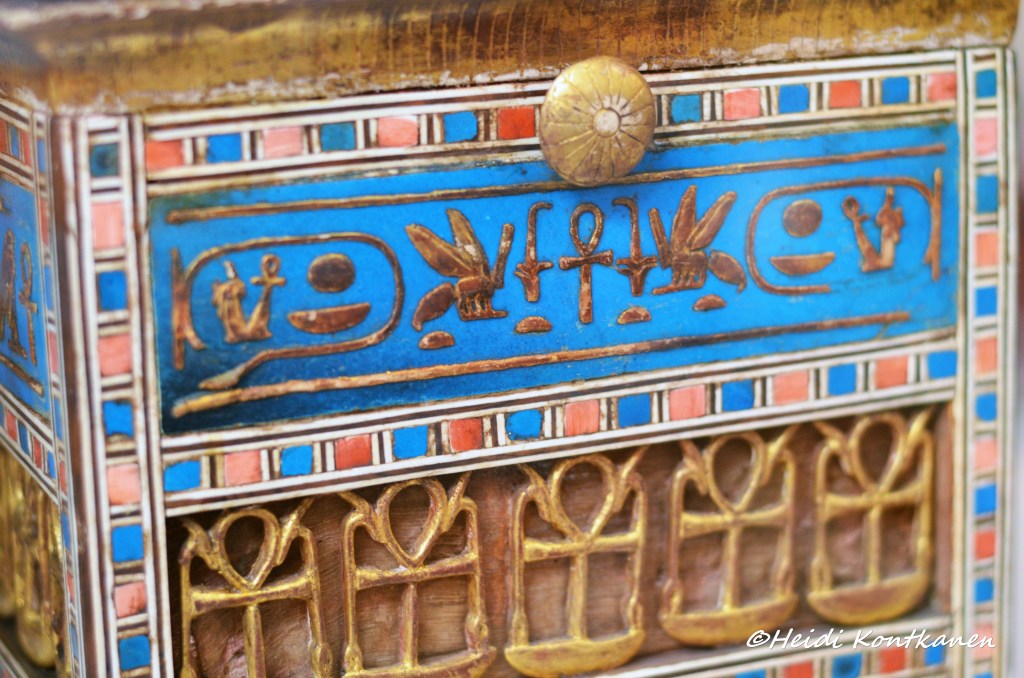
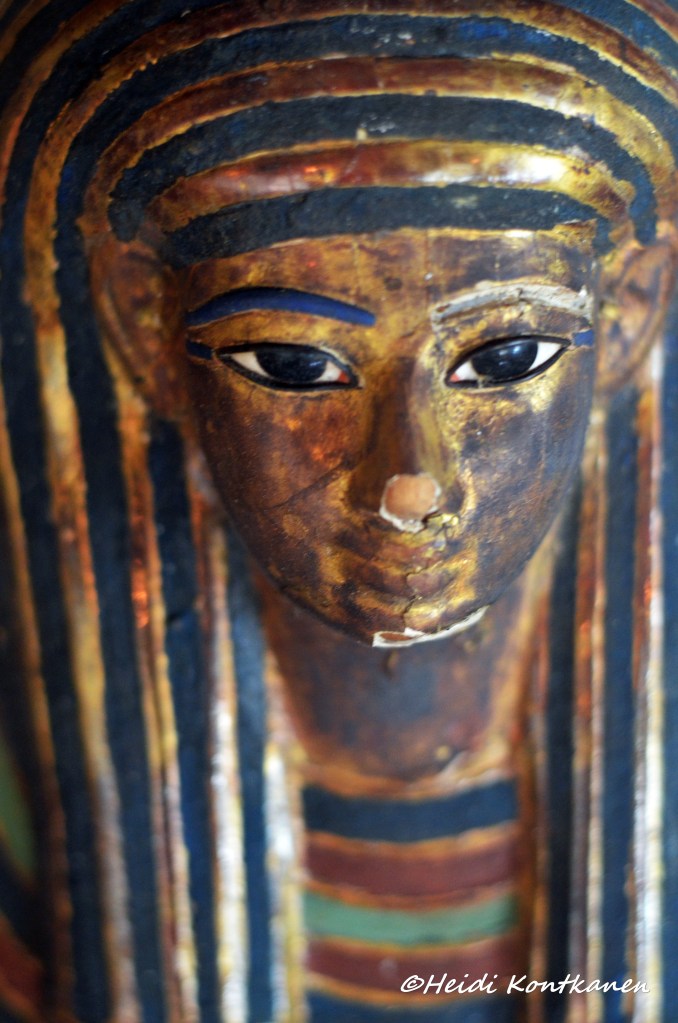
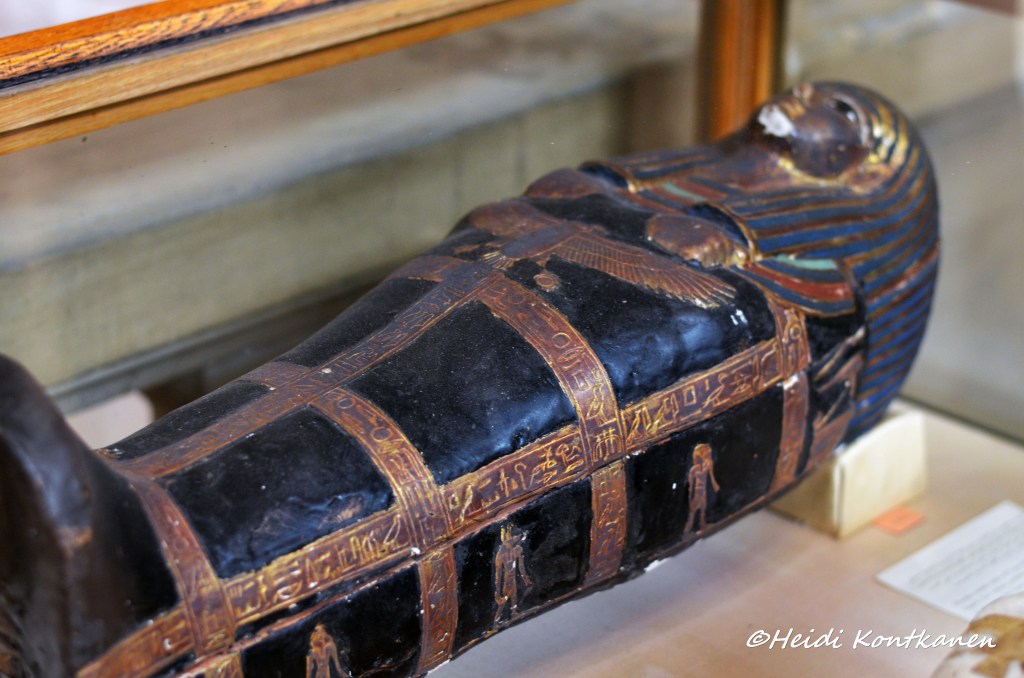
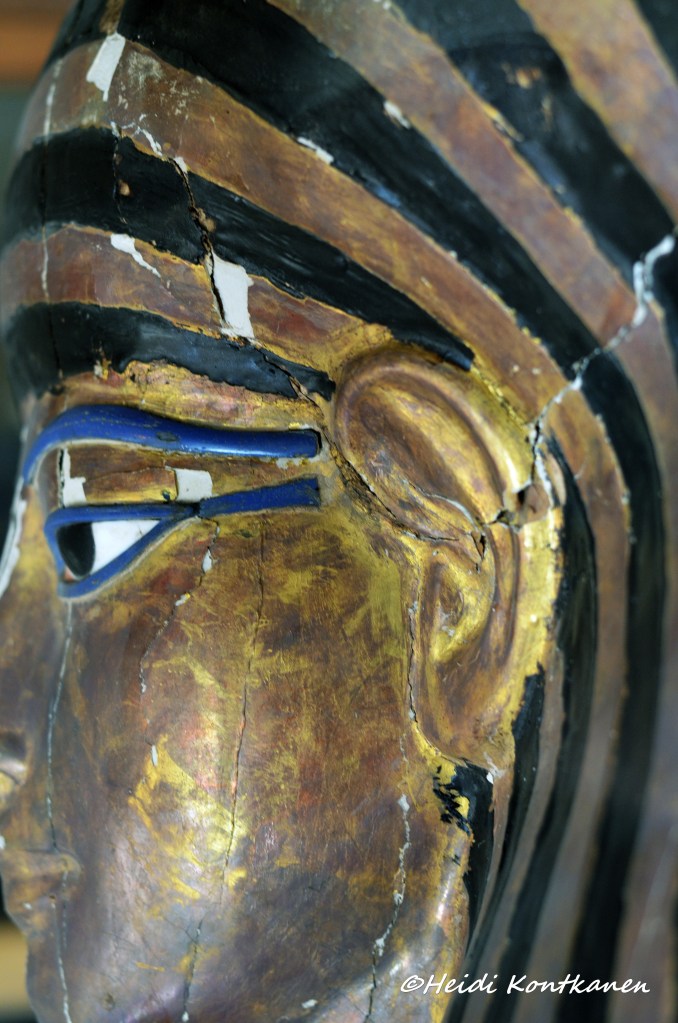
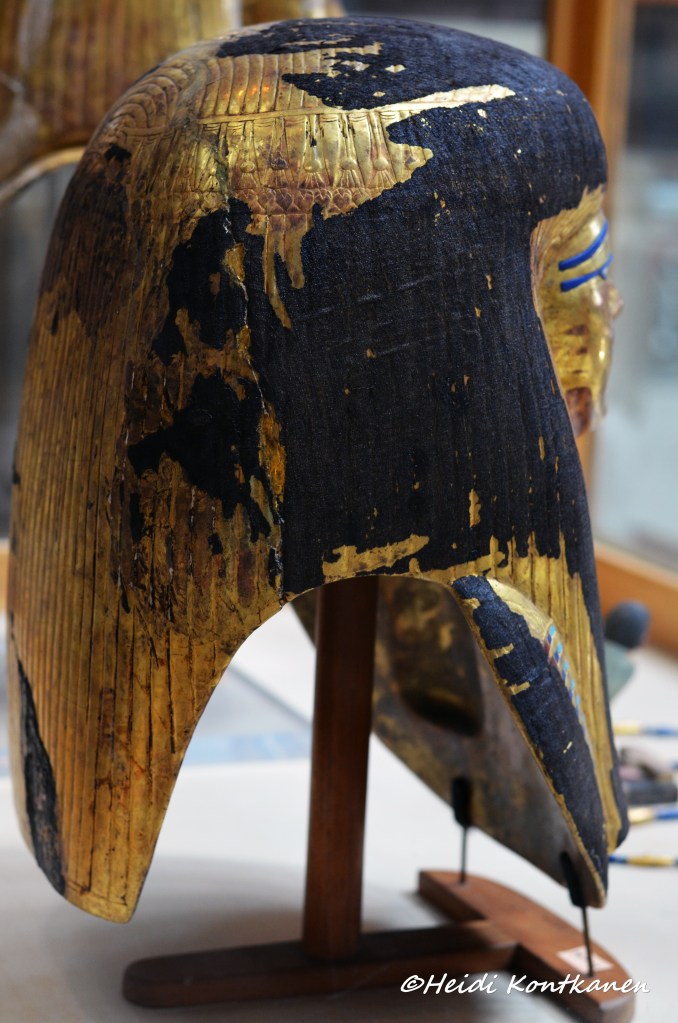
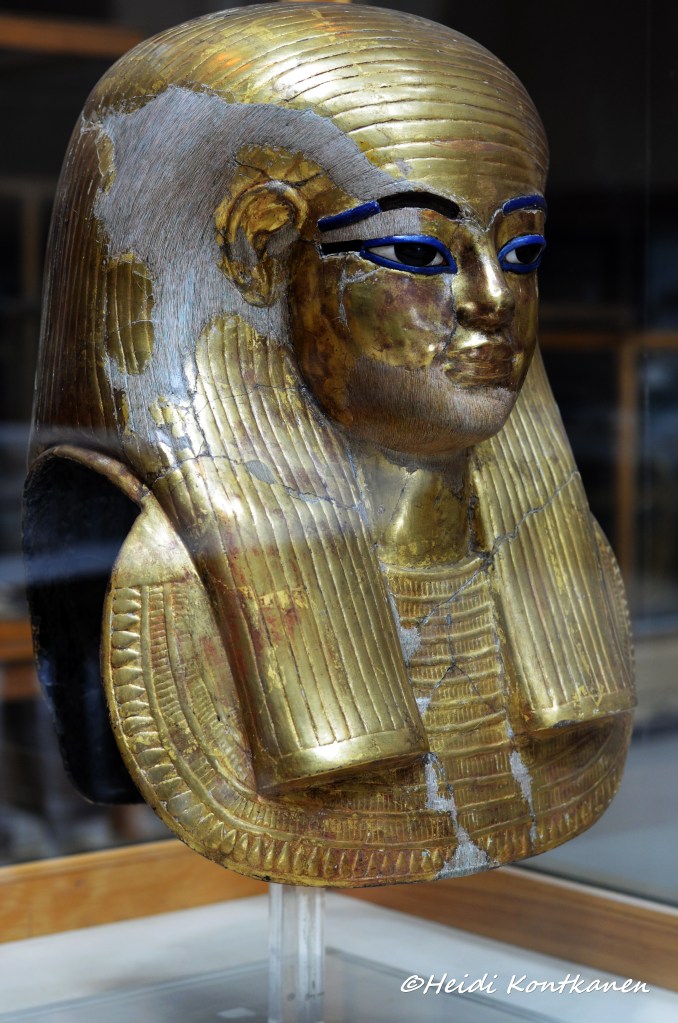
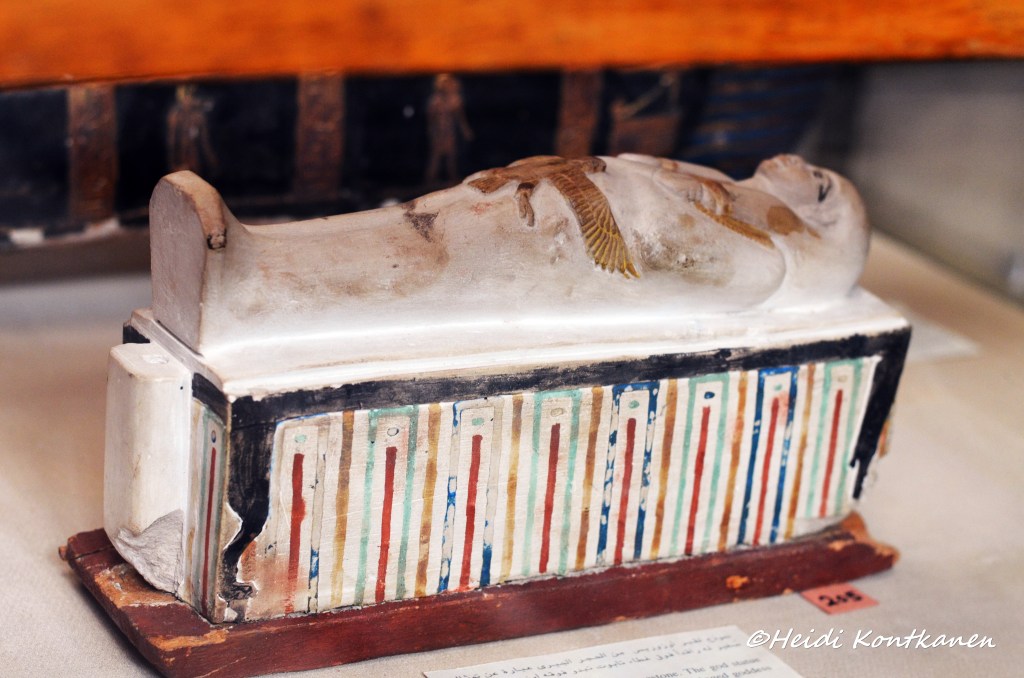
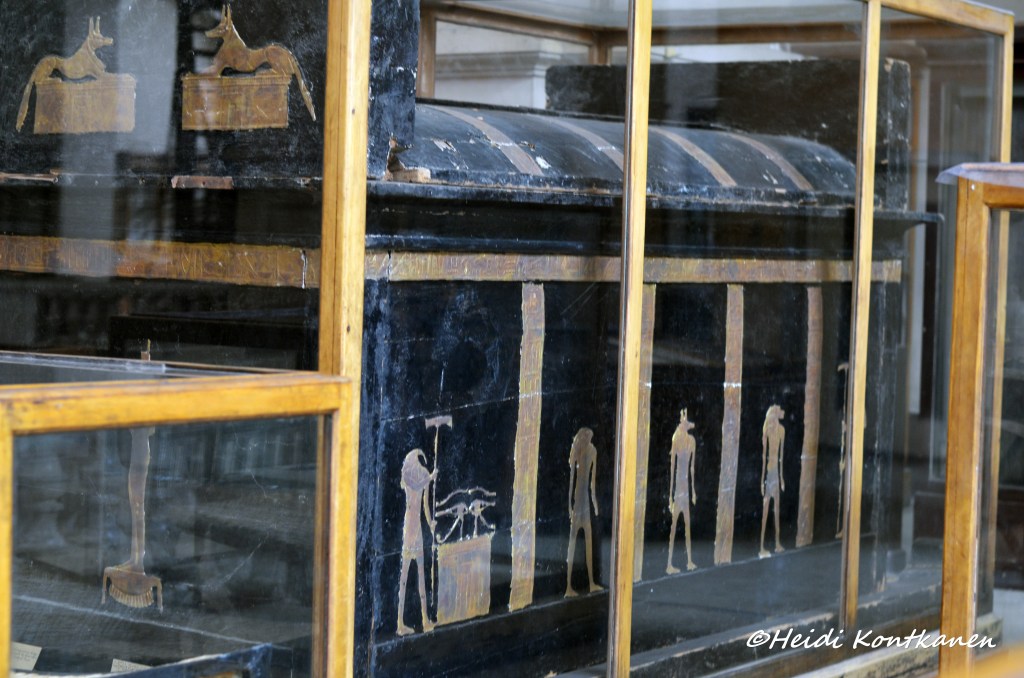

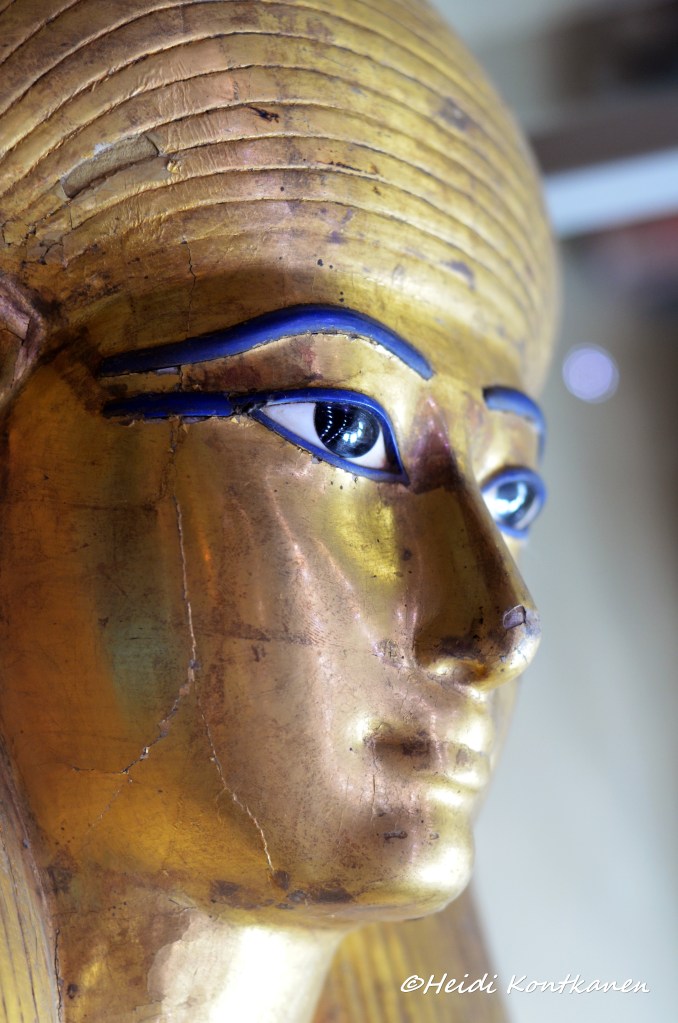
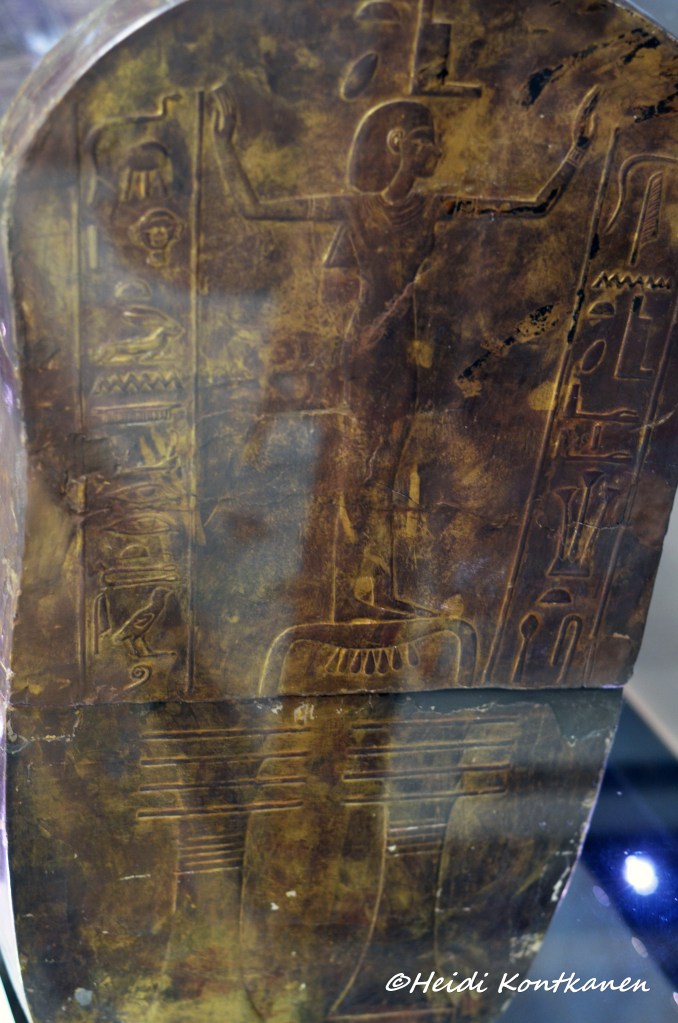
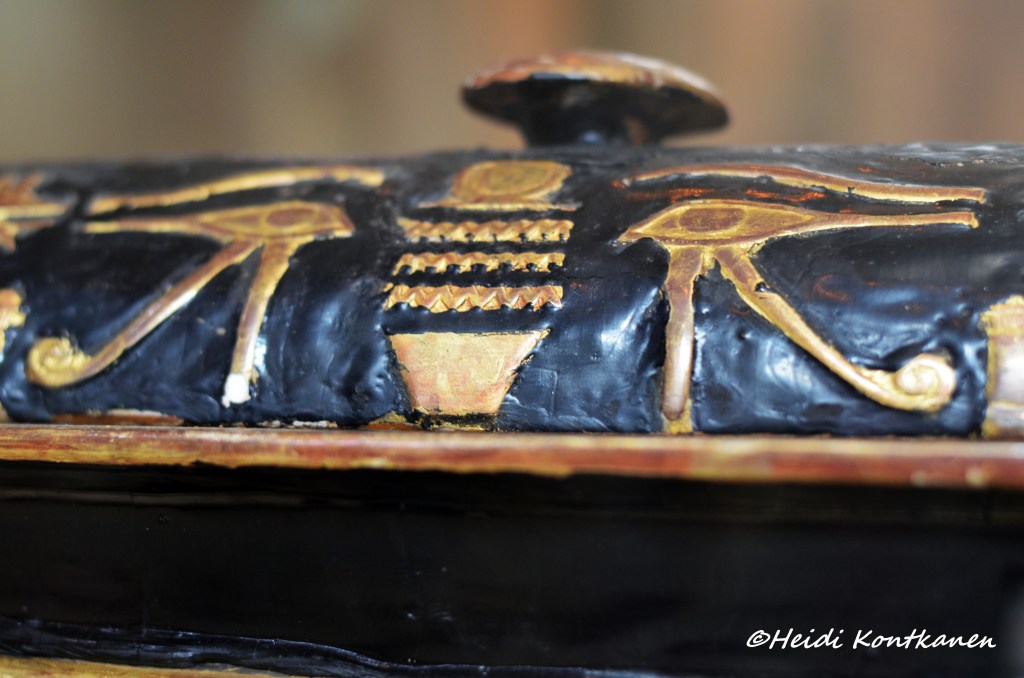
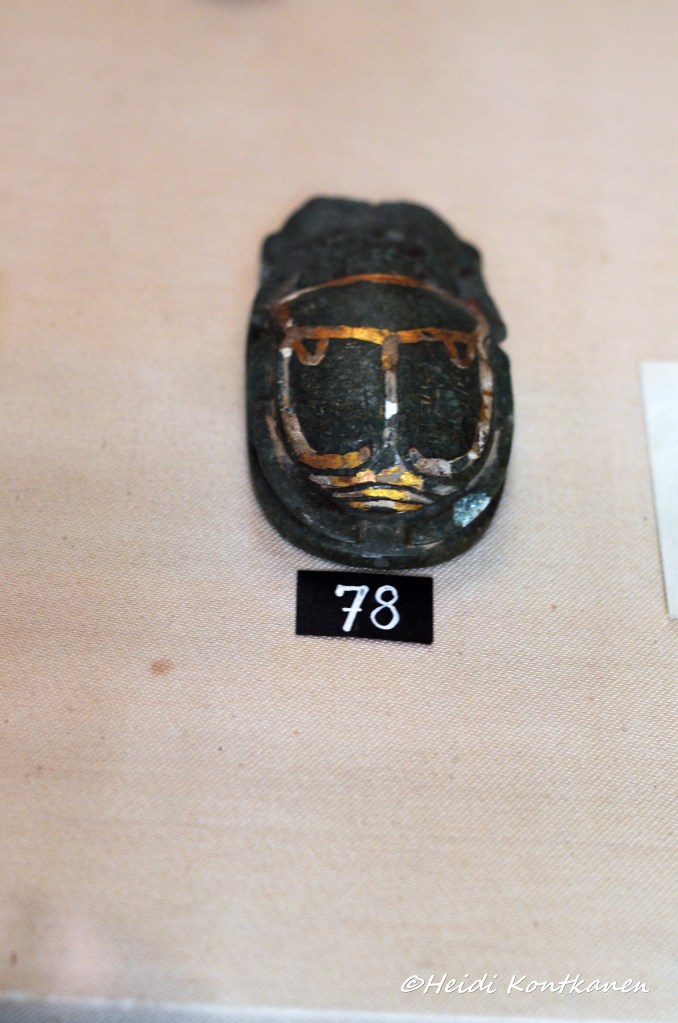
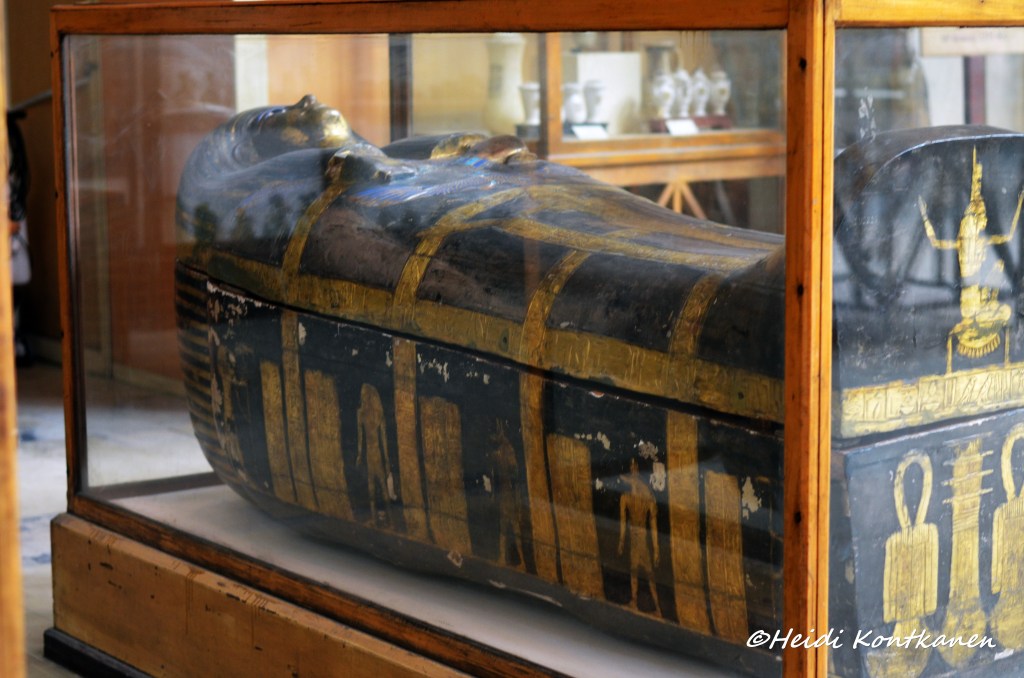
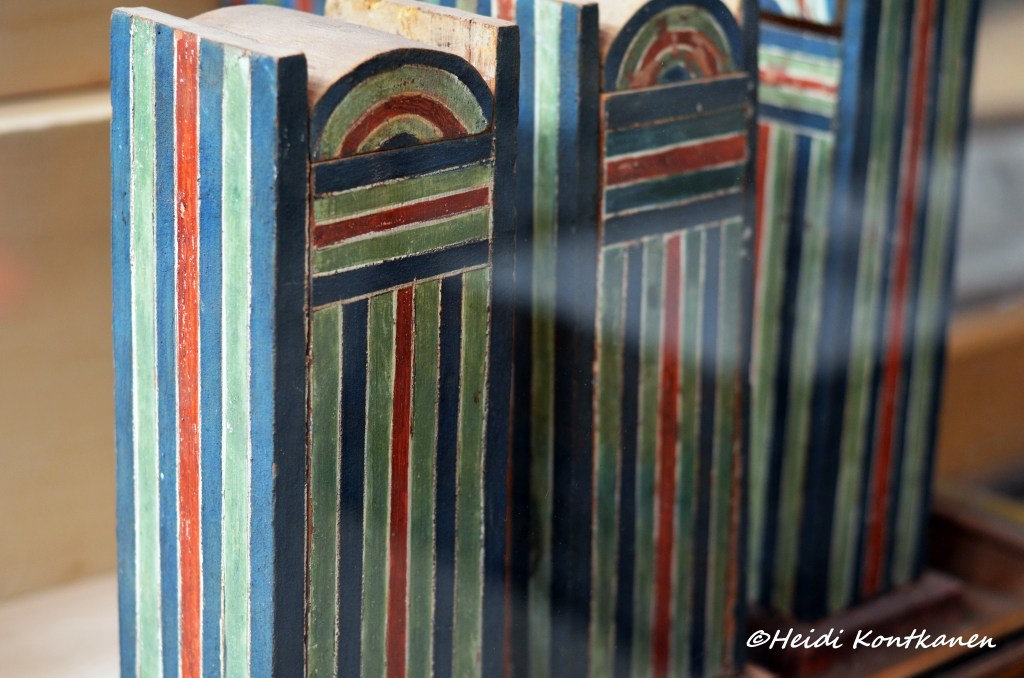
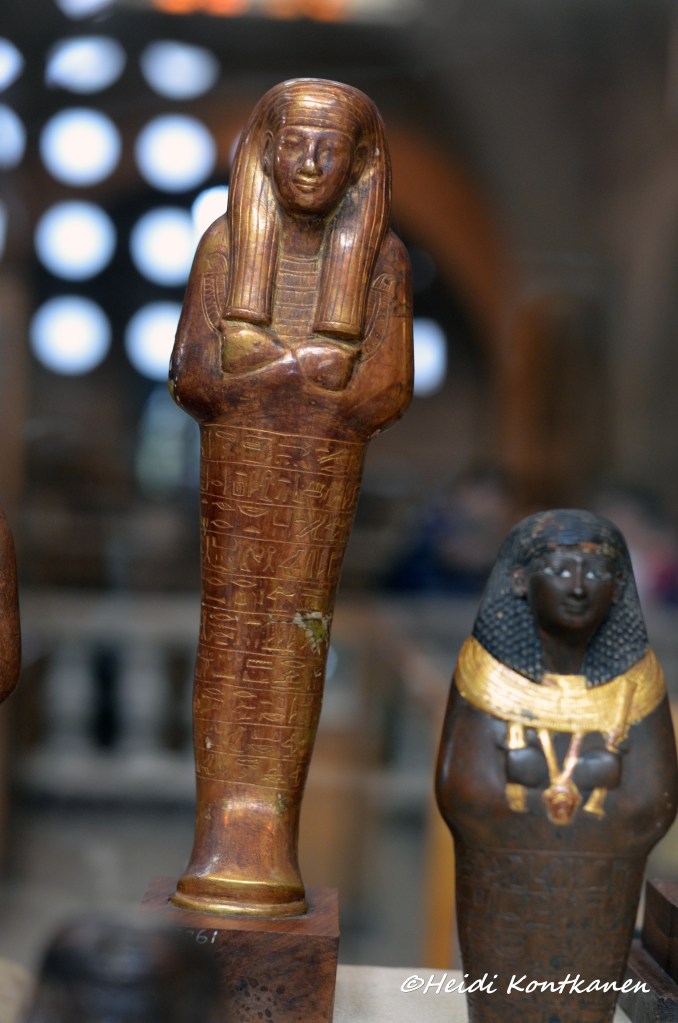
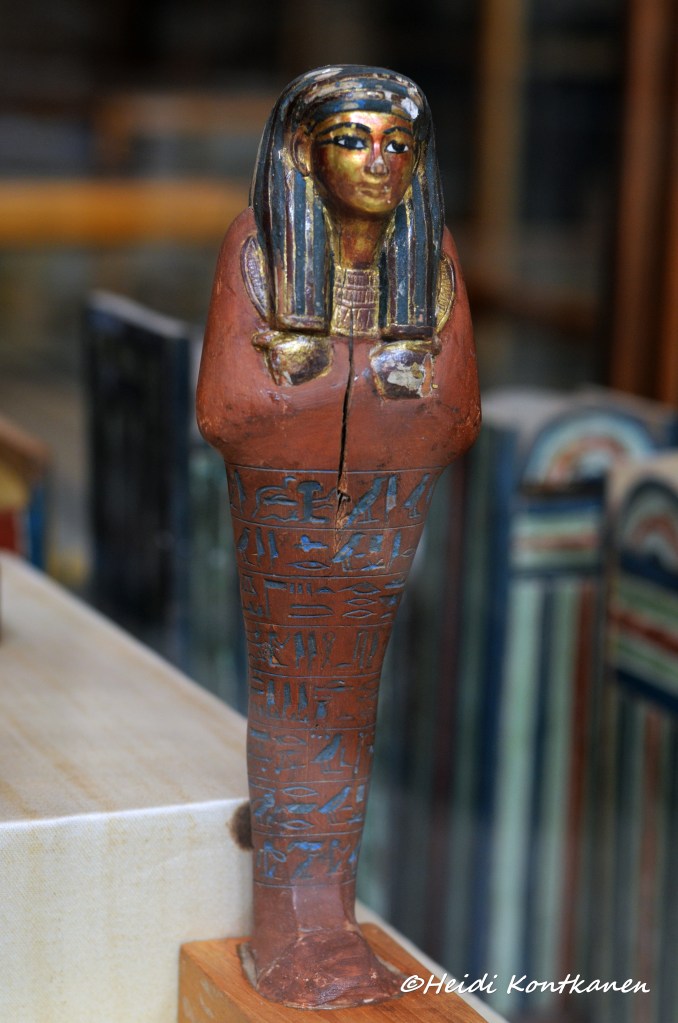
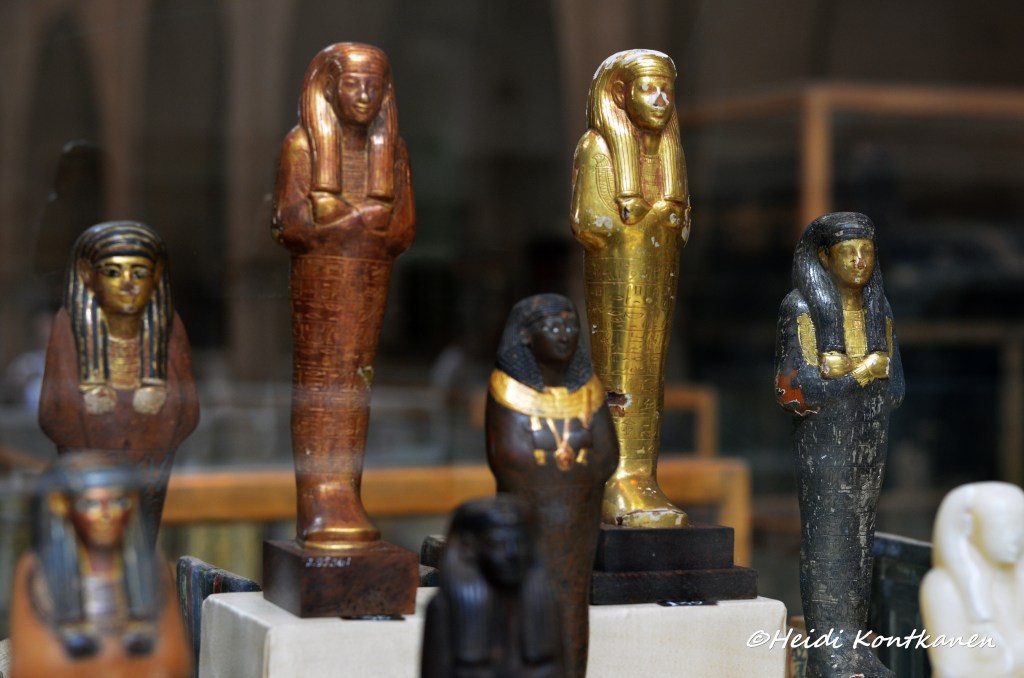
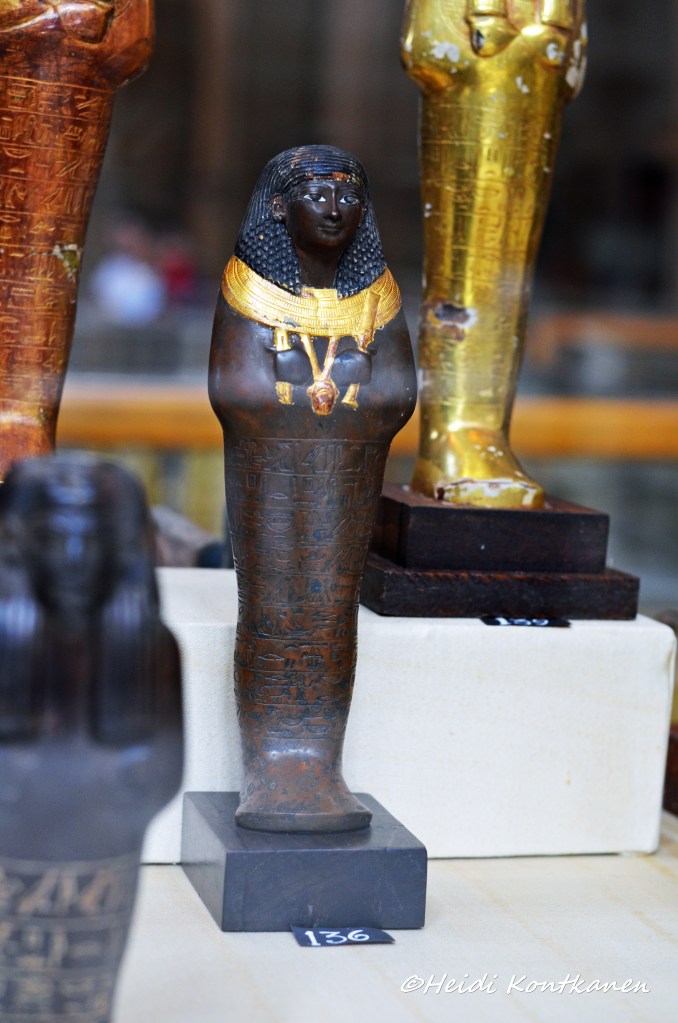

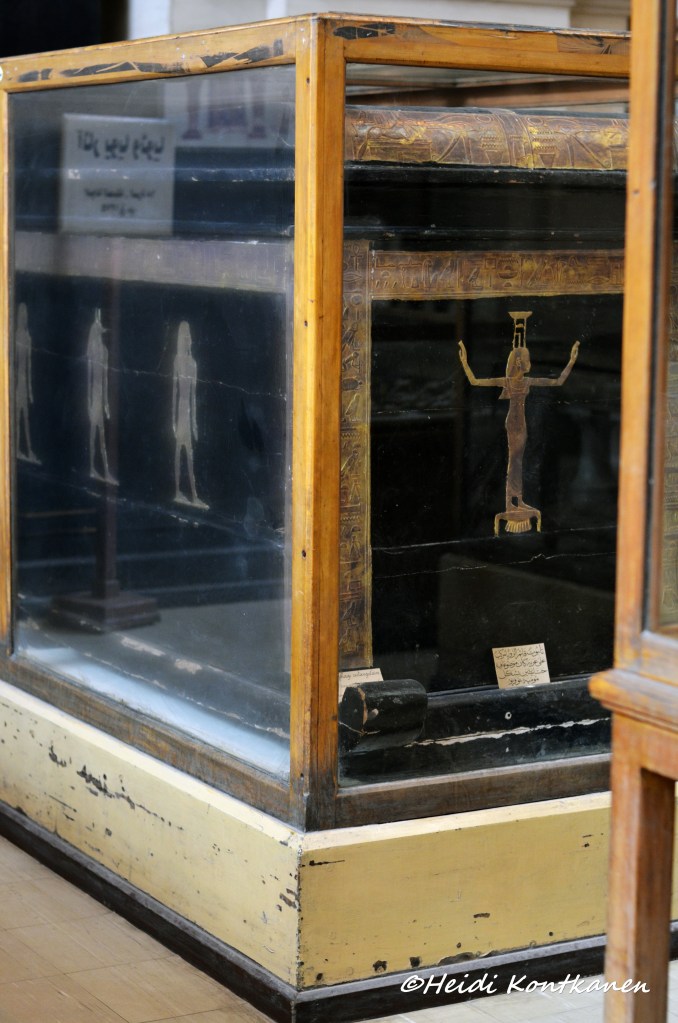
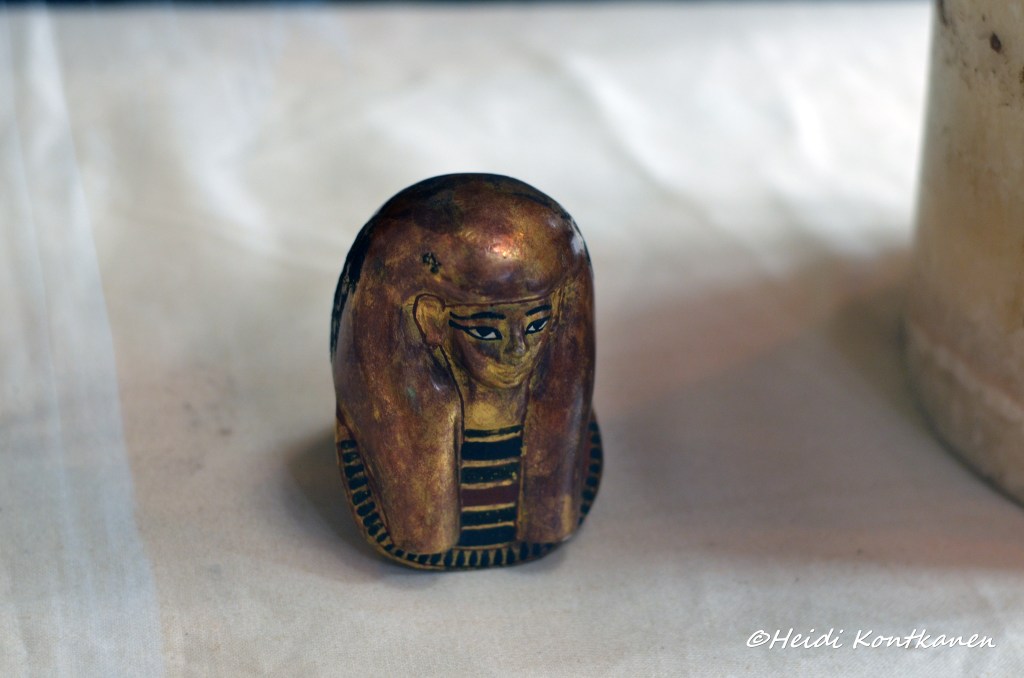
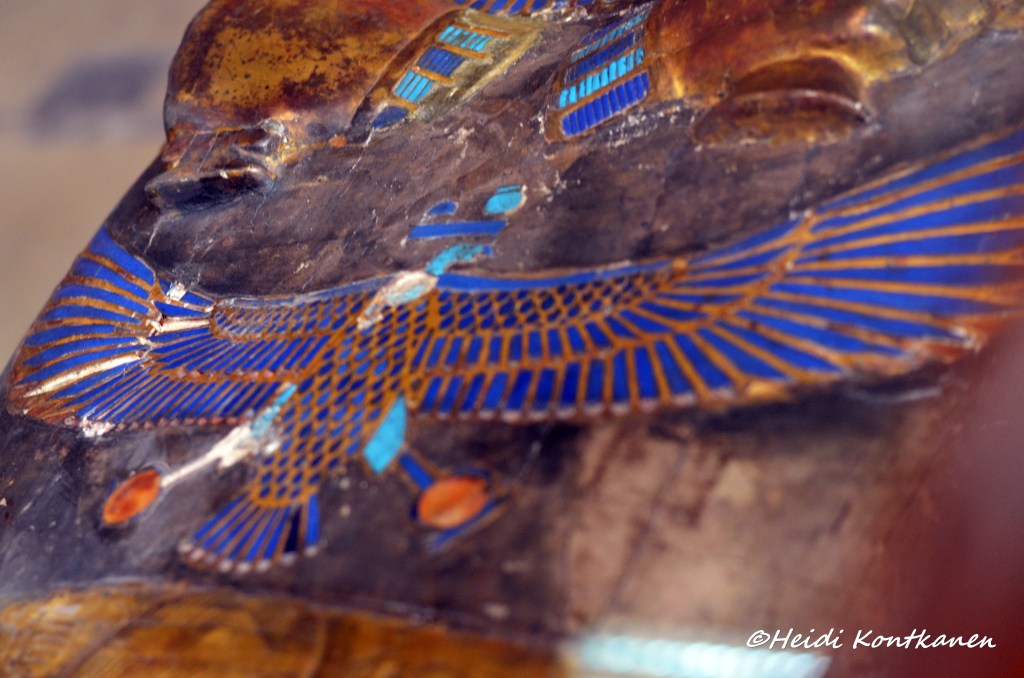

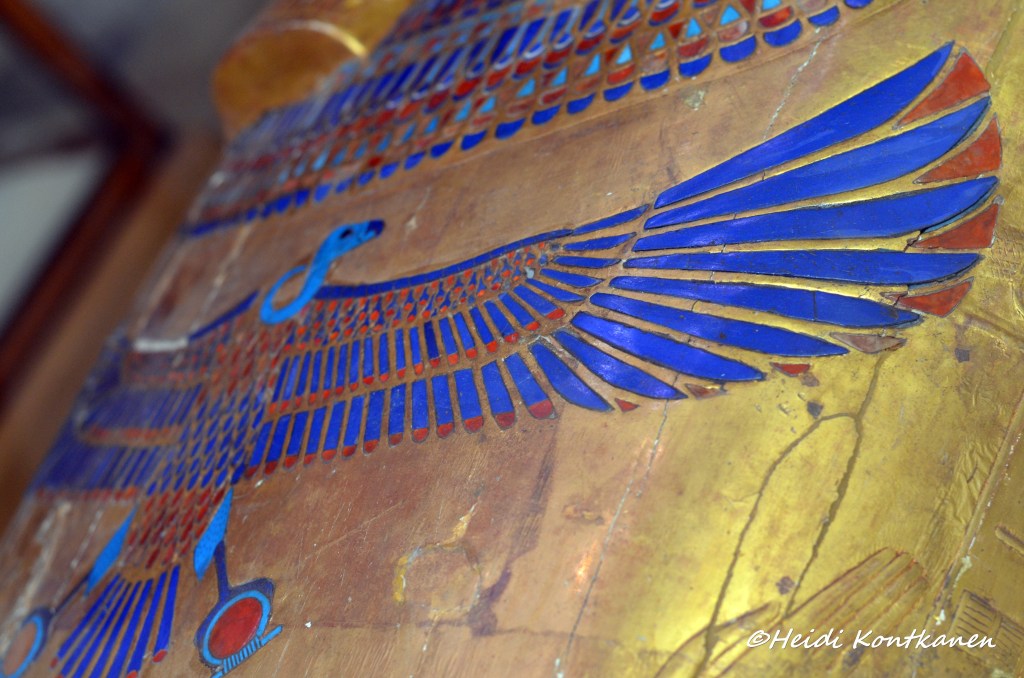
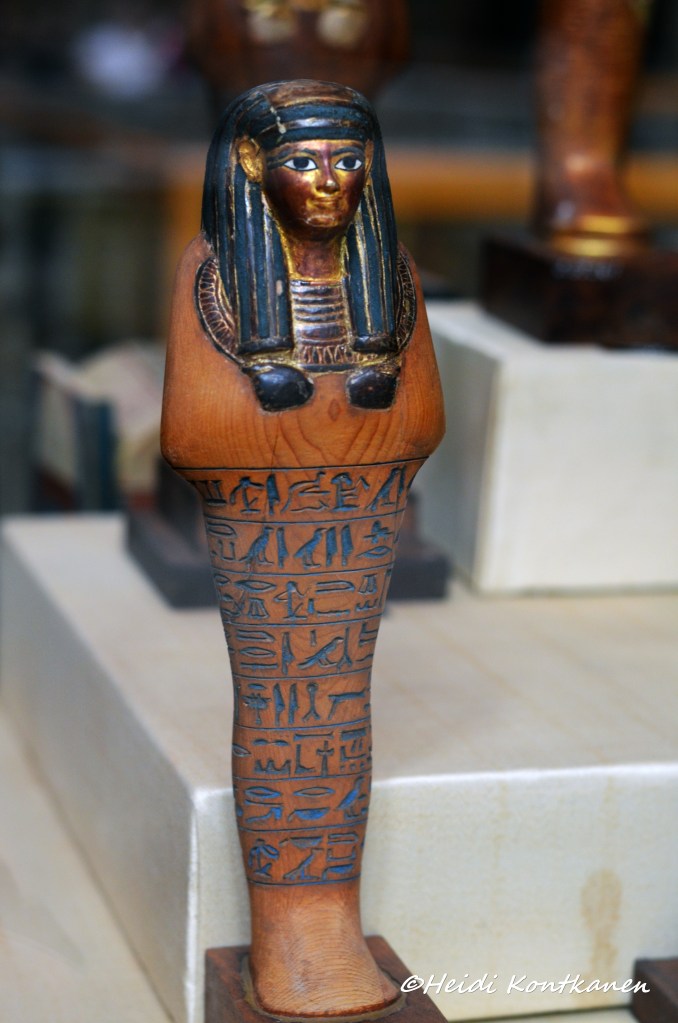

Before the discovery of Tutankhamun
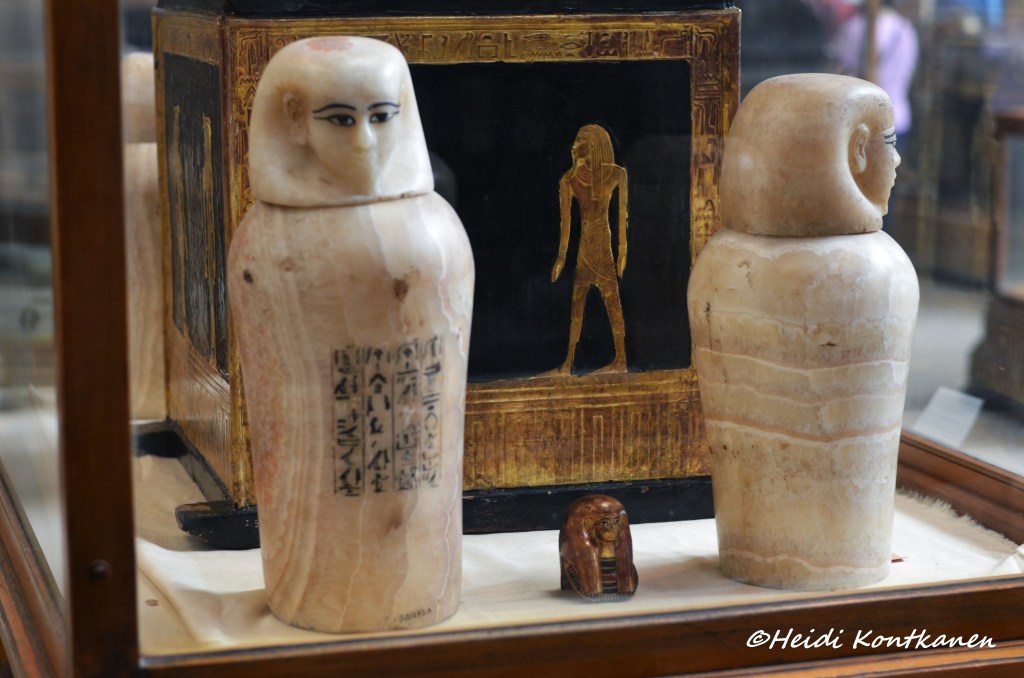
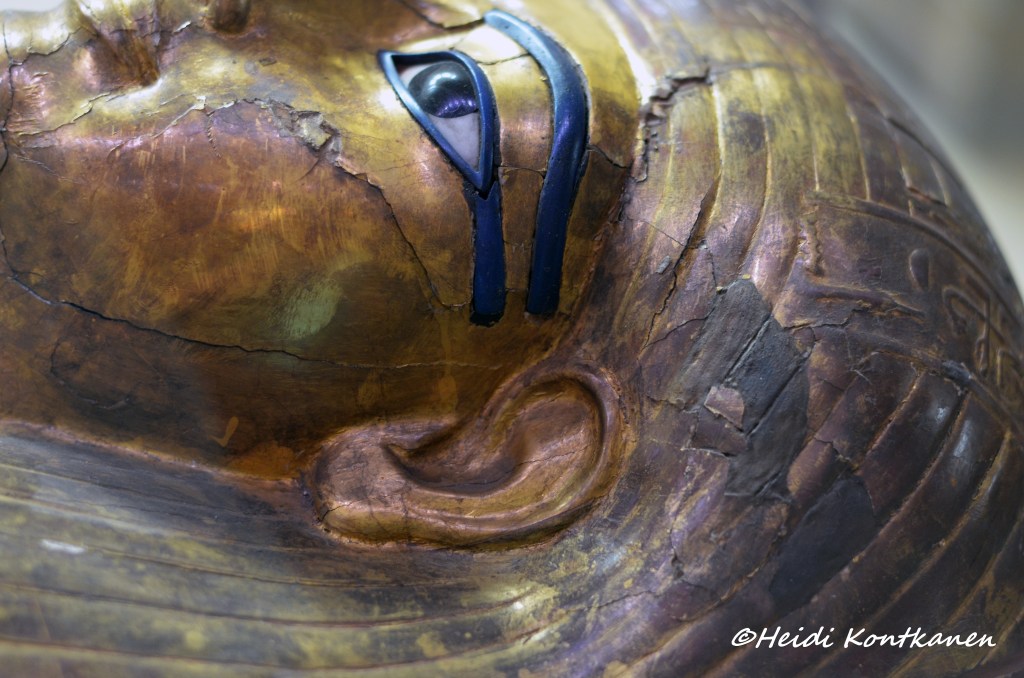
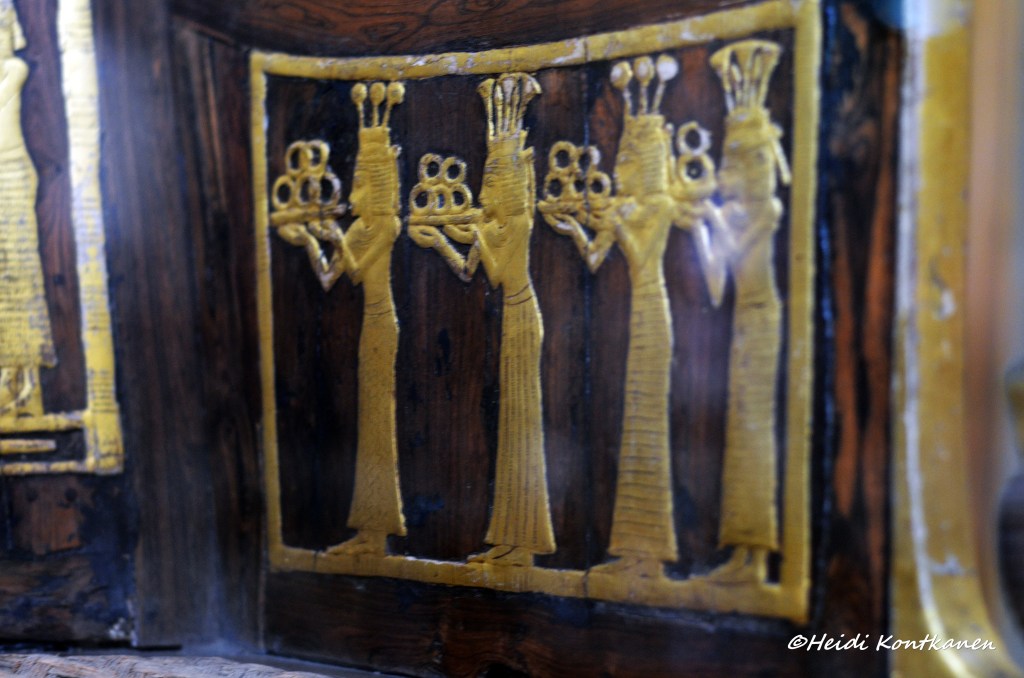
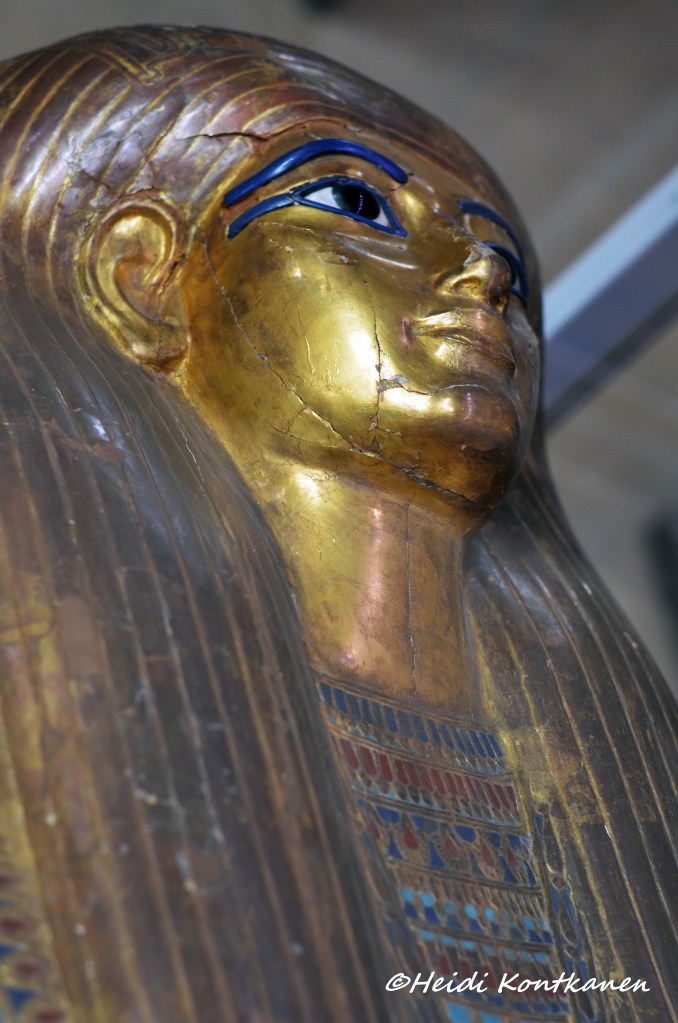
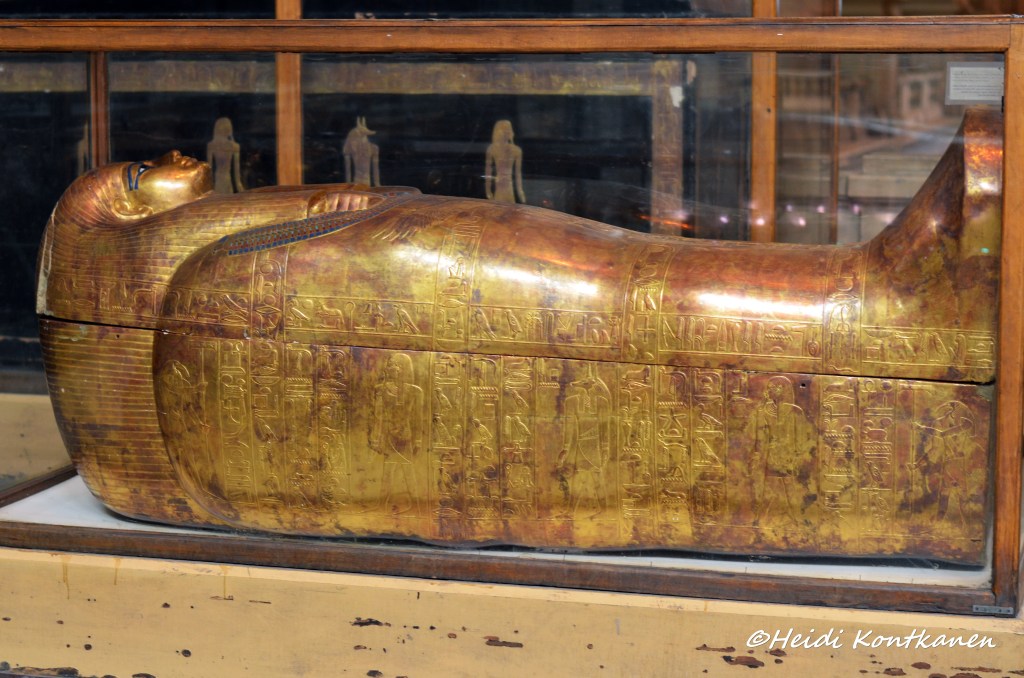
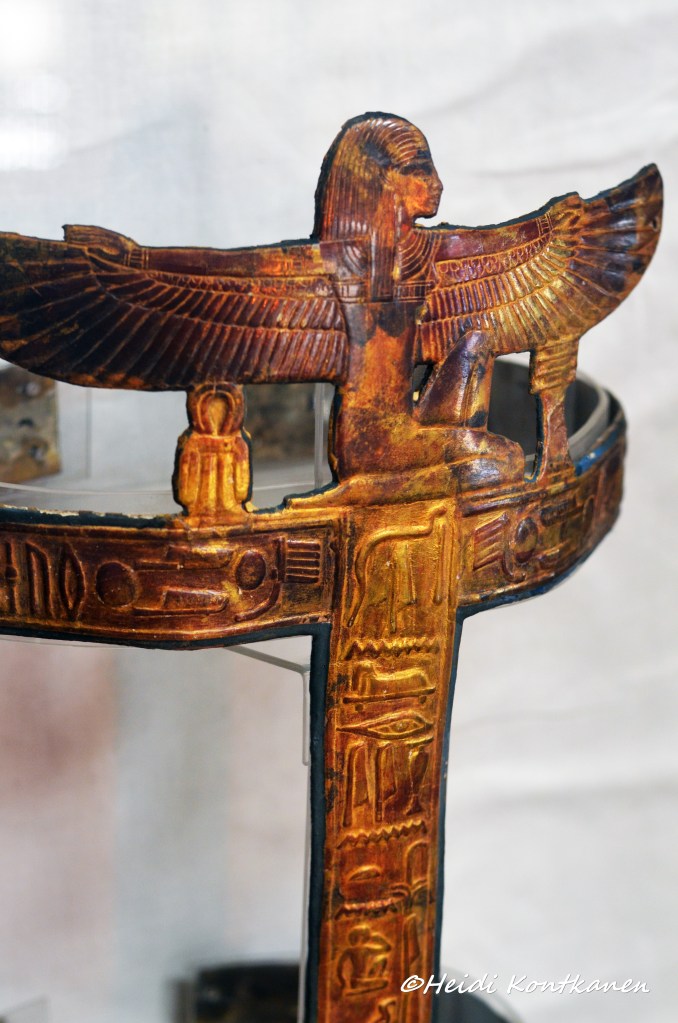
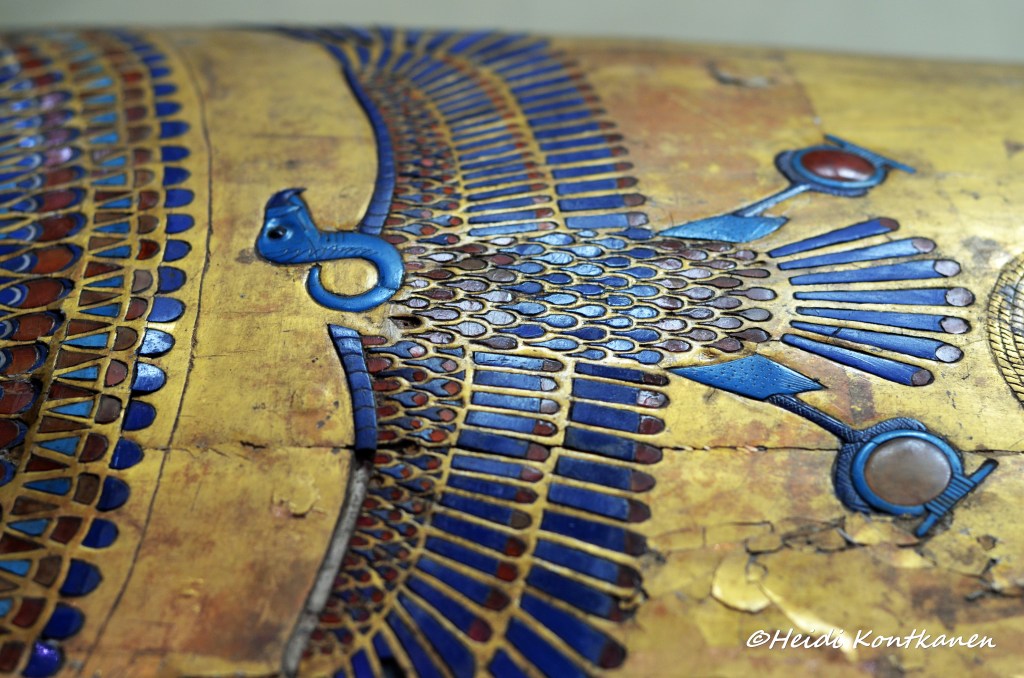
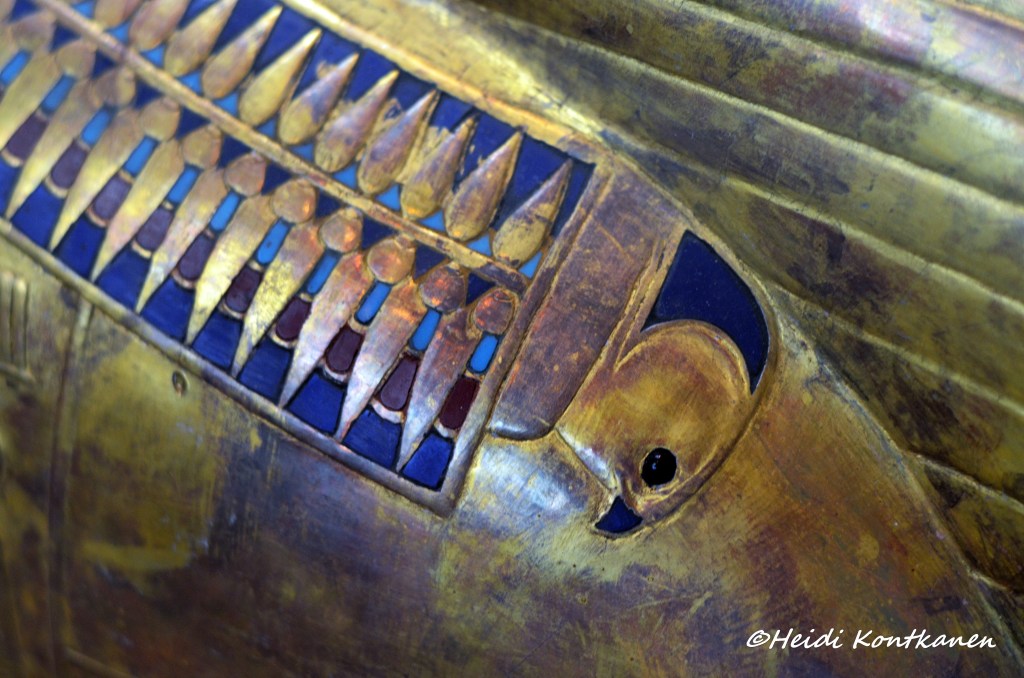
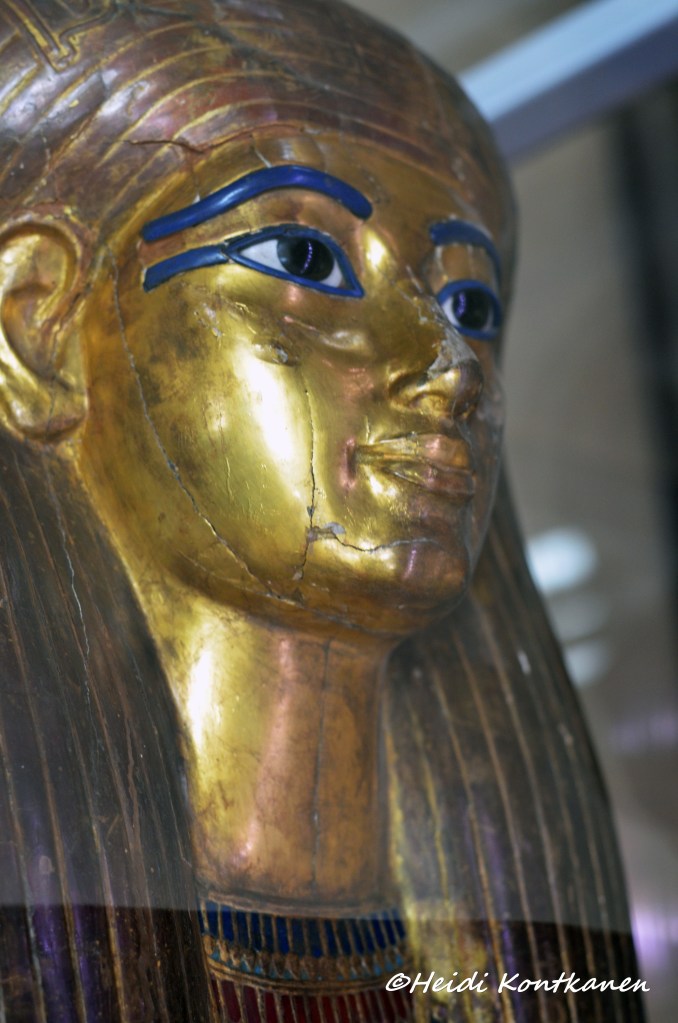
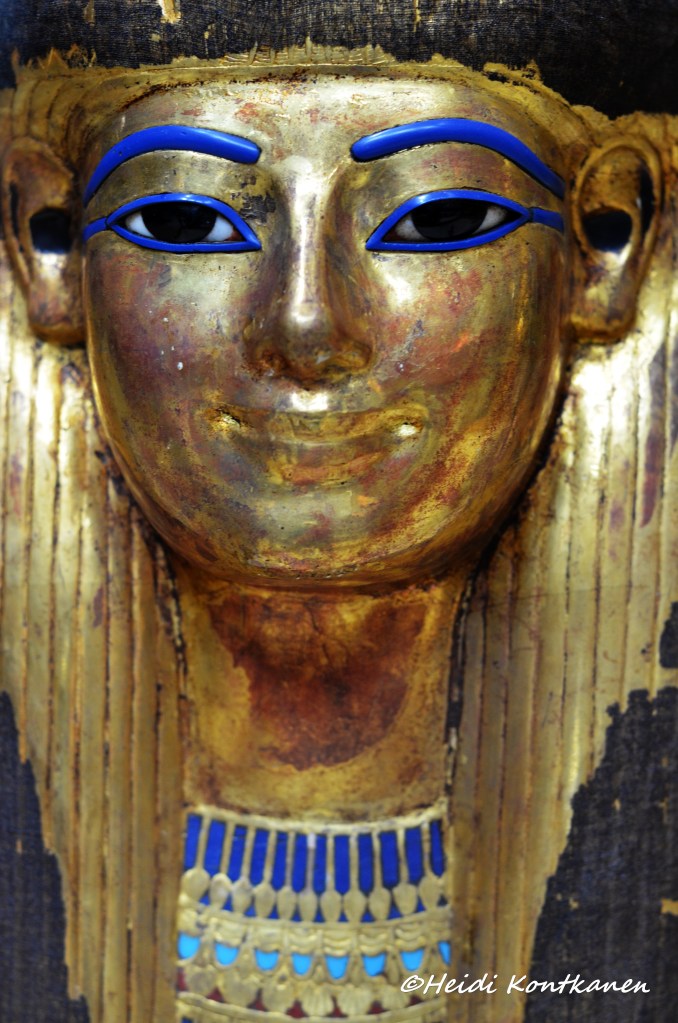
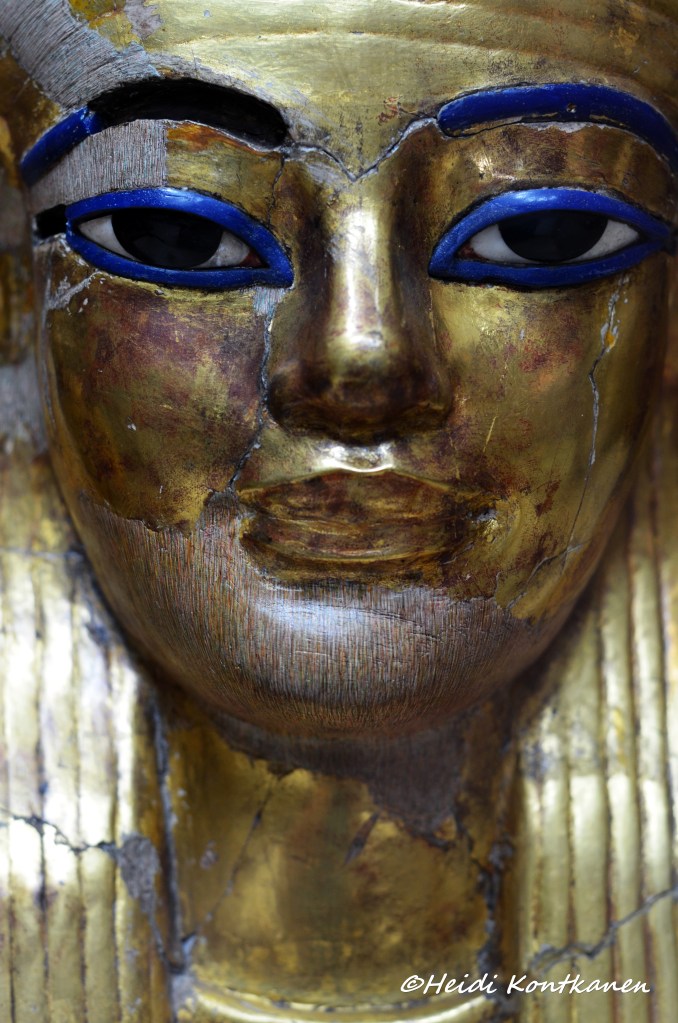
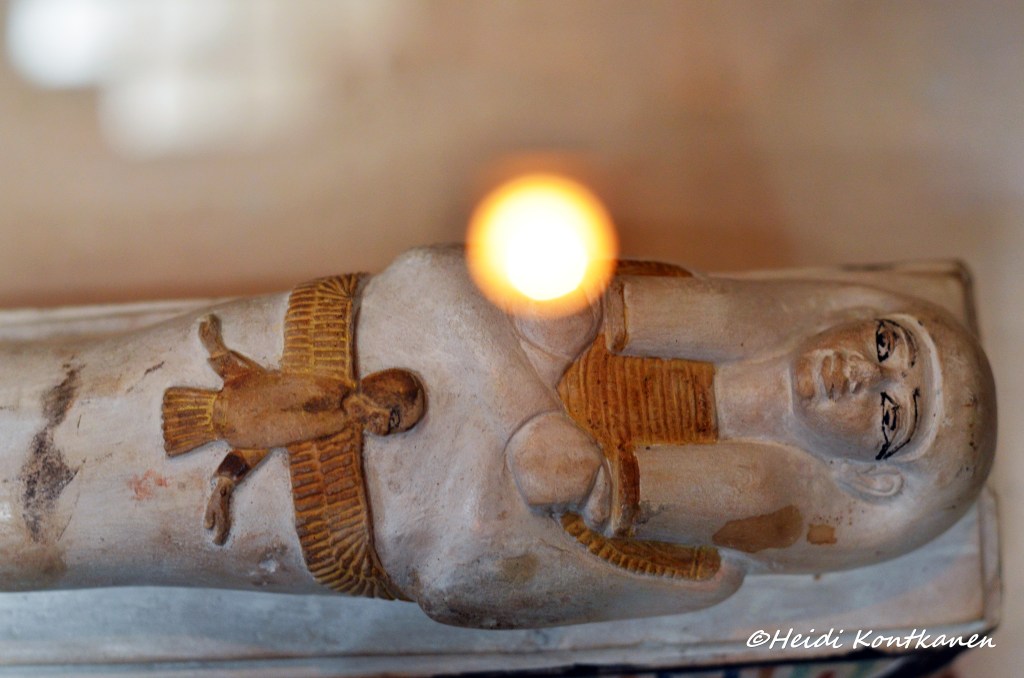
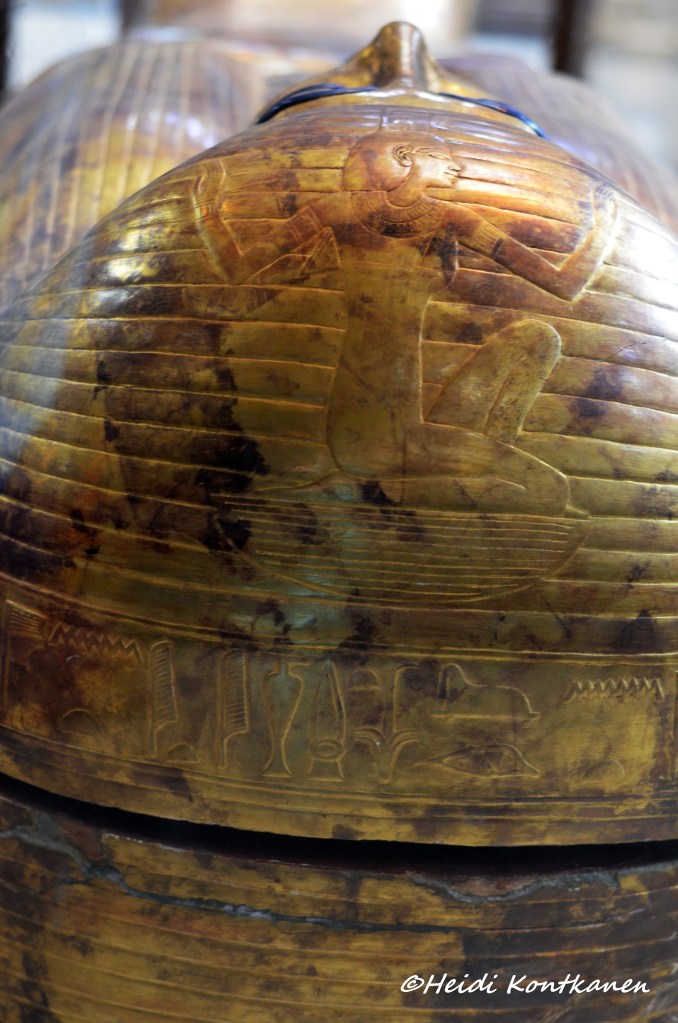
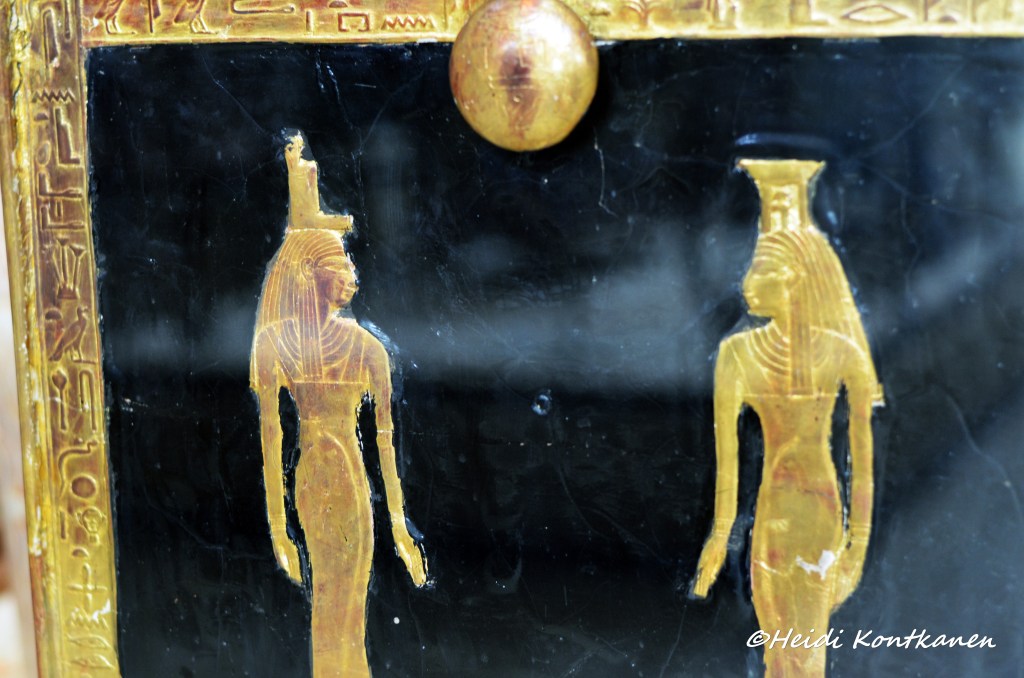
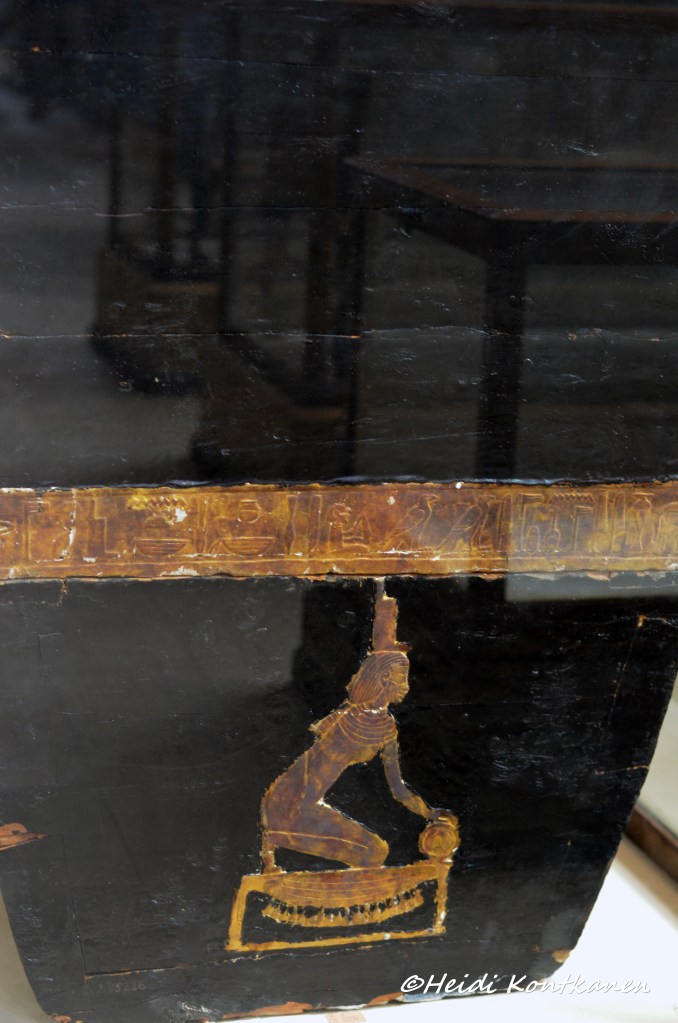
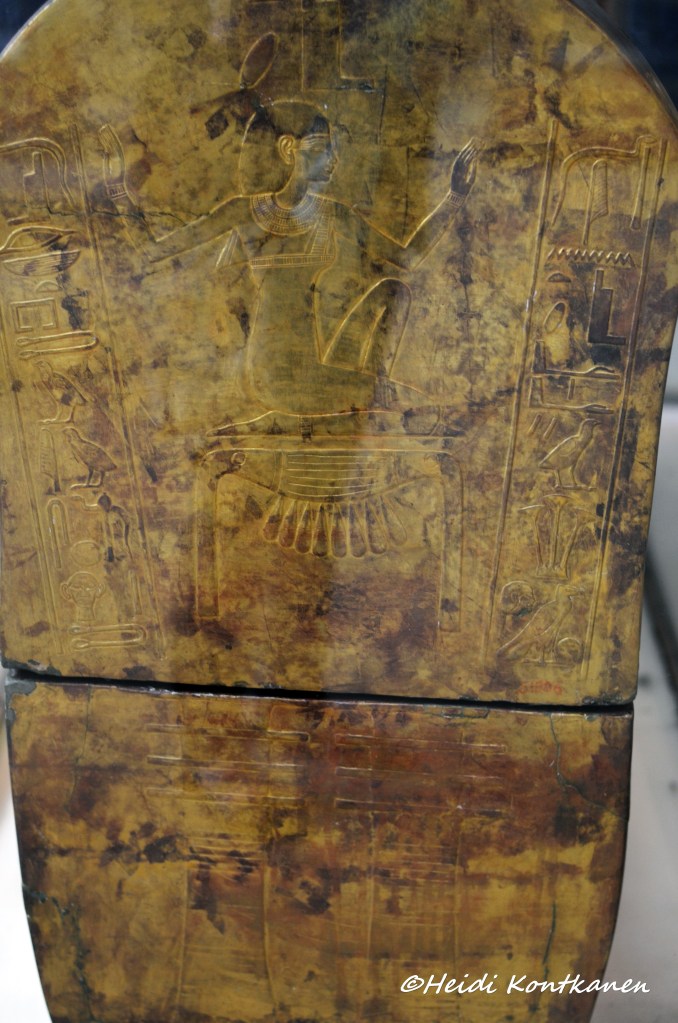
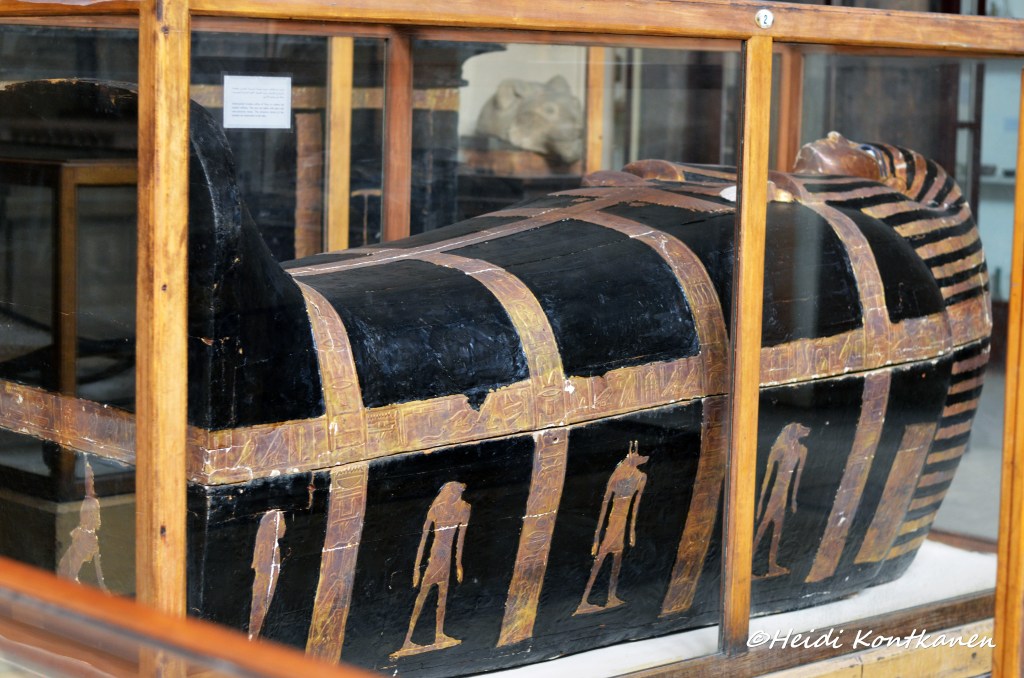
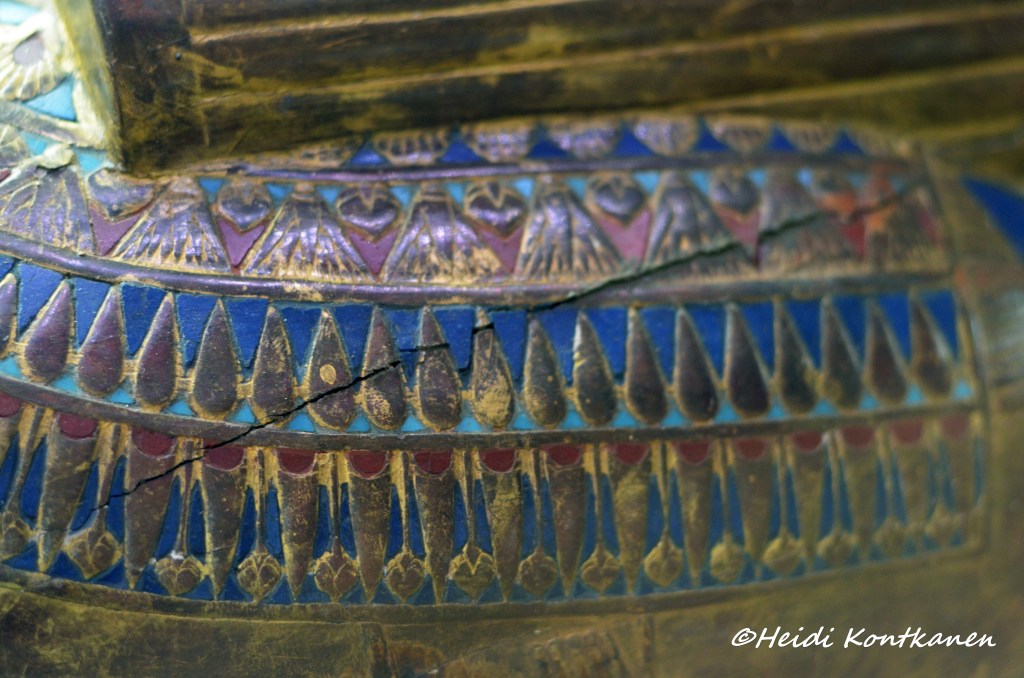
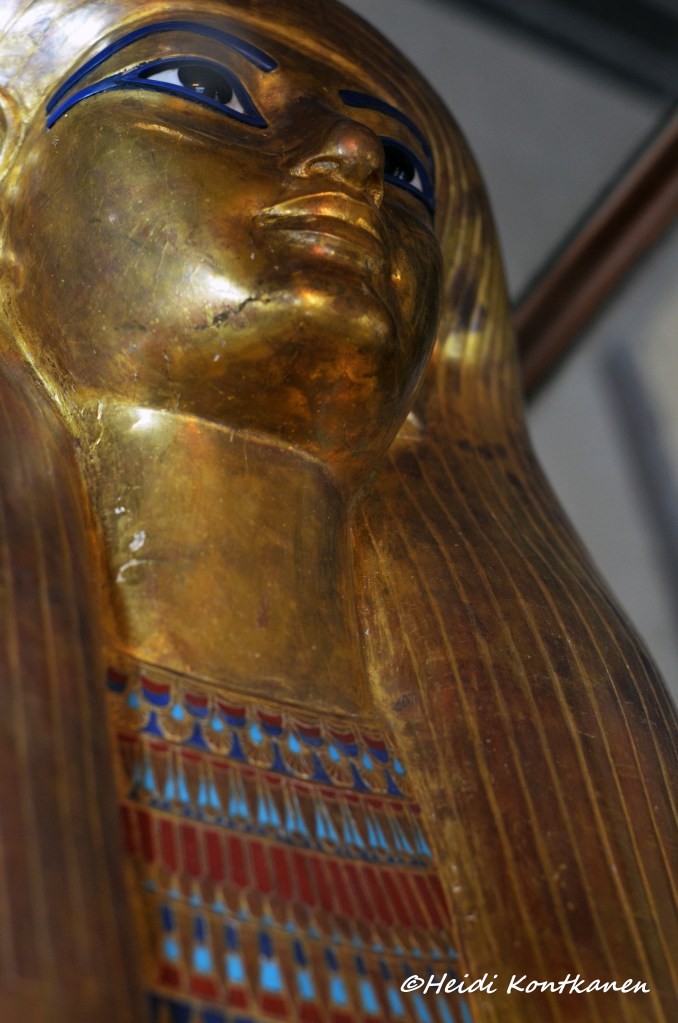
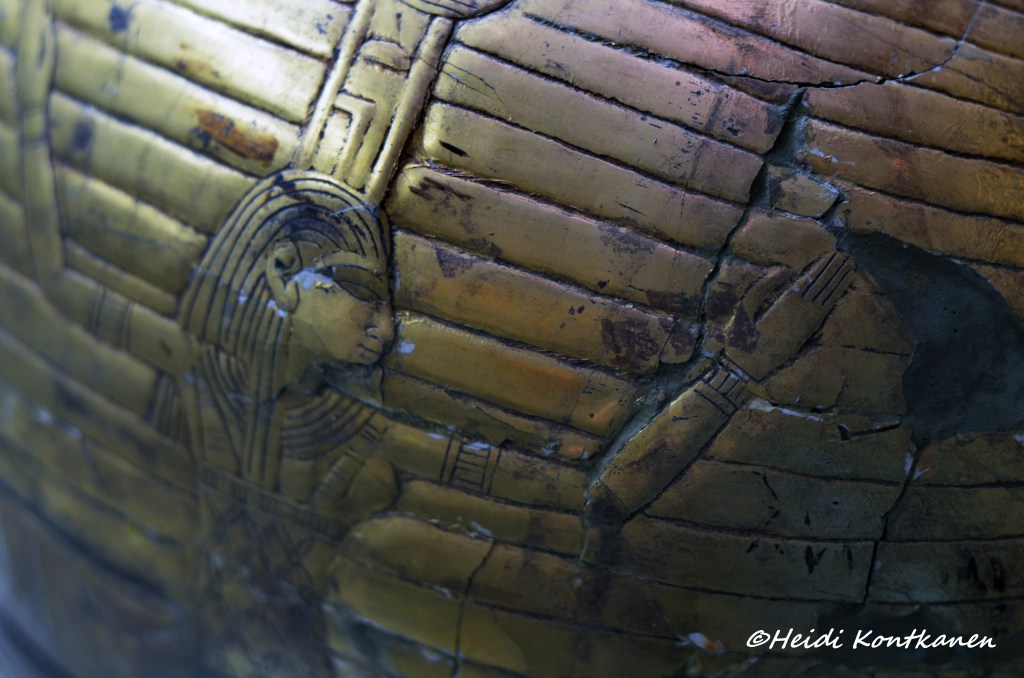
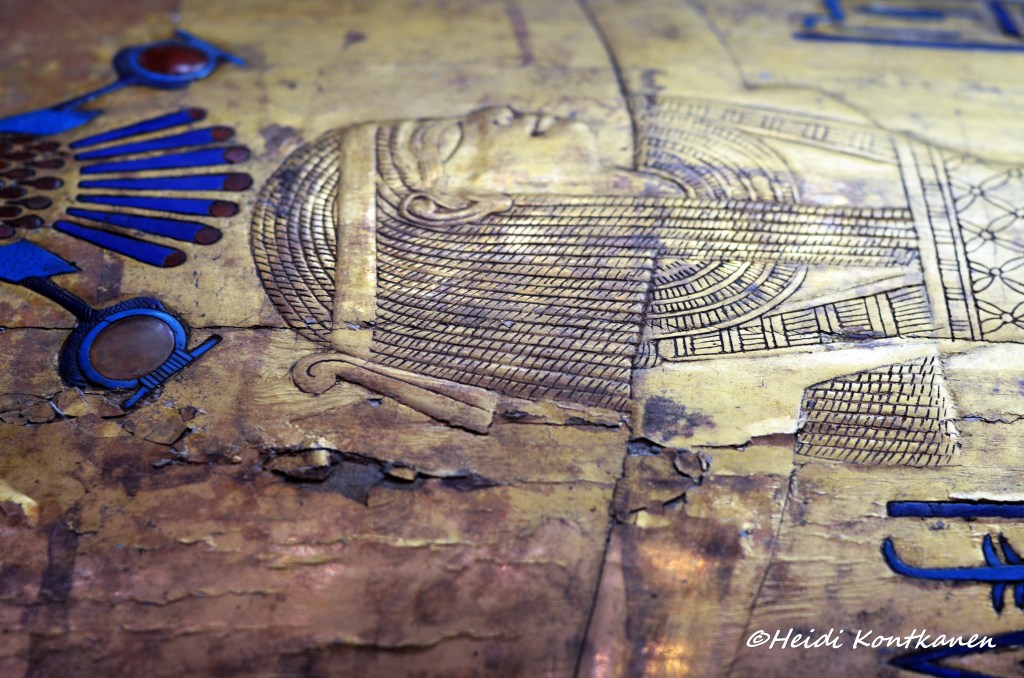
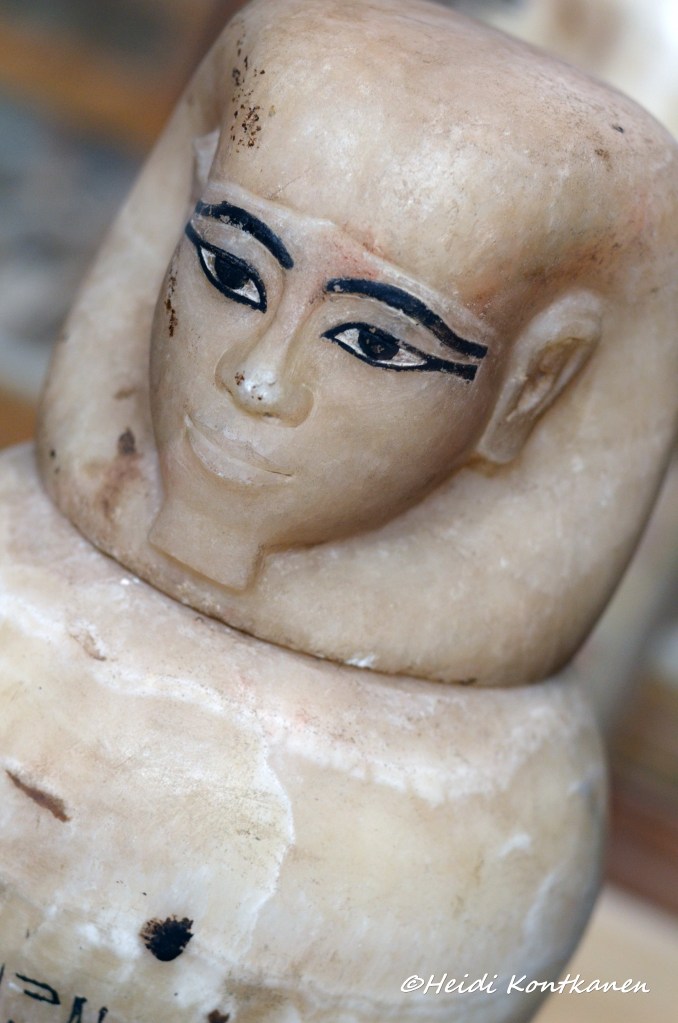
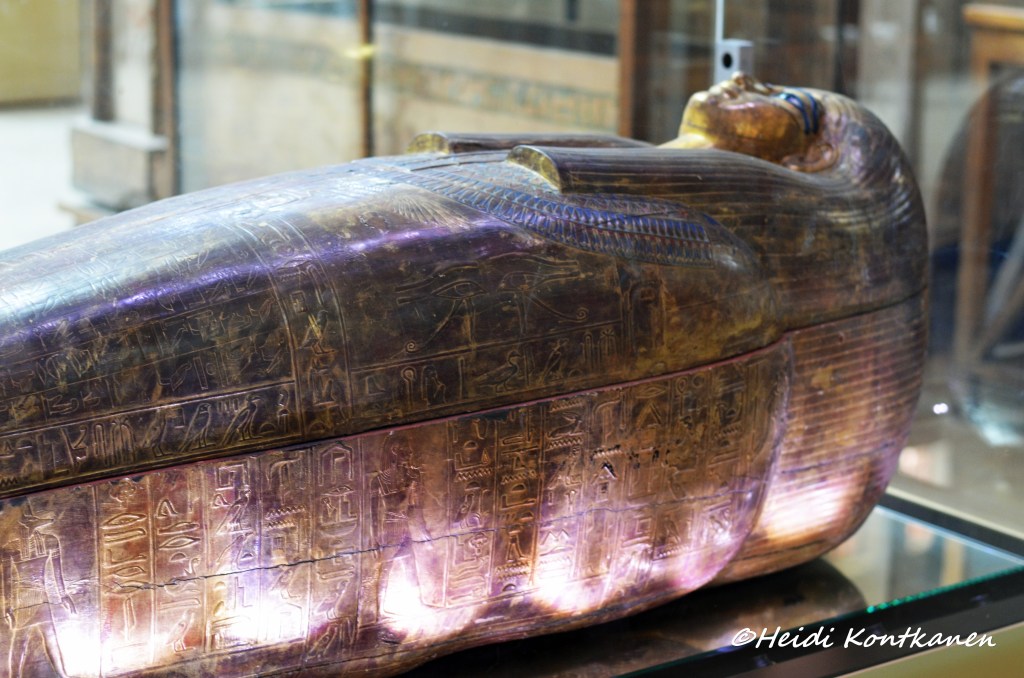
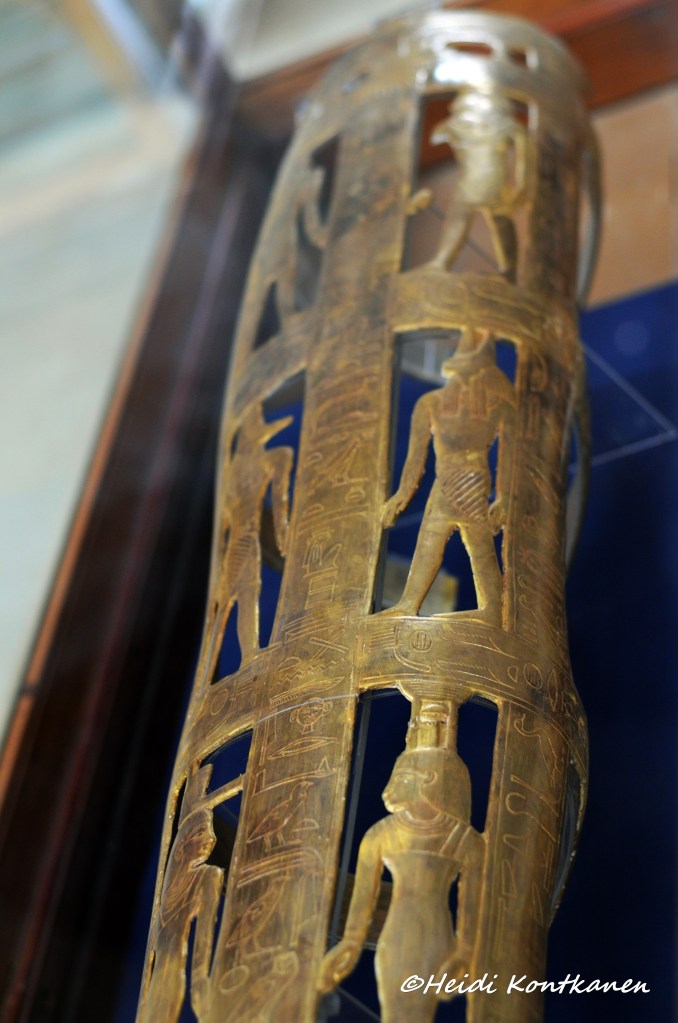
the tomb of Yuya and Tuya
was one of the most celebrated discoveries in Egyptian archaeology.
The excavators believed that the burial had been plundered on one occasion only
In fact KV46 appears to have been entered at least twice and probably on three occasions.
All the more portable valuables had gone – metalwork (including all jewellery not wrapped in with the mummies)
and most of the linens not associated directly with the corpses.
The tomb was still in a state of disarray when entered by Davis in 1905.
The mummies had been disturbed within their coffins, while promising-looking boxes had their lids ripped off.
Yuya and Tuya died at separate times, and were interred in KV46 on two separate occasions.
“… so remarkable was the preservation that the silver was still bright, but within three days, and before anything could be moved, it had become black” –
James Quibell –
Text above is from the book
The Complete Valley of the Kings
by Nicholas Reeves and Richard H. Wilkinson
Photos taken in Cairo Museum and text information of the photos are from the museum info cards and from Catalogue Général des Antiquités Égyptiennes du Musée du Caire no 51001-51191 –
Tomb of Yuaa and Thuiu – par M.J.E.Quibell, from year 1908.
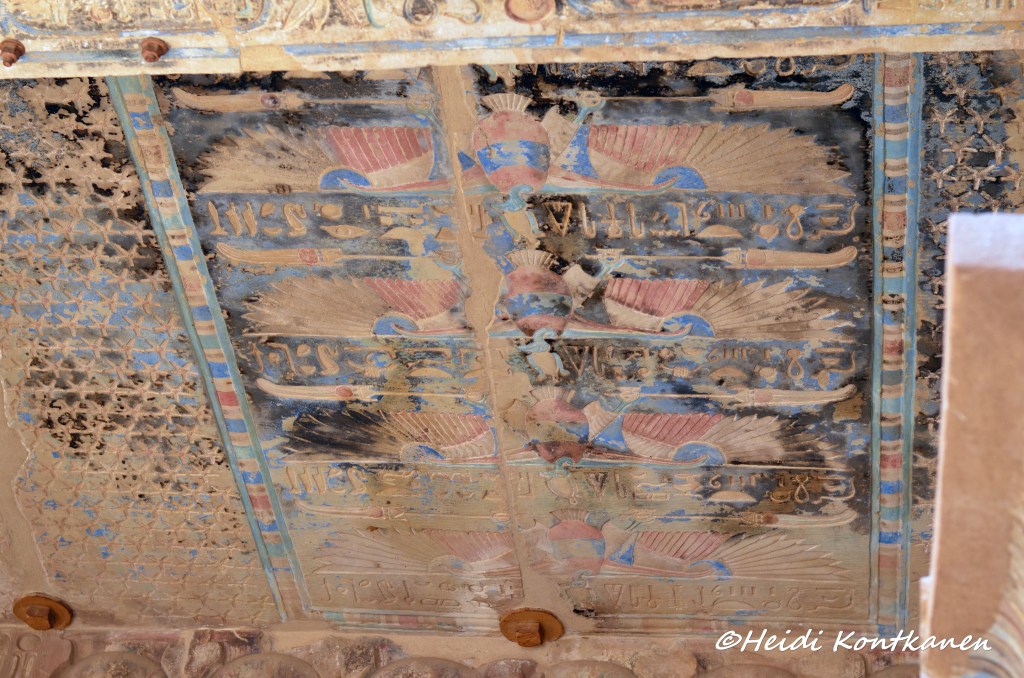
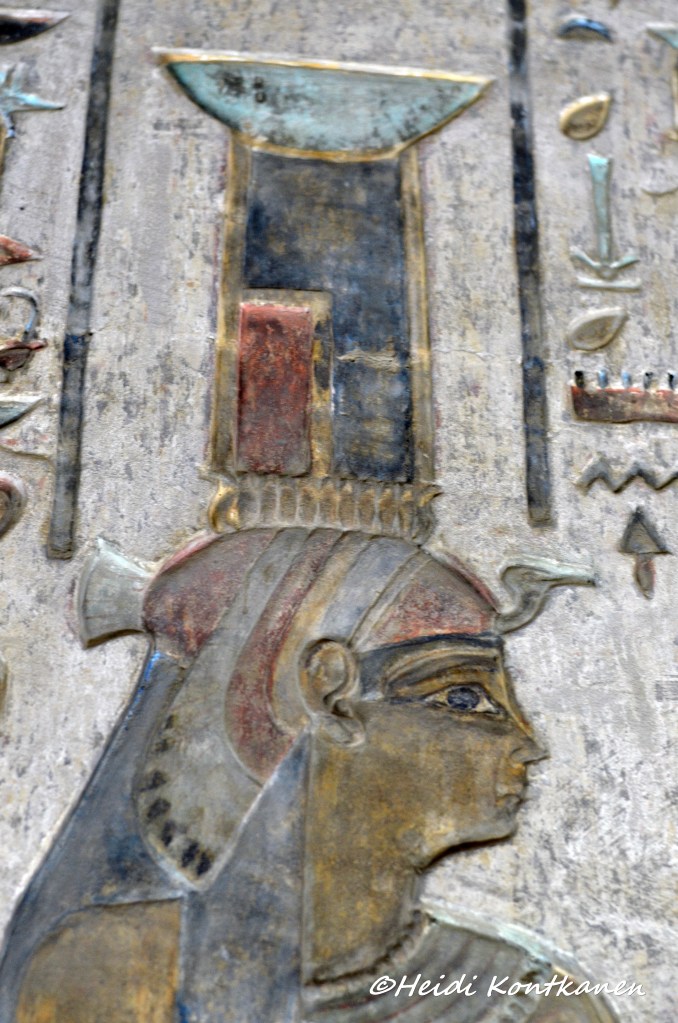
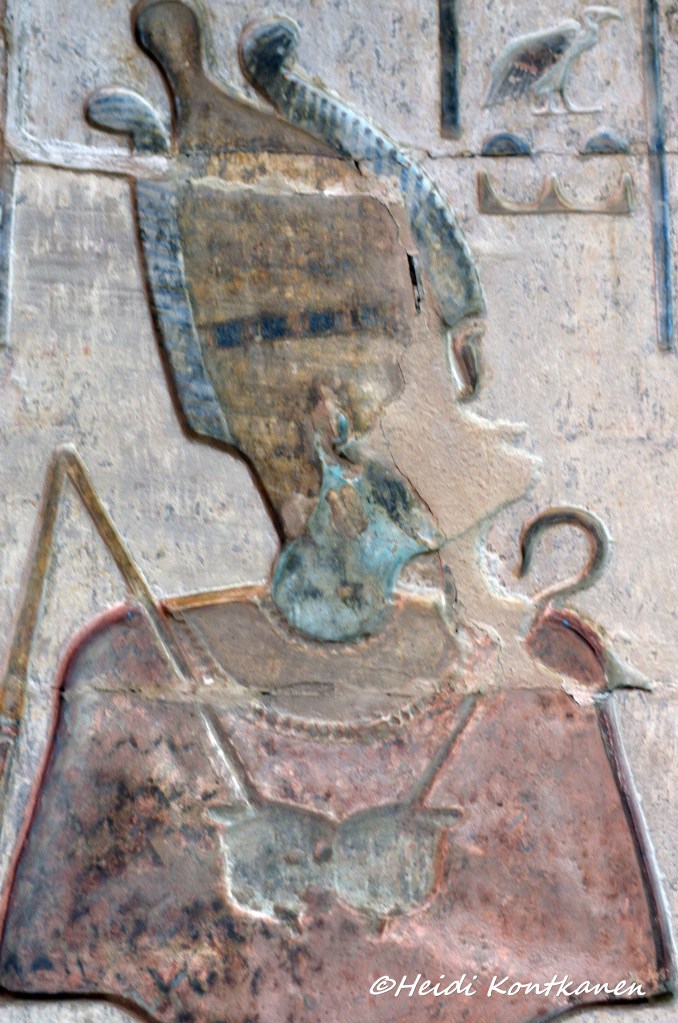
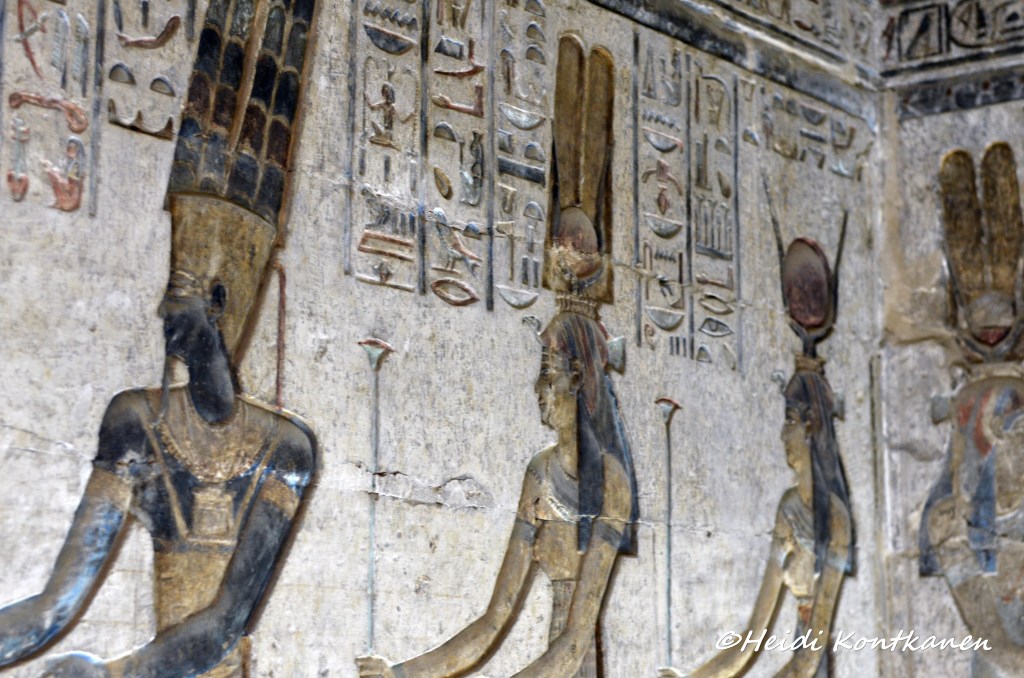
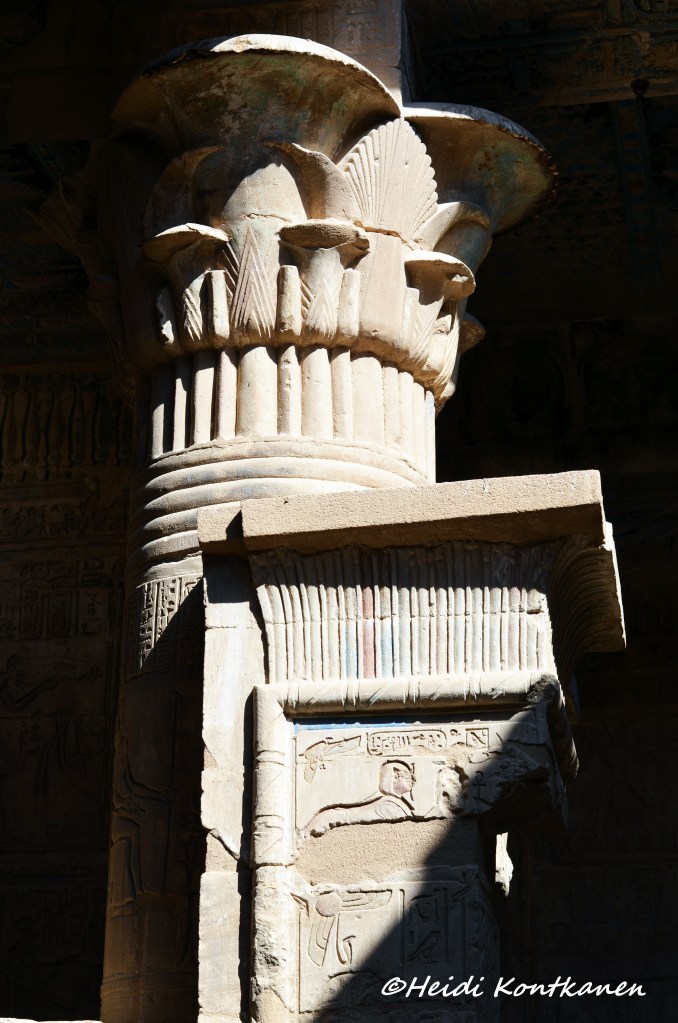
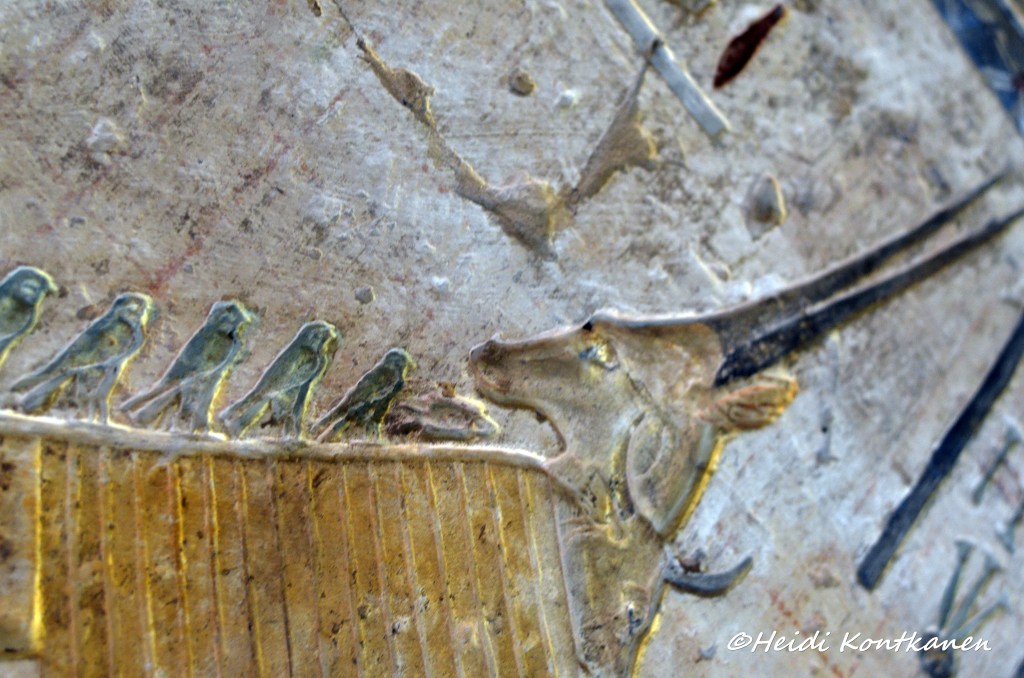
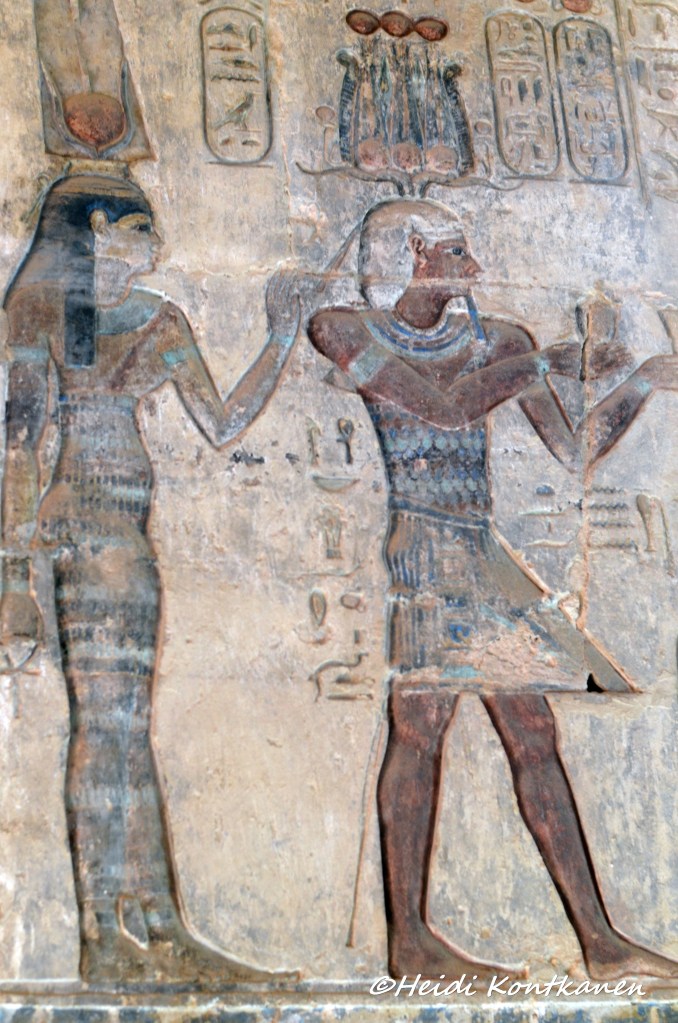
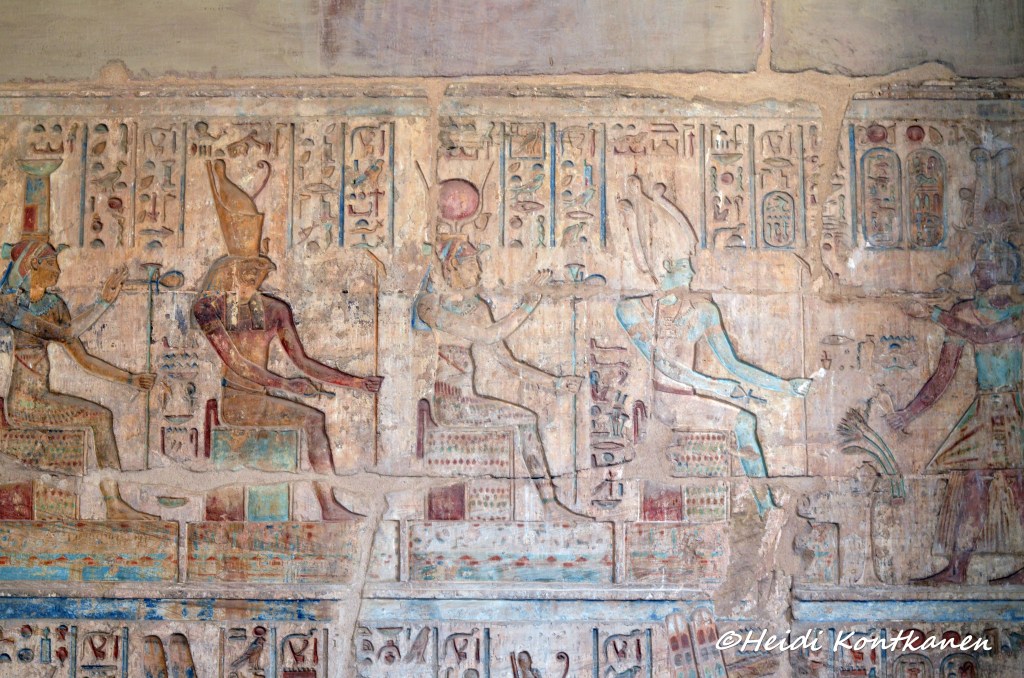
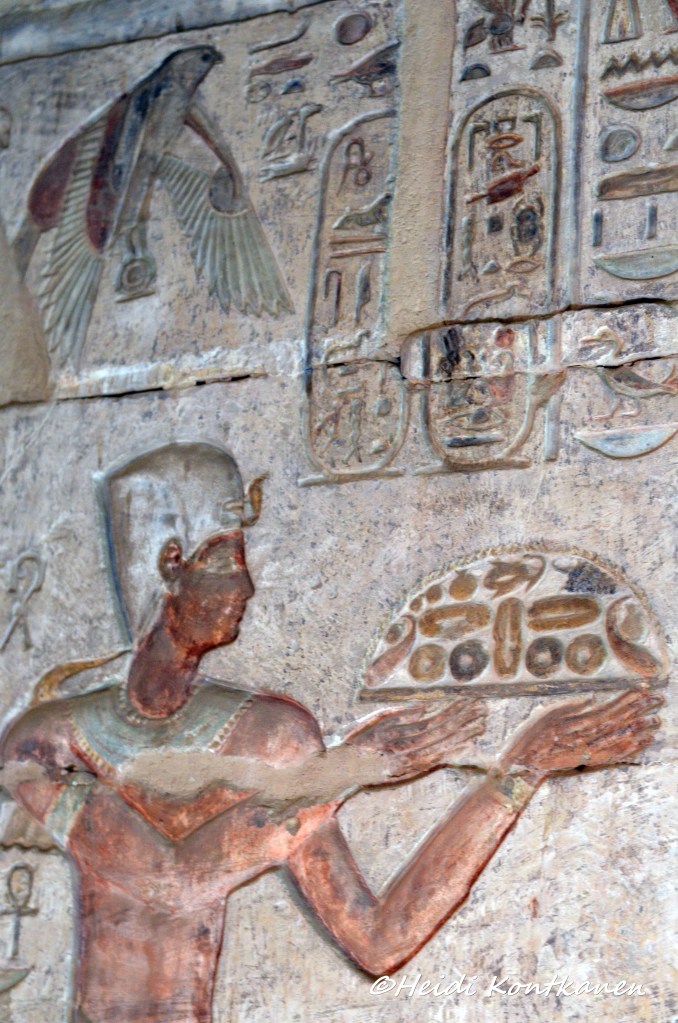
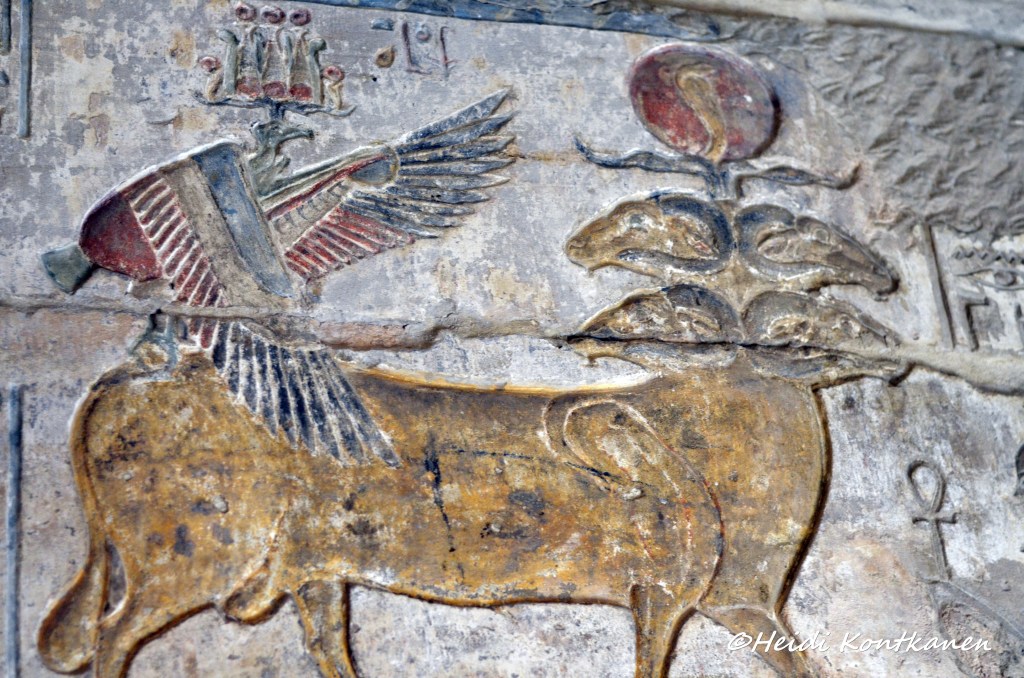
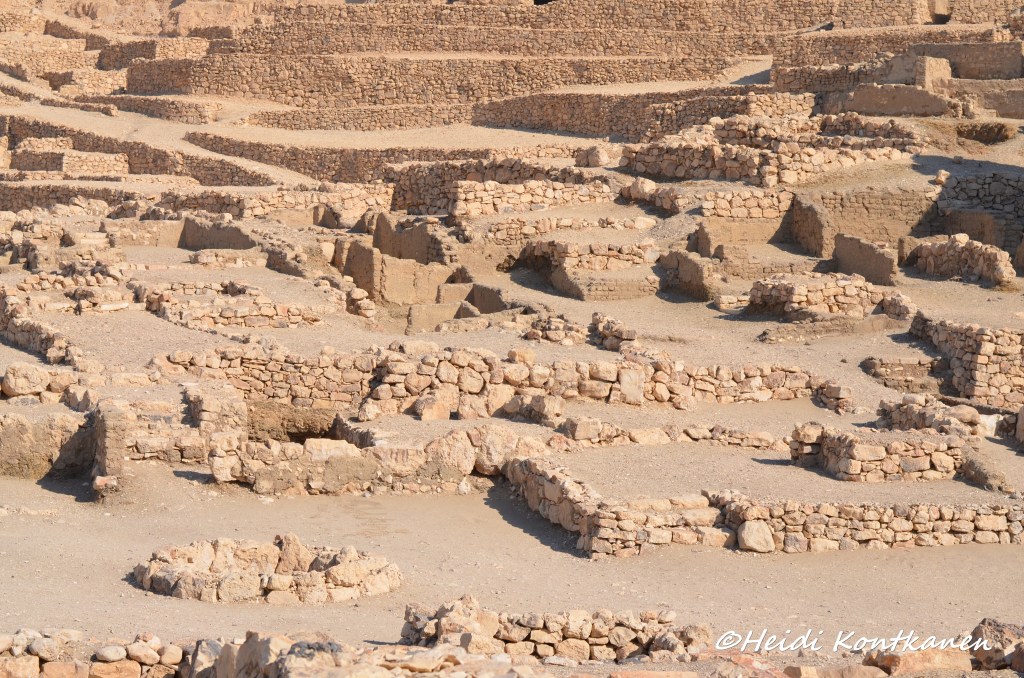
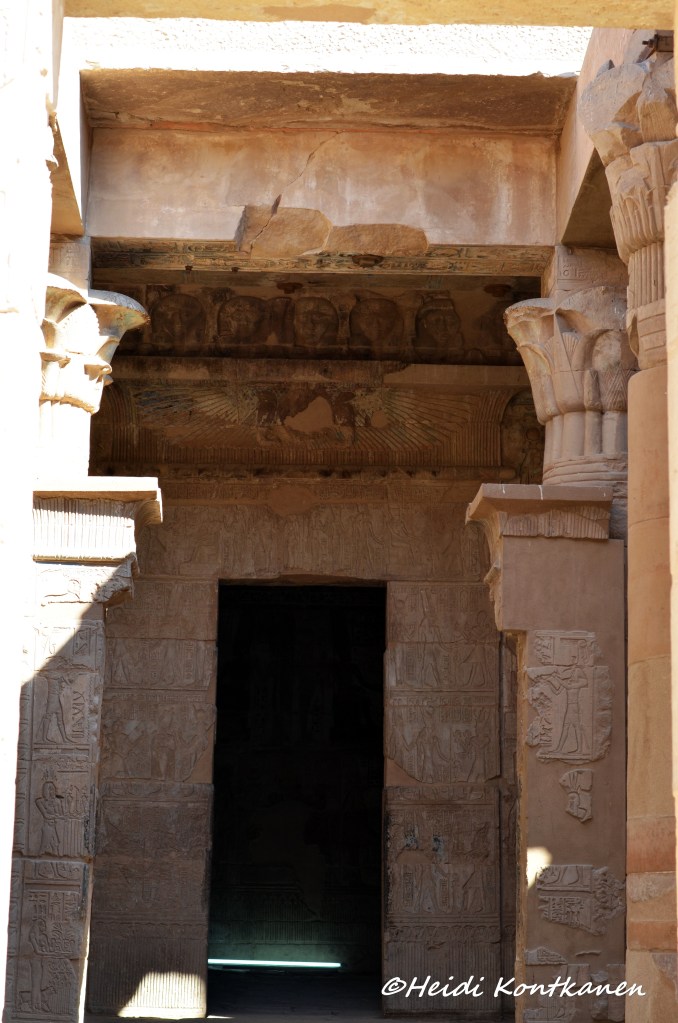
Deir el-Medina,

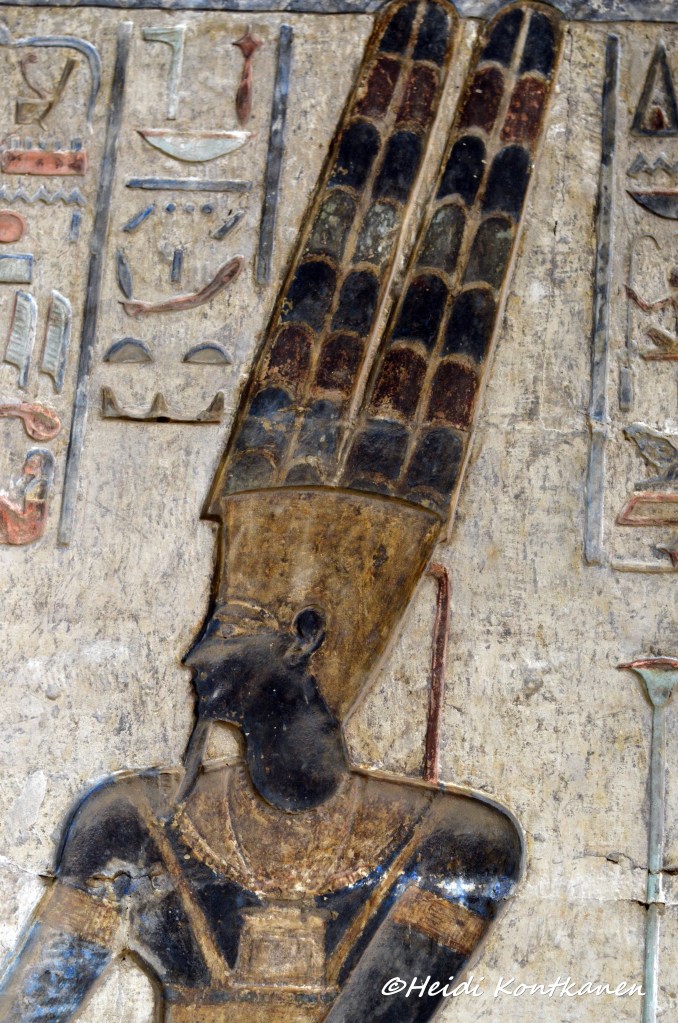
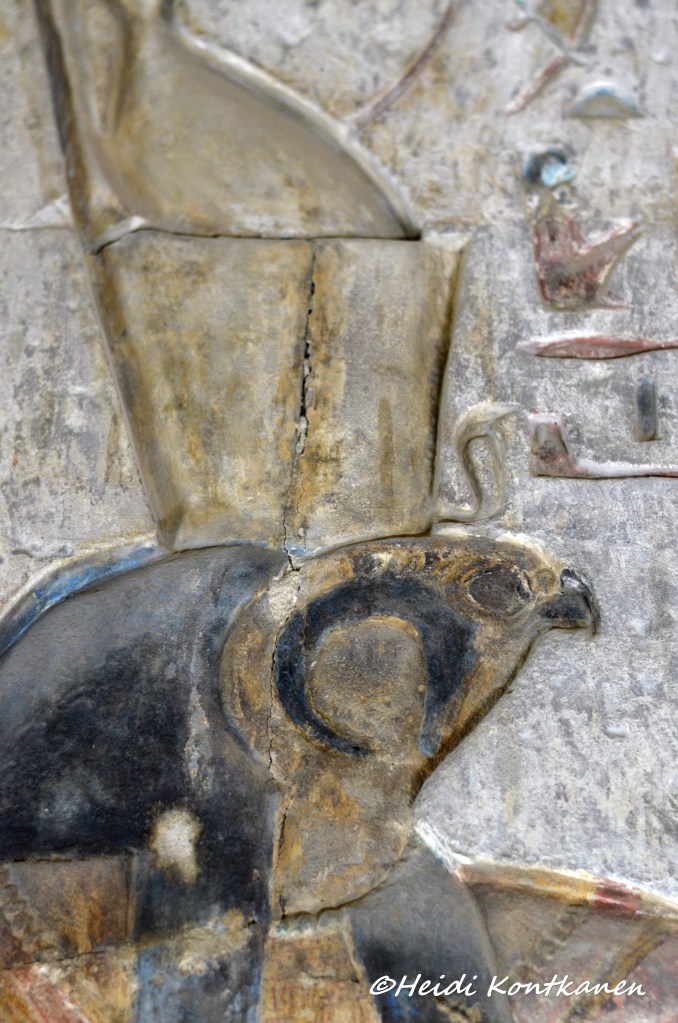
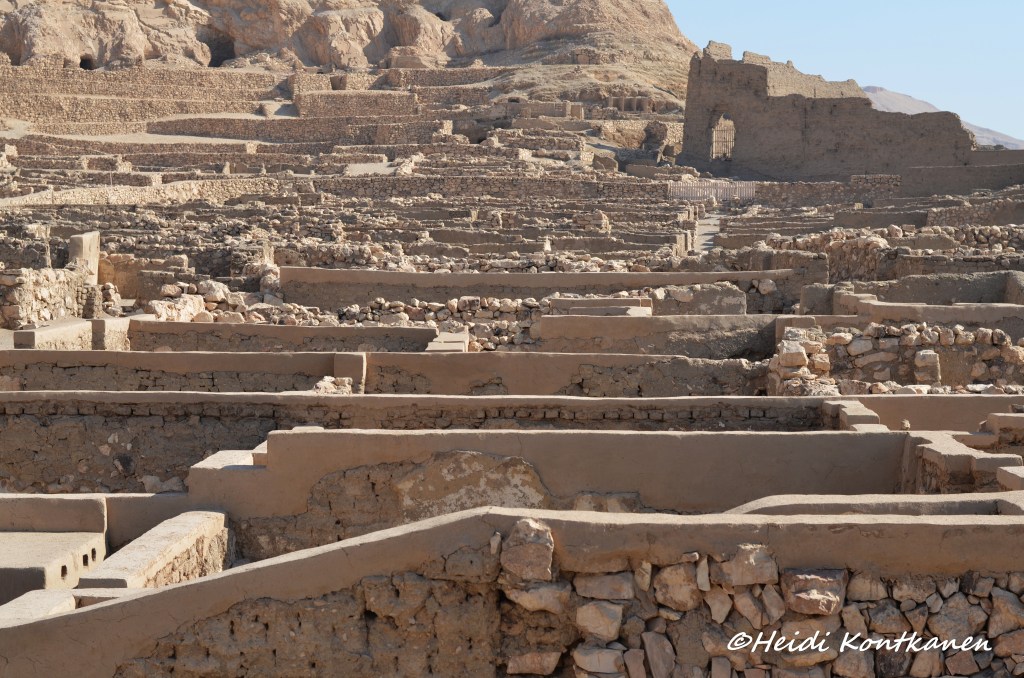
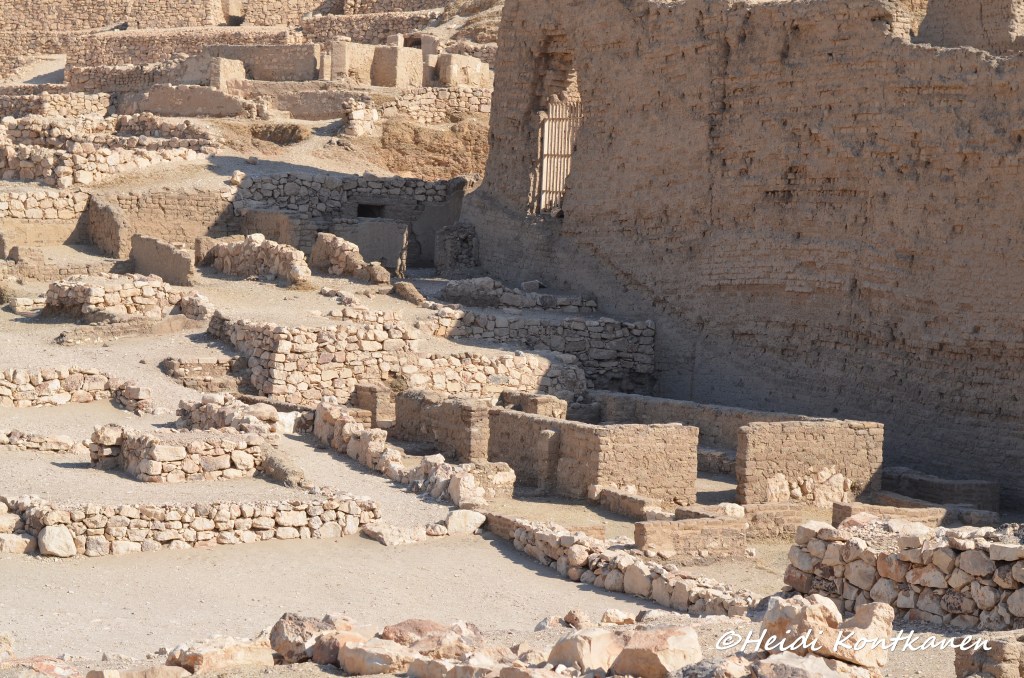
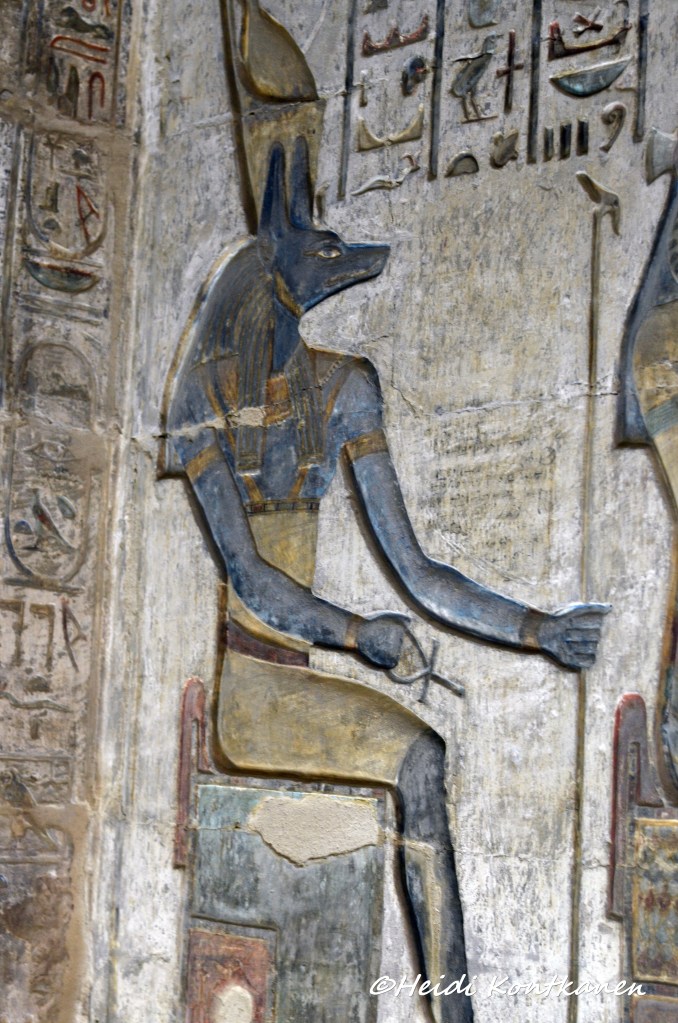
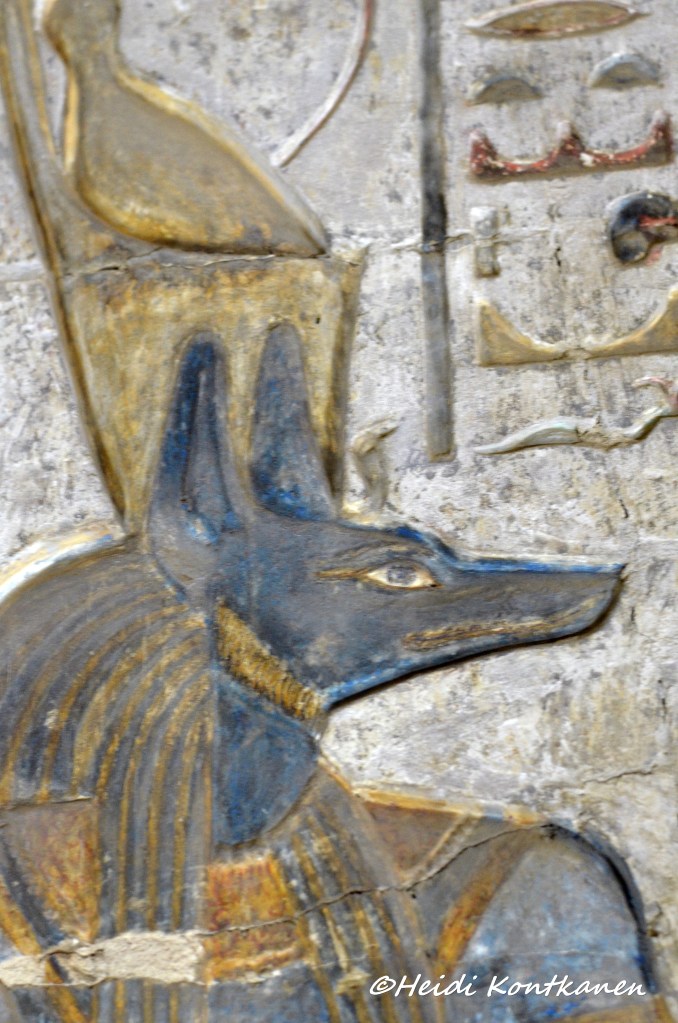


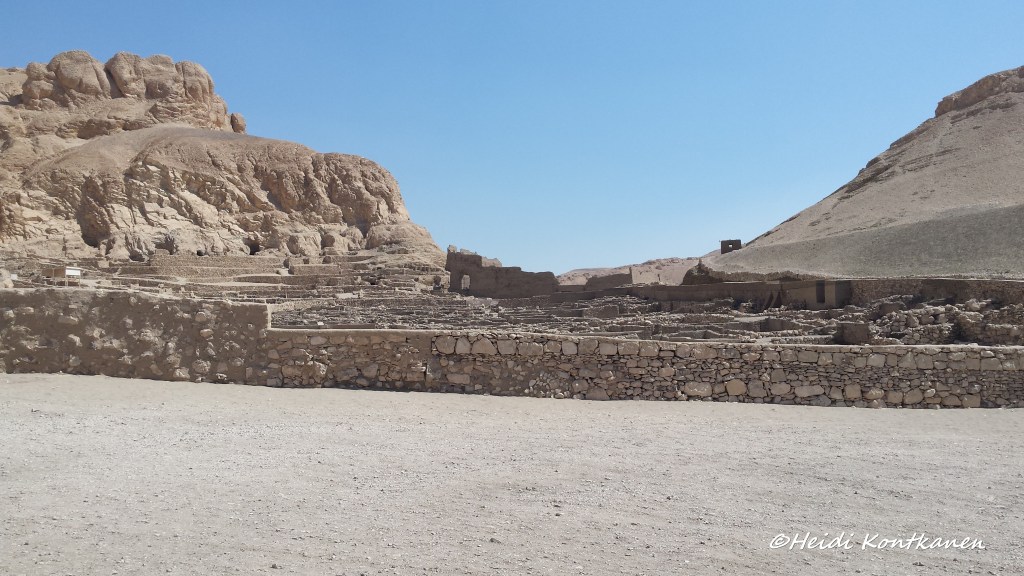

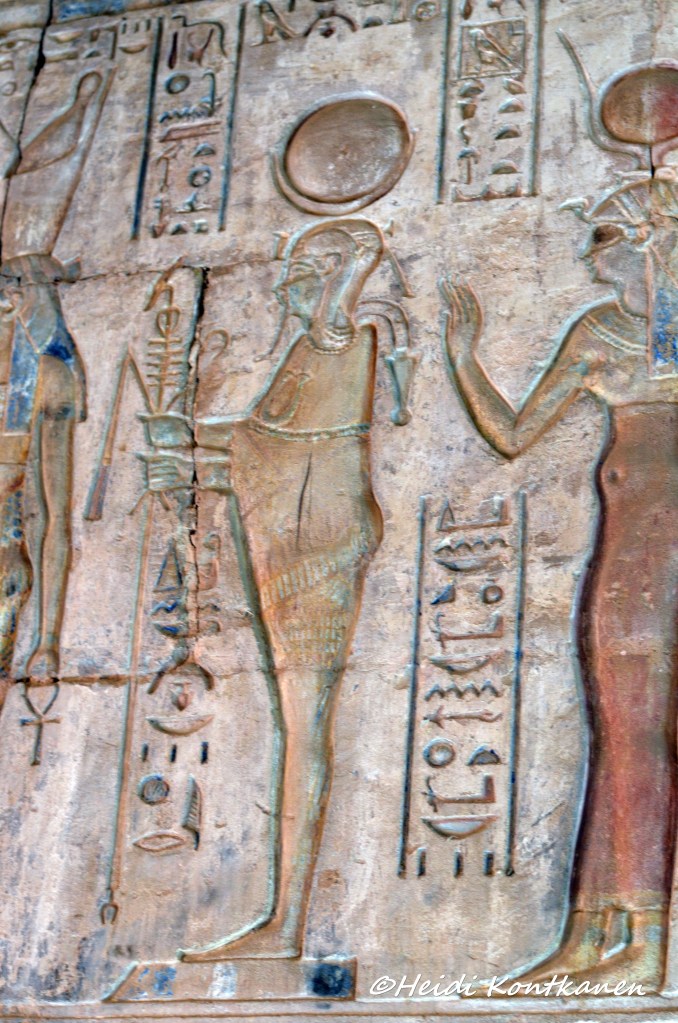
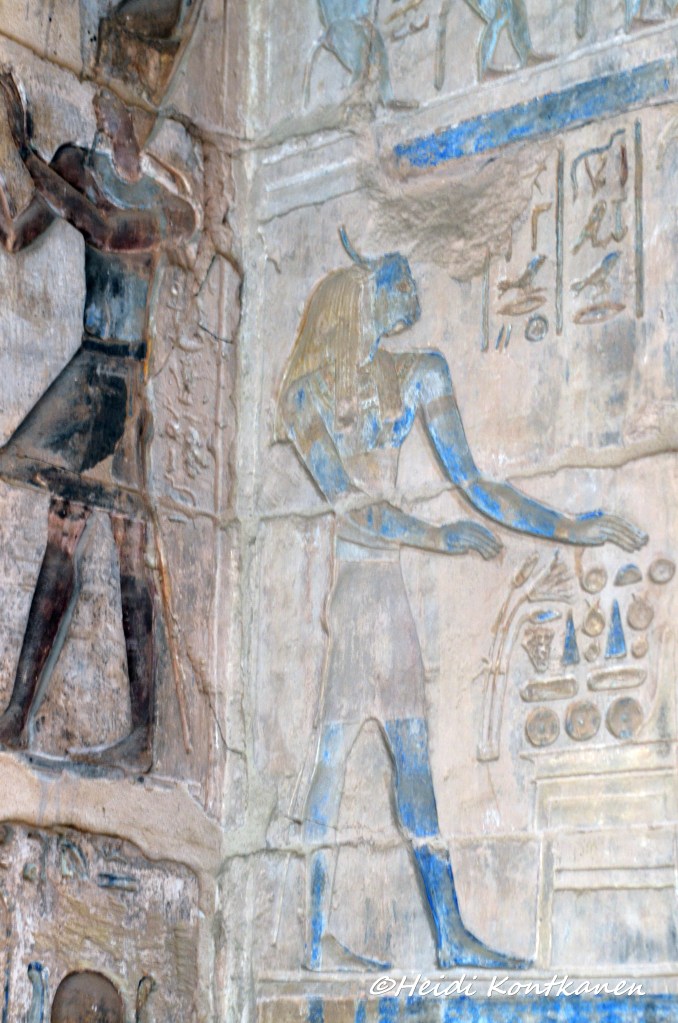
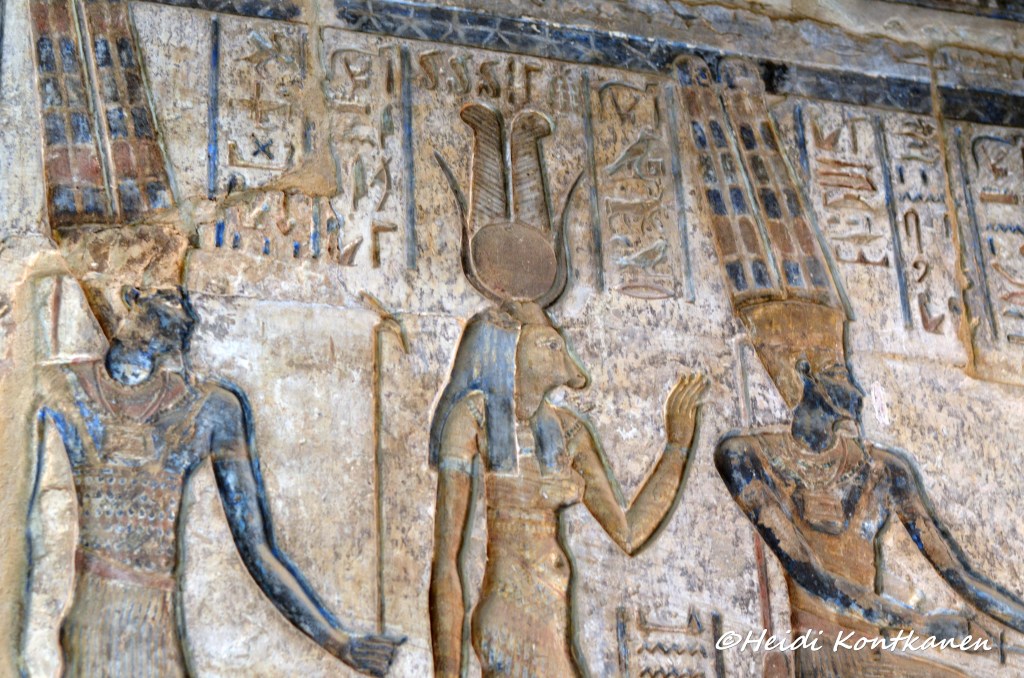
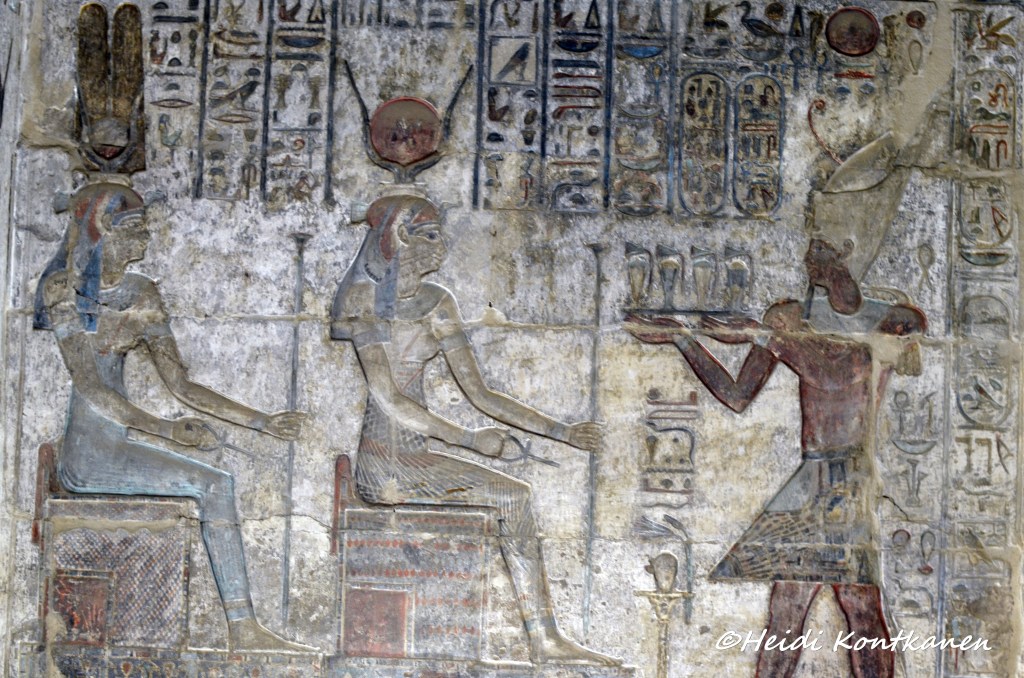
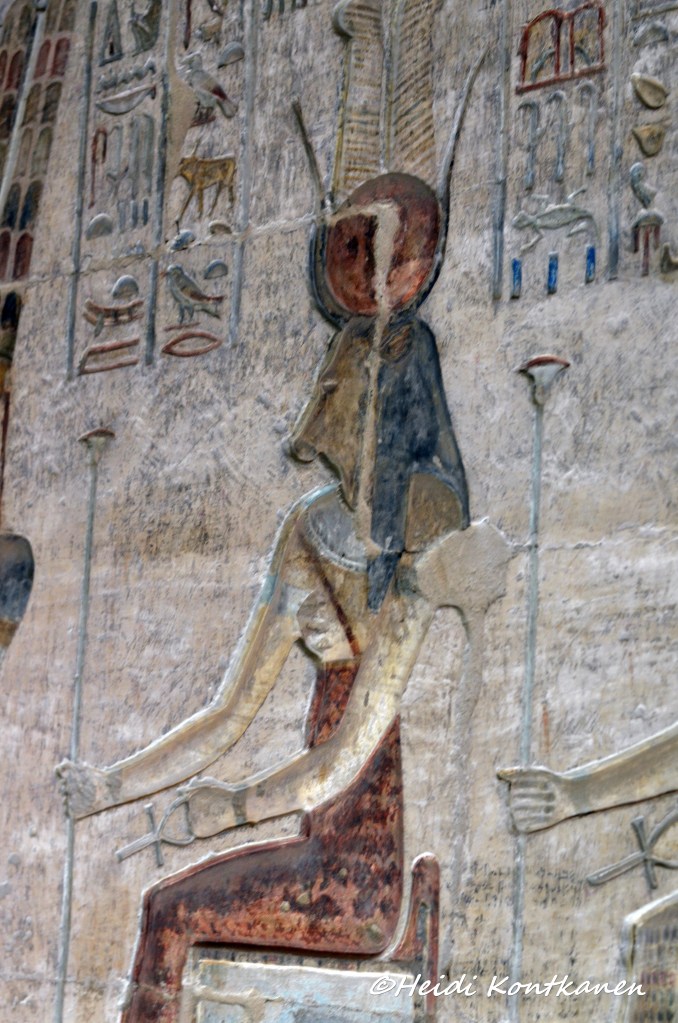

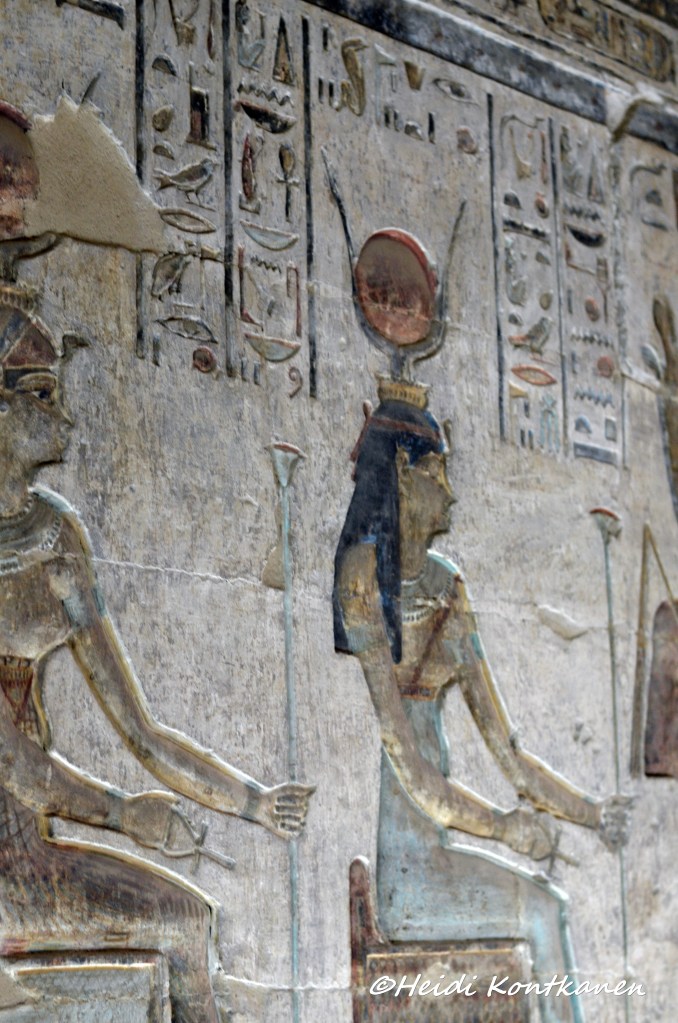

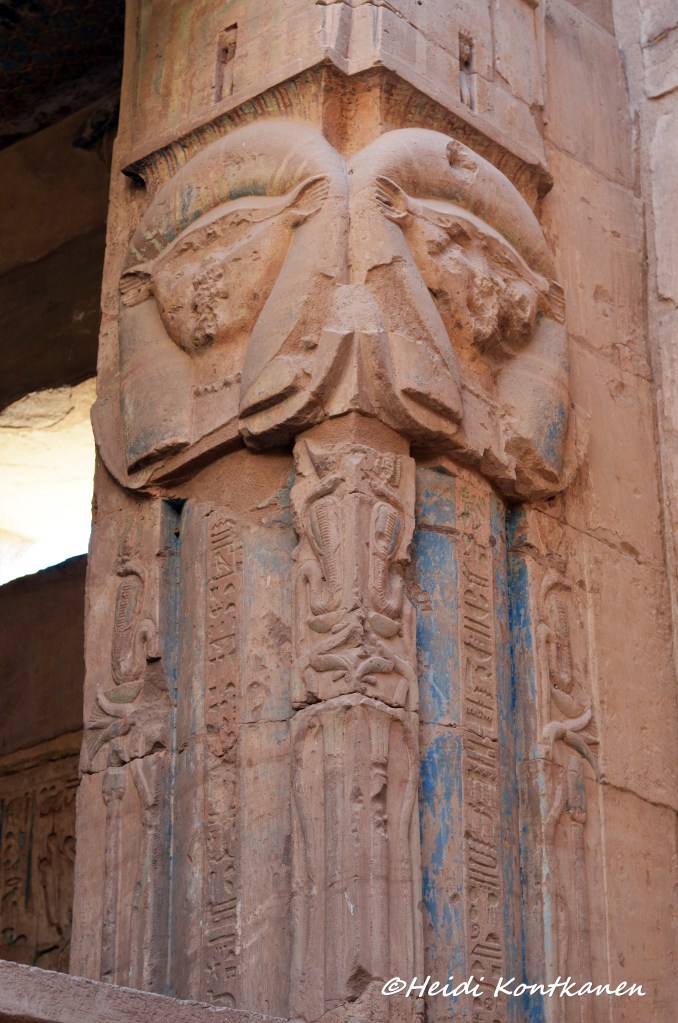

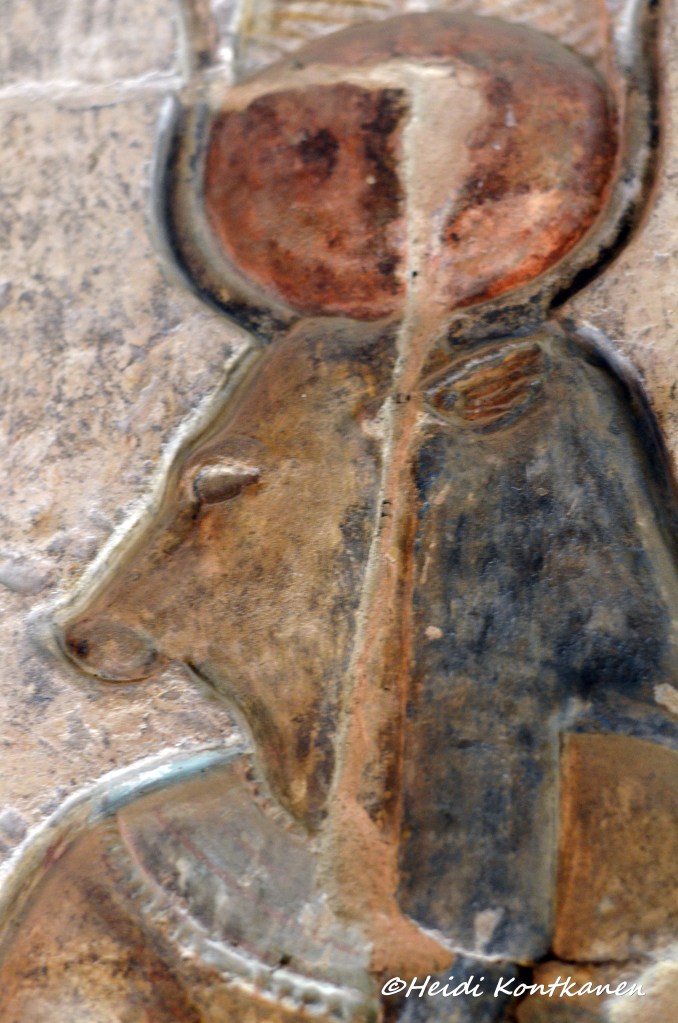



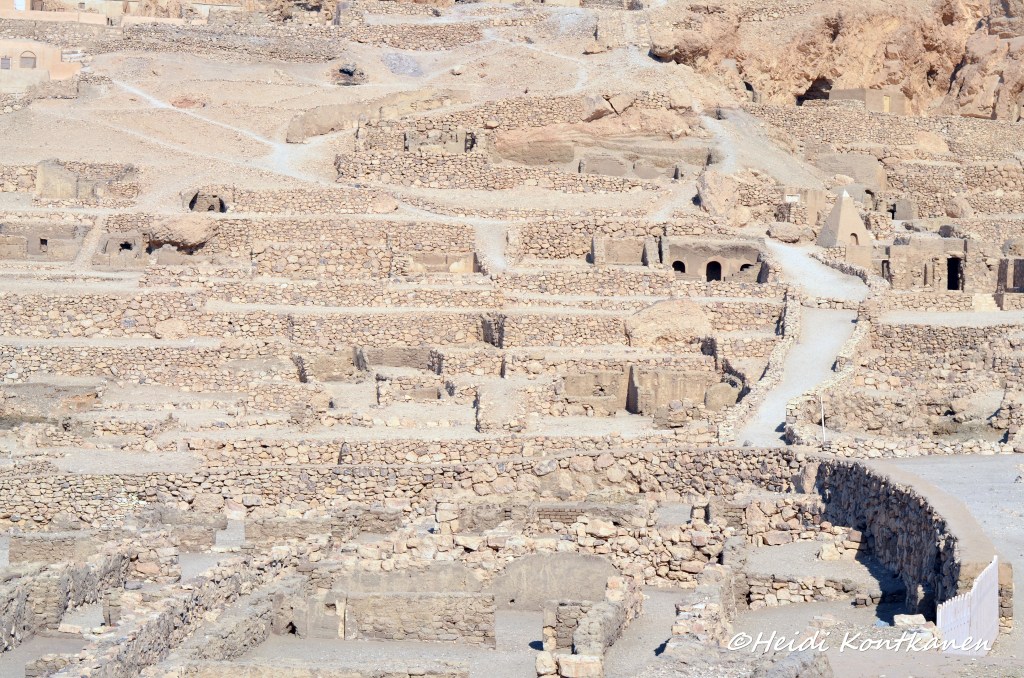
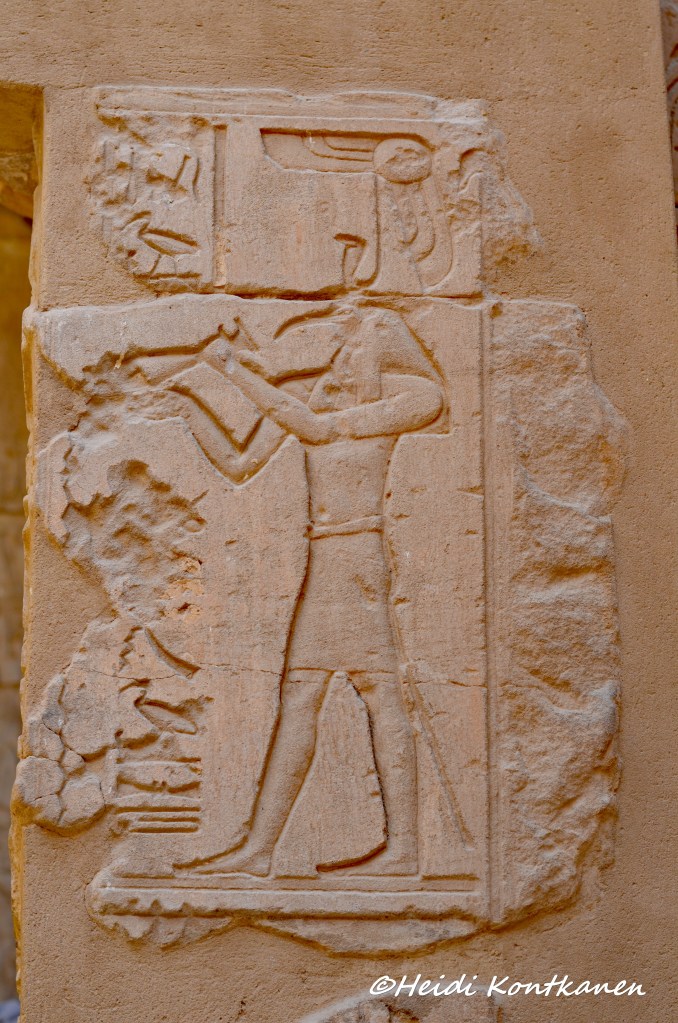
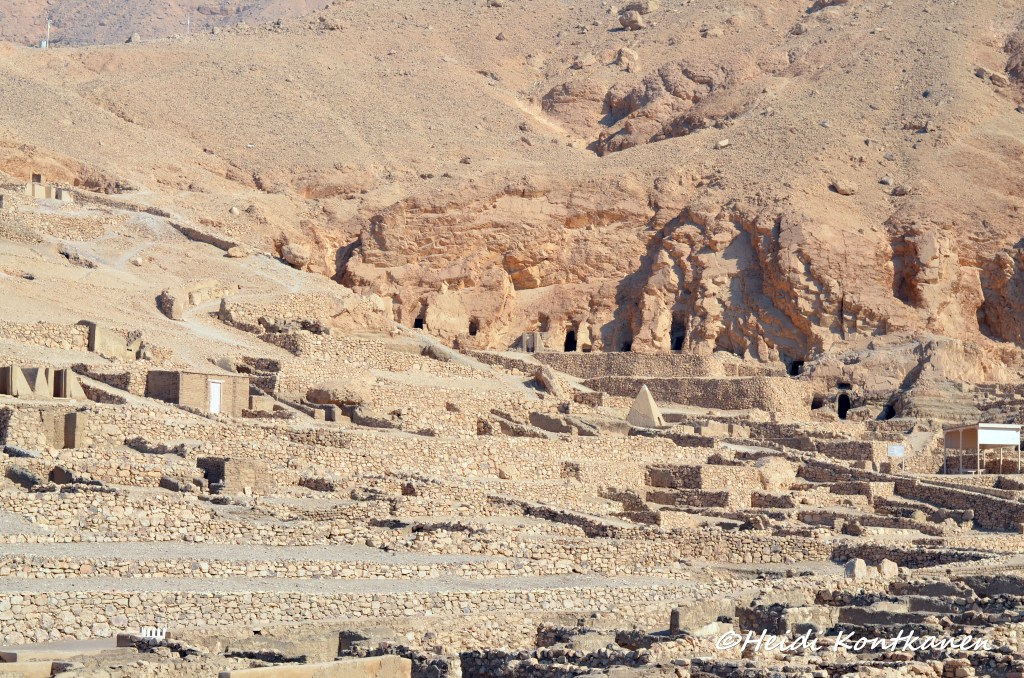
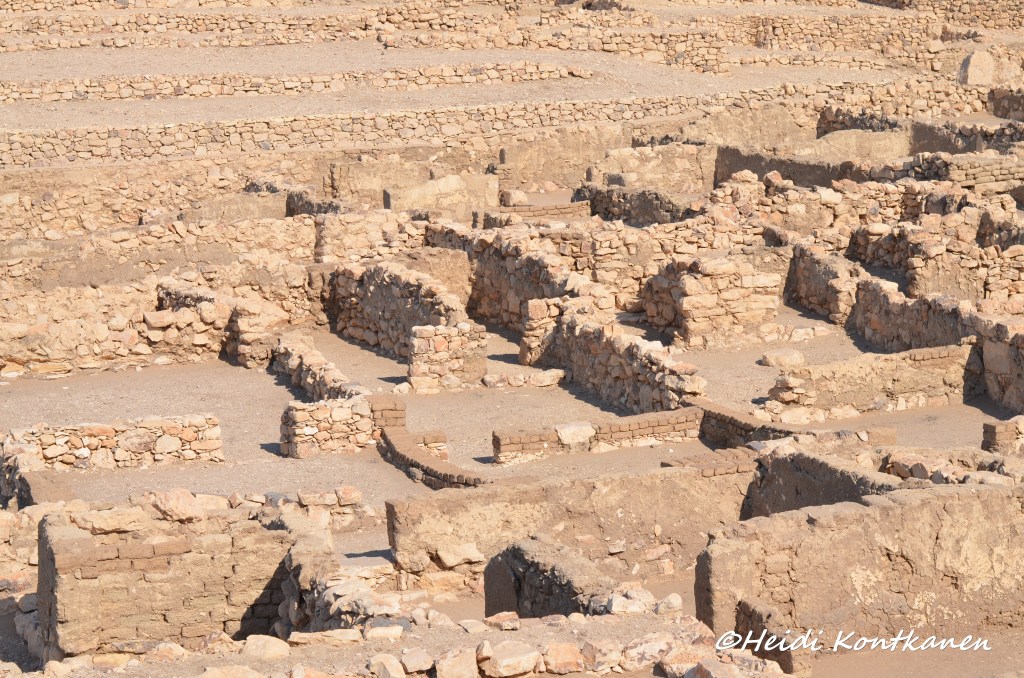
Deir el-Medina,
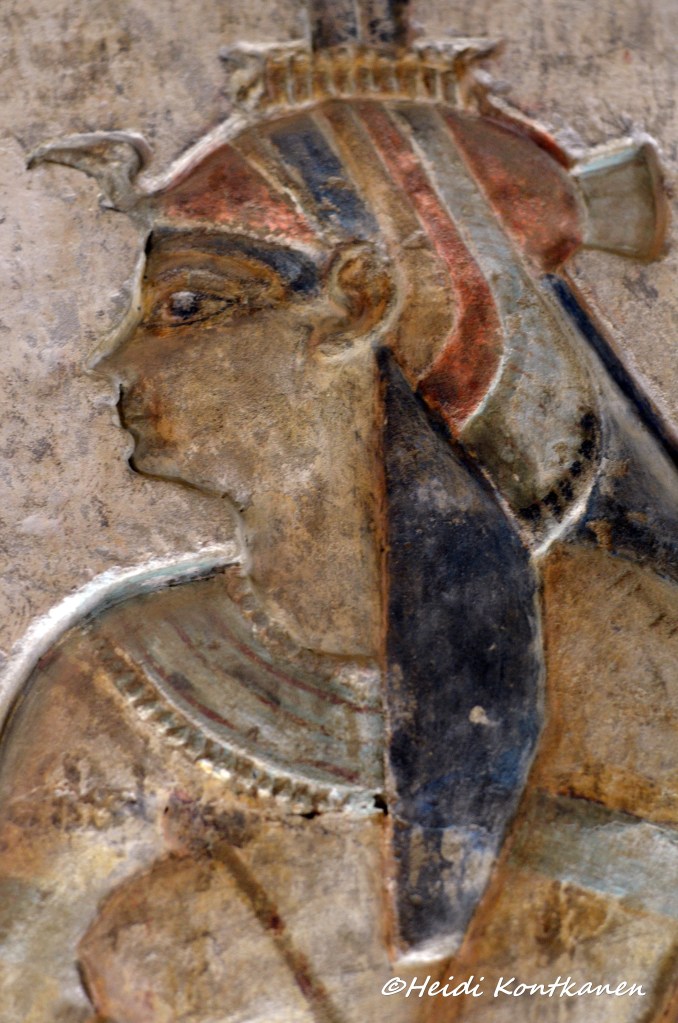
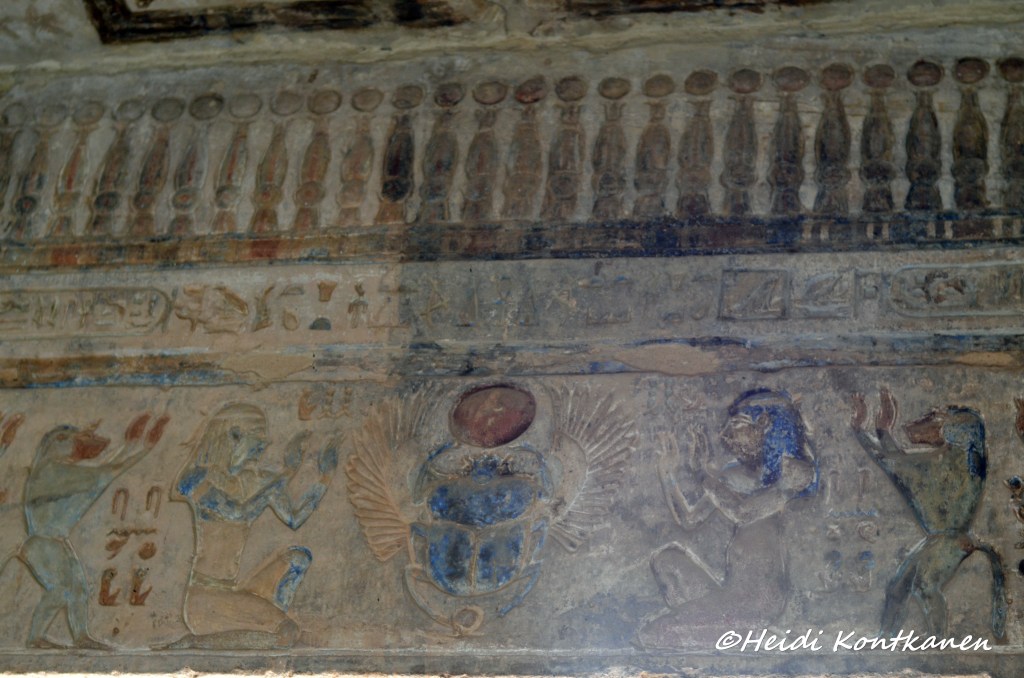
to see the ruins of the houses of the artisans and the beautiful Ptolemaic Temple dedicated to Hathor.
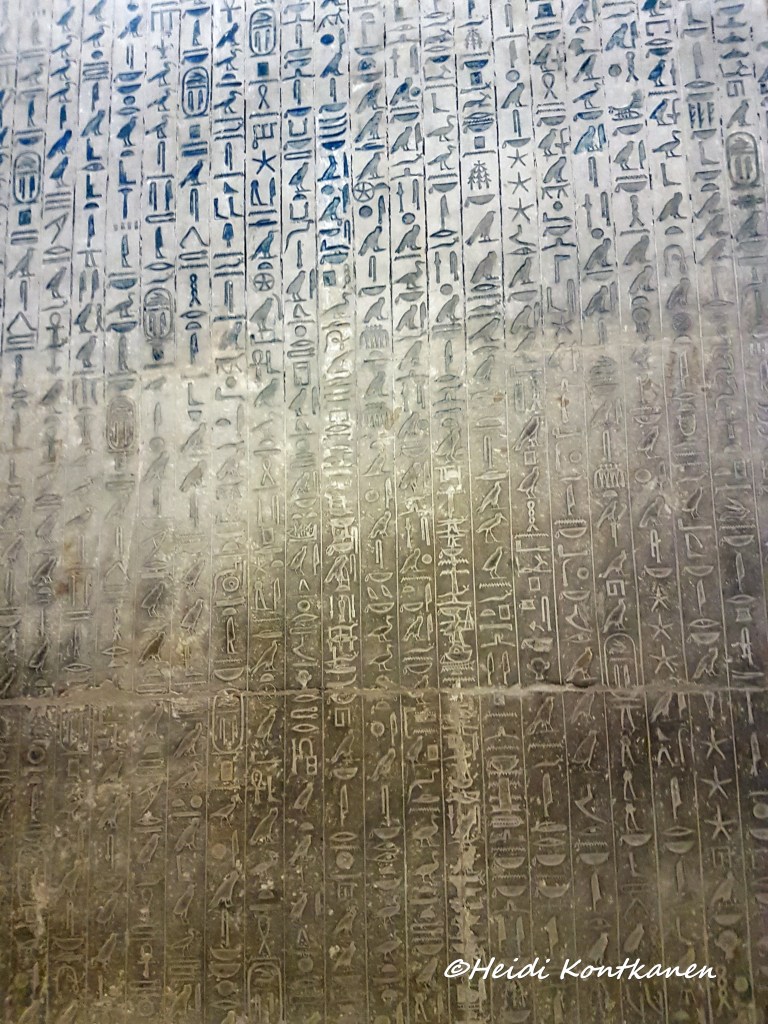
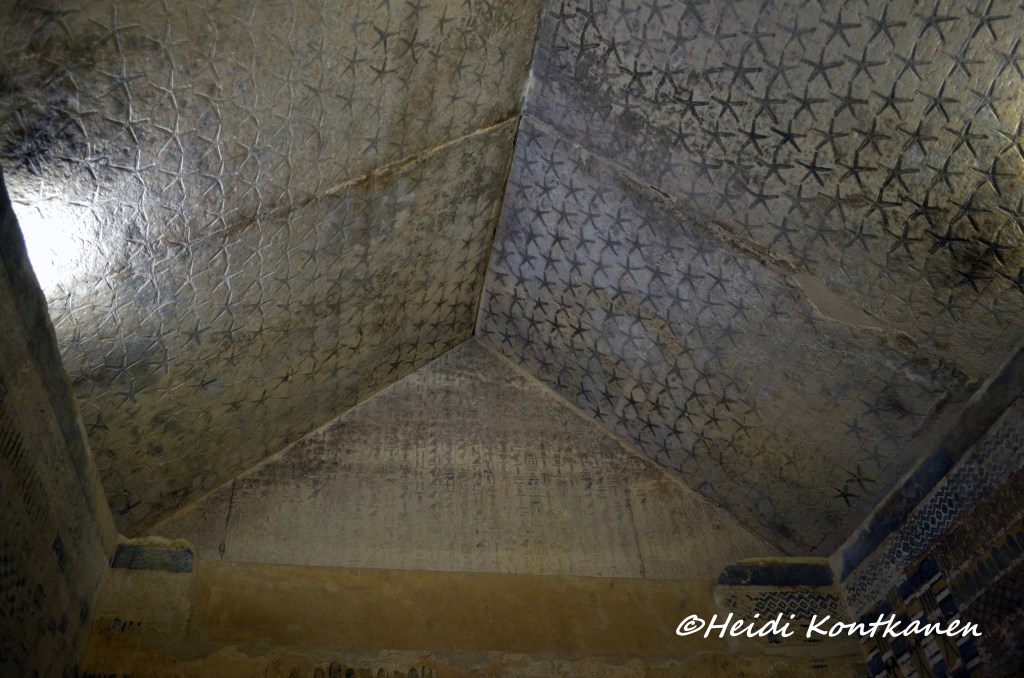
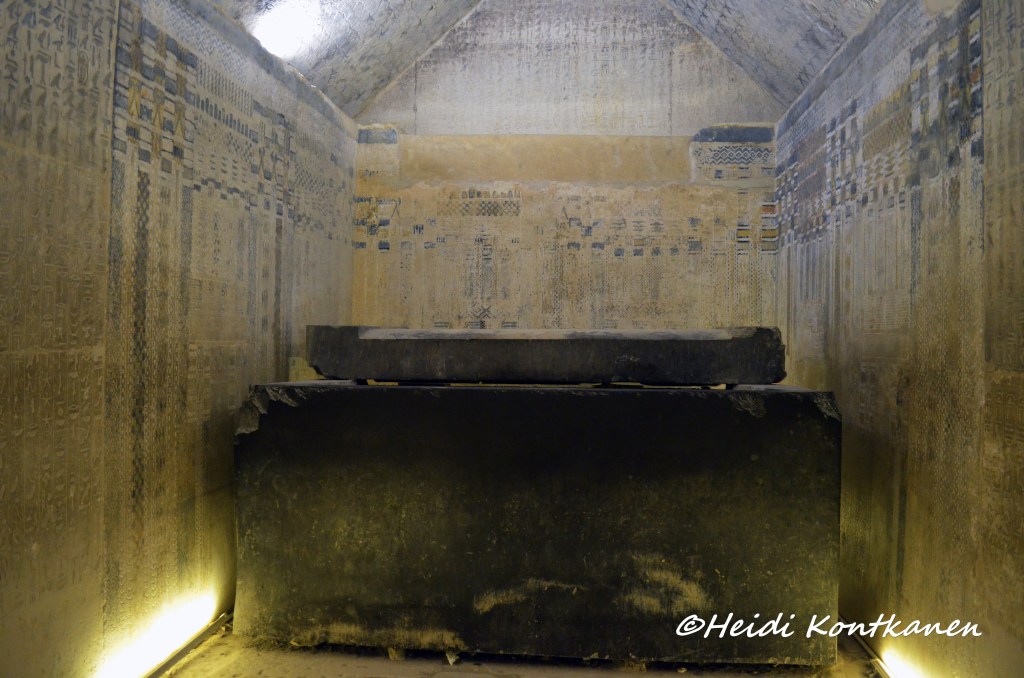
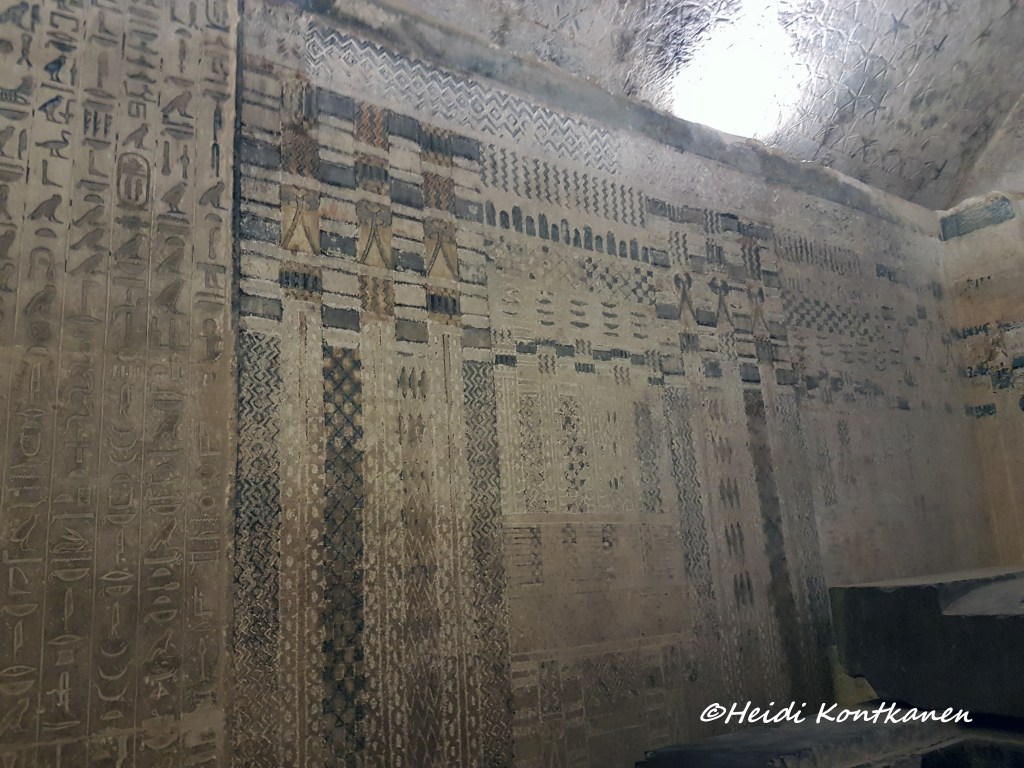
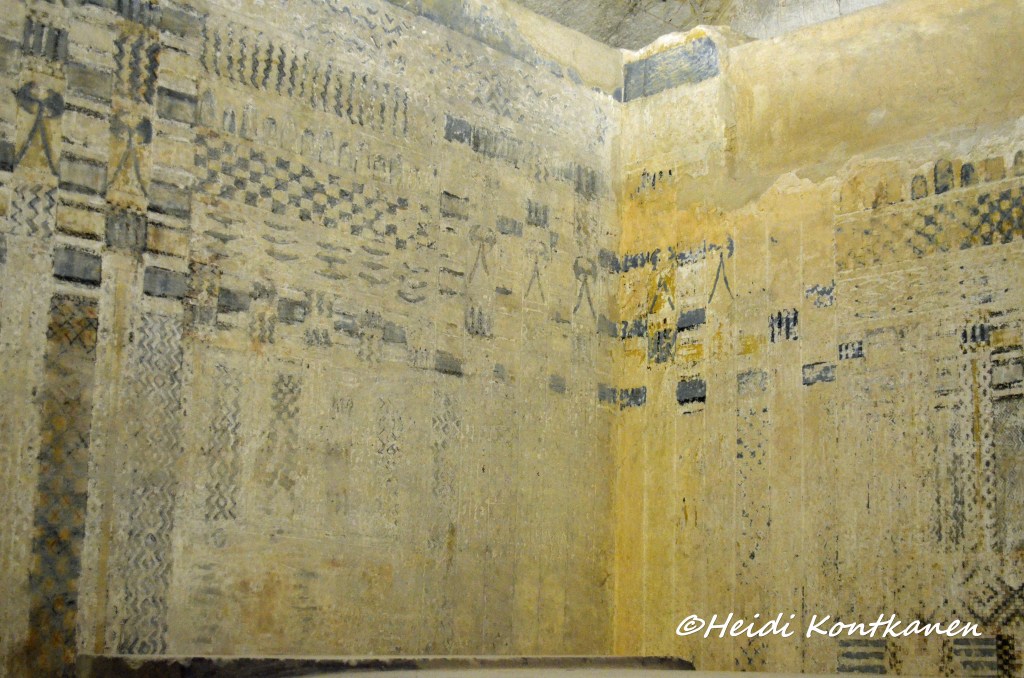
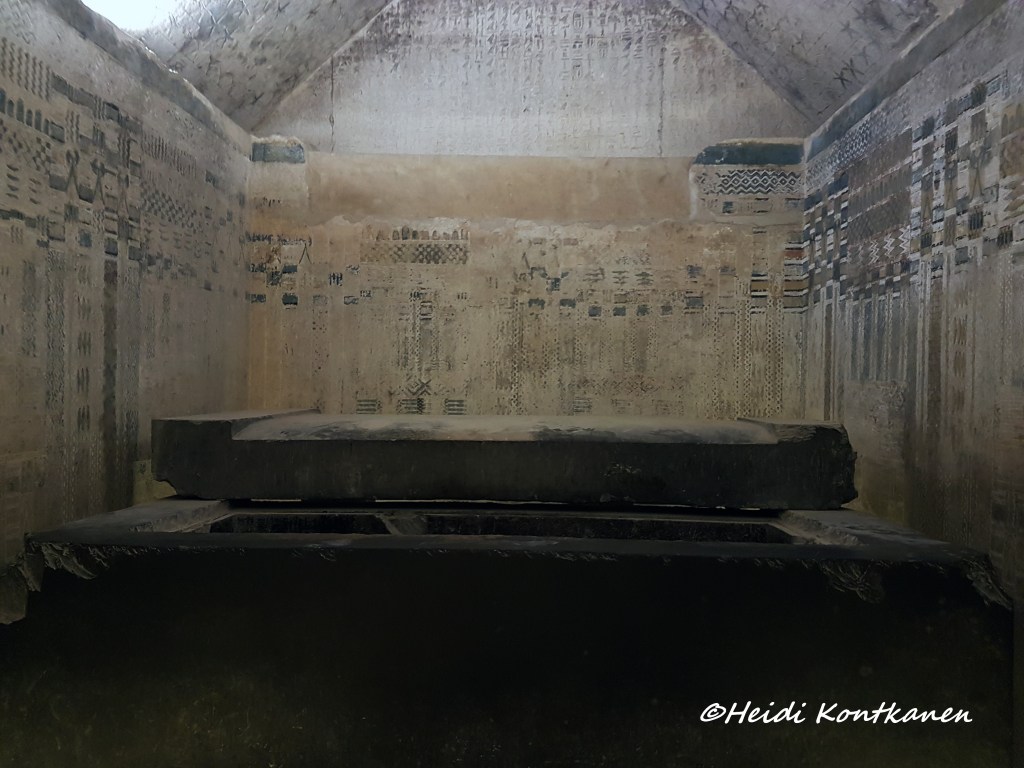
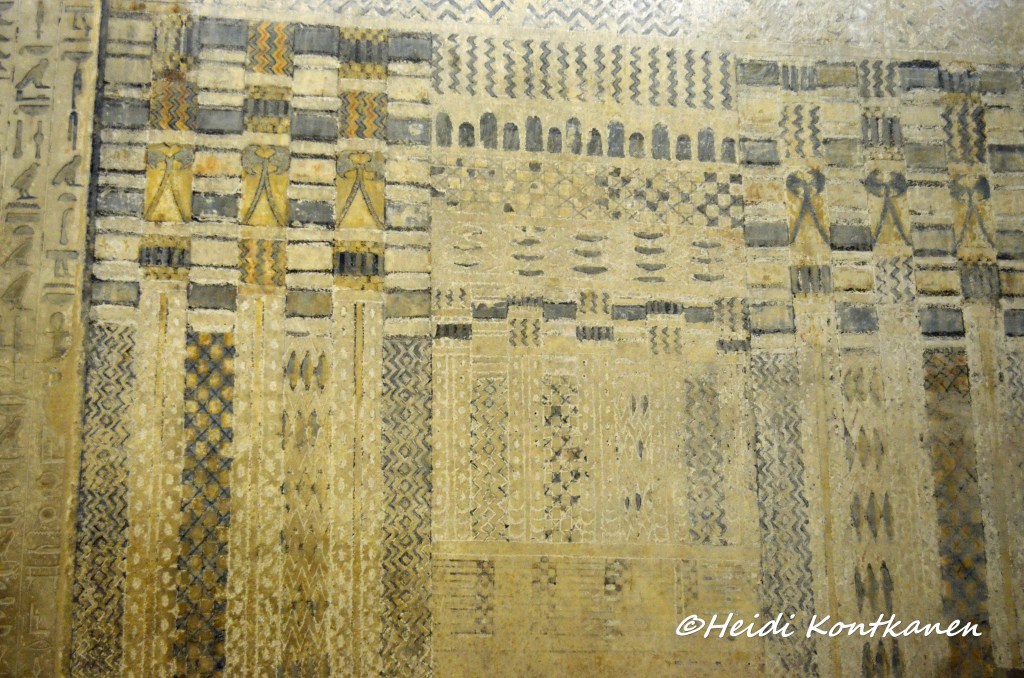
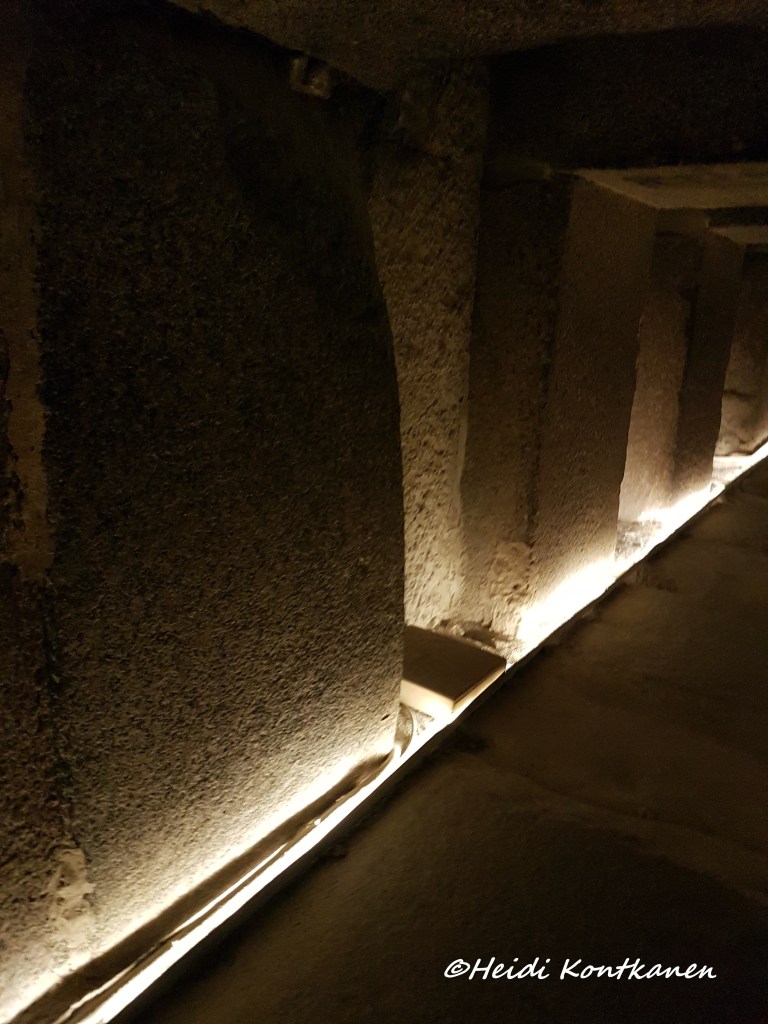
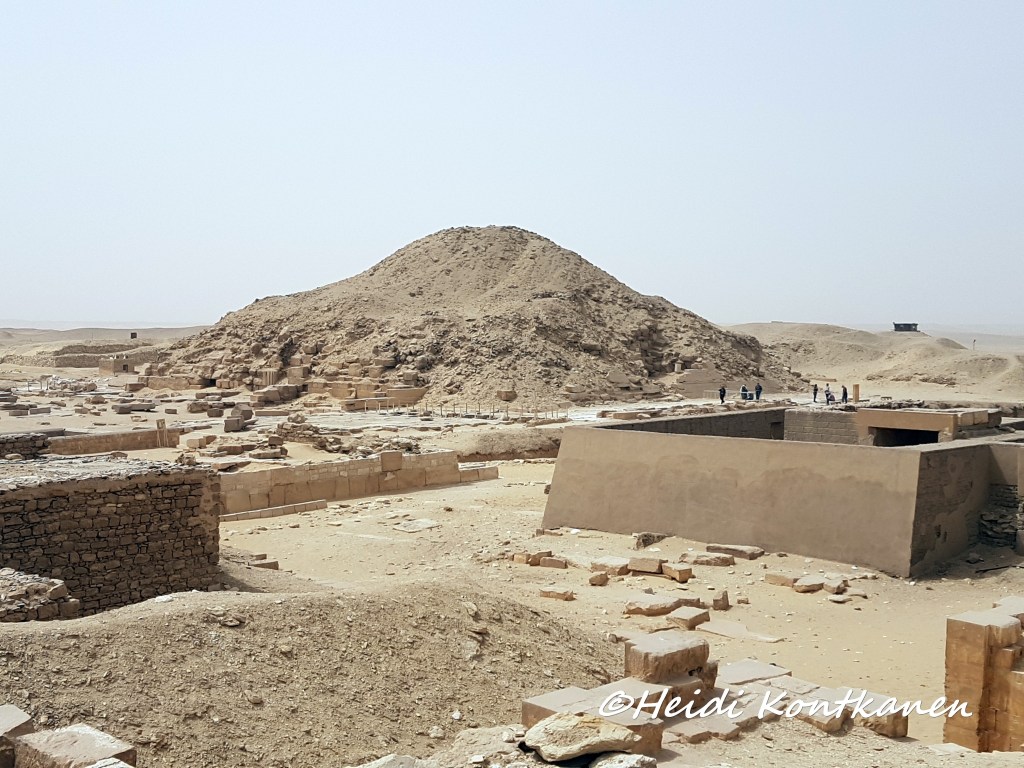
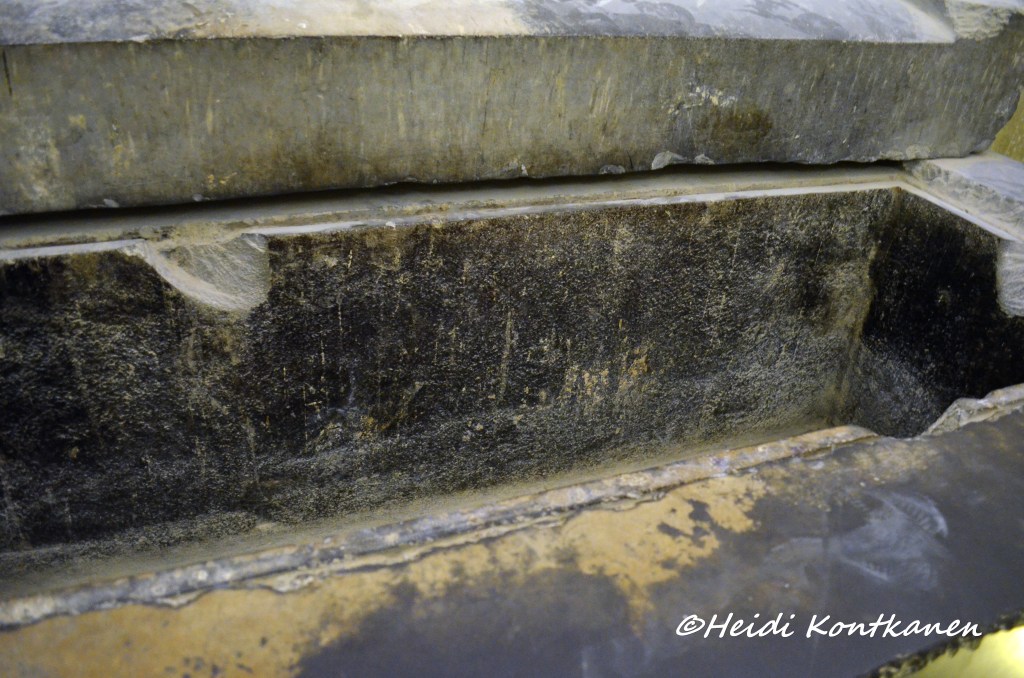
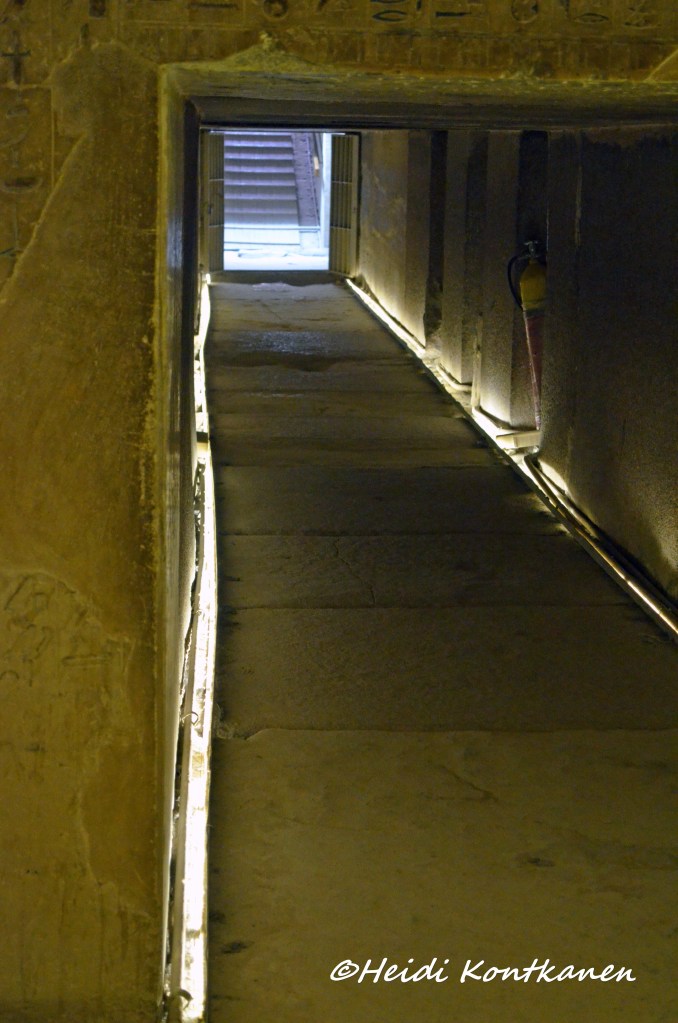
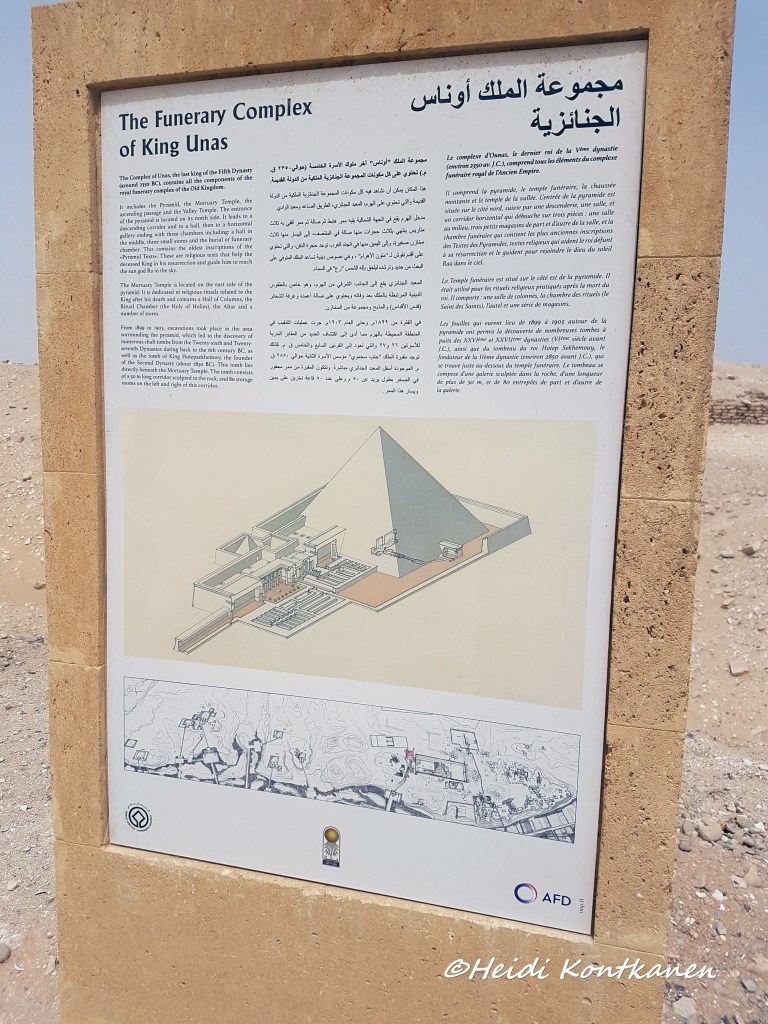
the Pyramid of Unas





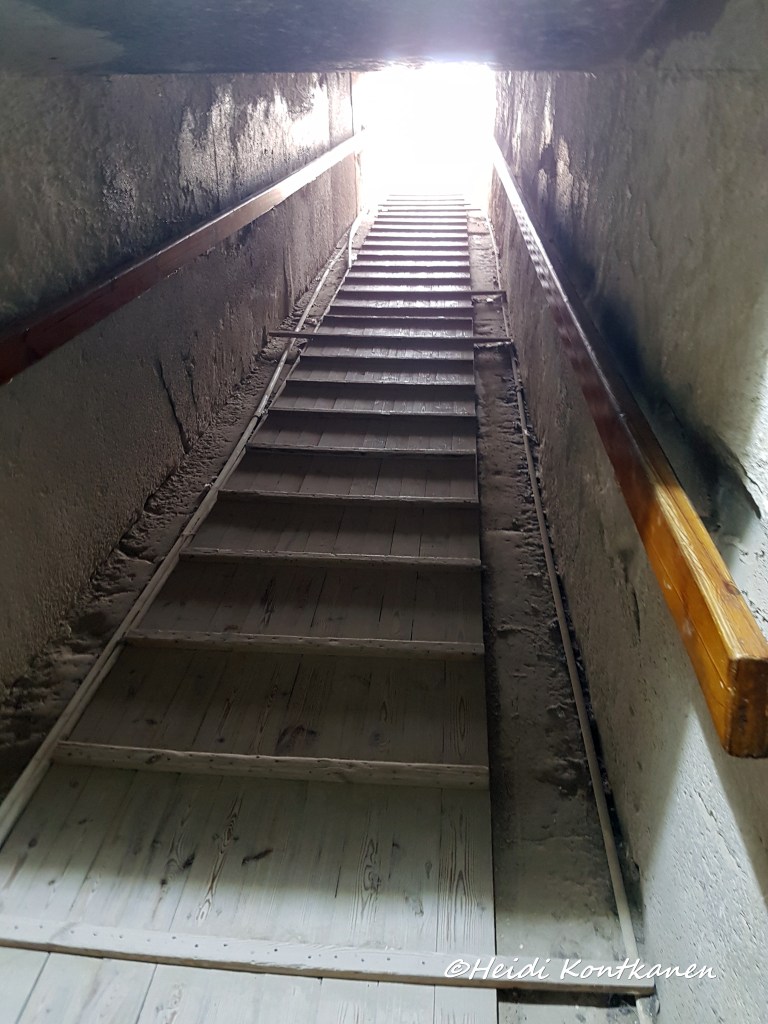
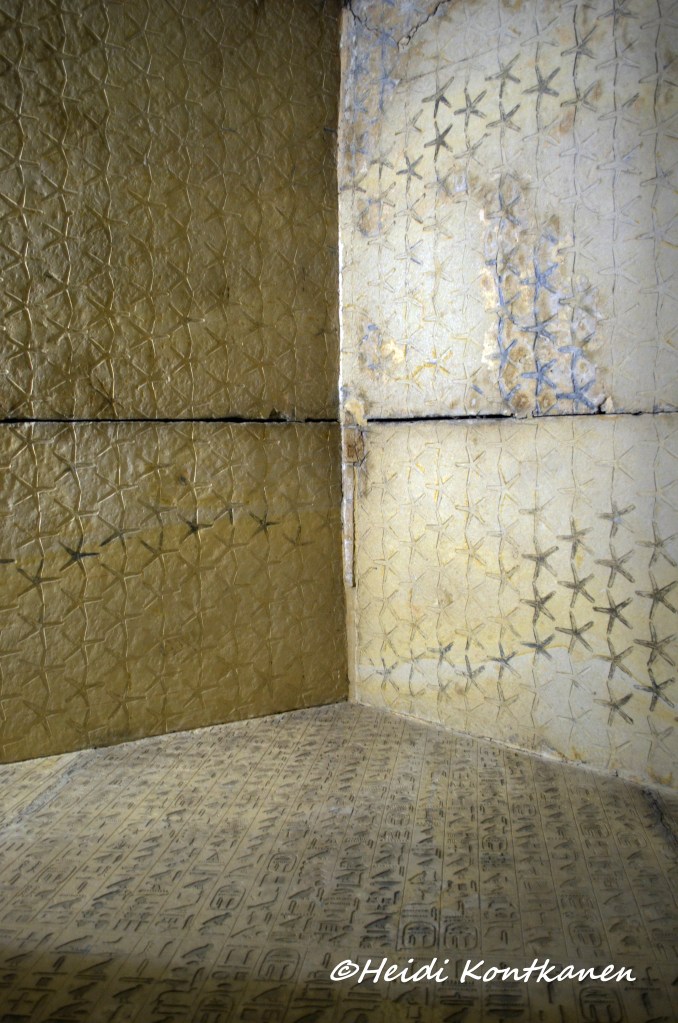
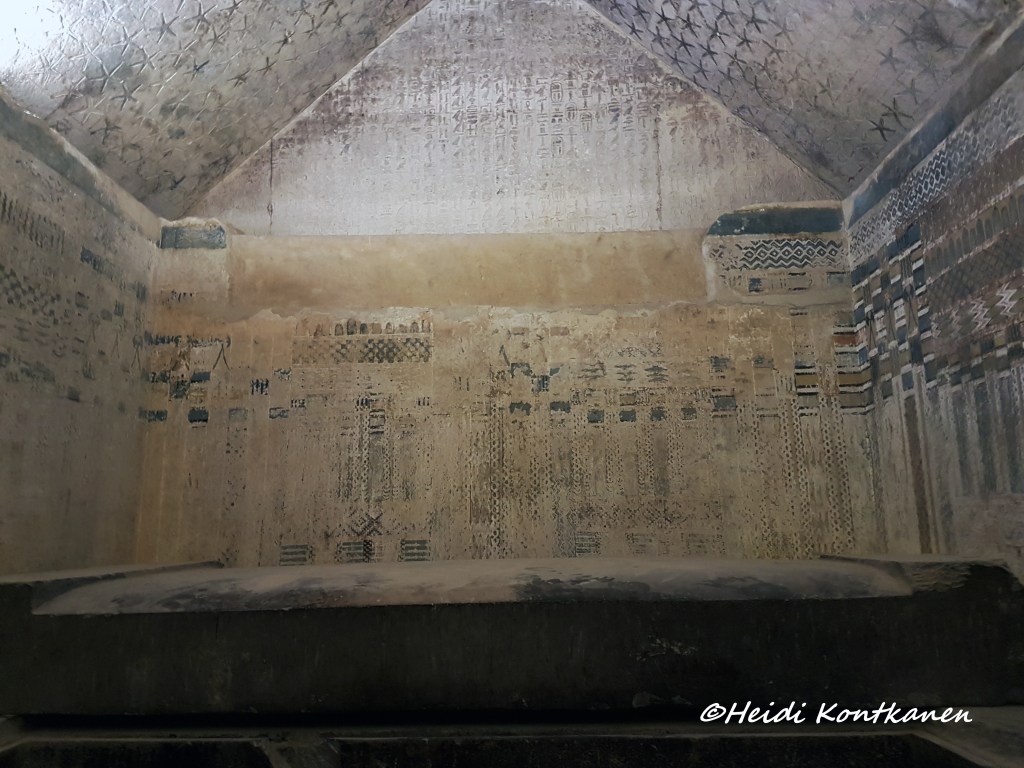
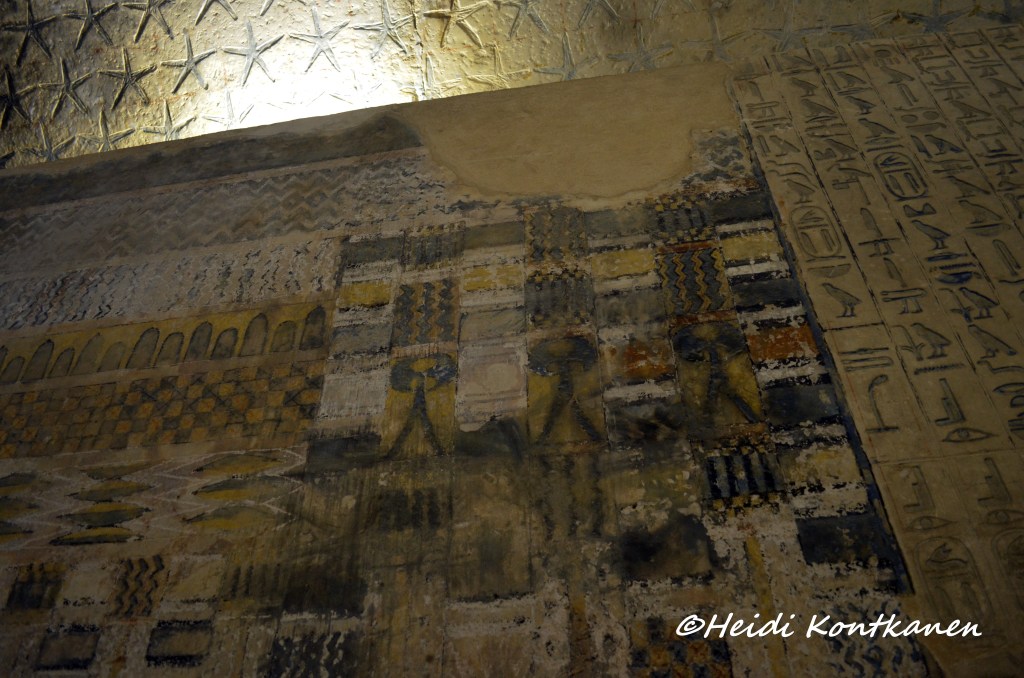
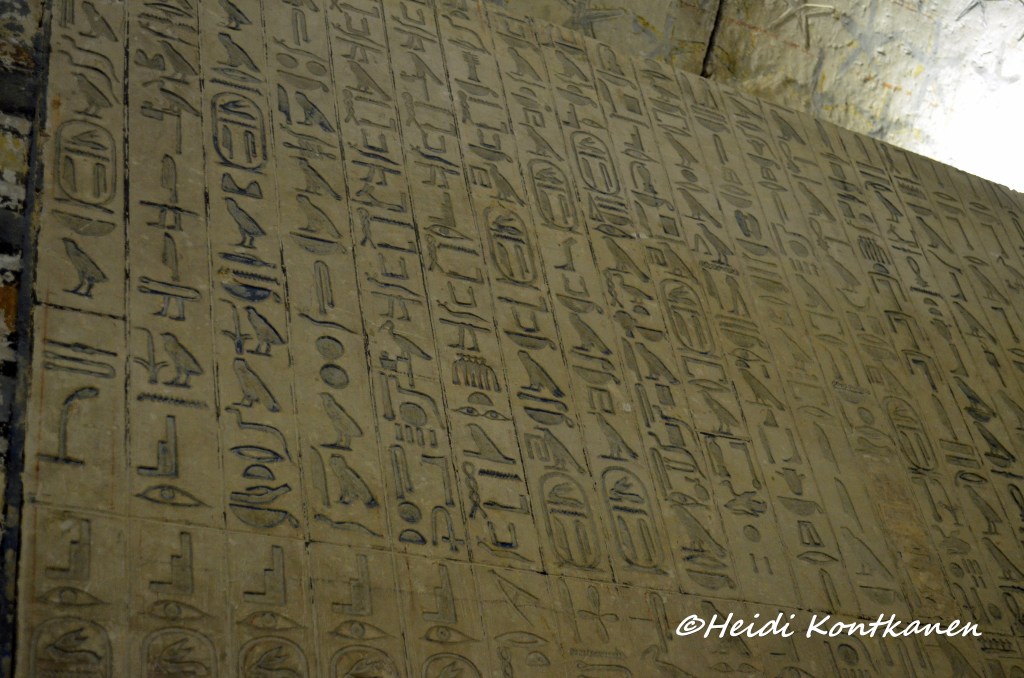
In 1989
when I made my first trip to Egypt
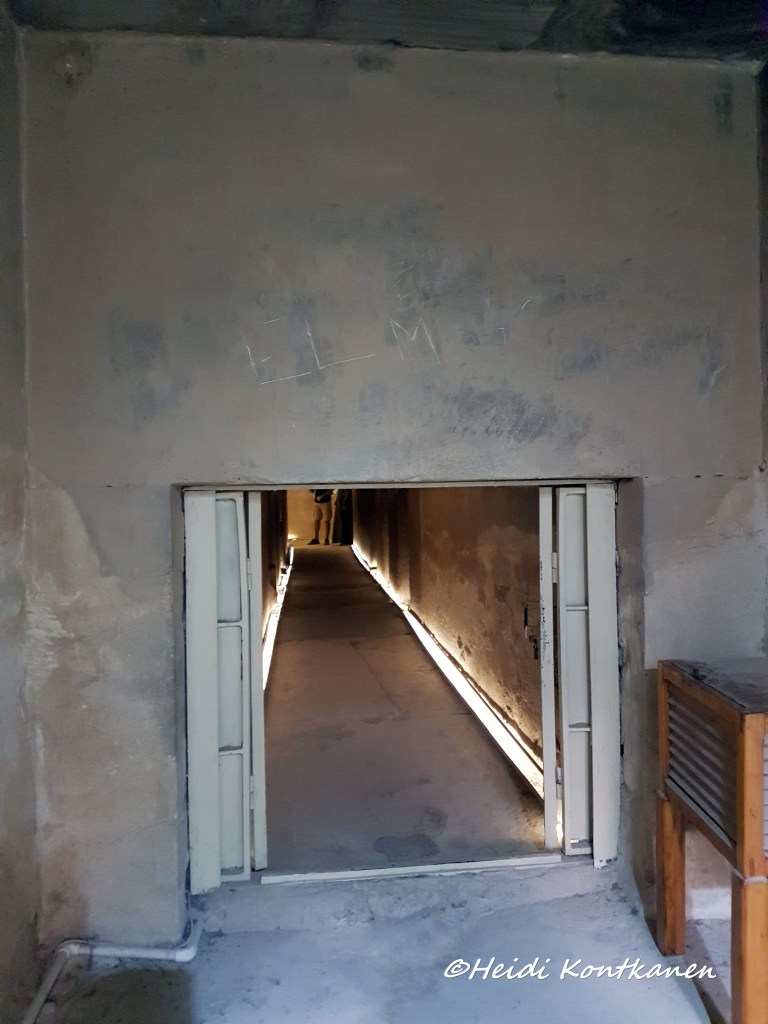
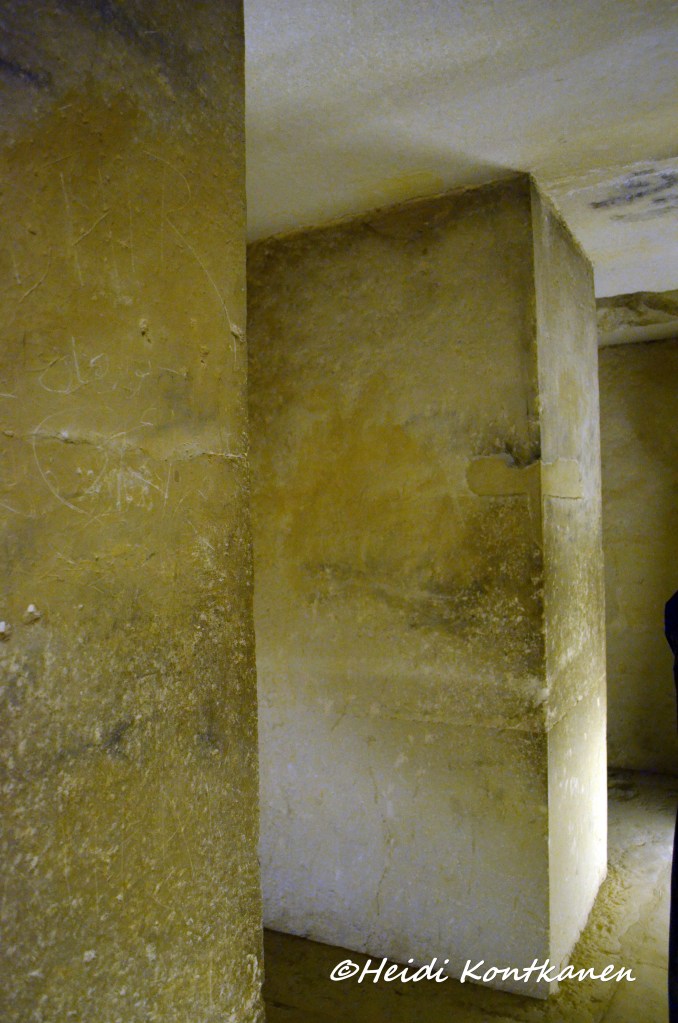
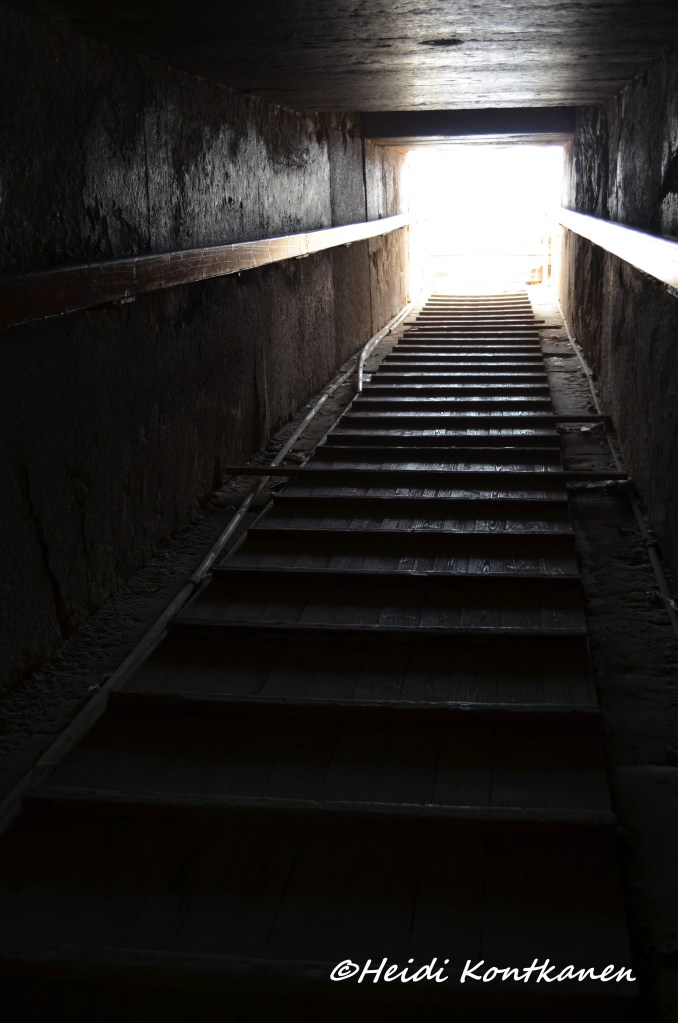
the Pyramid of Unas
was the first pyramid I entered.
It was then later closed for many years.
Now it is opened again and one is allowed to take photos
if you buy a photo ticket, and I did.
Unas was the last king of the 5th dynasty.
His pyramid is located between the enclosures of Djoser´s pyramid and Sekhemkhet´s in Saqqara
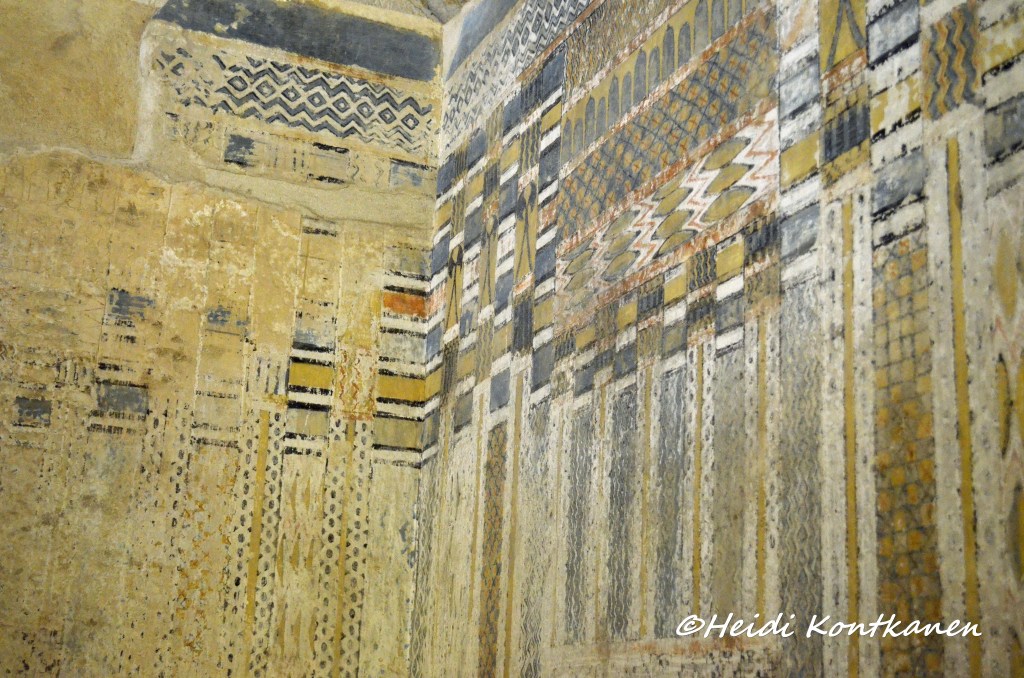
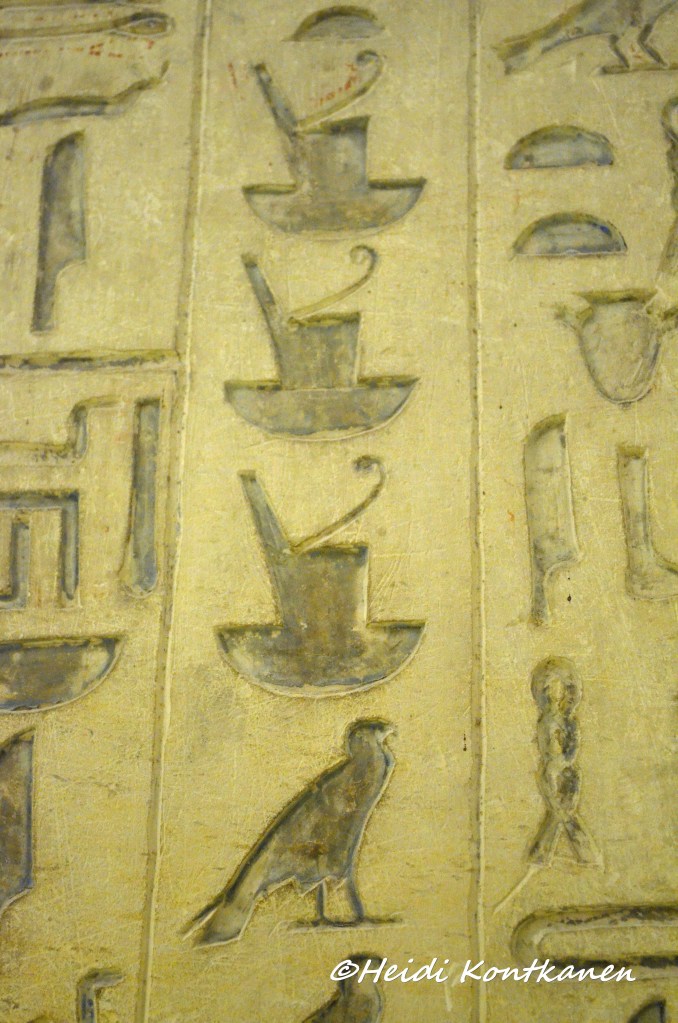
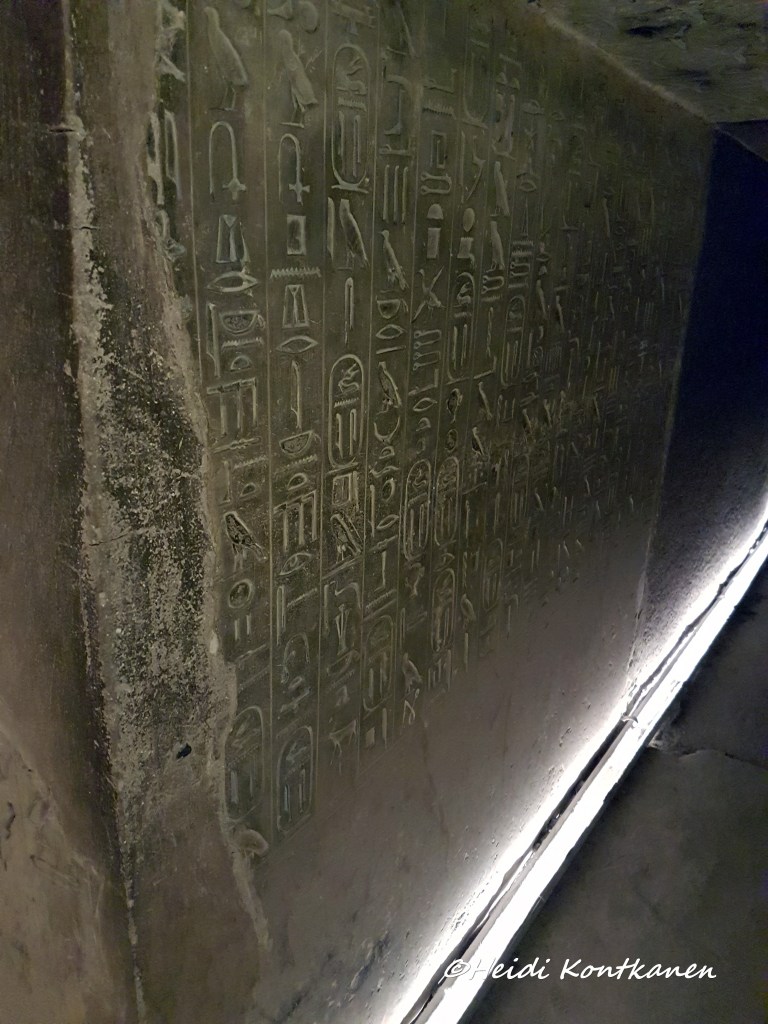
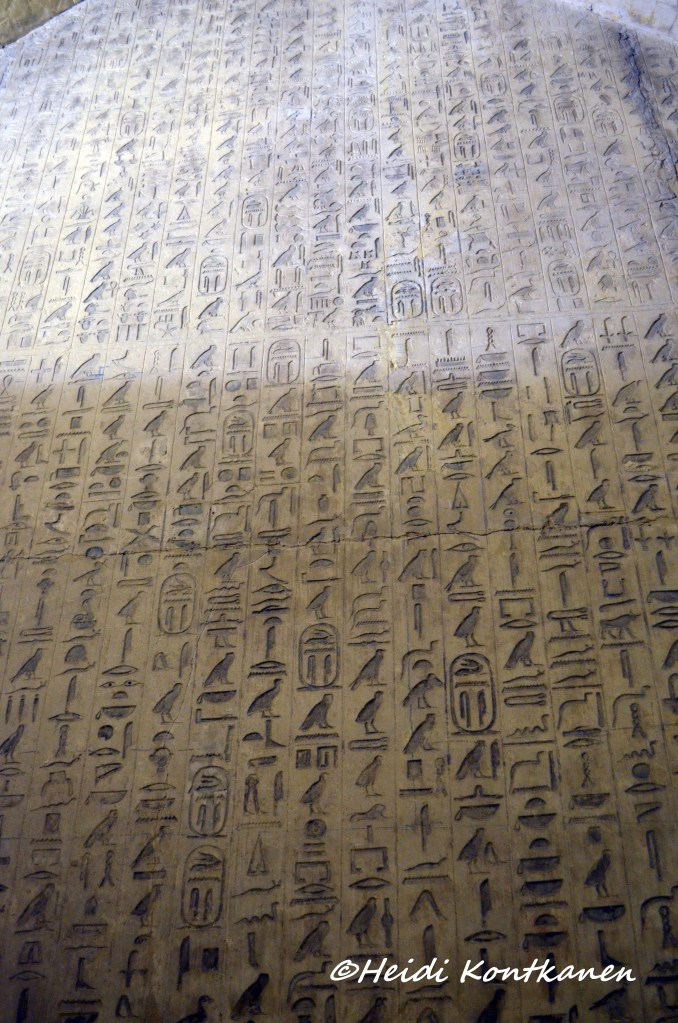
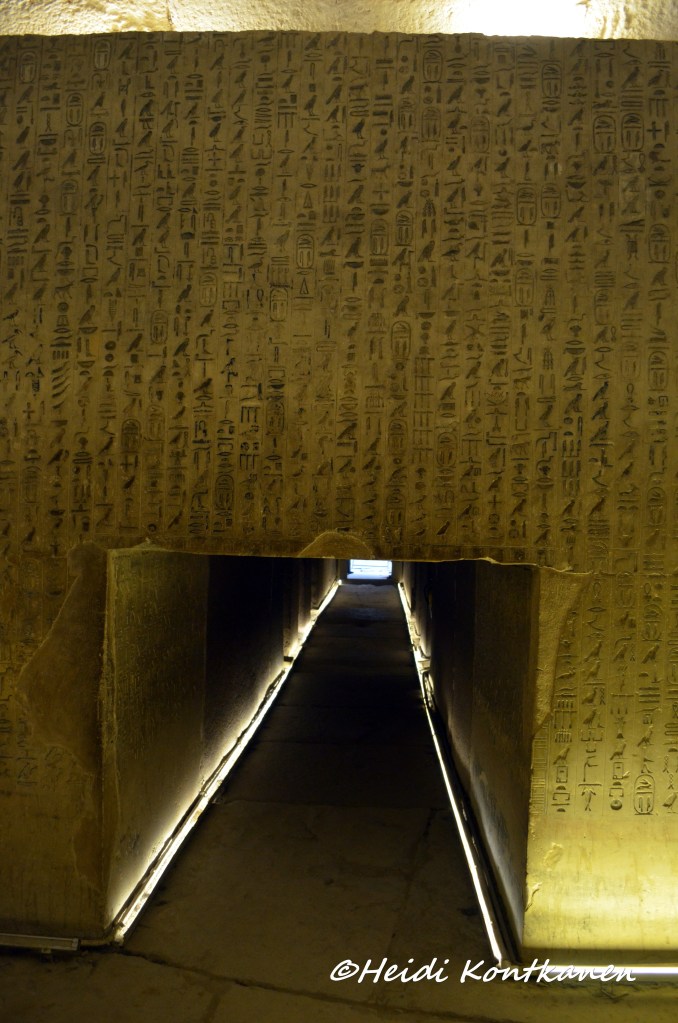
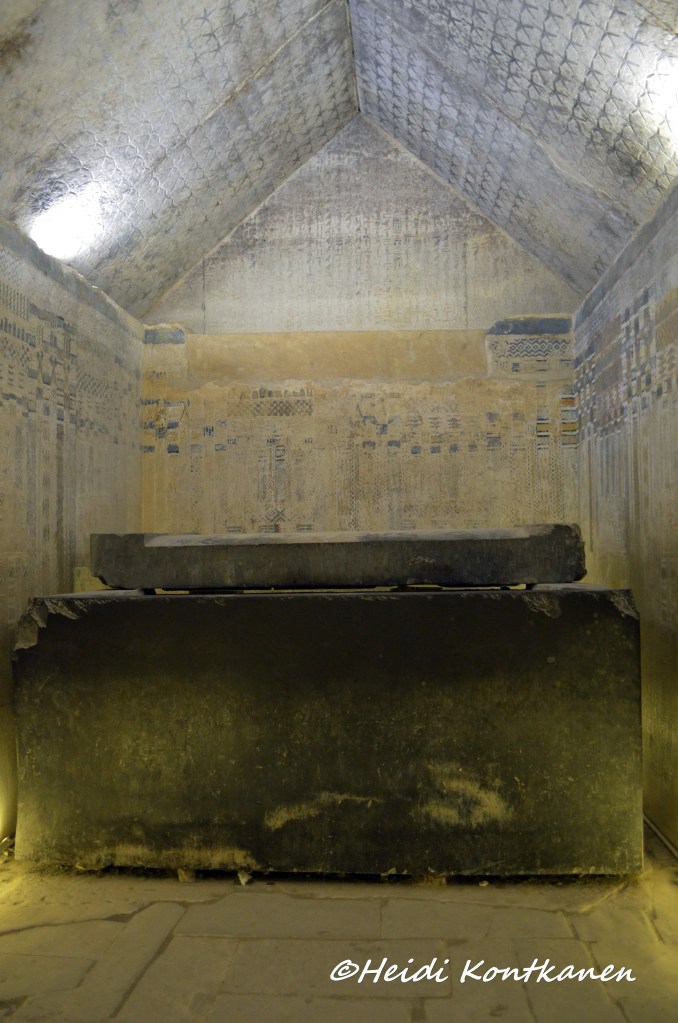
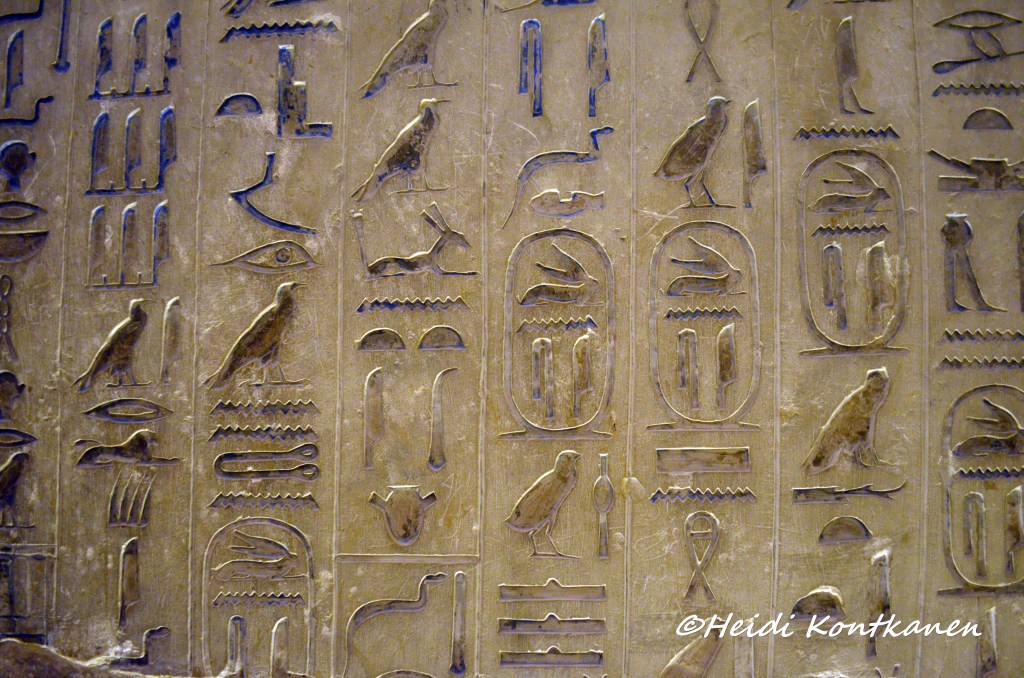
Unas pyramid is the first since Djoser to be decorated. Walls in the burial chamber
ante chamber and section of the horizontal passage are covered with vertical columns of carved hieroglyphs.
The earliest example of the Pyramid Texts.
Information text is from the book:
“The Complete Pyramids – by Mark Lehner”
TT277 belongs to Ameneminet
TT277 belongs to Ameneminet
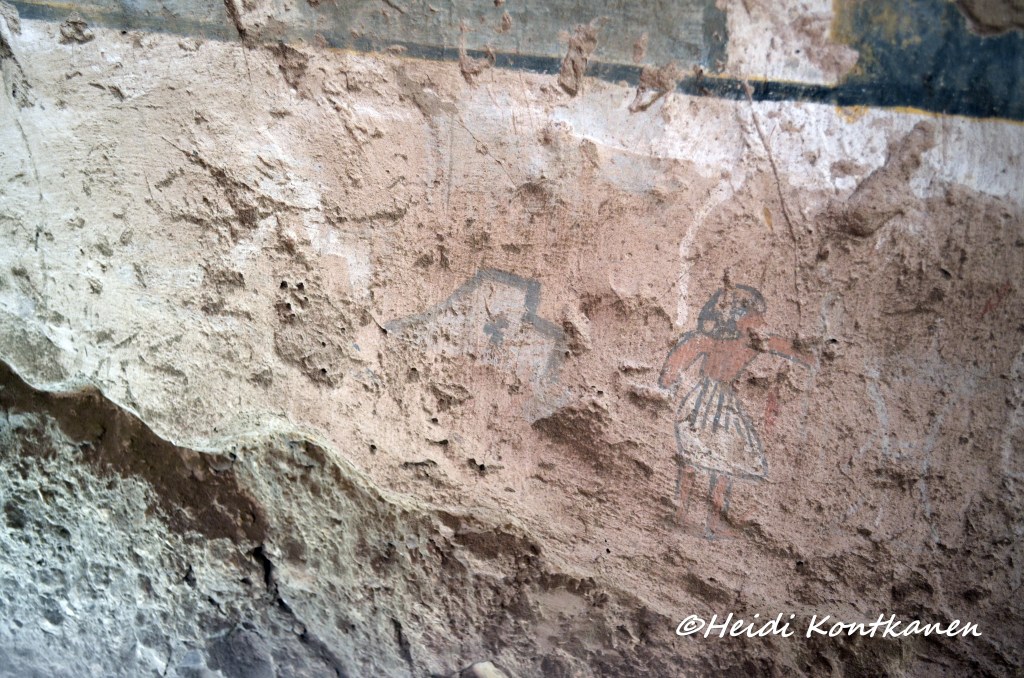
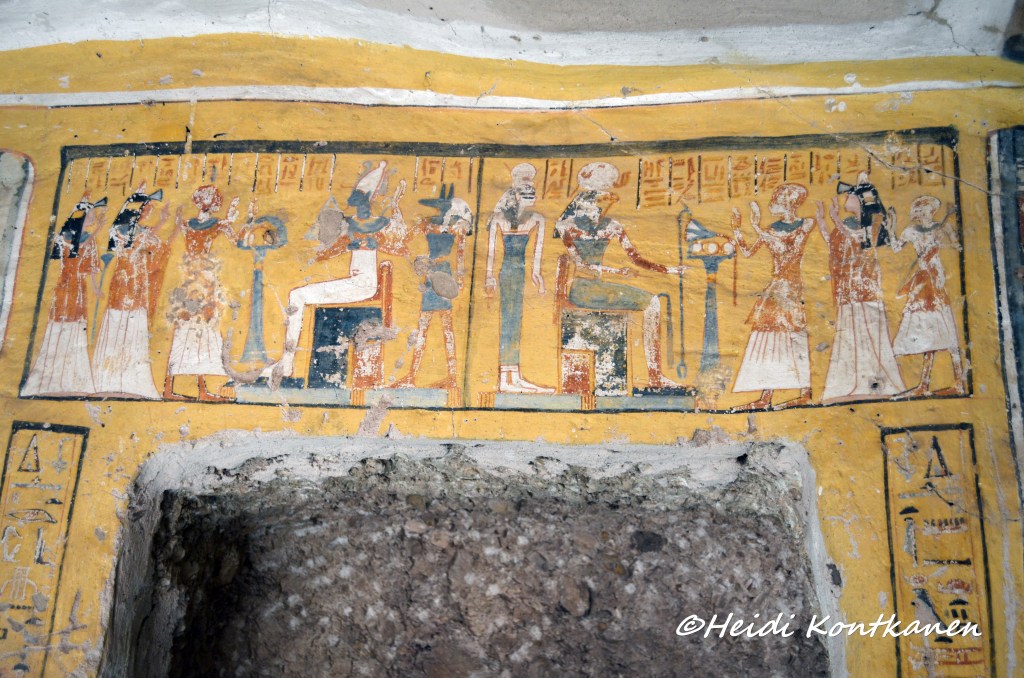
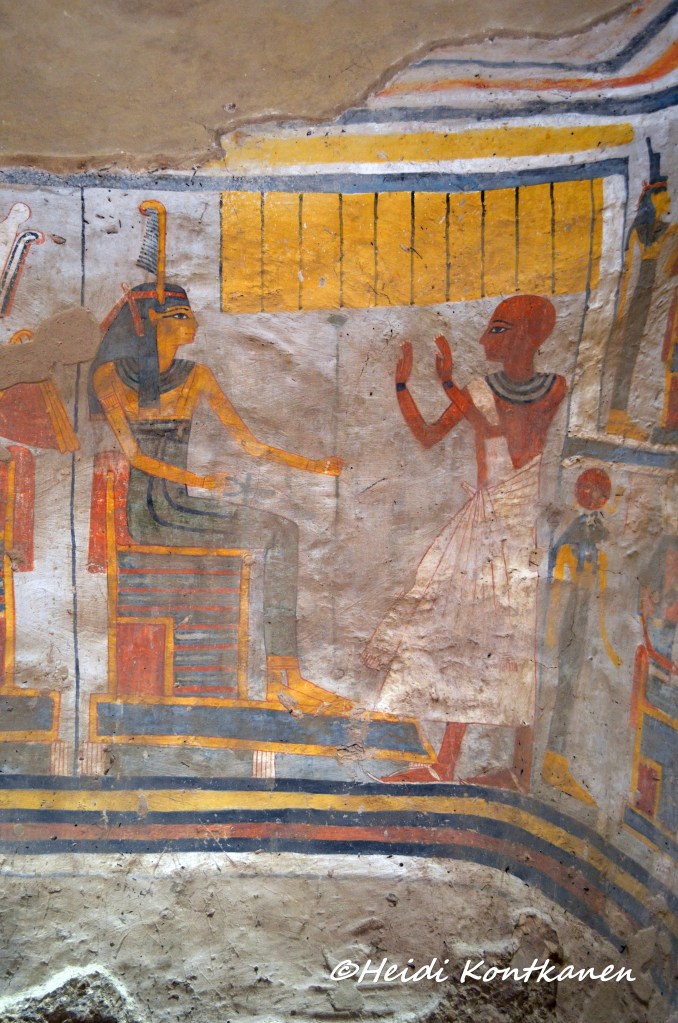
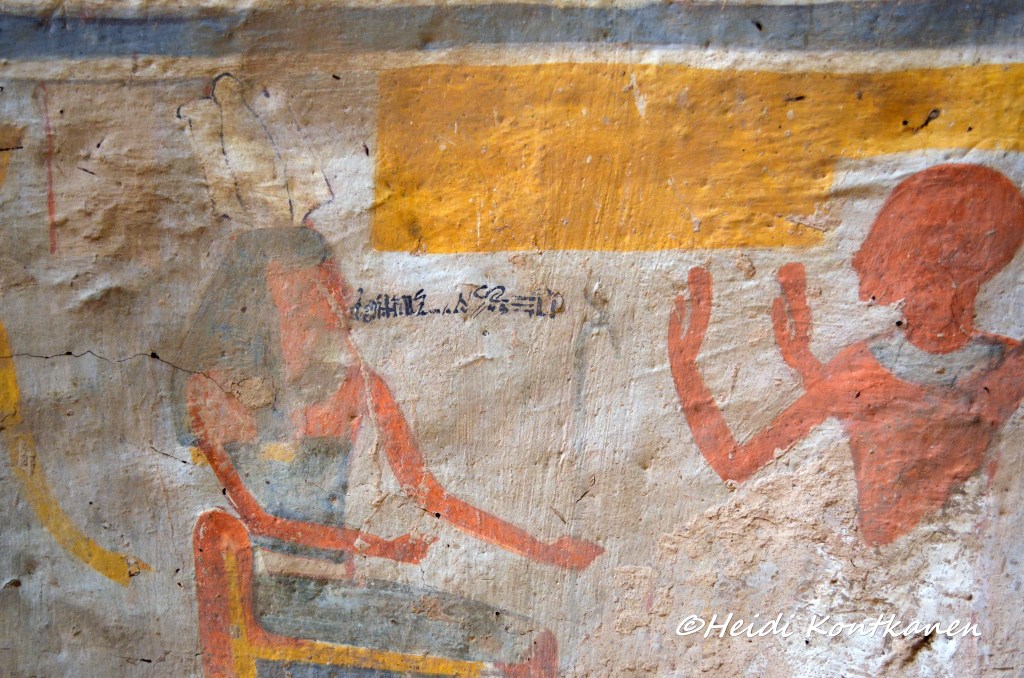

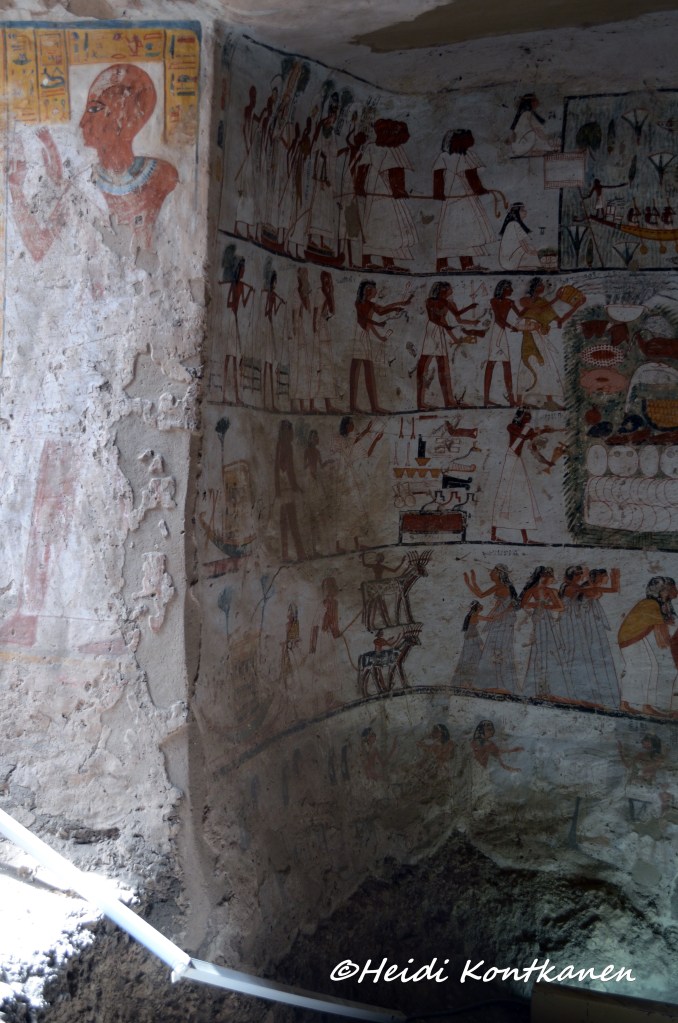
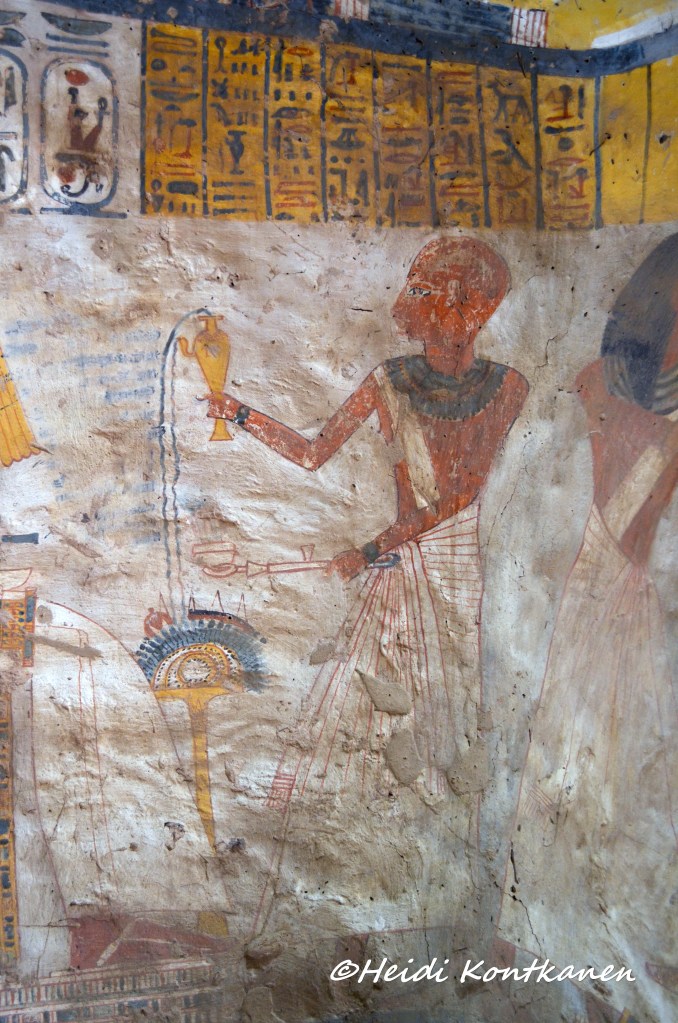
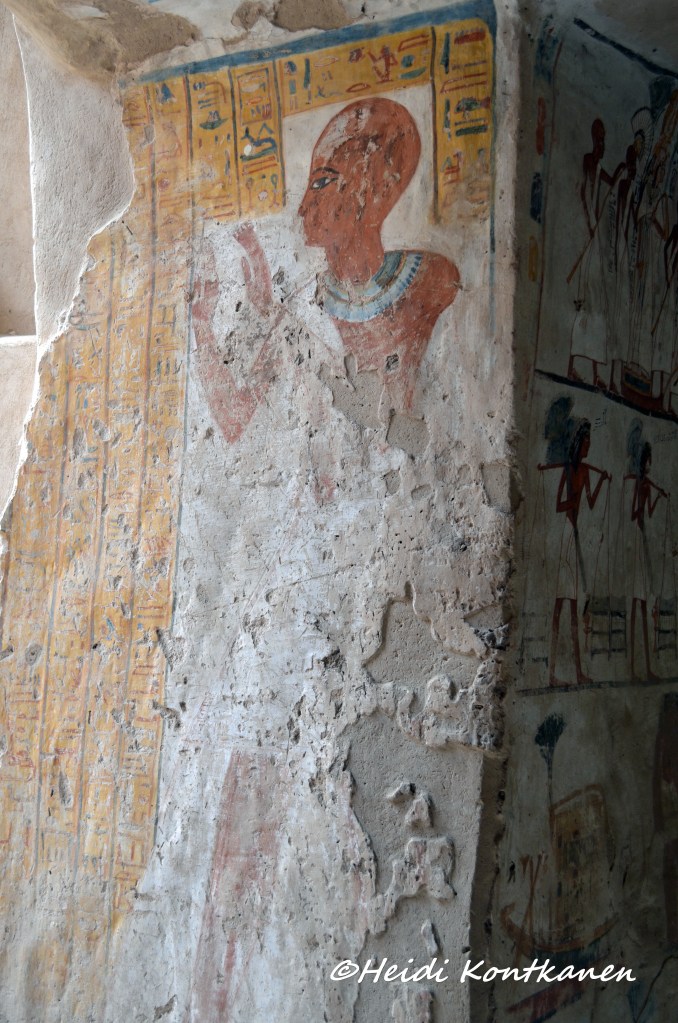
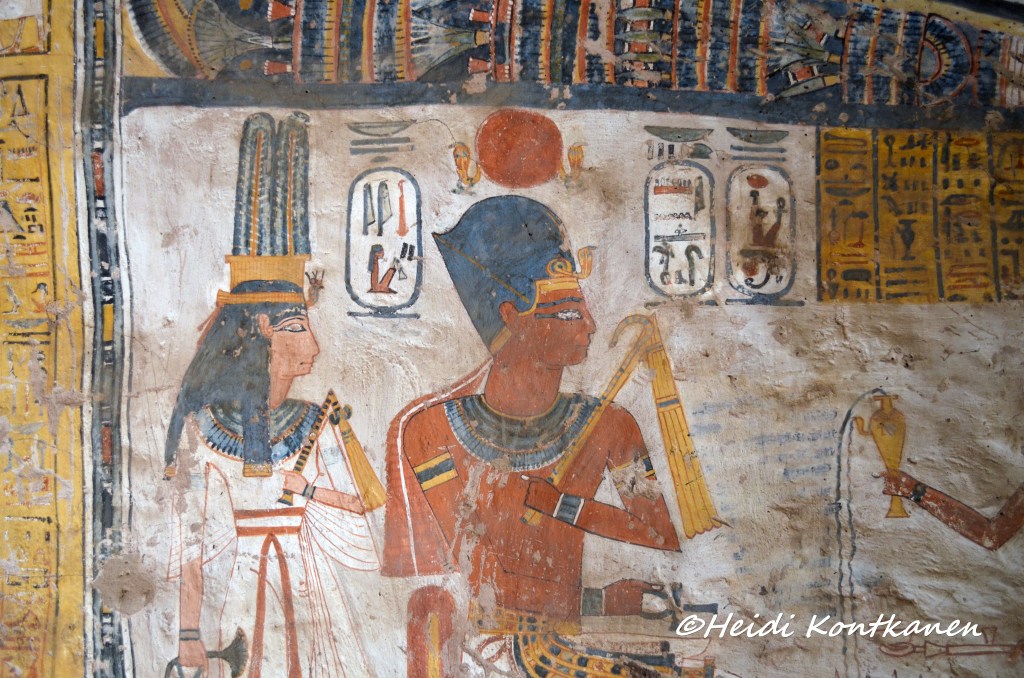
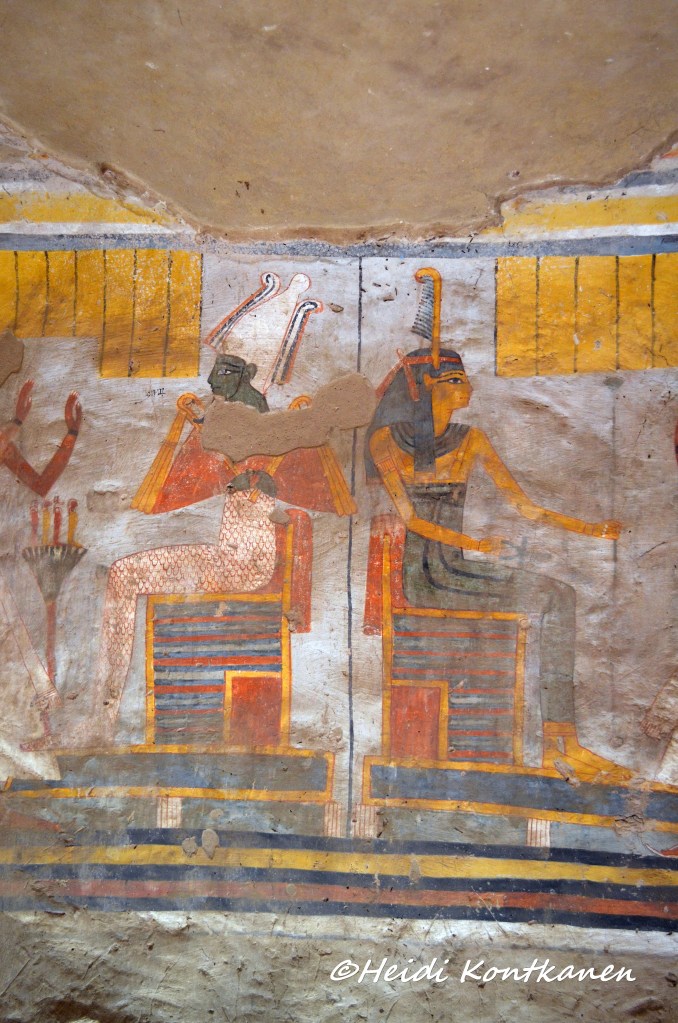
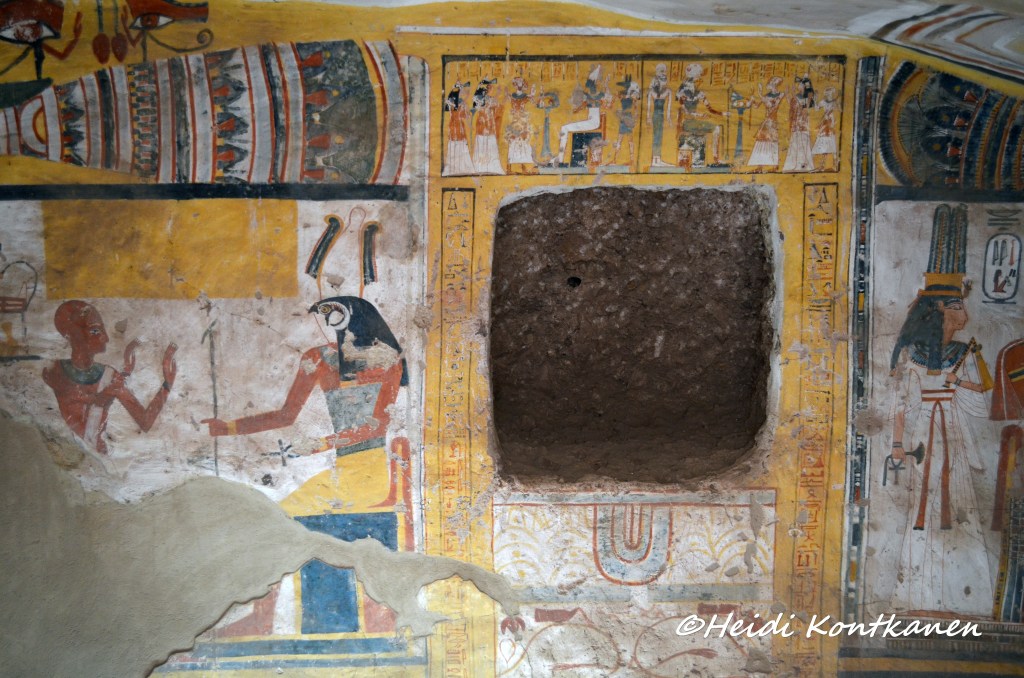
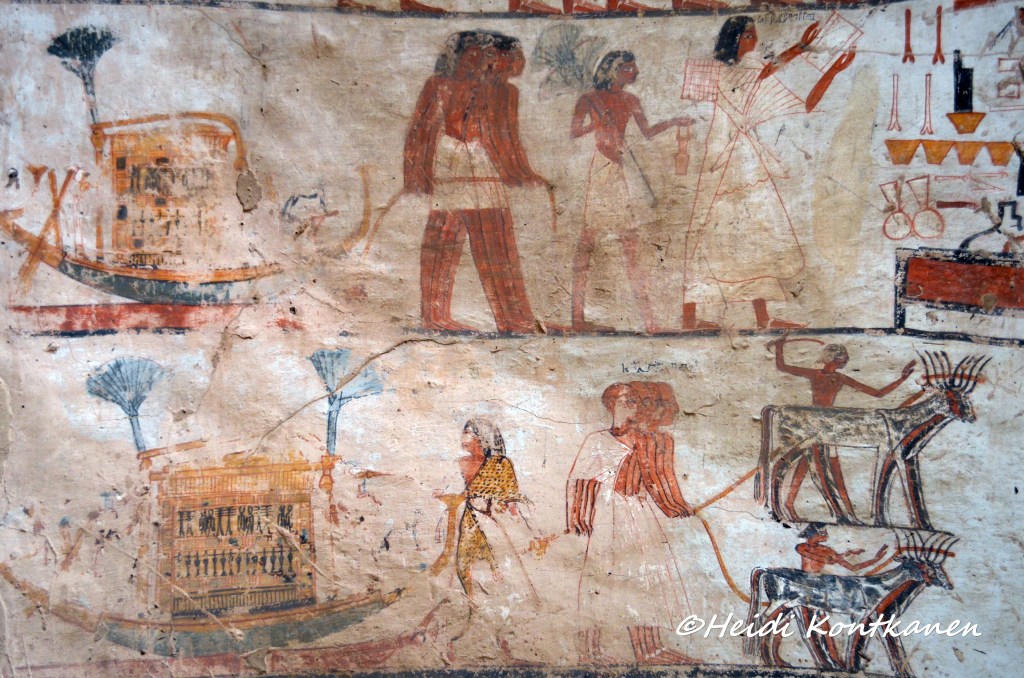
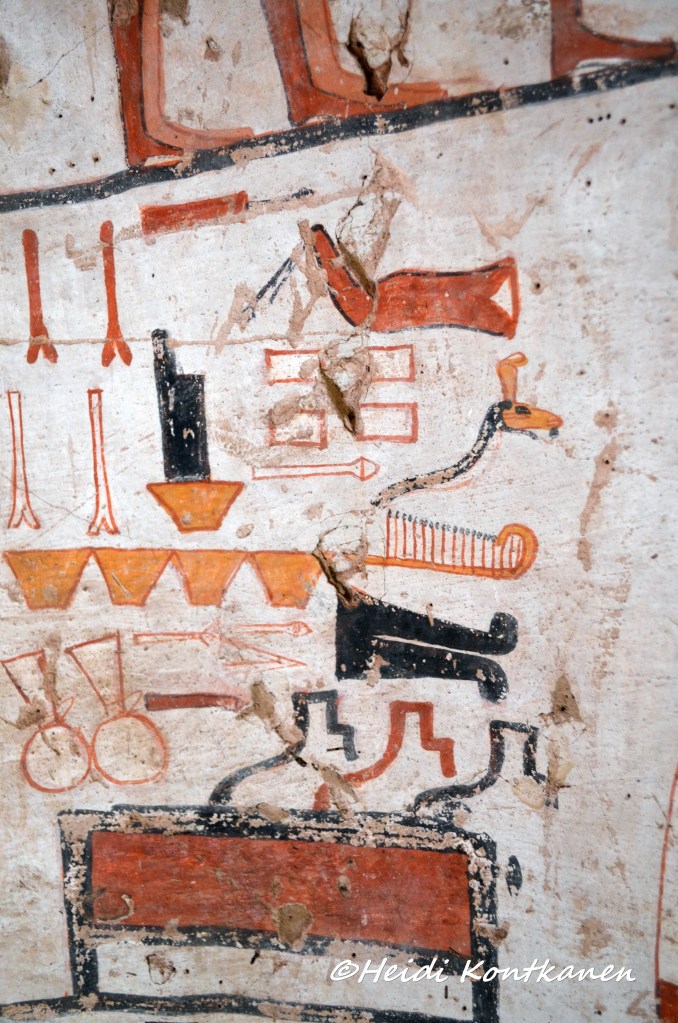
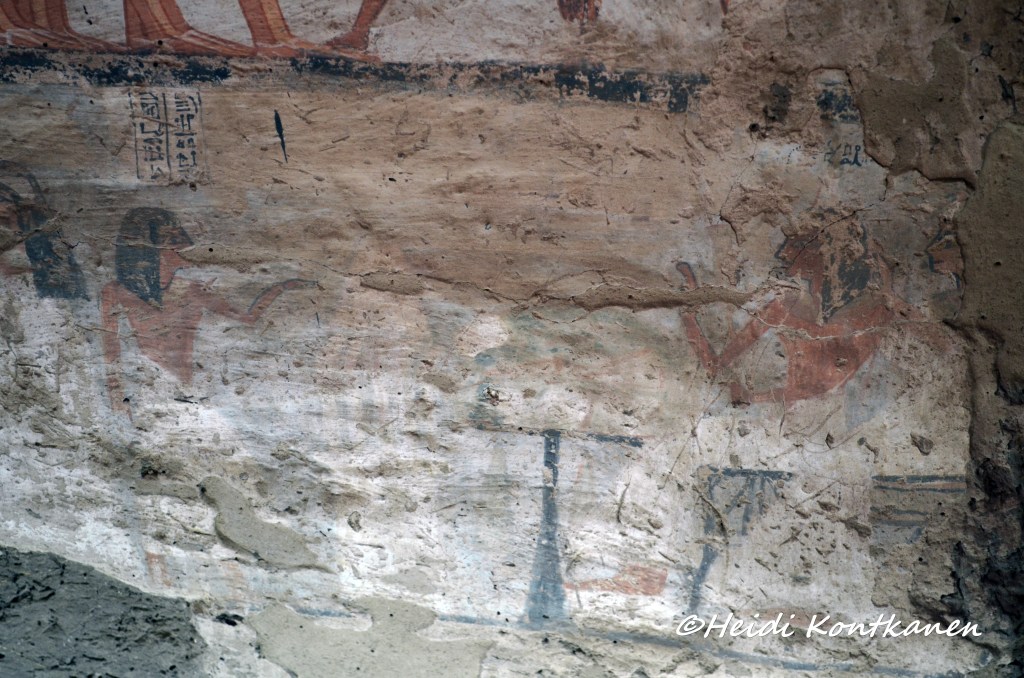

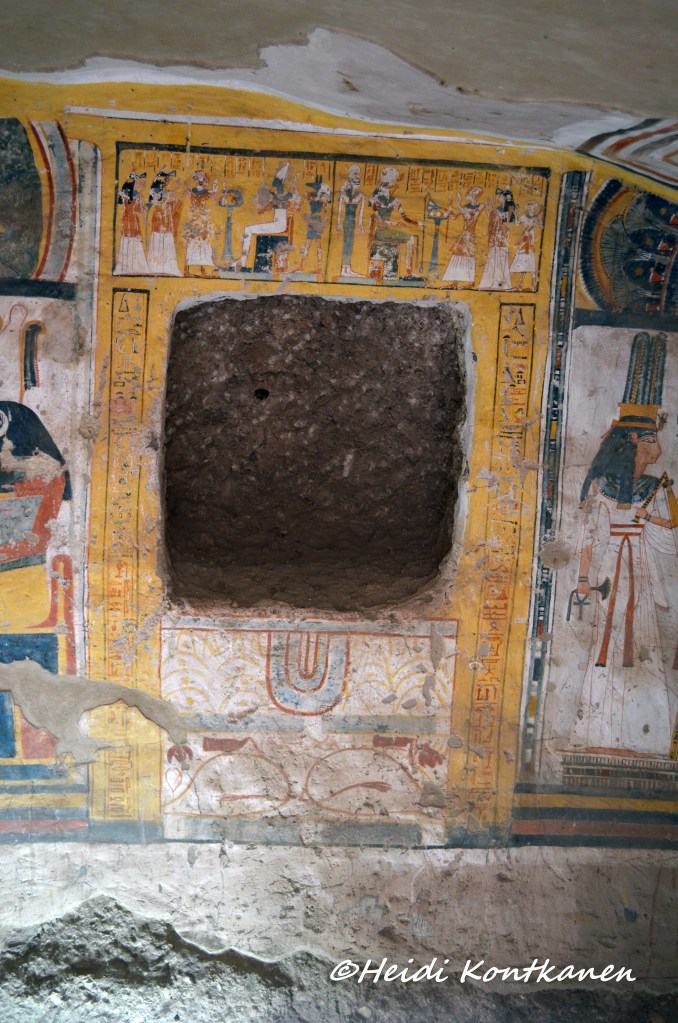
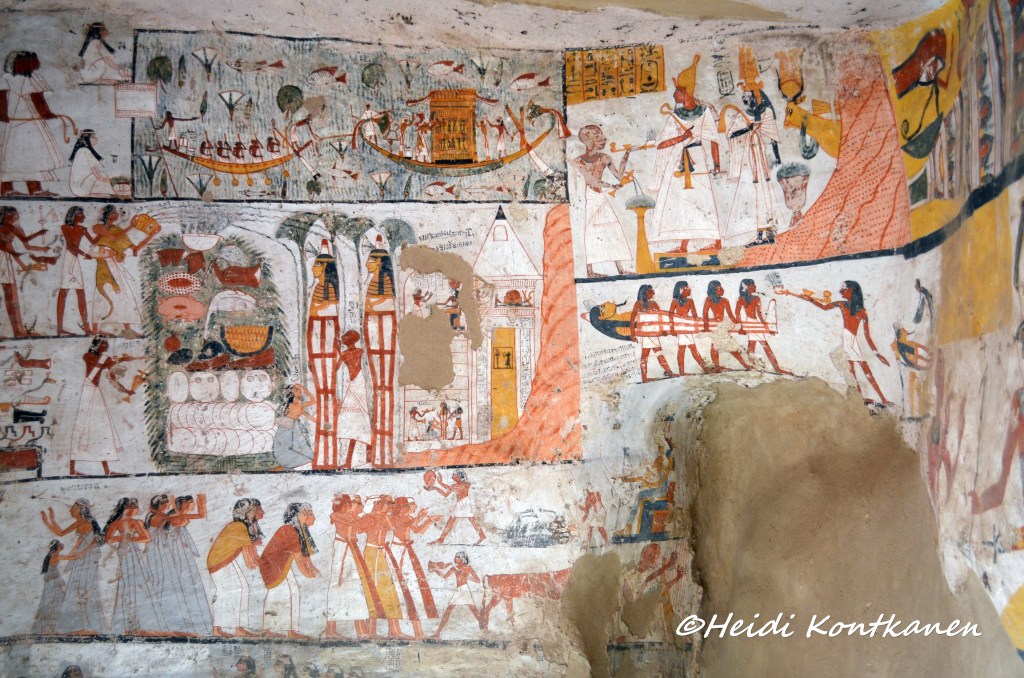
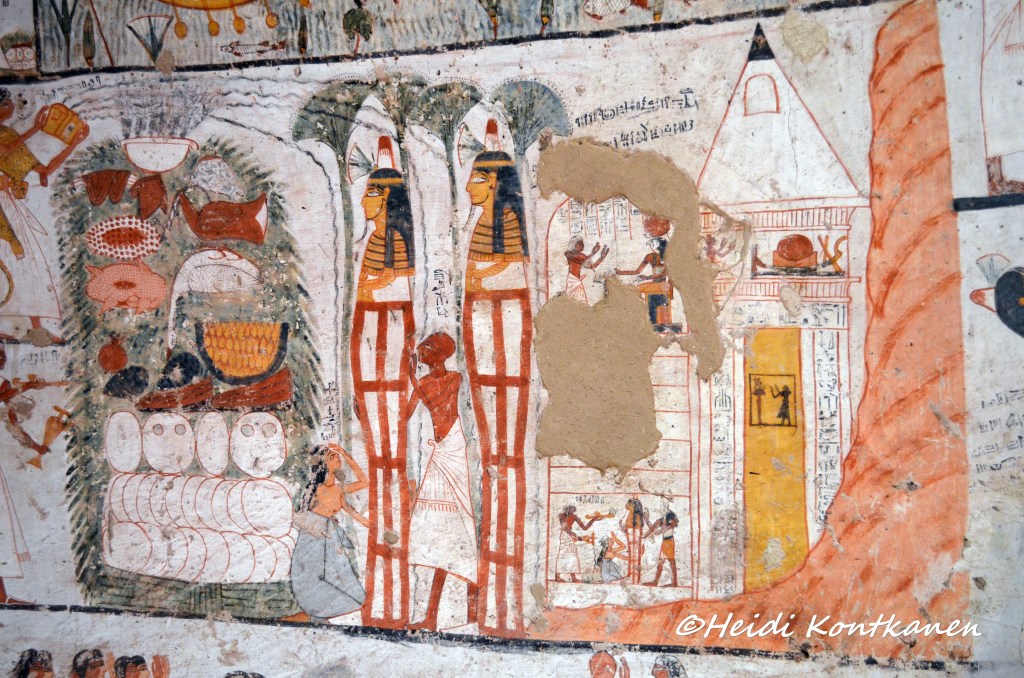
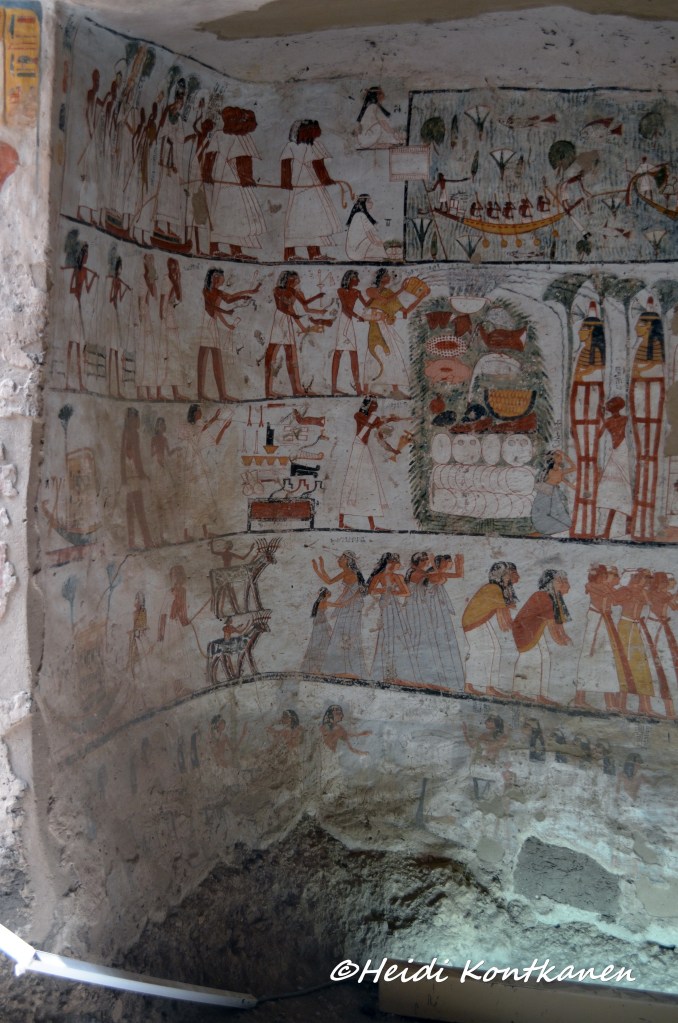
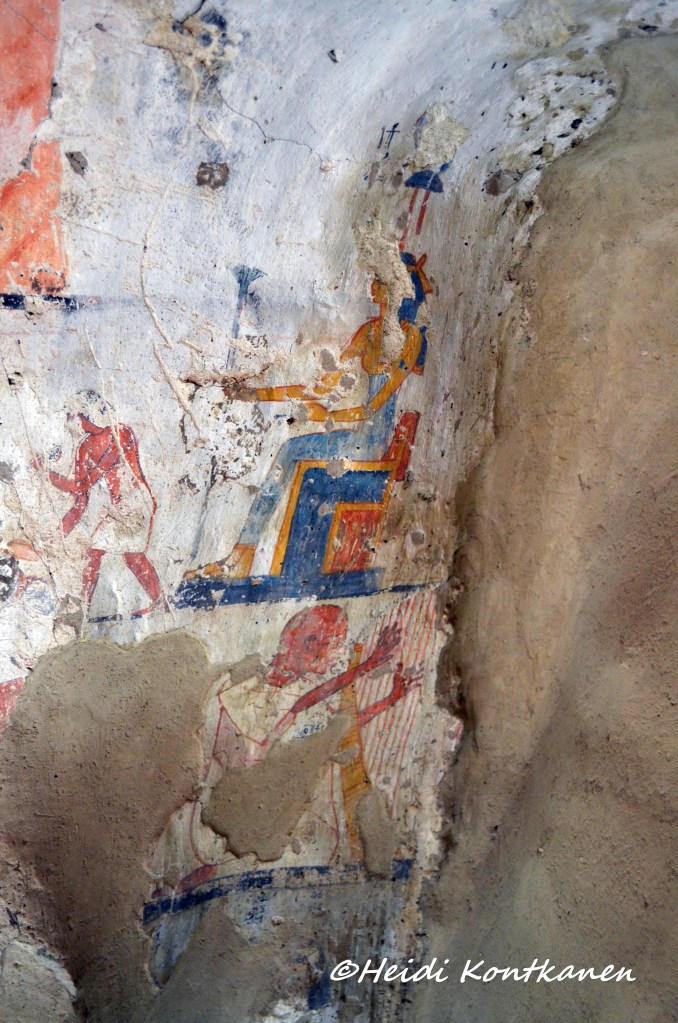
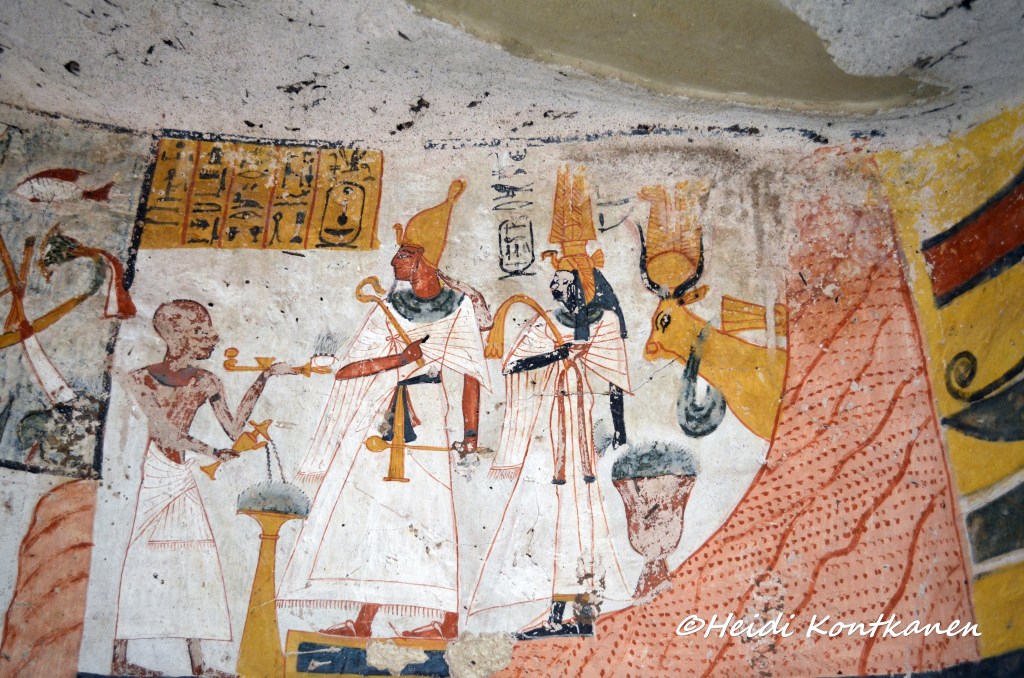
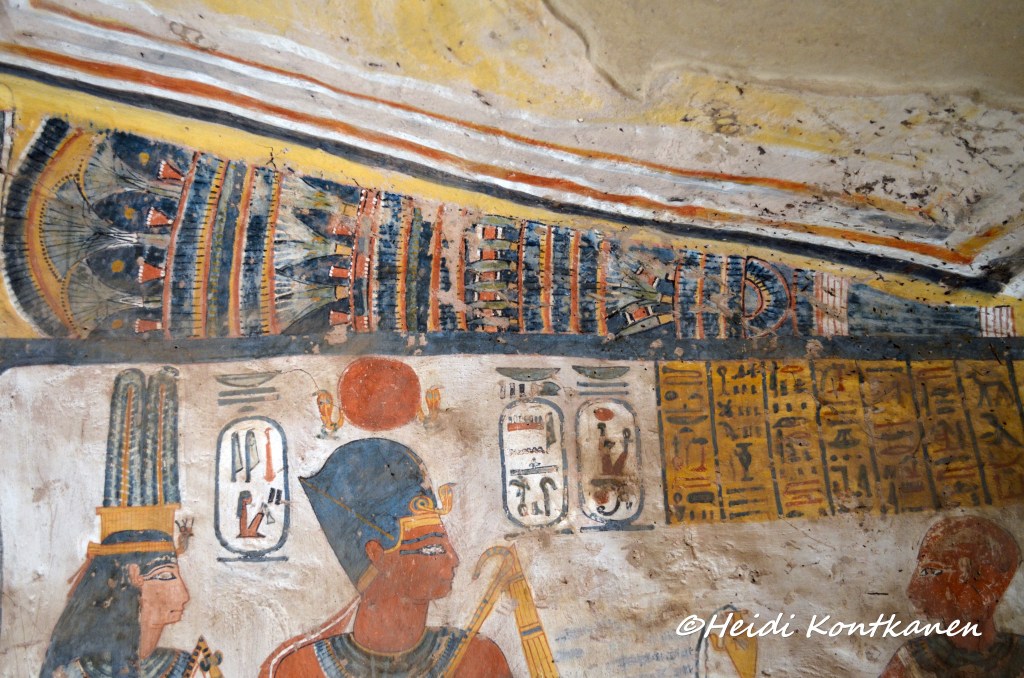

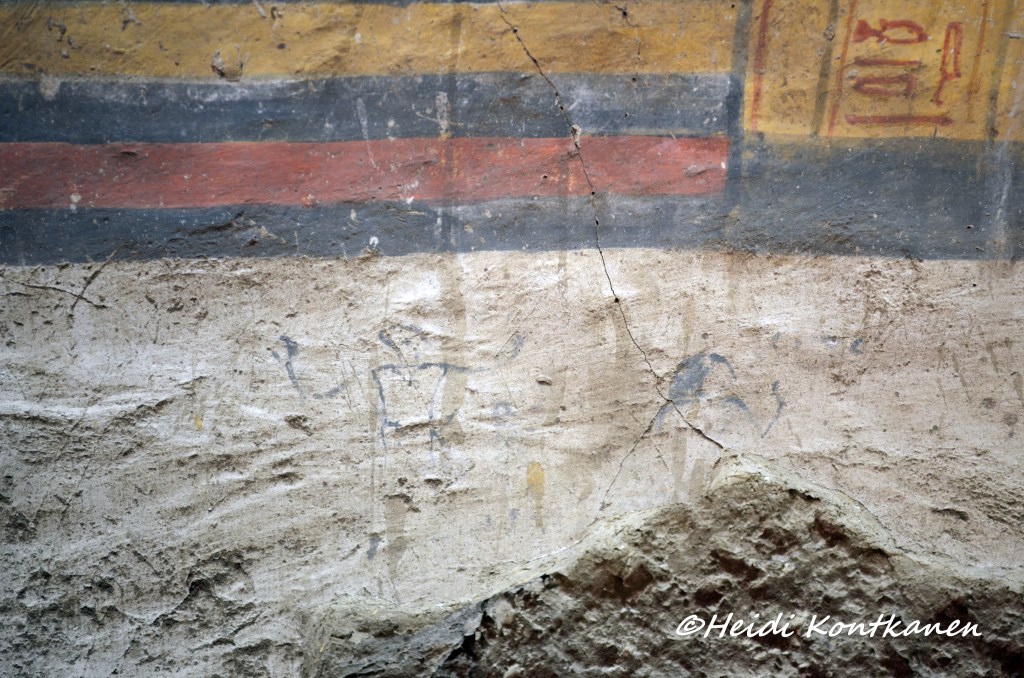
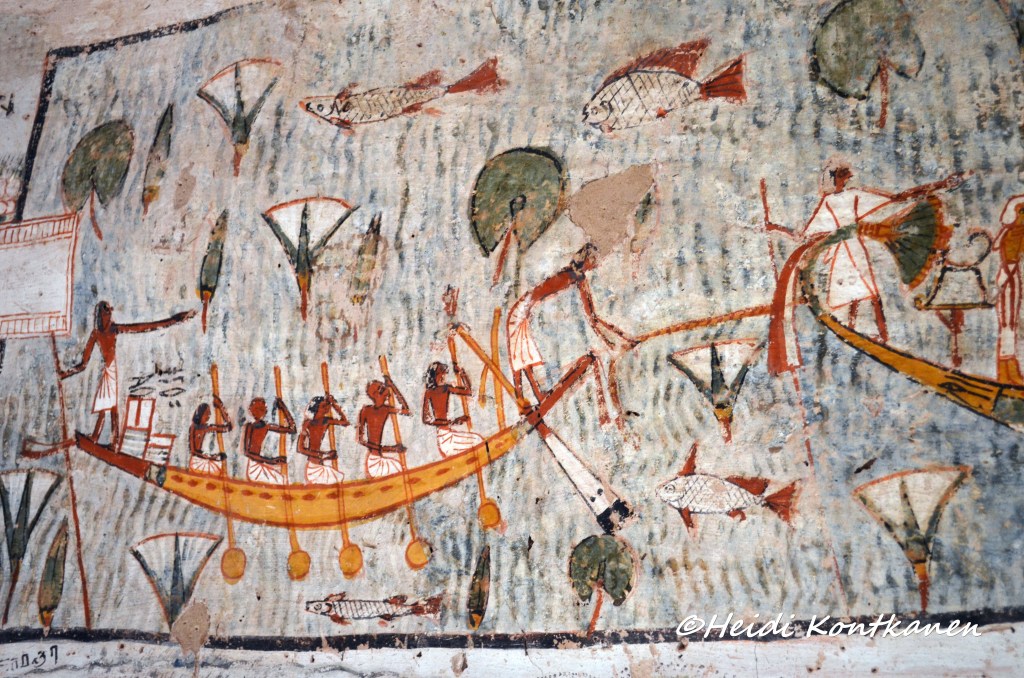
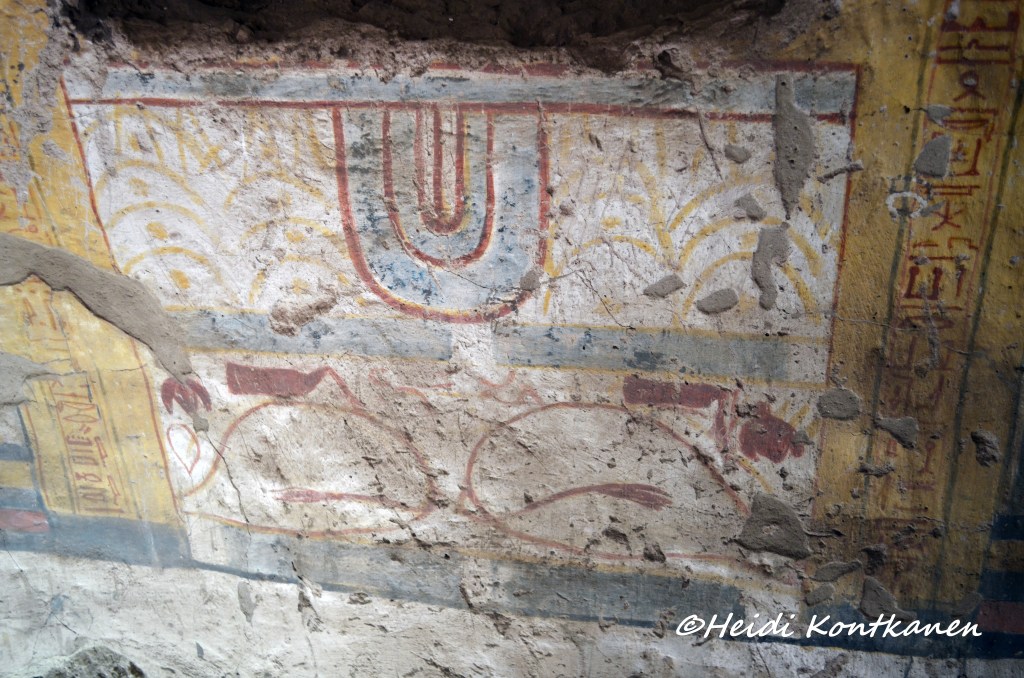
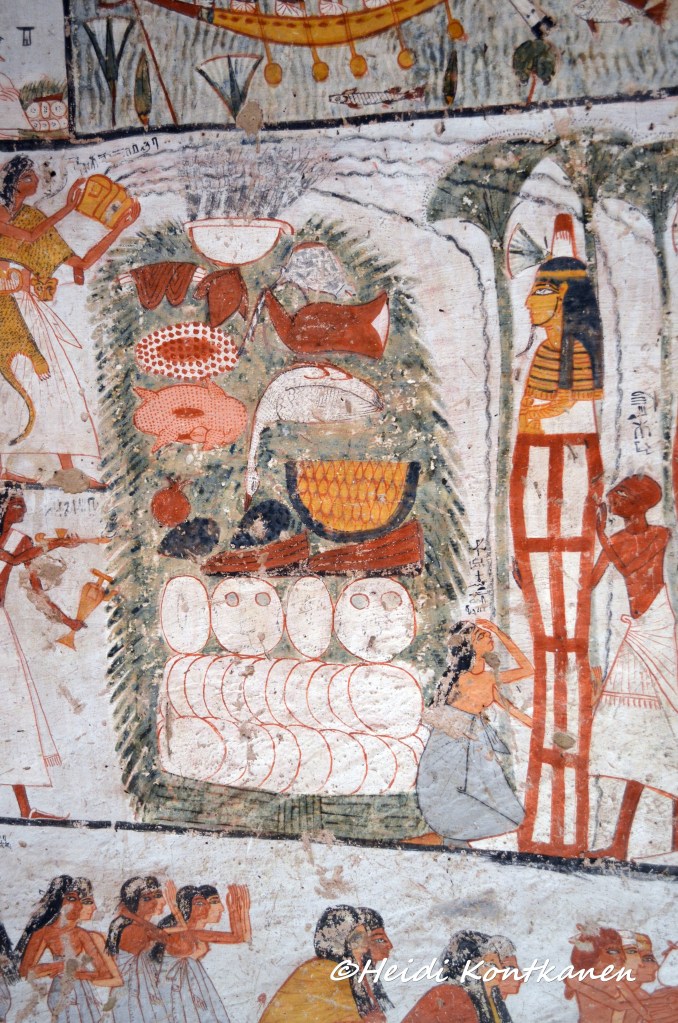
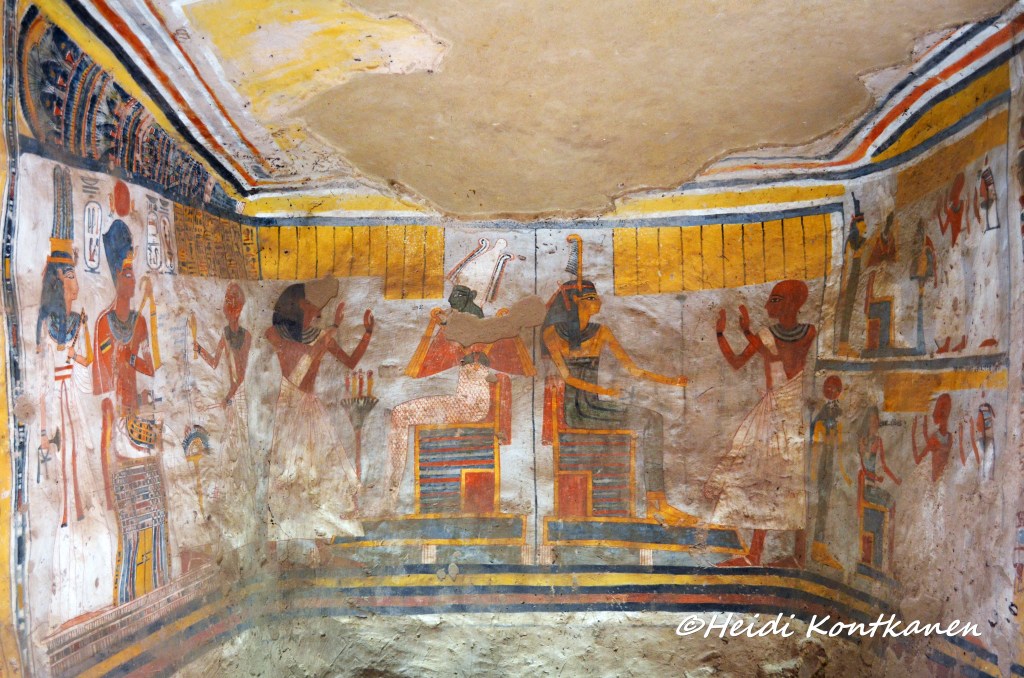
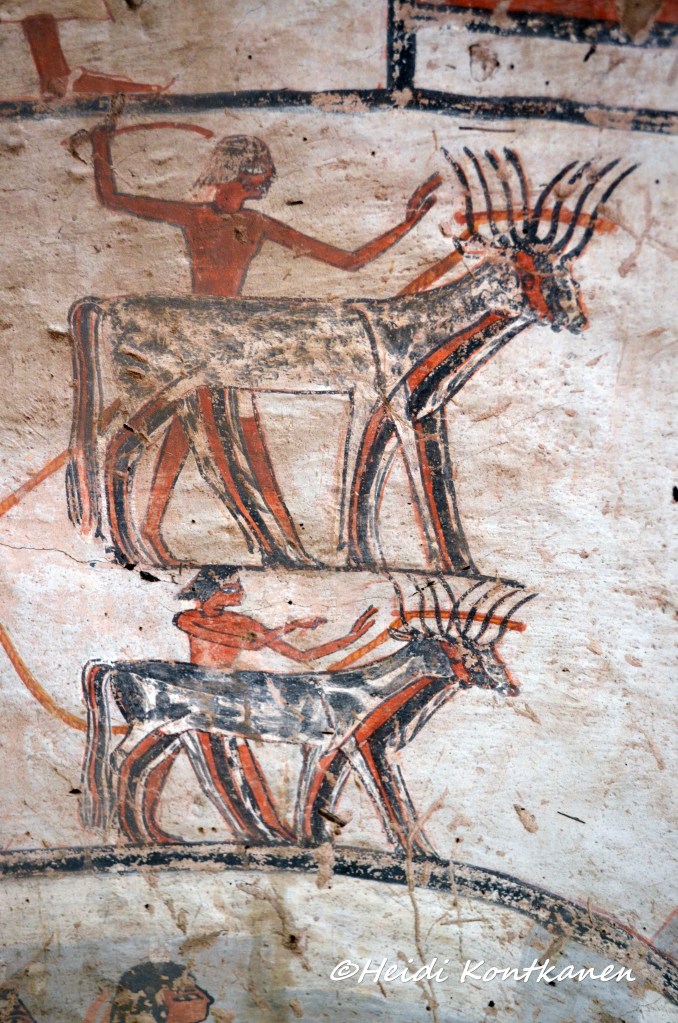
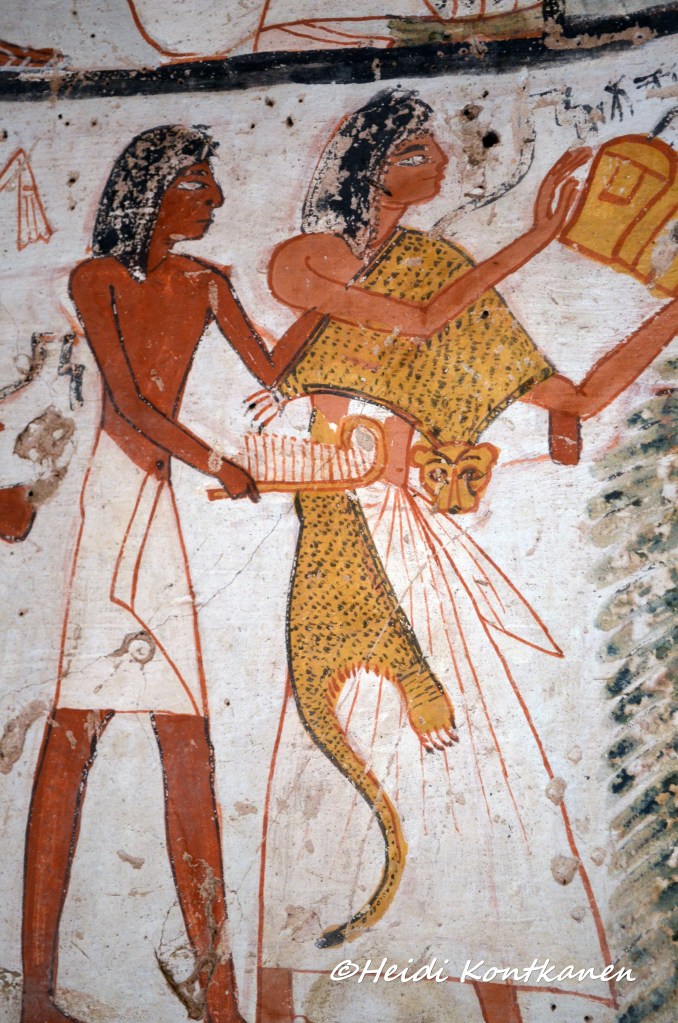
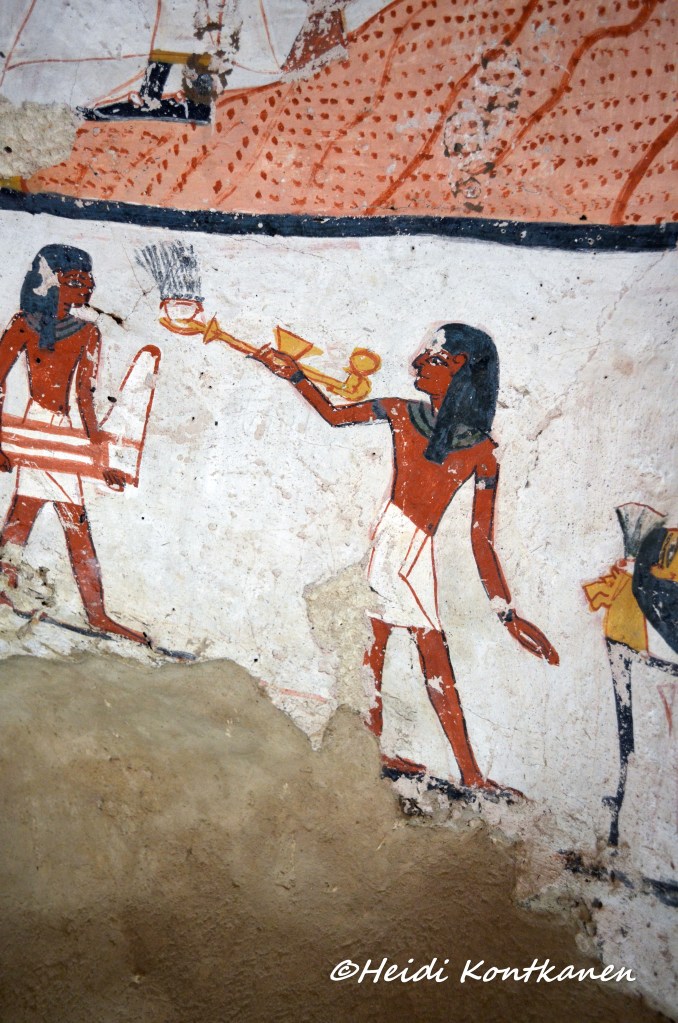
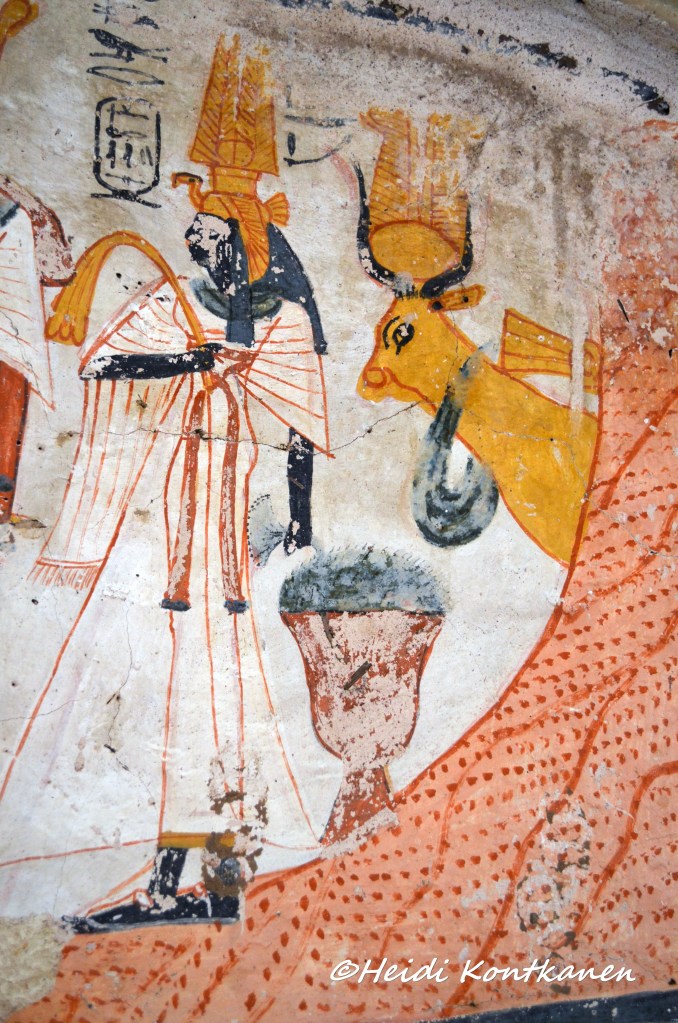
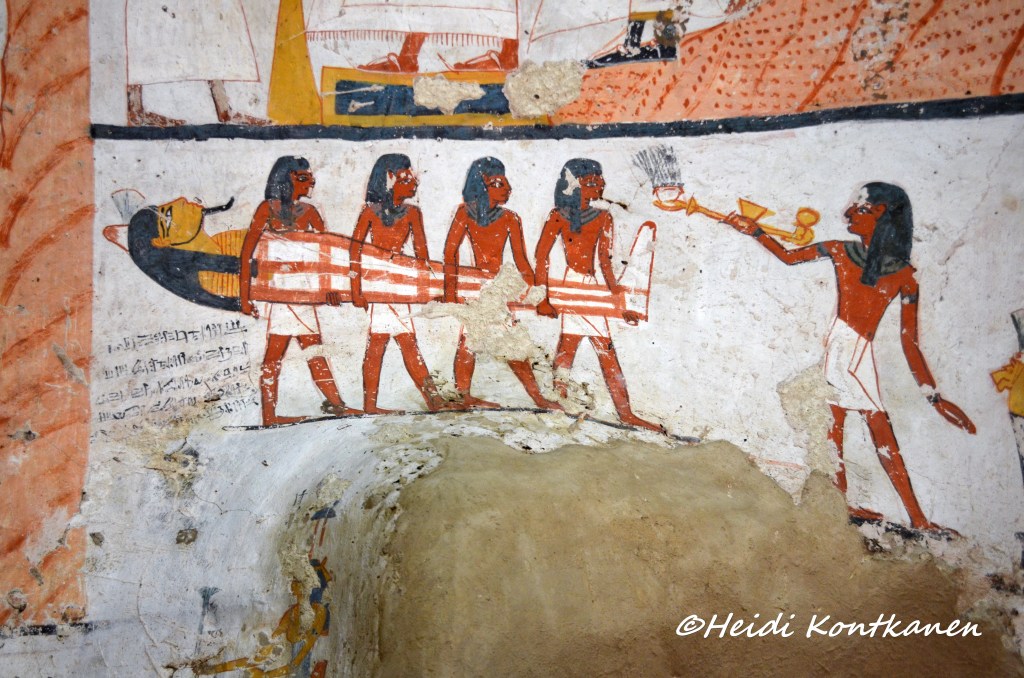
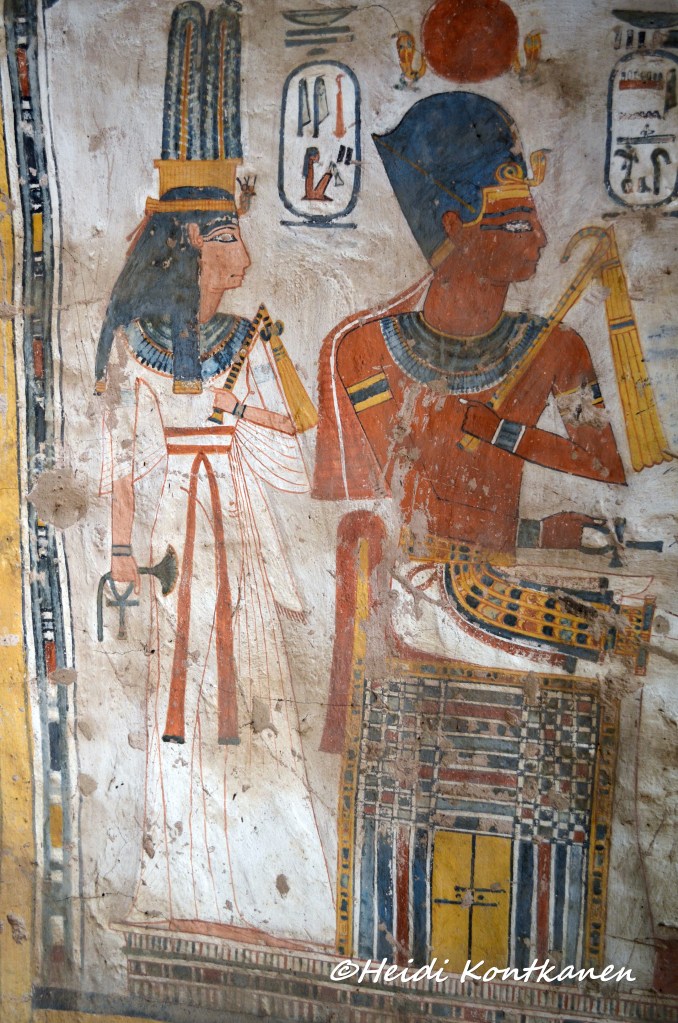
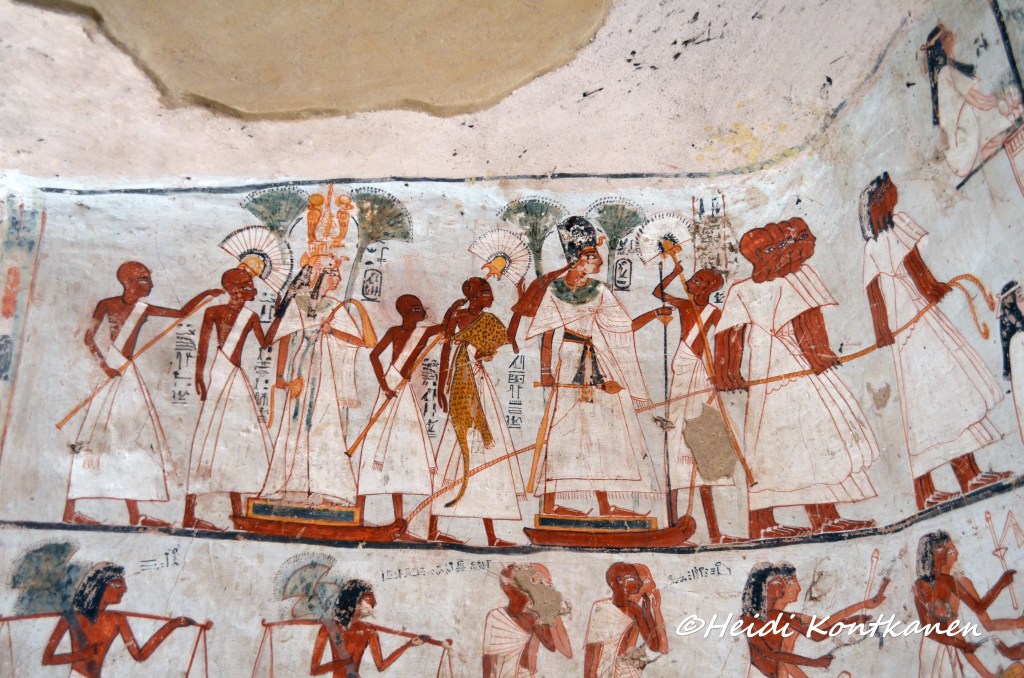
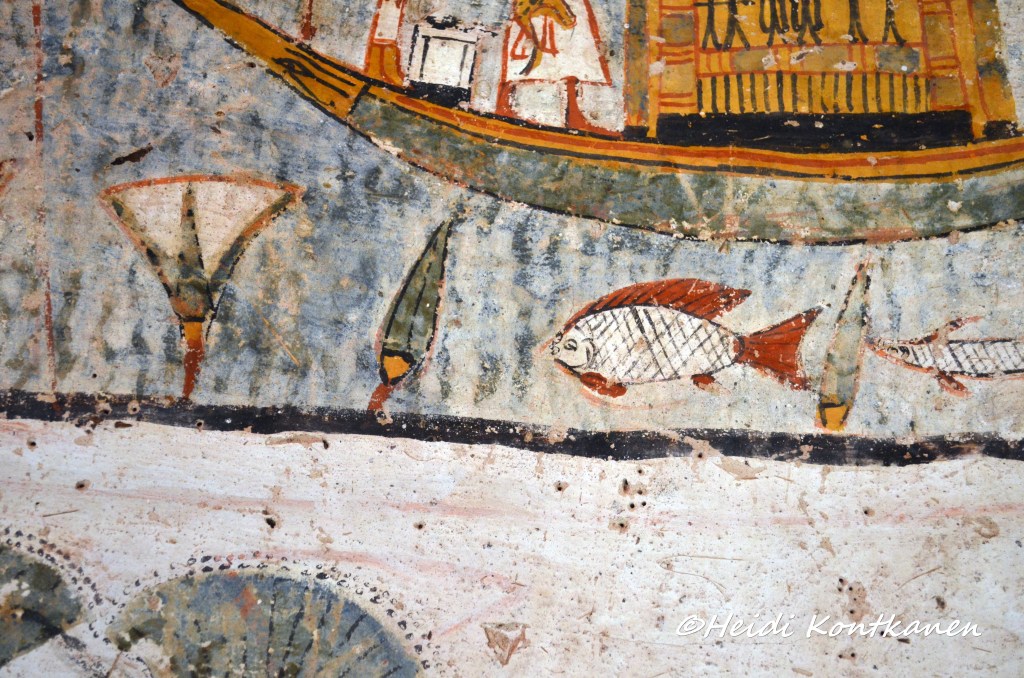
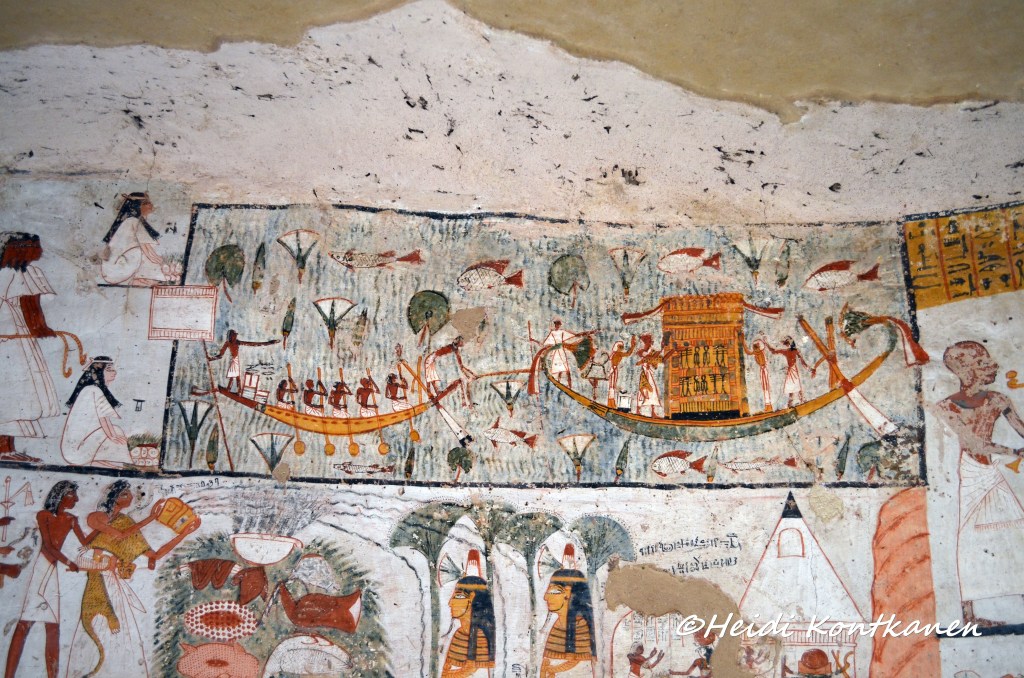
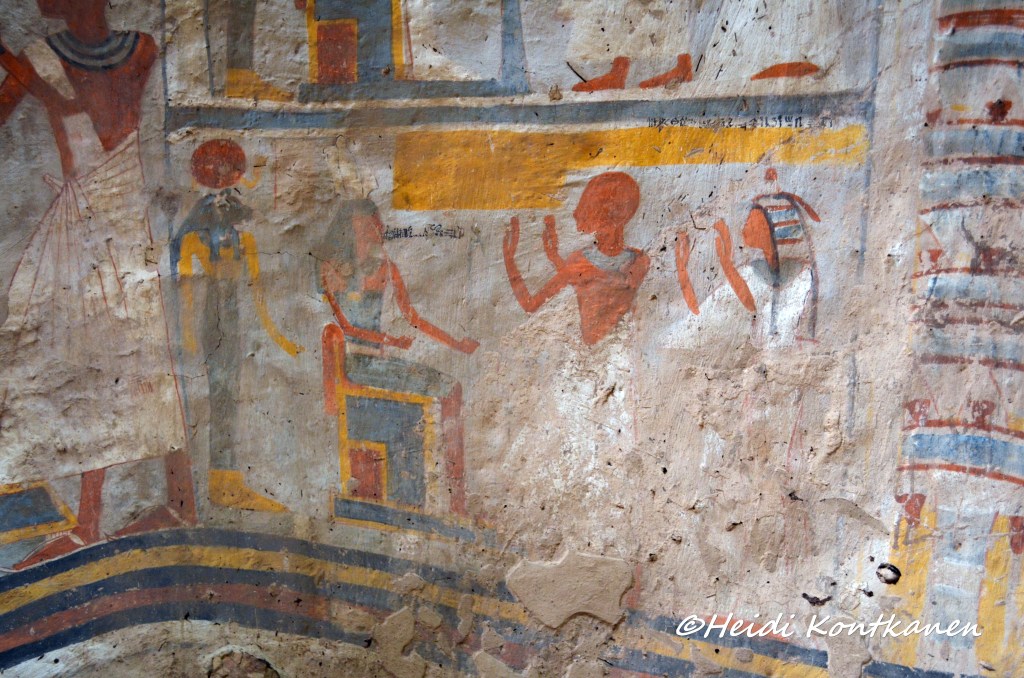
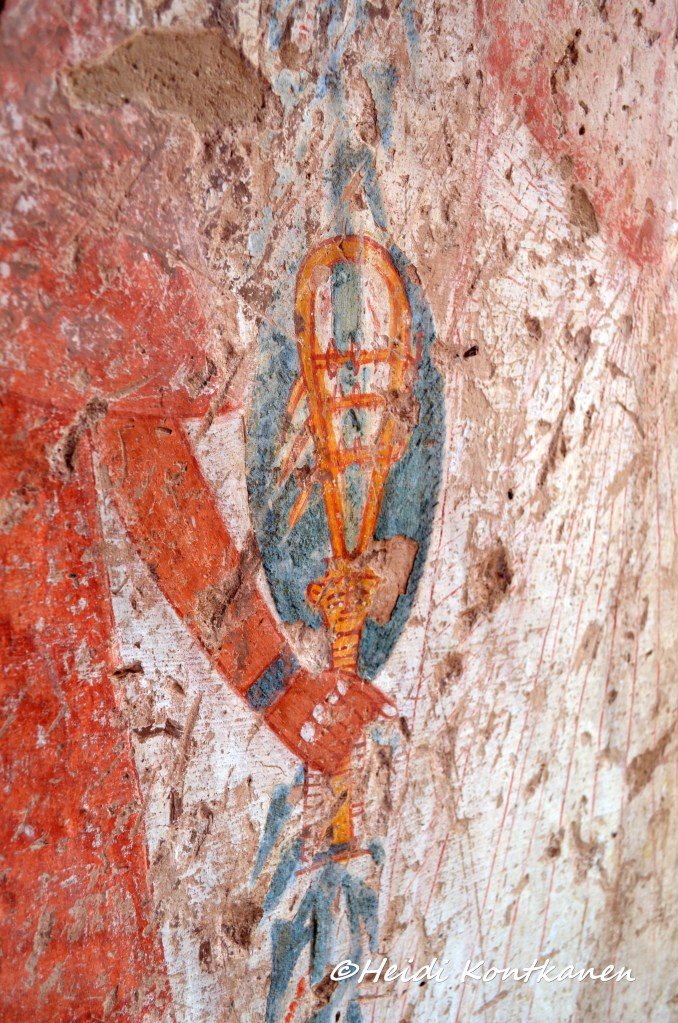
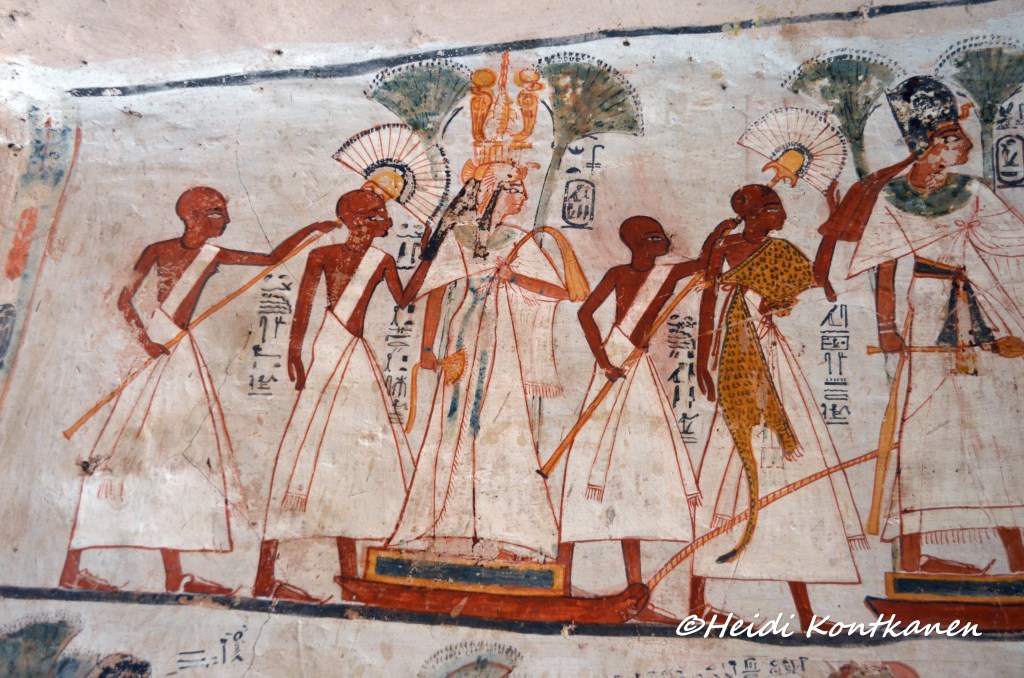
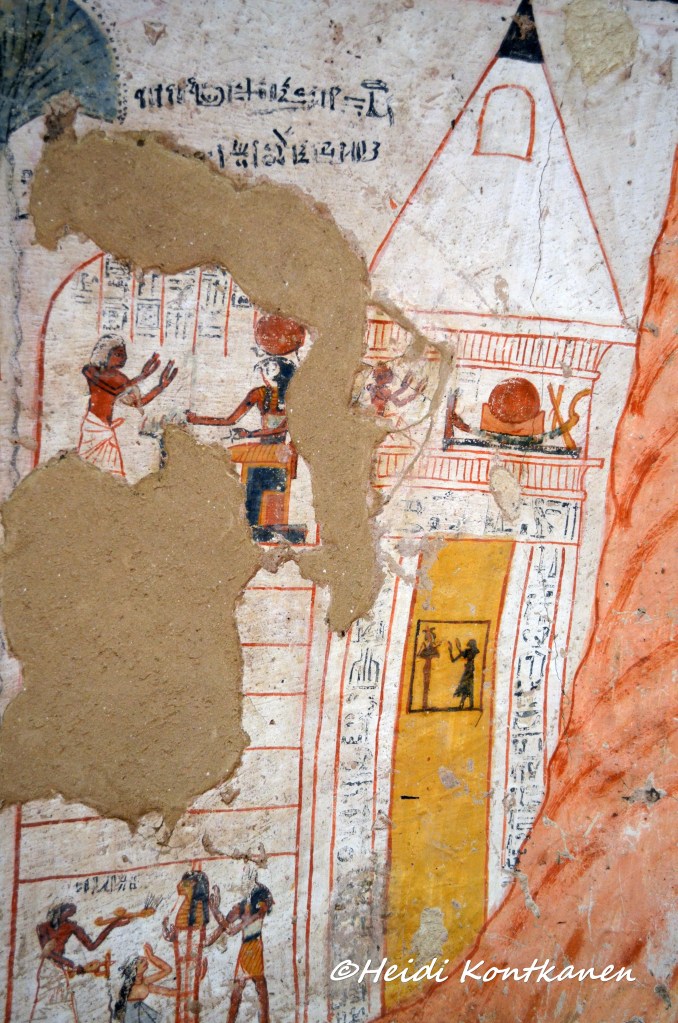

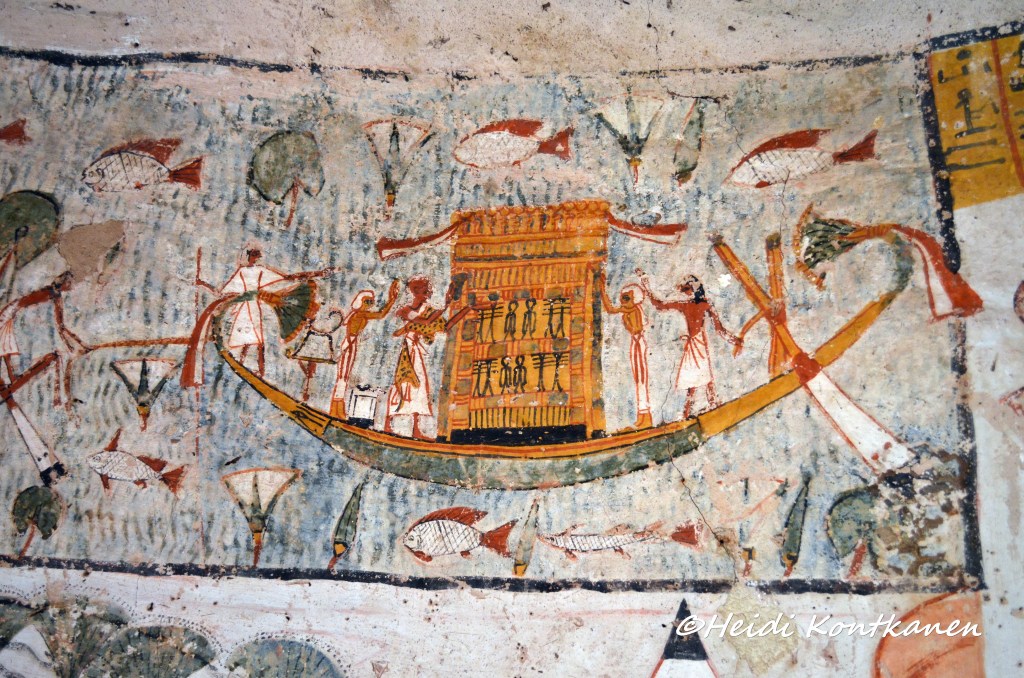
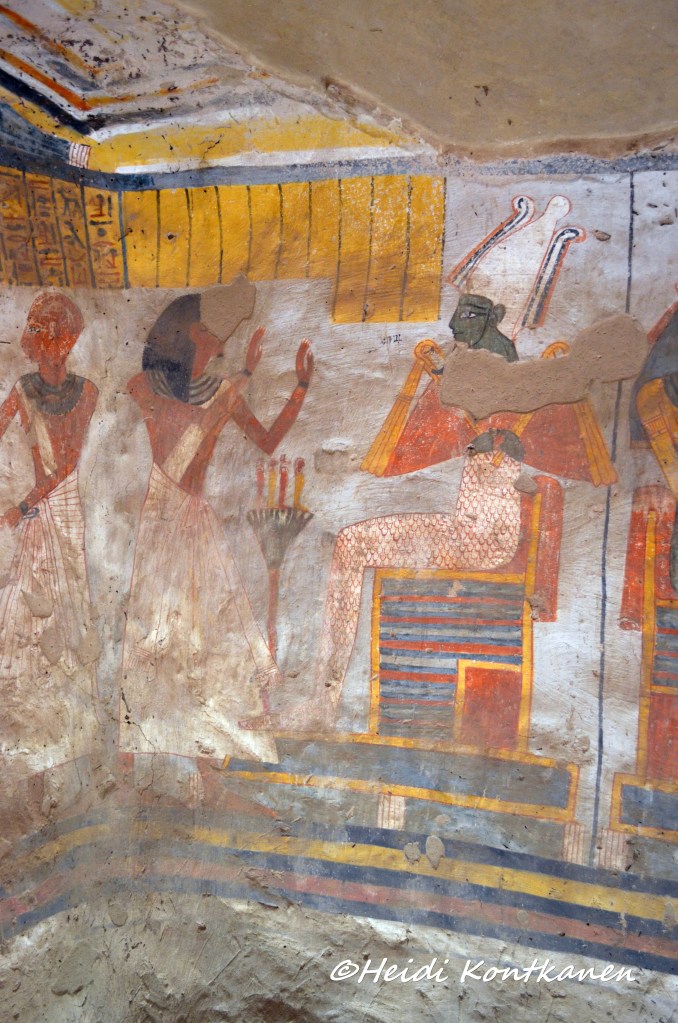
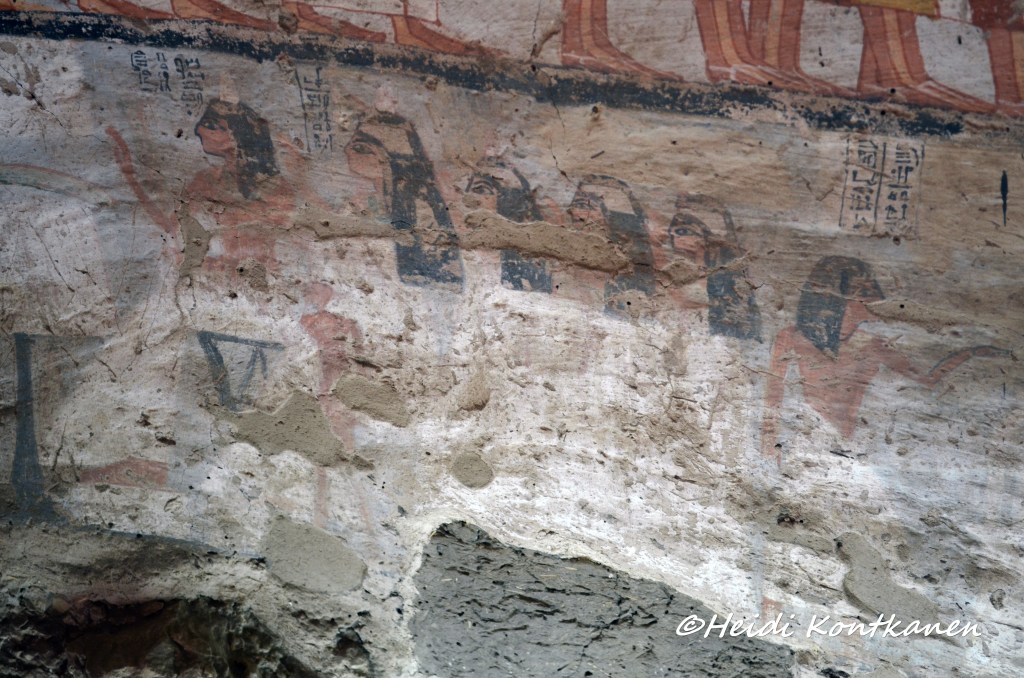
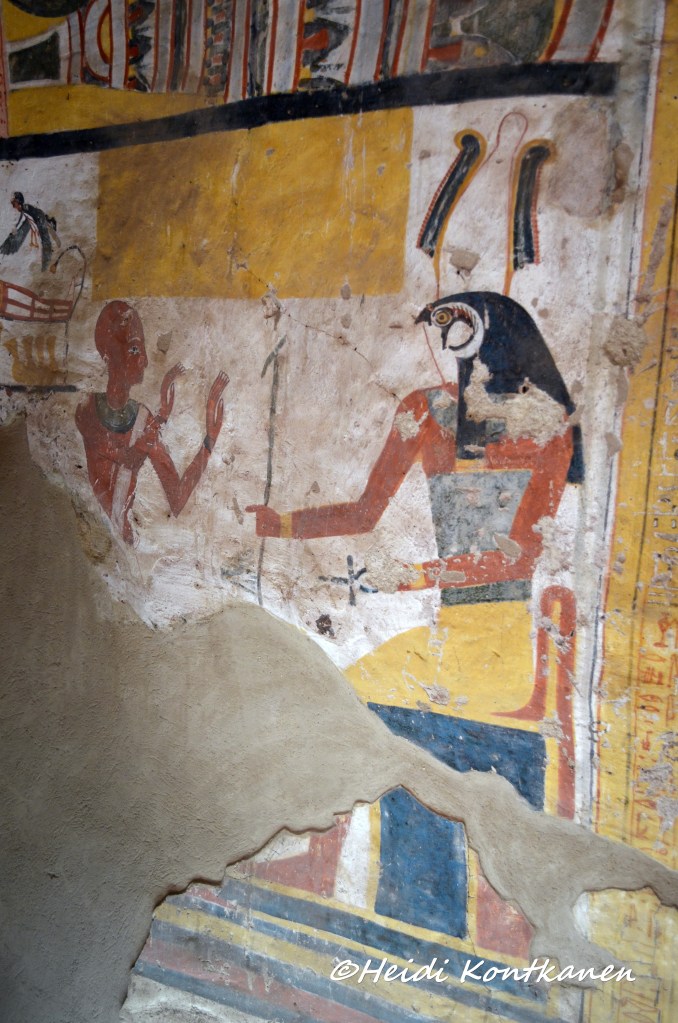
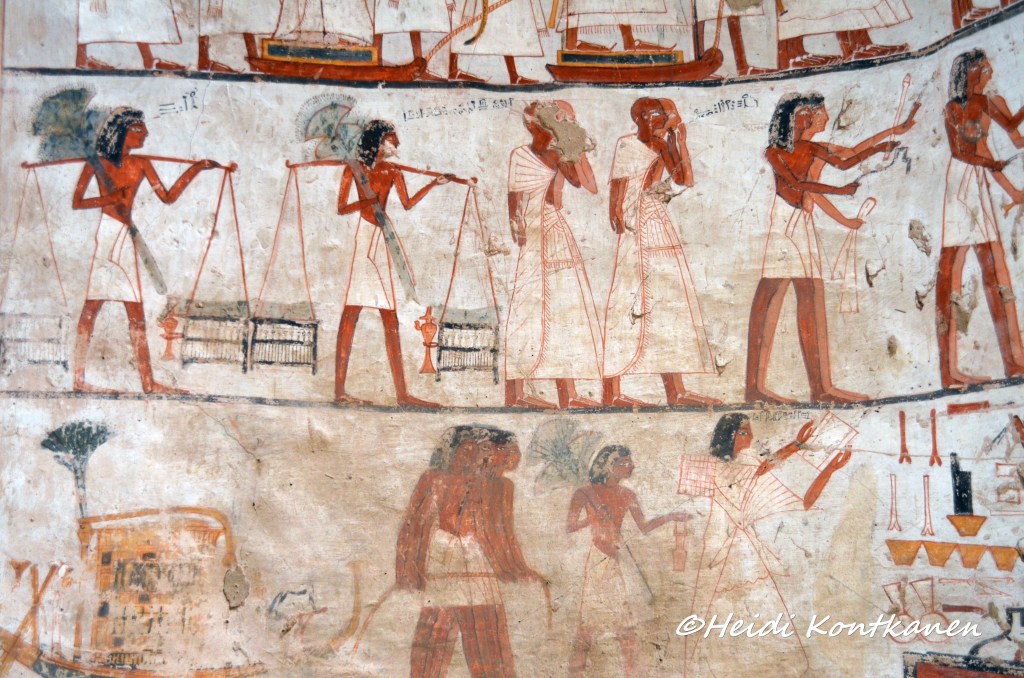
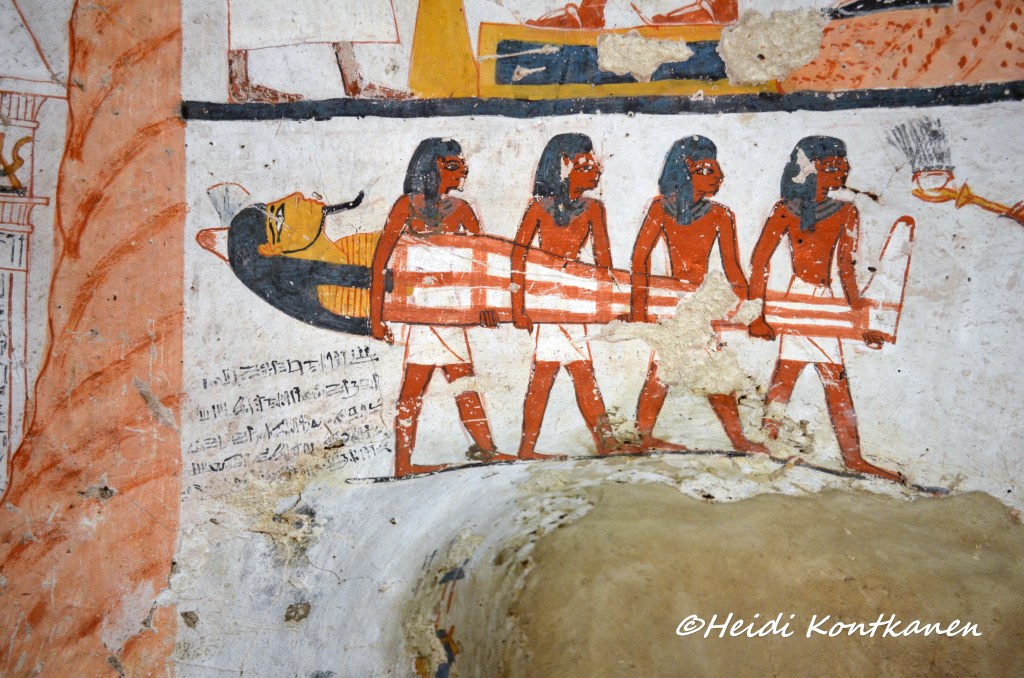
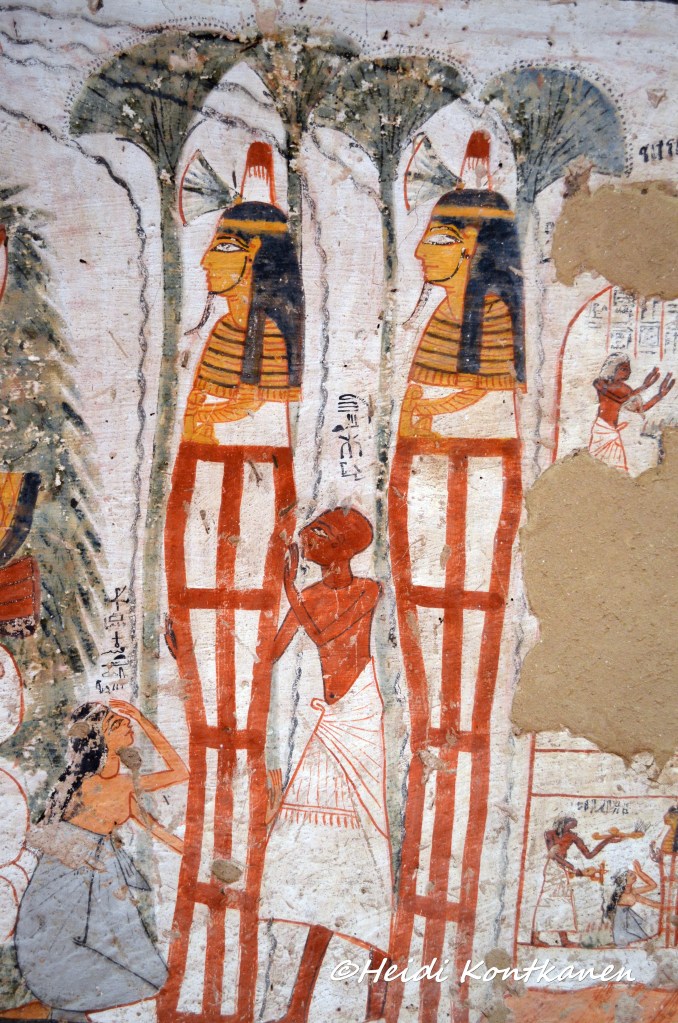
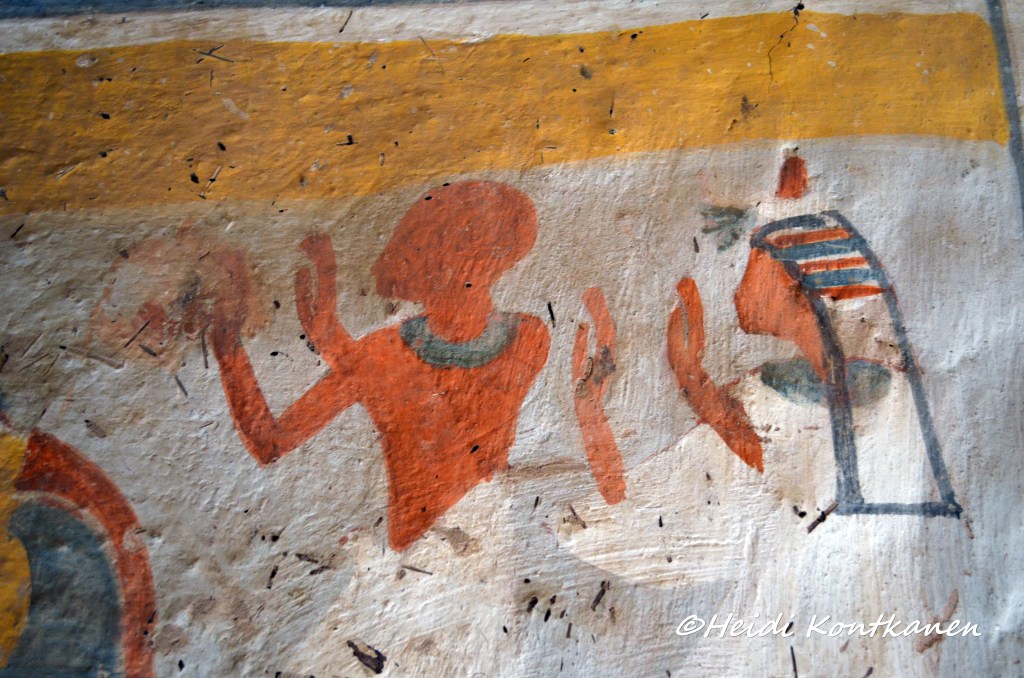
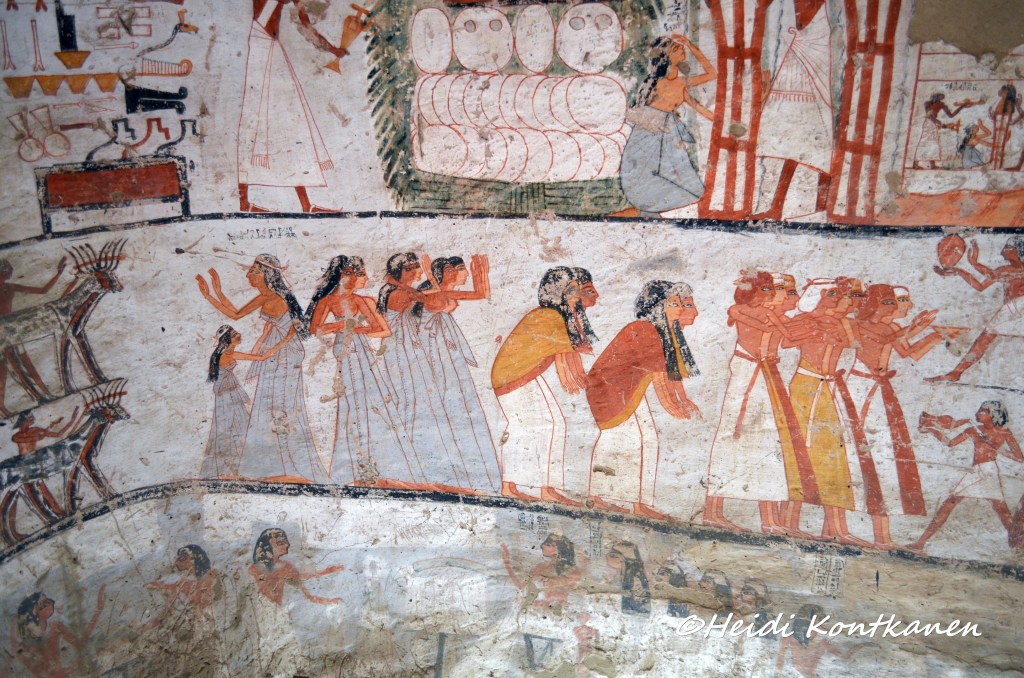
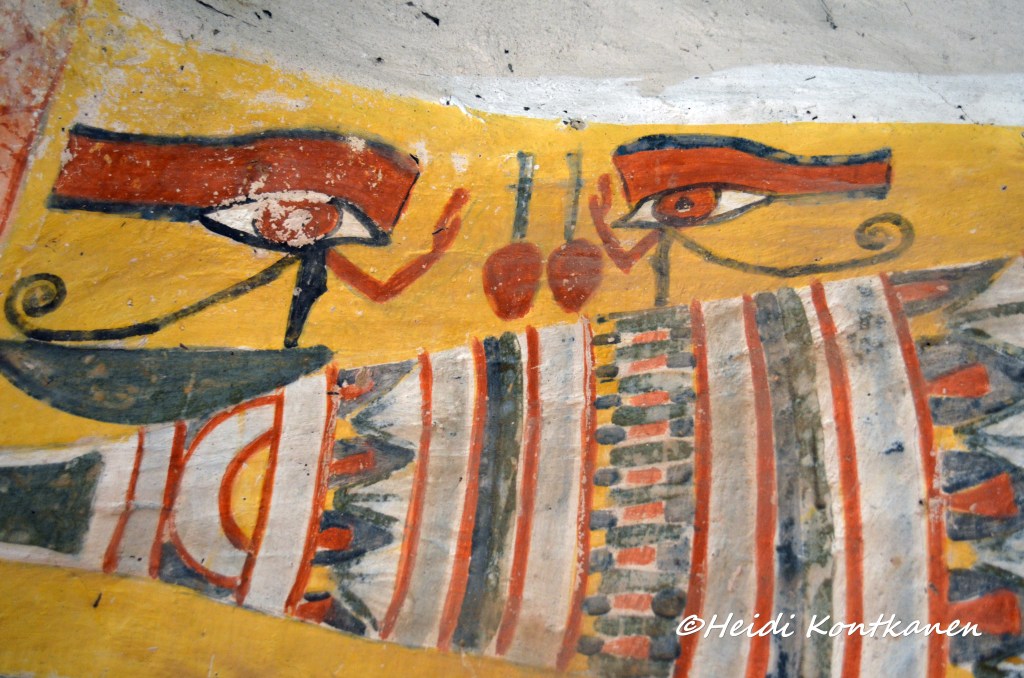
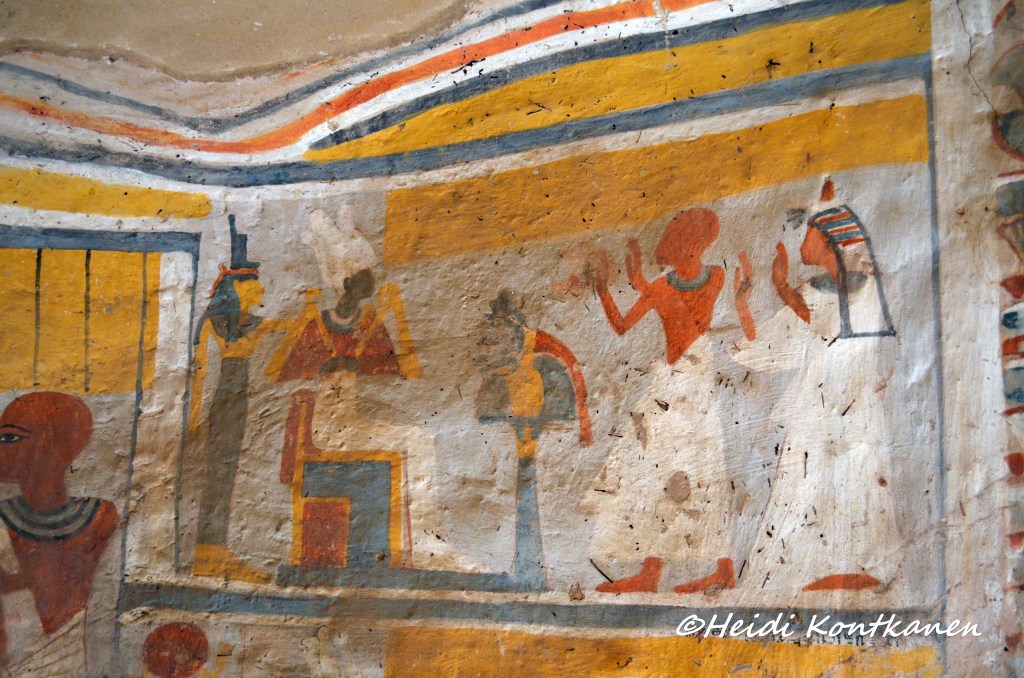
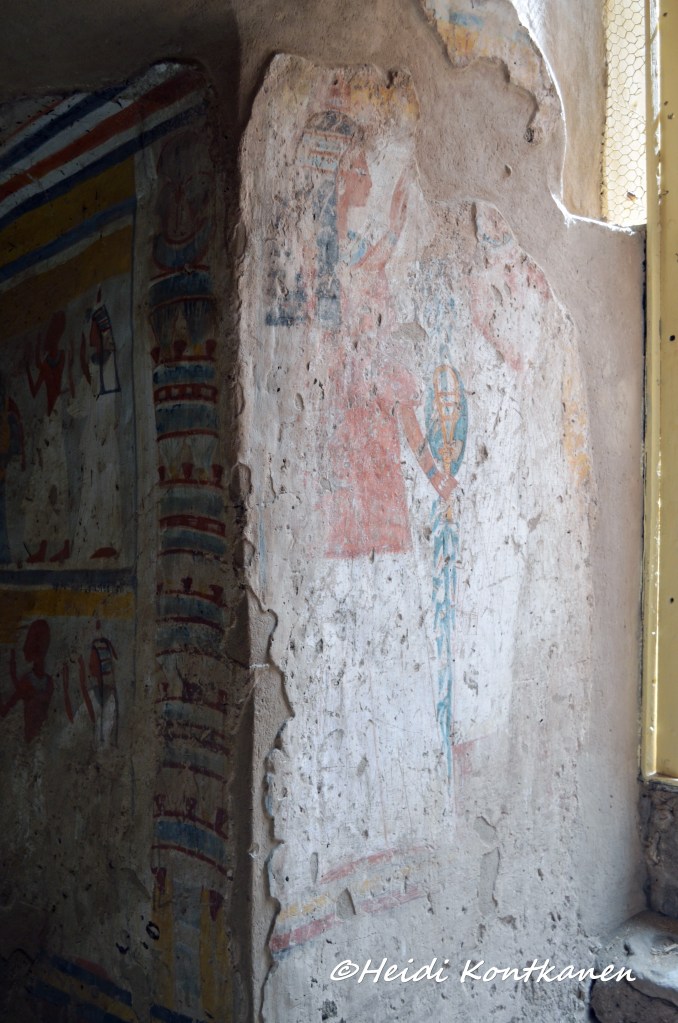
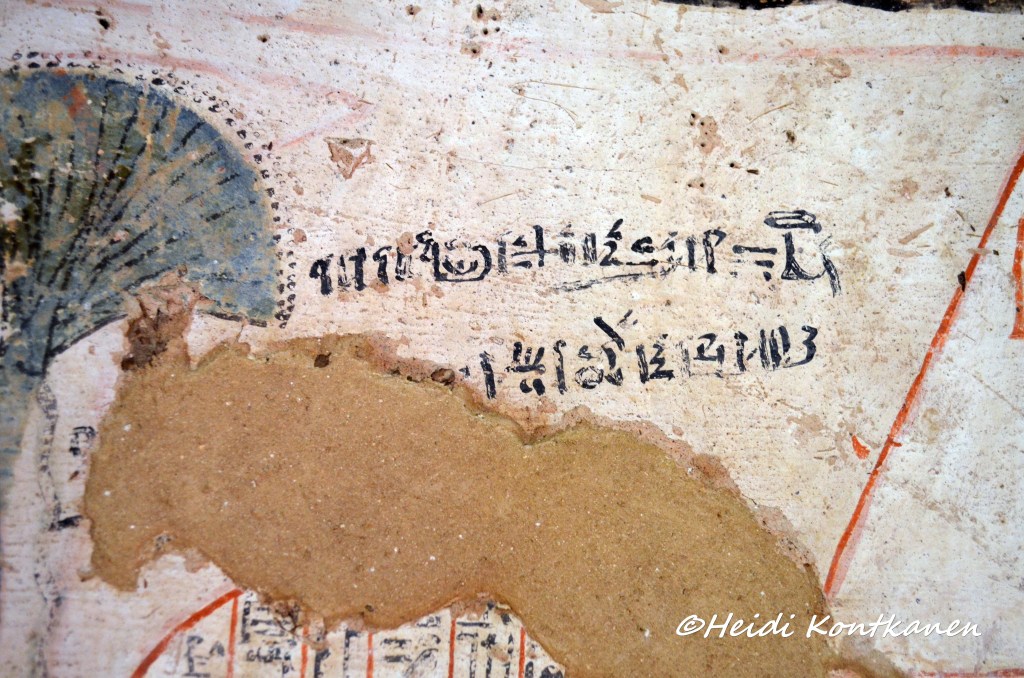
TT277 belongs to Ameneminet
who was a priest in the service of the god Ptah-Sokar
in the Temple of Millions of Years
of king Amenhotep III.
His wife was the “chantress of Amon”
Nefertari.
In the tomb Ameneminet
after the decorated entrance doorway, there is a small room with bright paintings, in which the illustrations seem to spring out from a bluish-white background. The texts are written in colourful hieroglyphs on a yellow background.
Its decoration as seen today features several features of the craftsmanship of the Ramesside period.
For example, proportionality in art that was characteristic of work of the 18th dynasty was no longer respected by the end of the 19th dynasty, a trend that became more pronounced in the 20th dynasty.
It is likely therefore that the Ameneminet burial dates from this time.
Alexandria National Museum
Alexandria National Museum
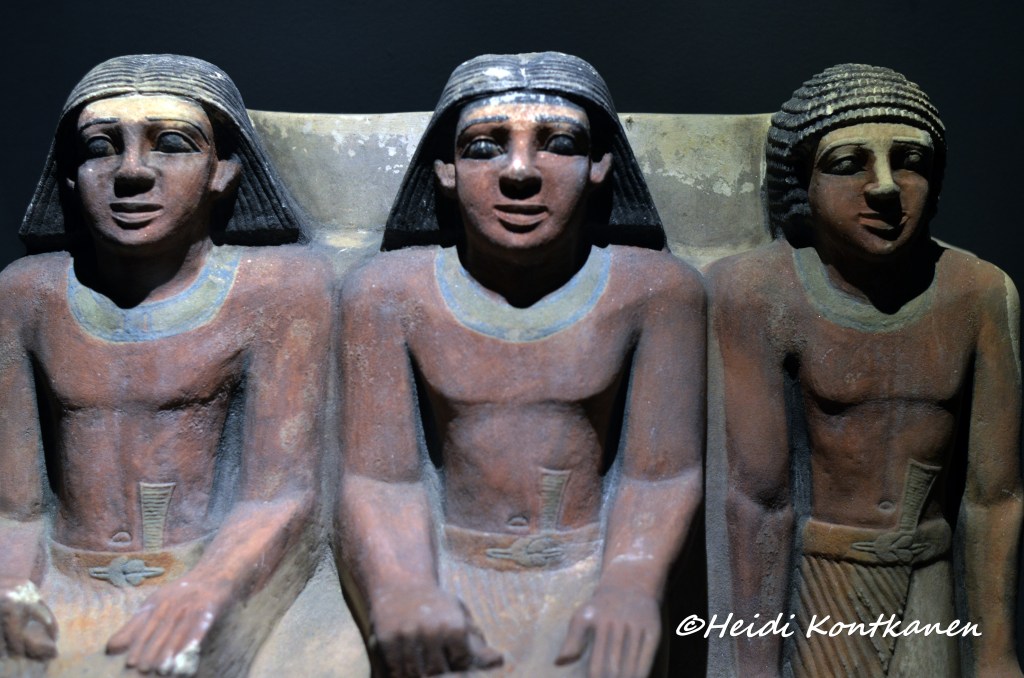
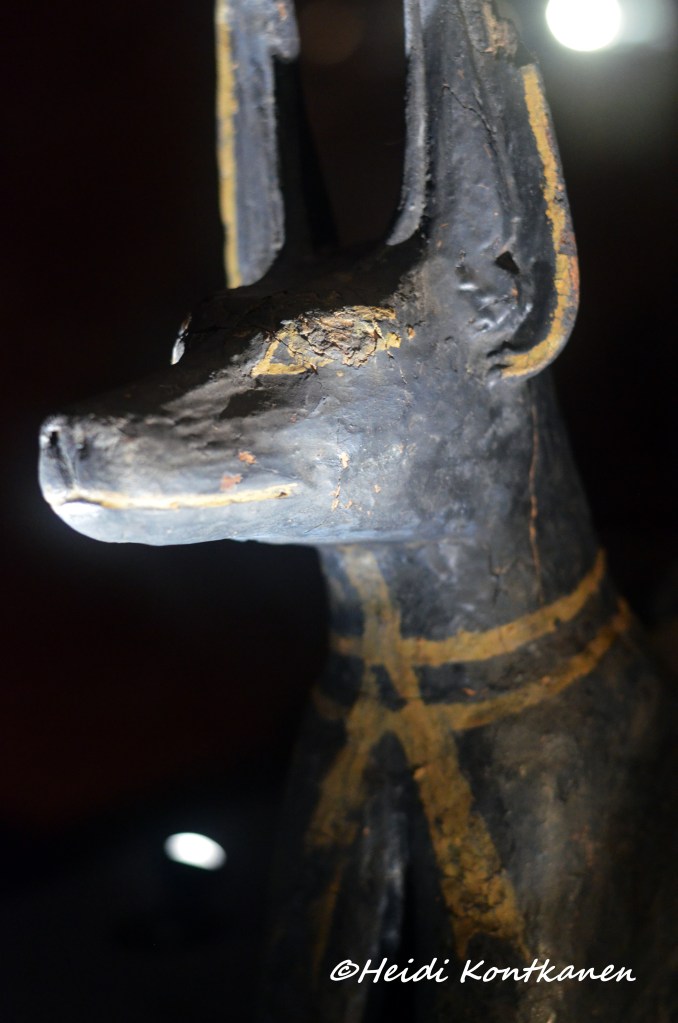
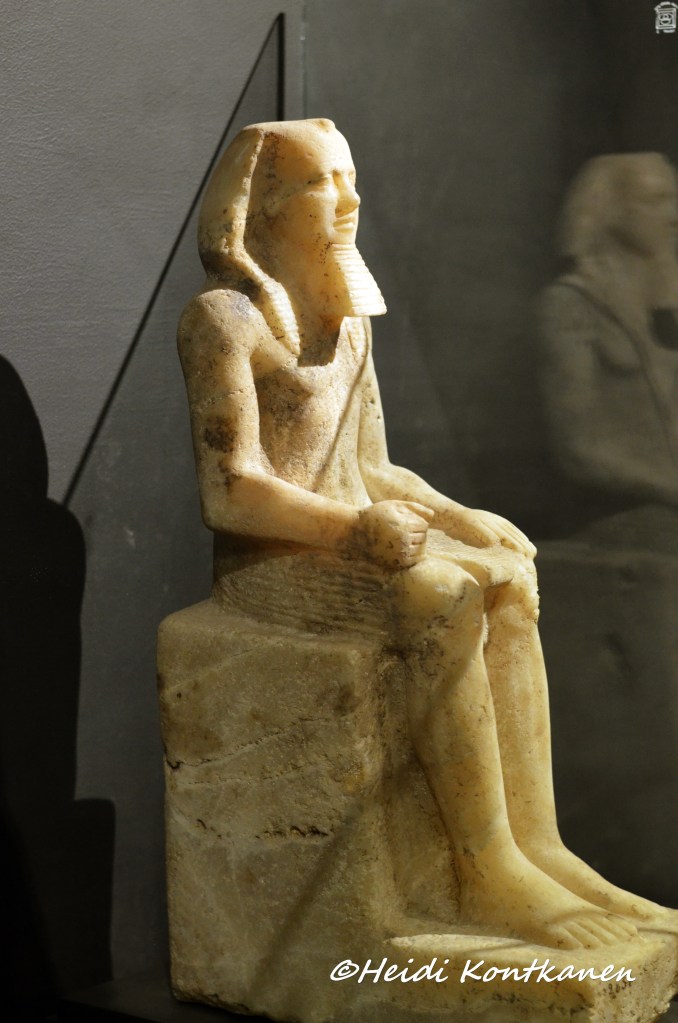

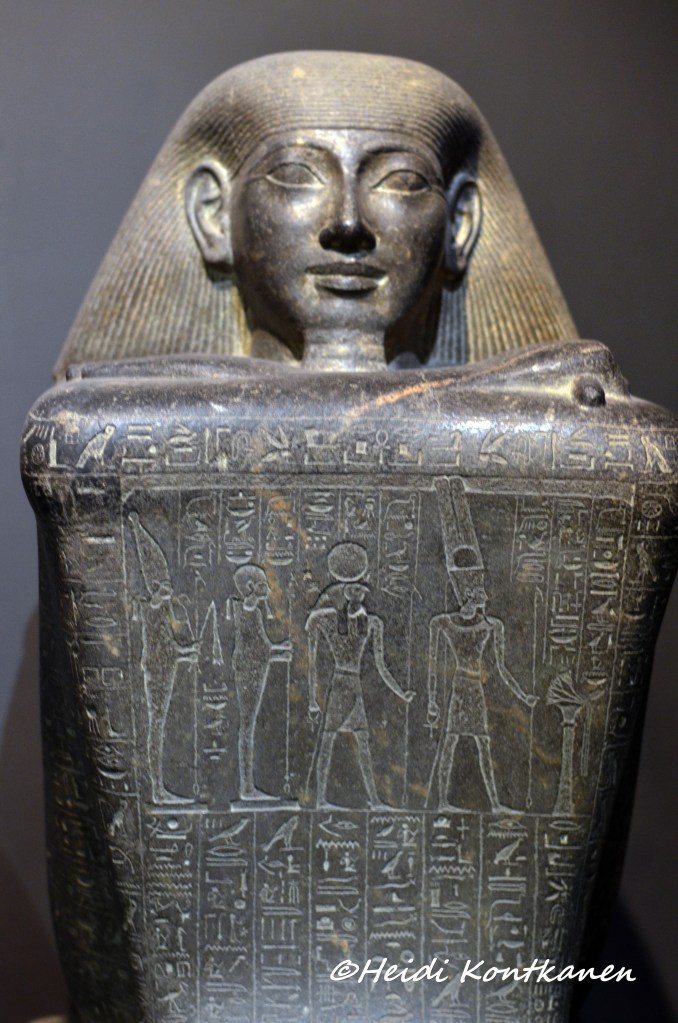
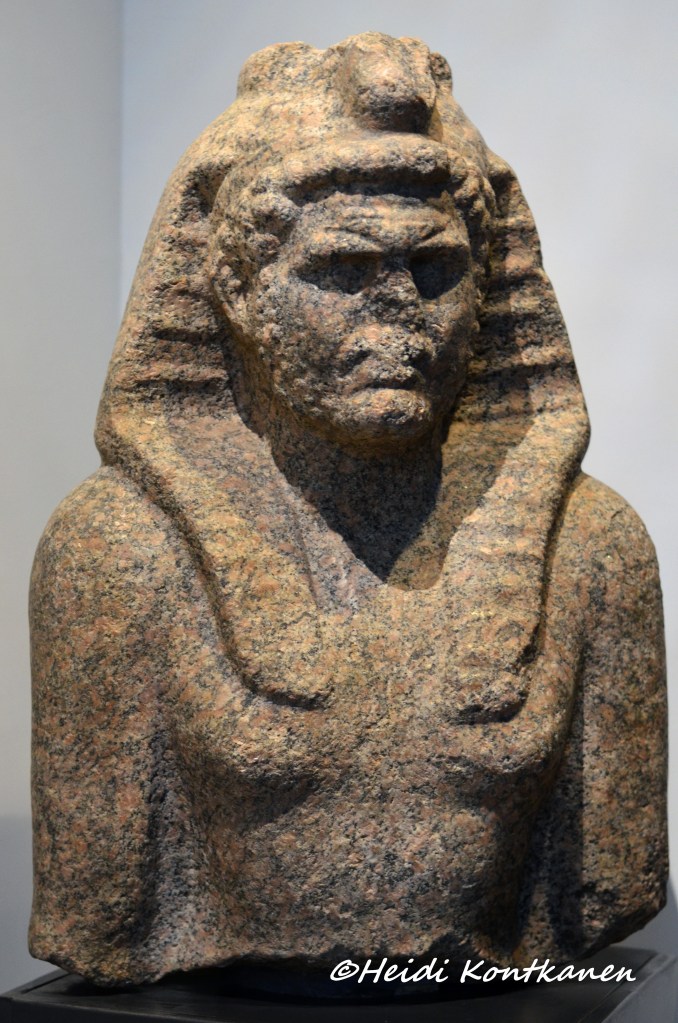
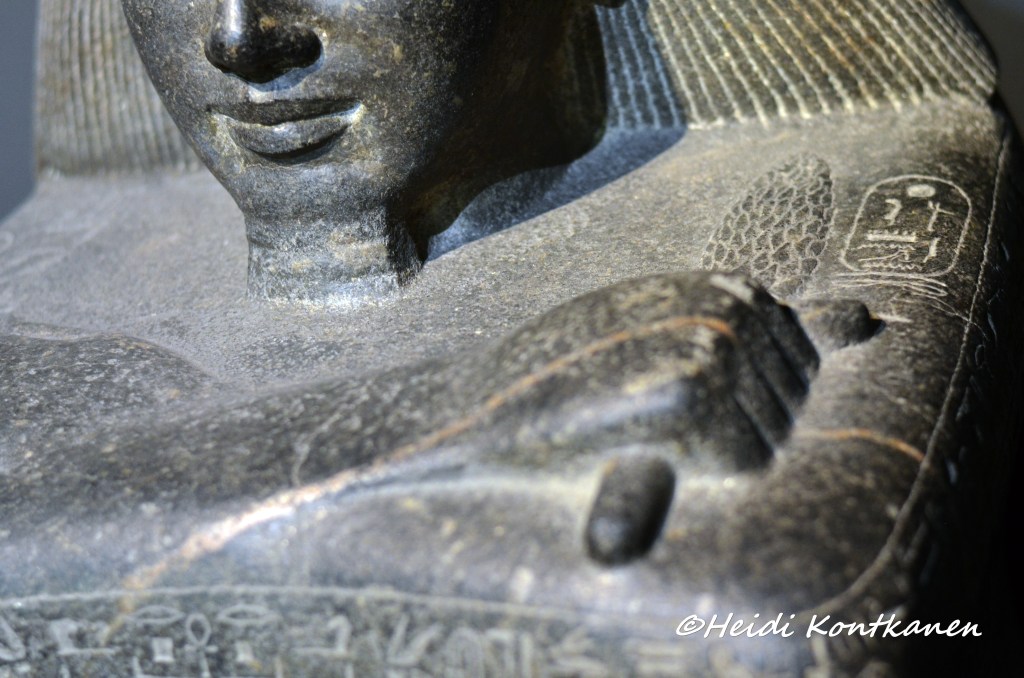
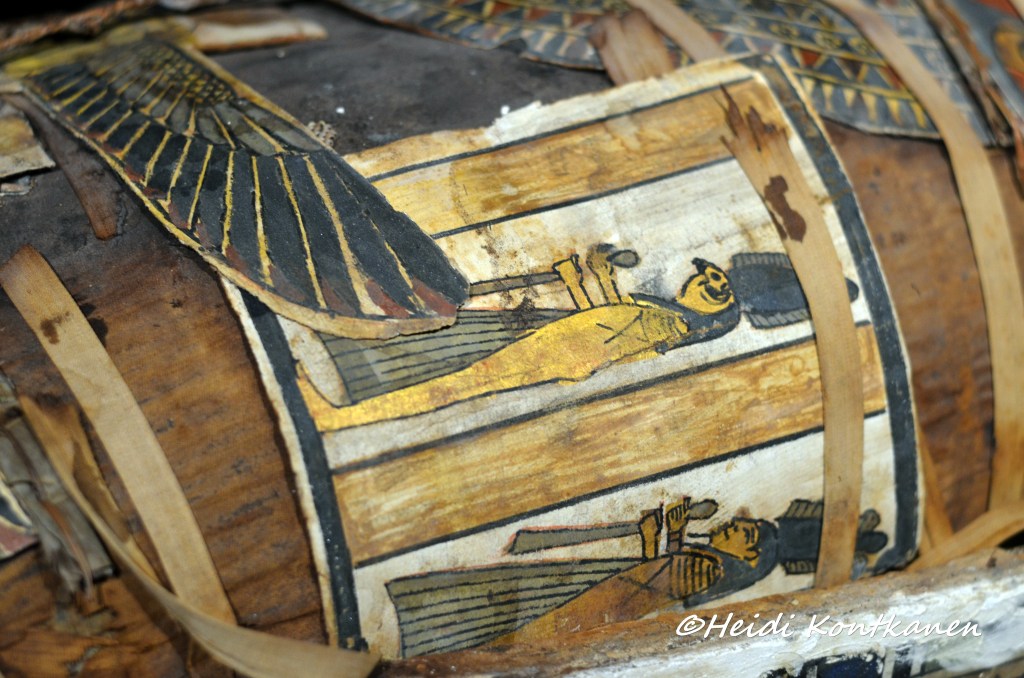
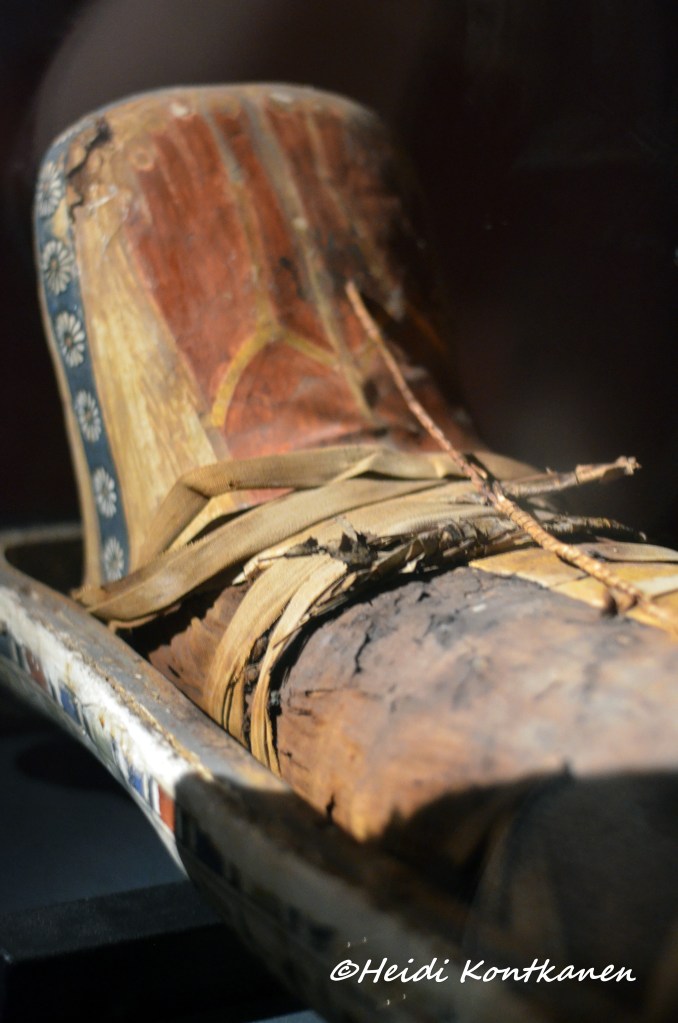

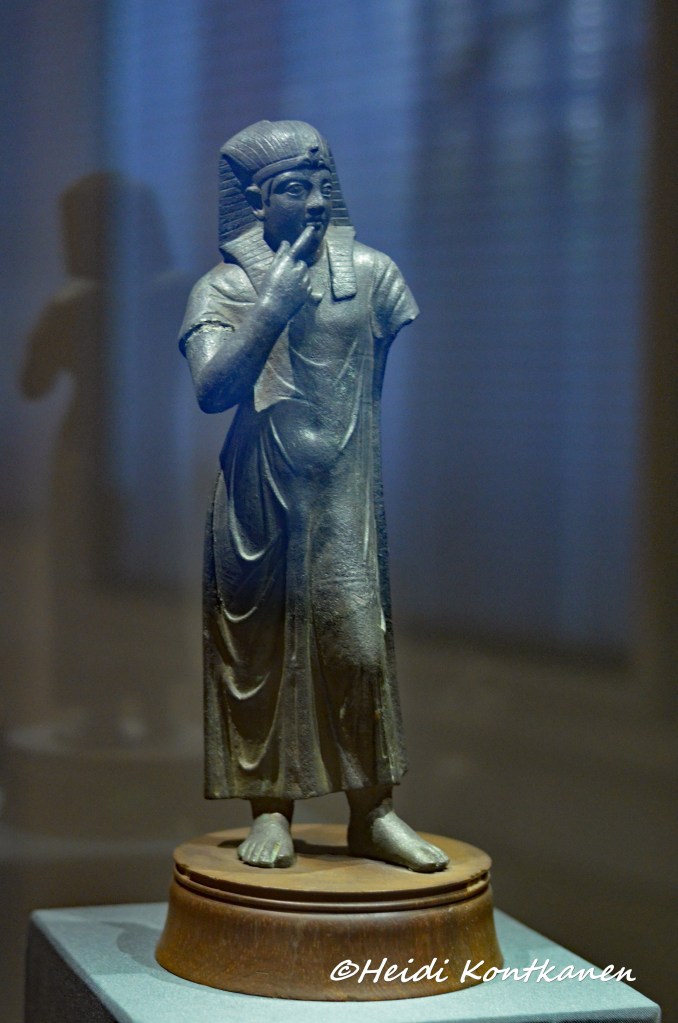
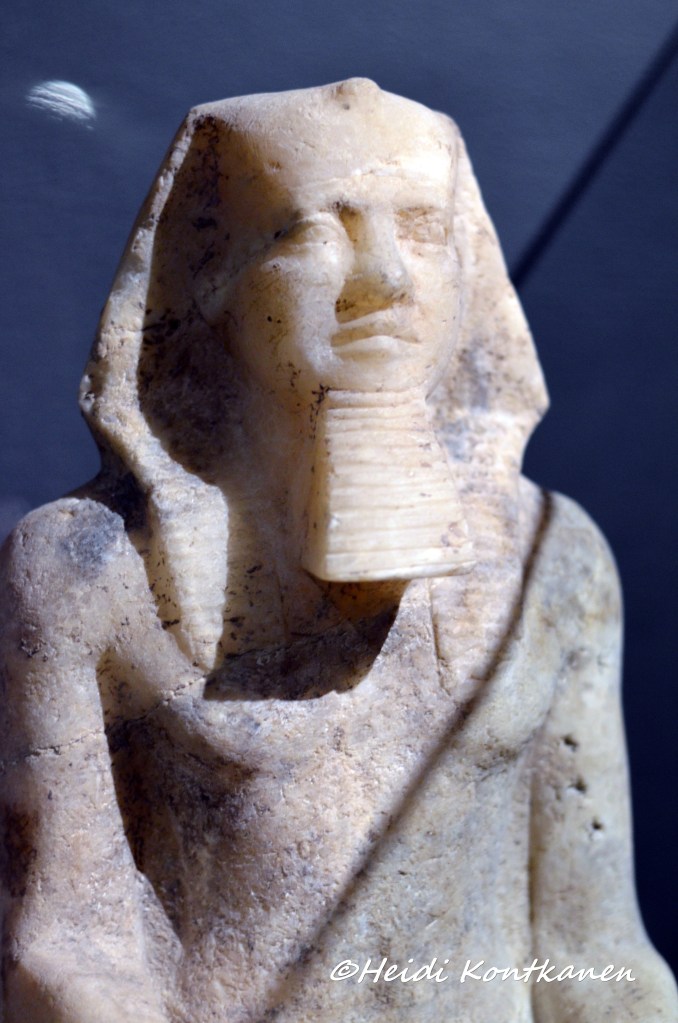
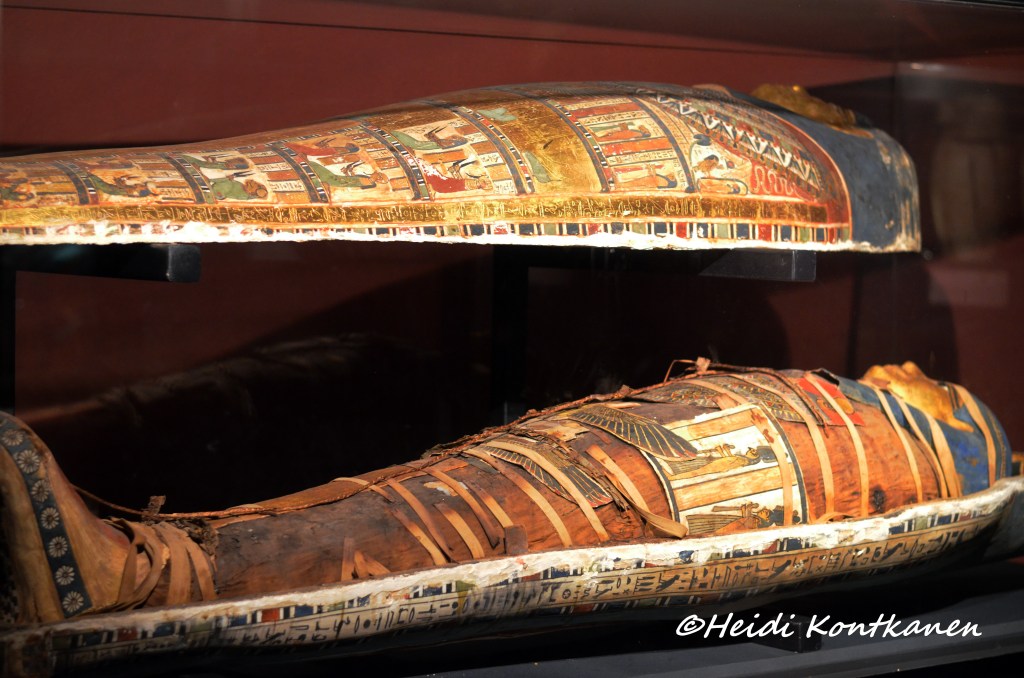
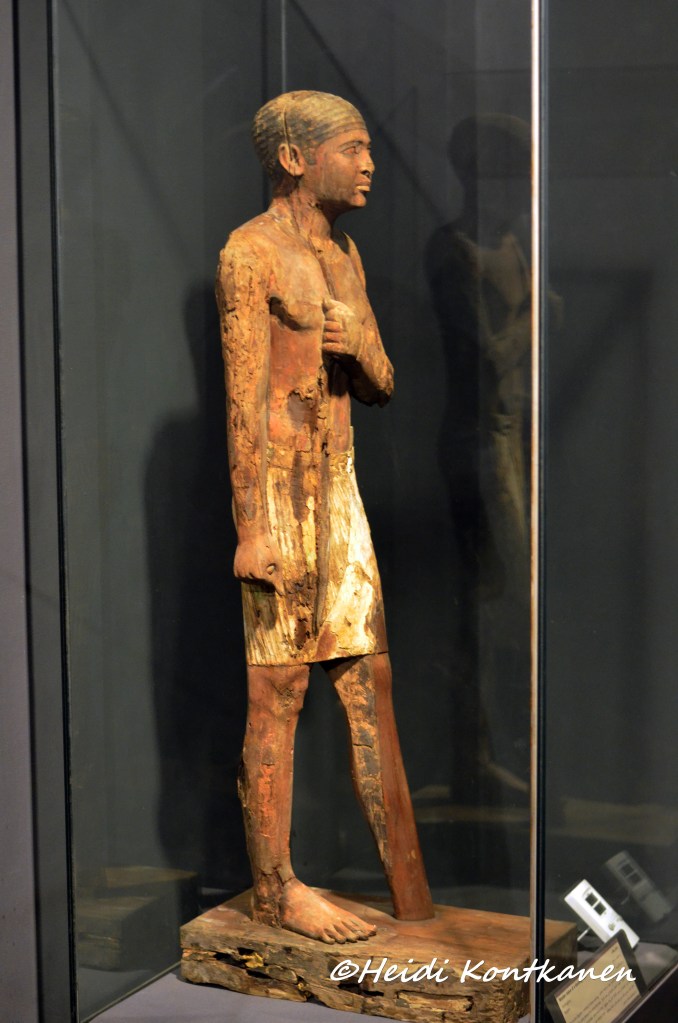
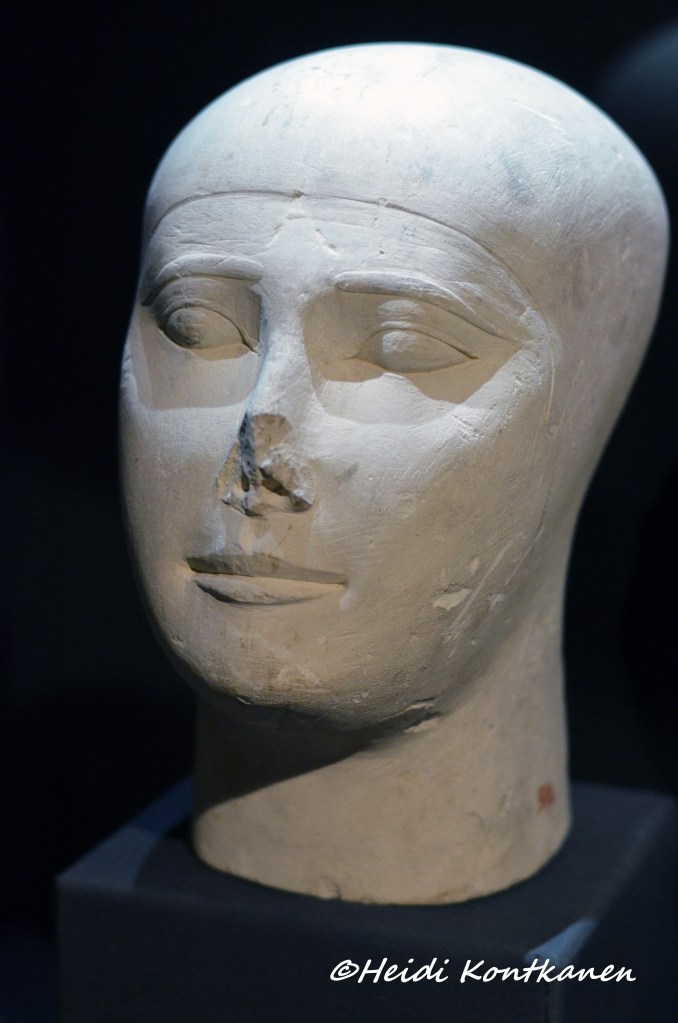
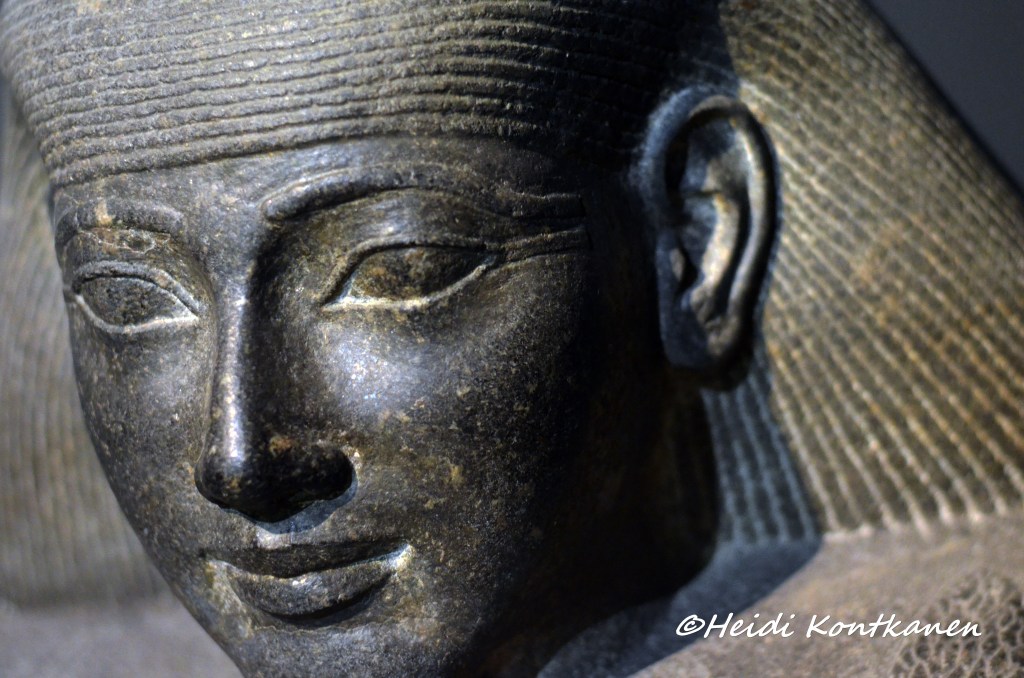
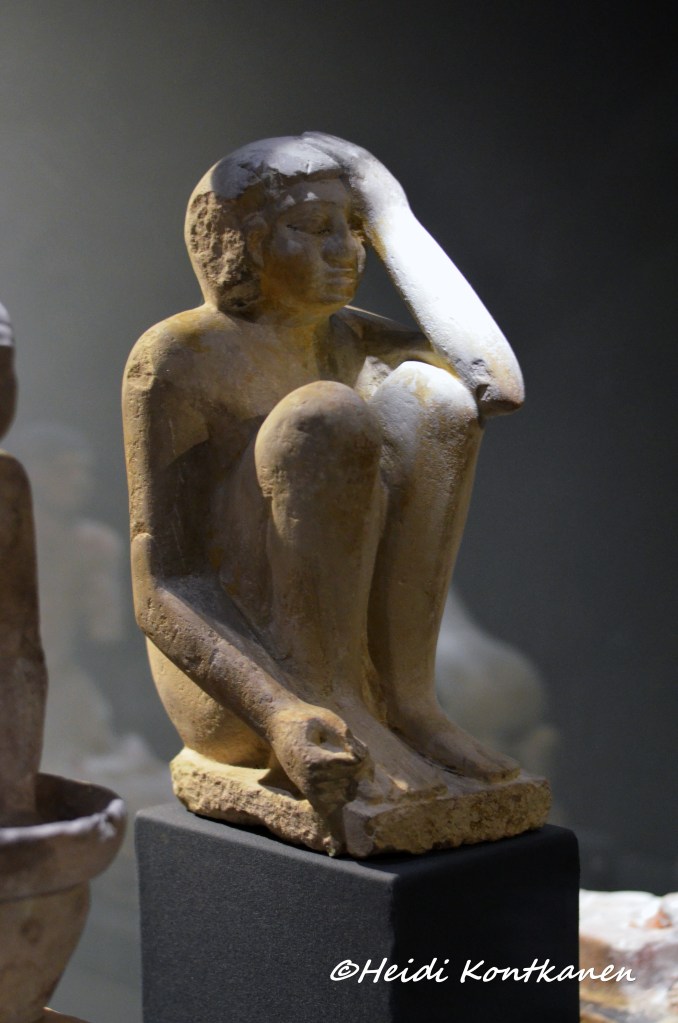
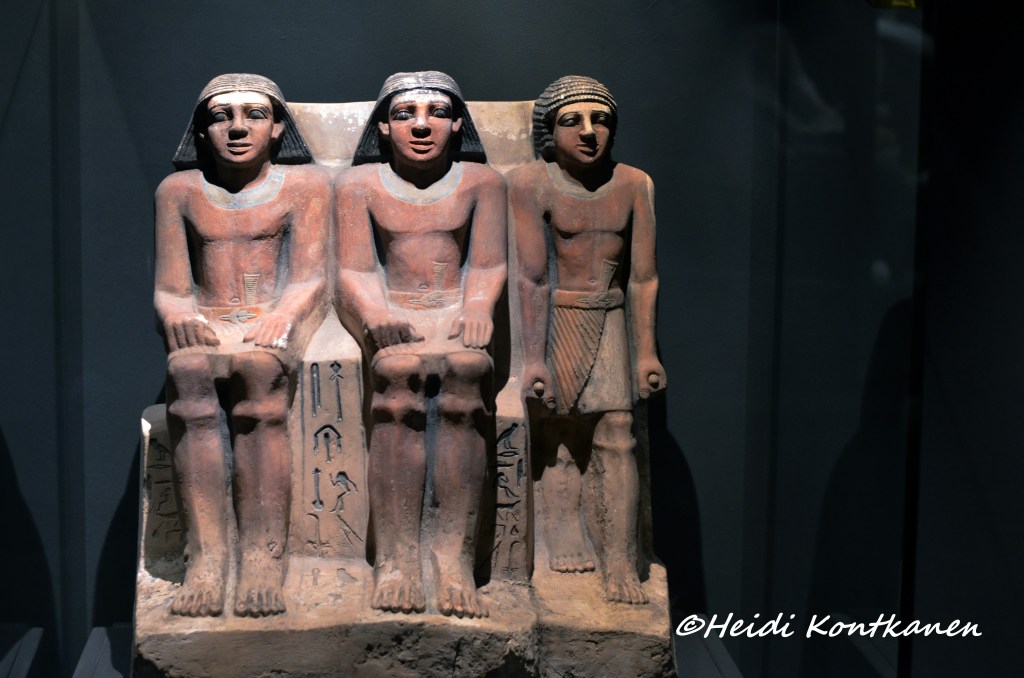
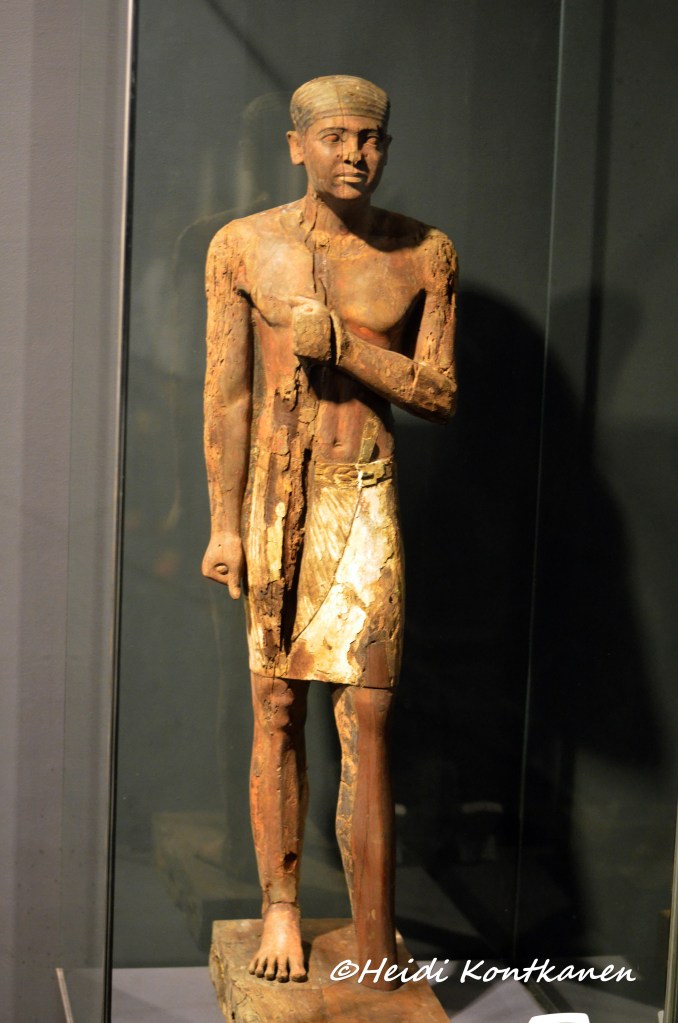
Alexandria National Museum
(ANM) is located in a renovated Italian style palace in Tariq Al-Horreya Street
It contains around 1,800 artifacts that narrate the story of Alexandria and Egypt.
The museum mainly focuses on three collections: Ancient Egyptian
Coptic
and the Muslim world
The museum also includes works from the Hellenistic period, including pieces from Heraklion and Canopus.
Information of the objects in the photos are from the info cards at the Museum.
Sorry to say, they did not have accession numbers
often no provenance and the time period was often mostly missing.
The tomb of Neferrenpet TT178


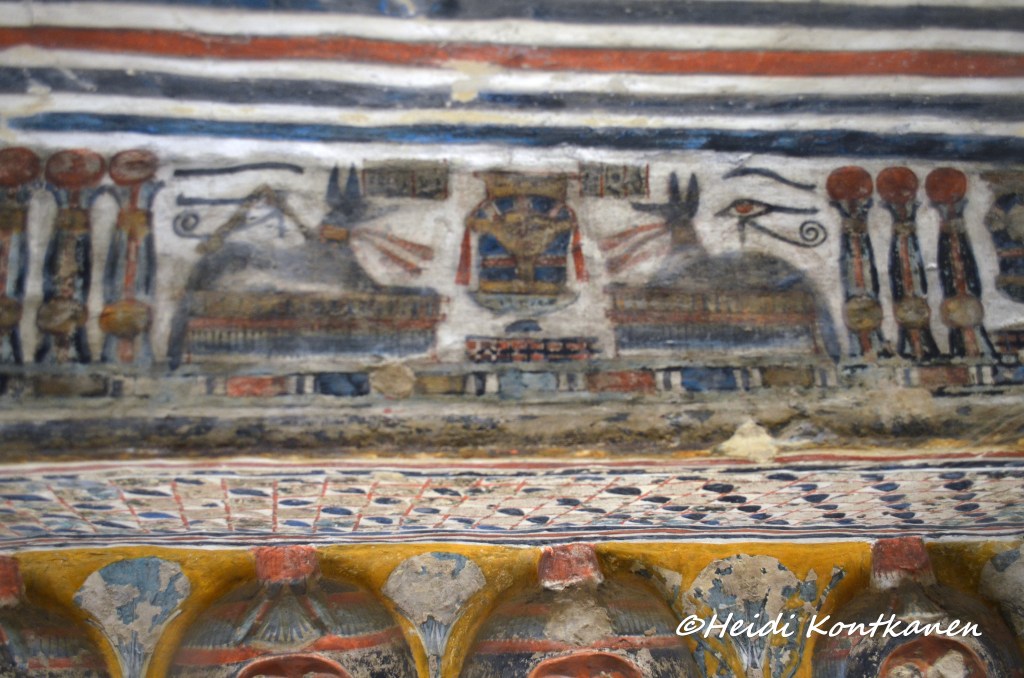
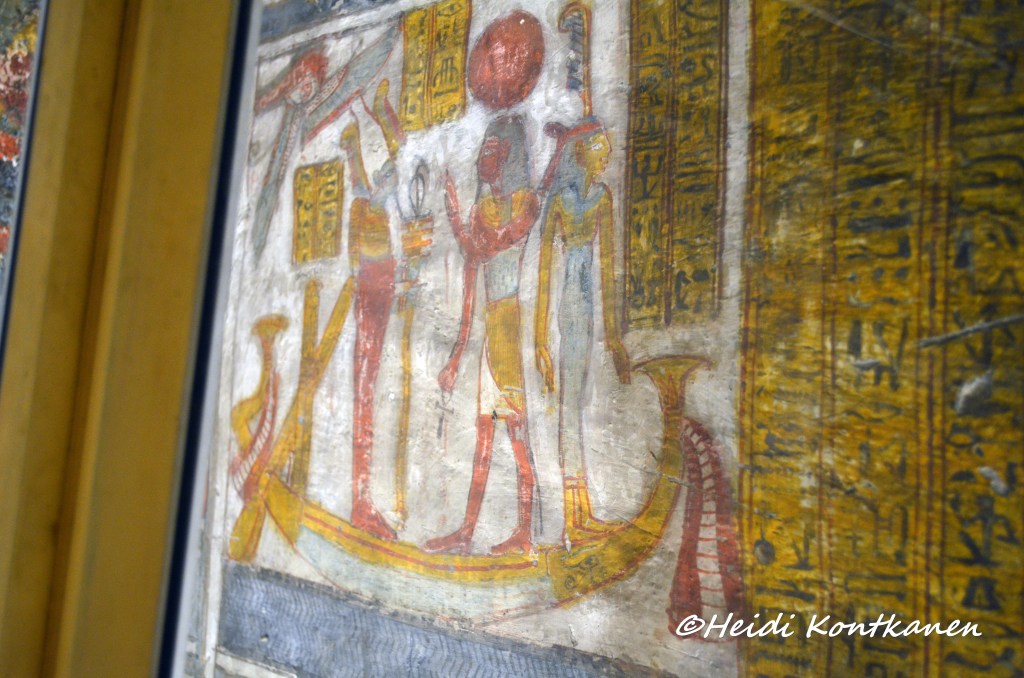

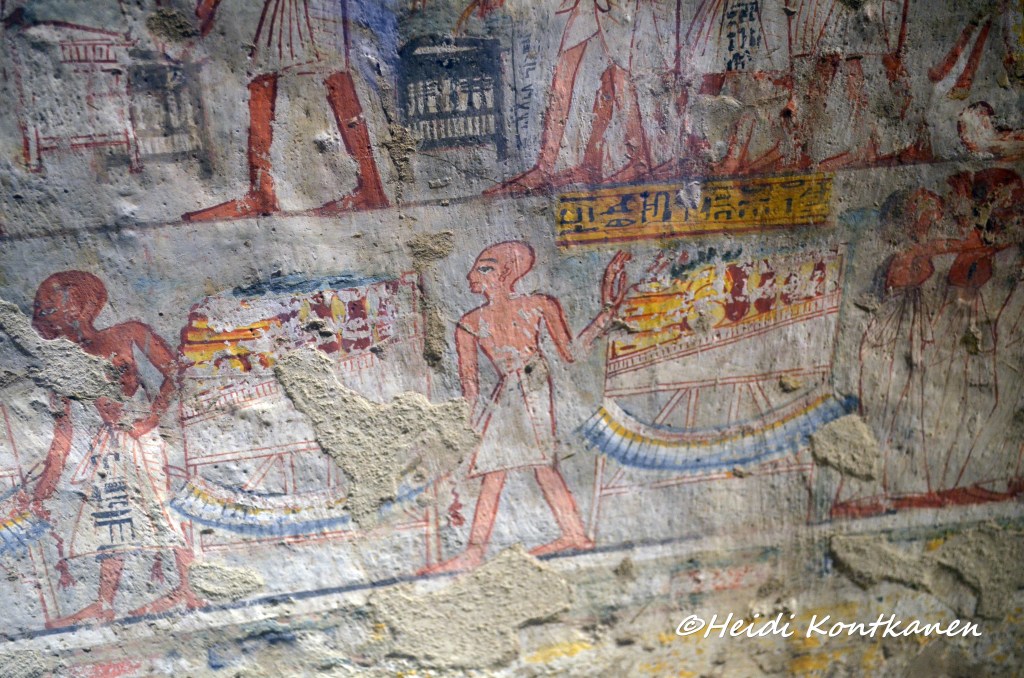
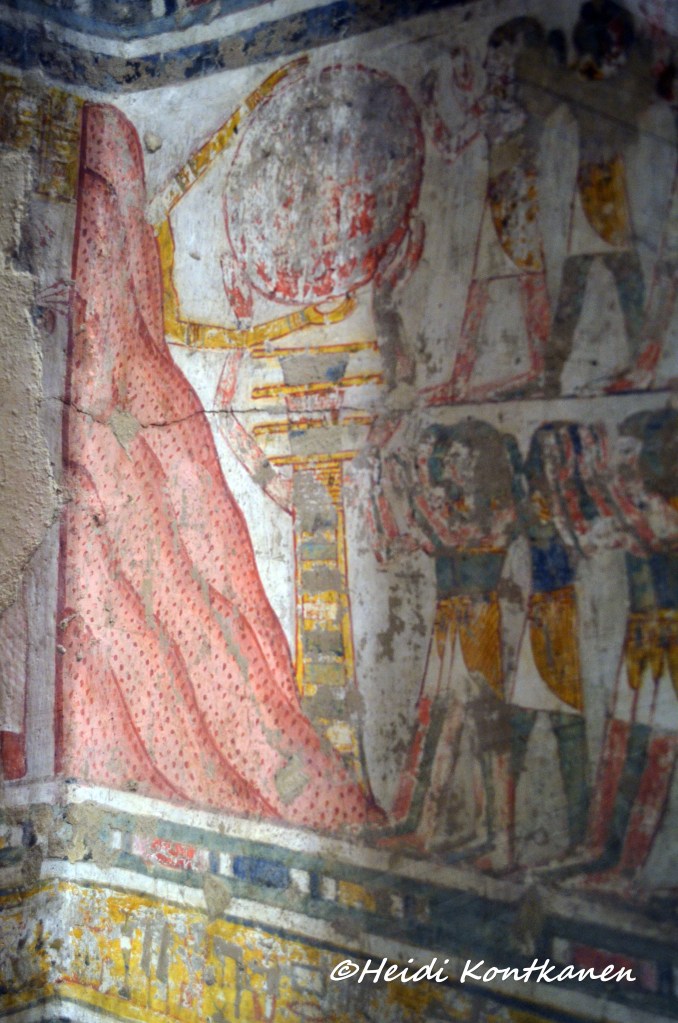

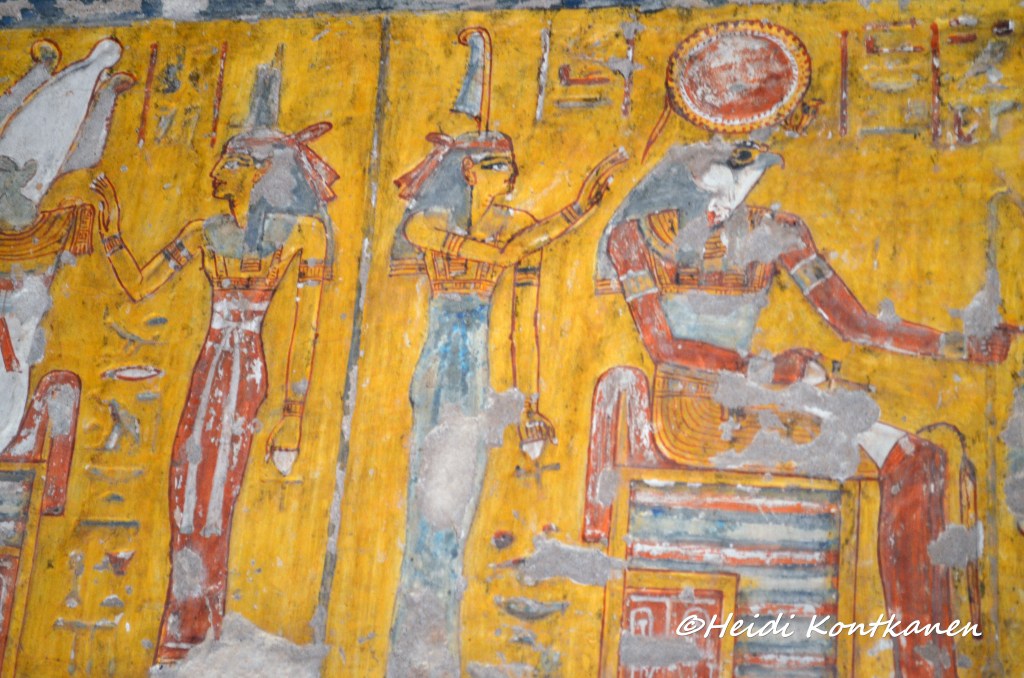
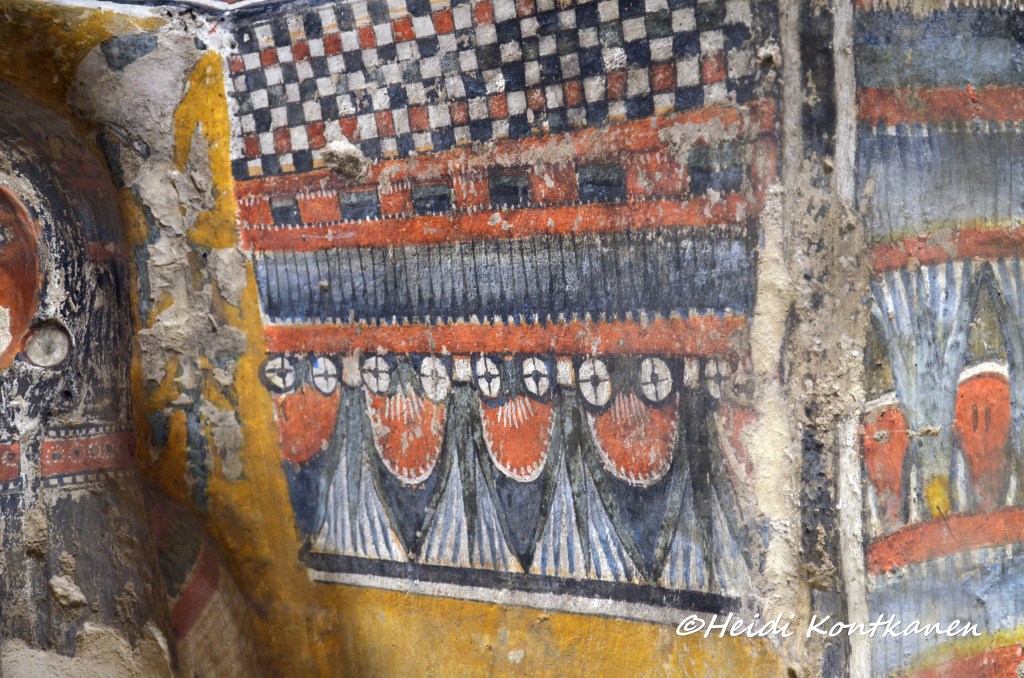
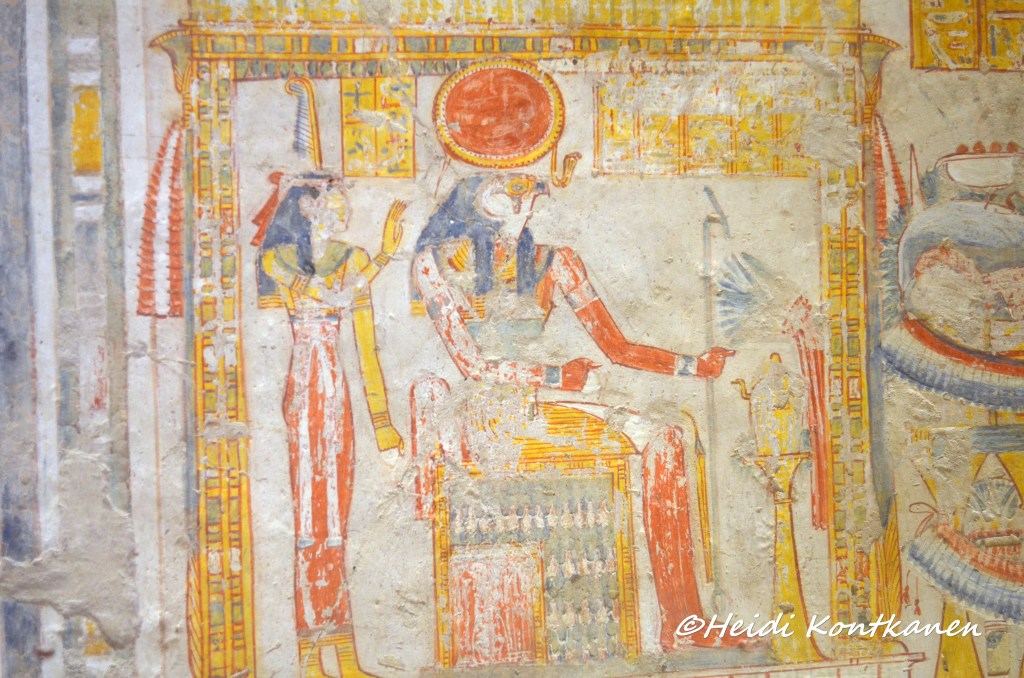
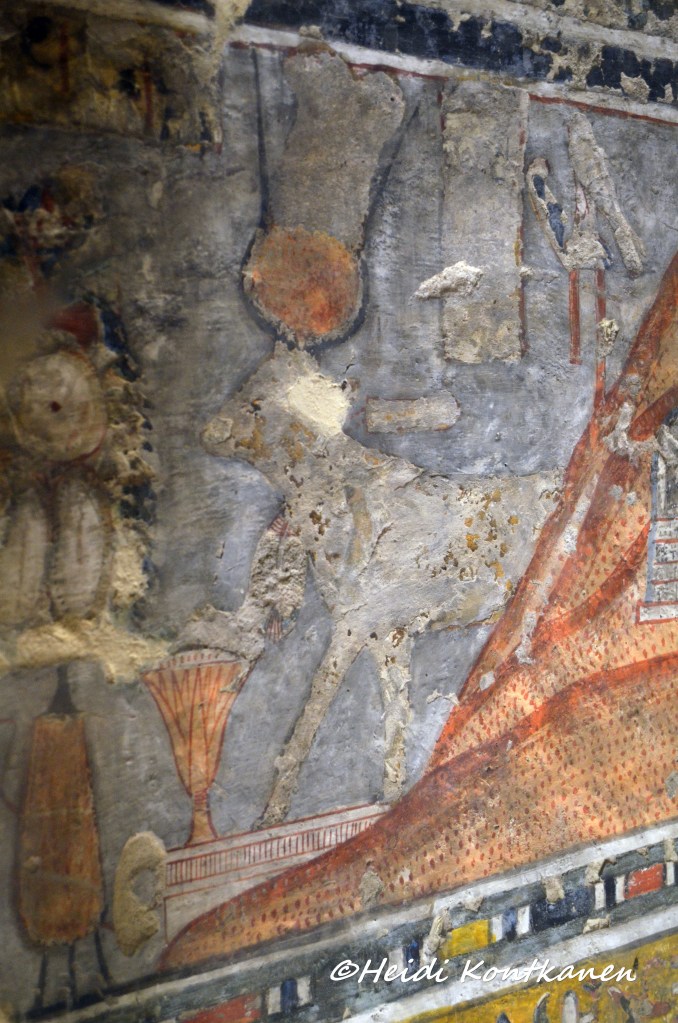
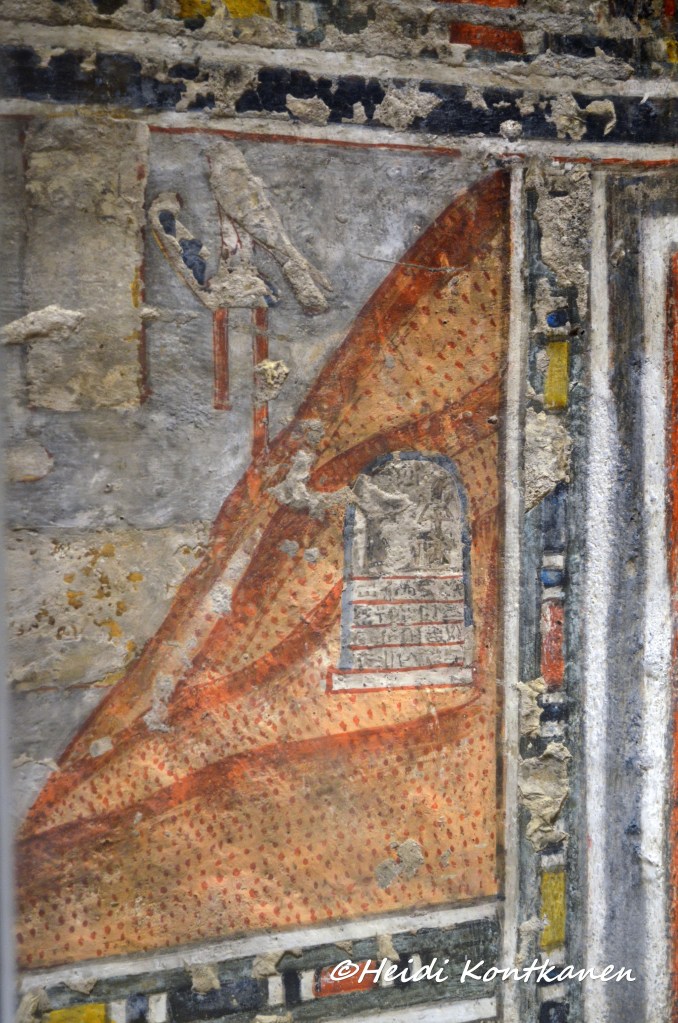

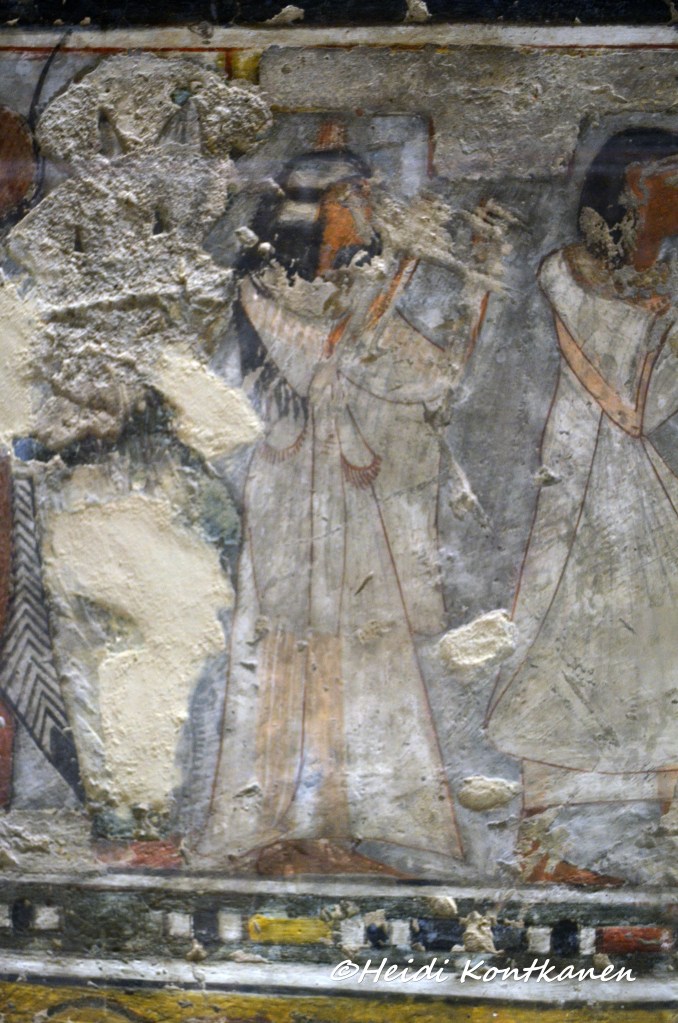


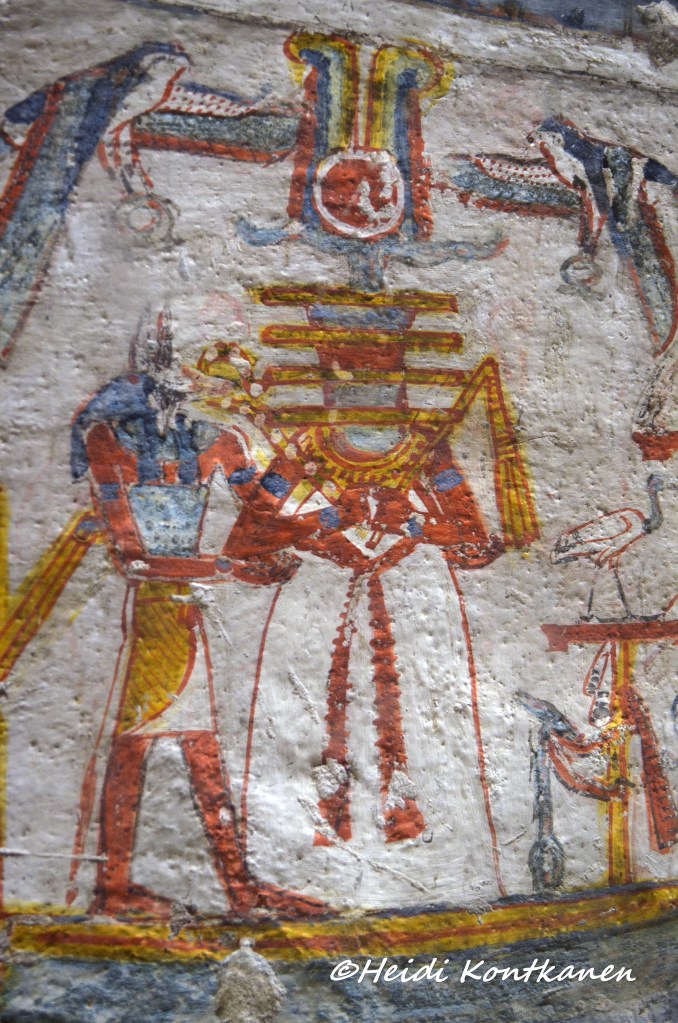
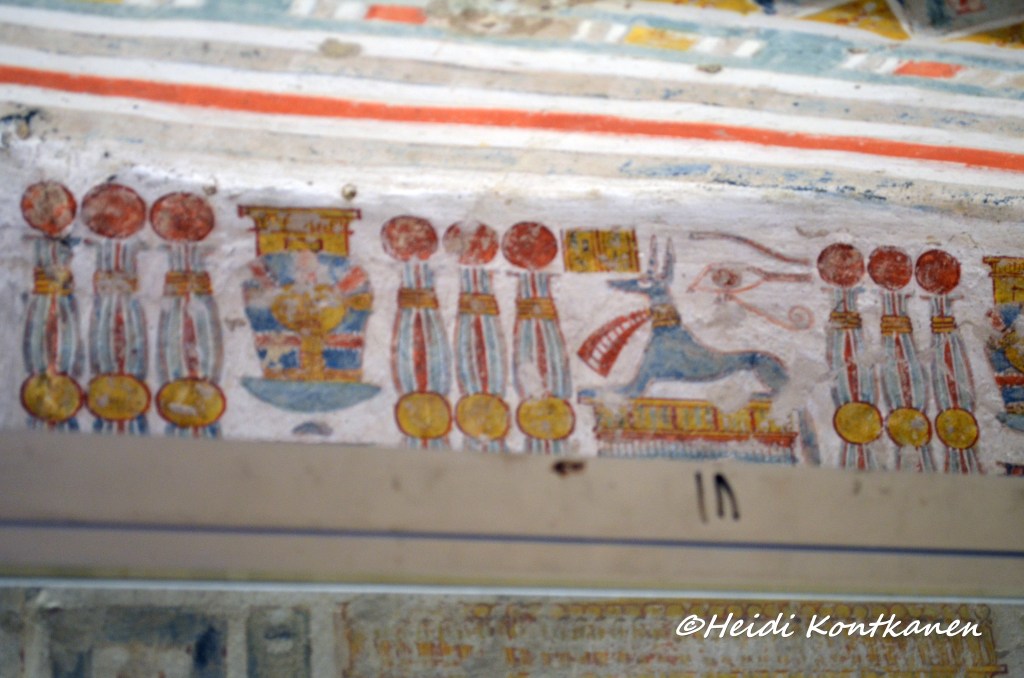
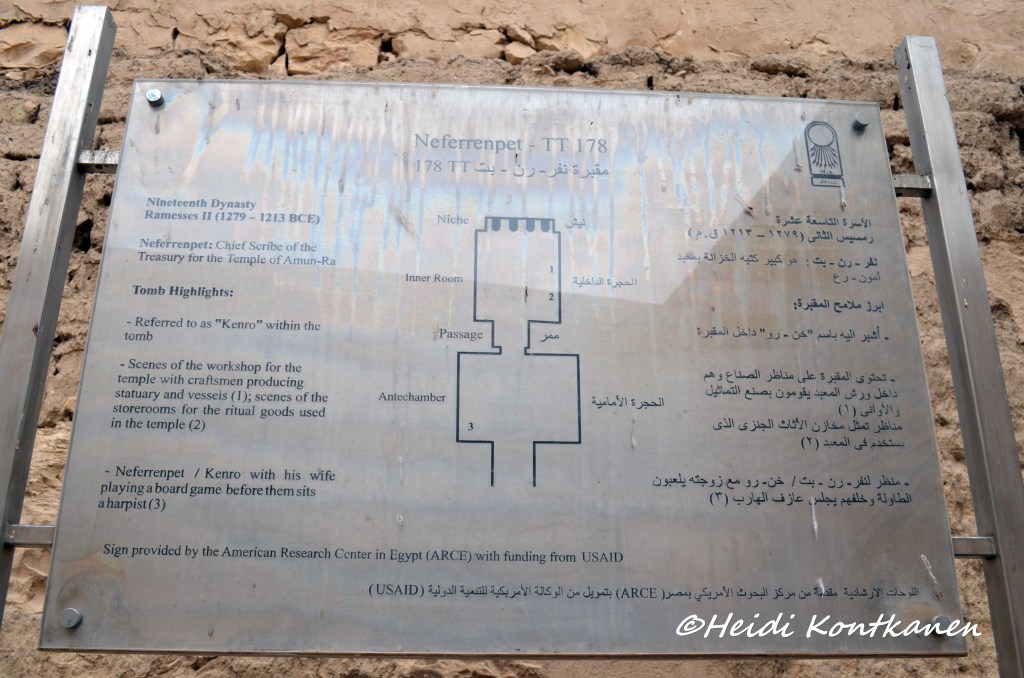

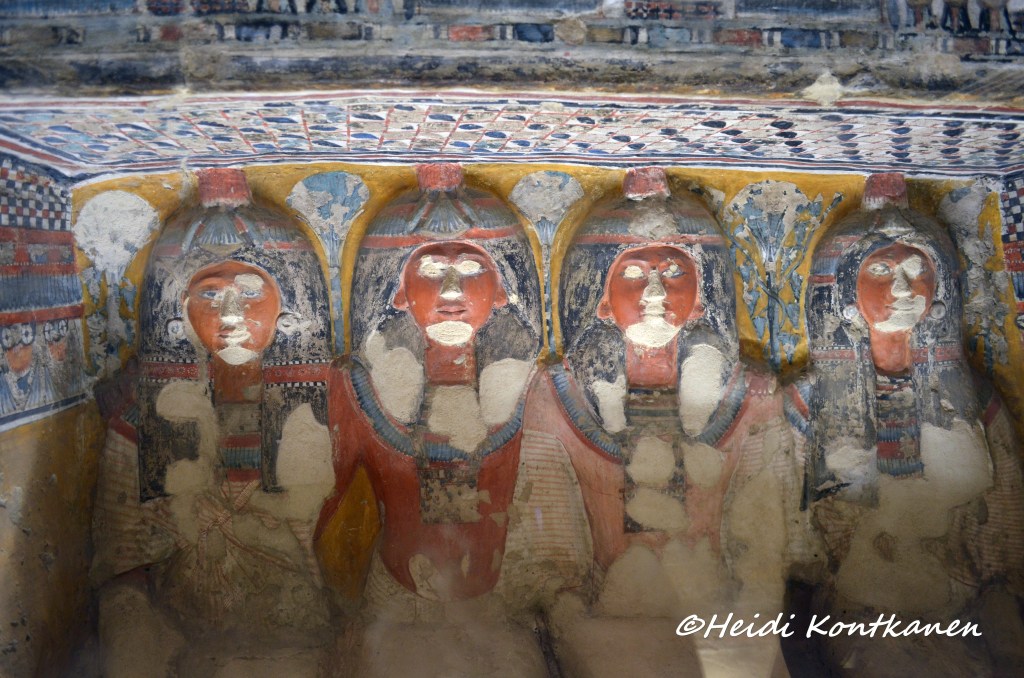
The tomb of Neferrenpet
TT178
is located in Luxor
el-Khokha.
Neferrenpet
was Chief scribe of the treasury for the Temple of Amun.
His wife was
Mutemwia
and she was a Amun’s divine wife
The tomb has two rooms
and a burial shaft
It is from the 19th dynasty
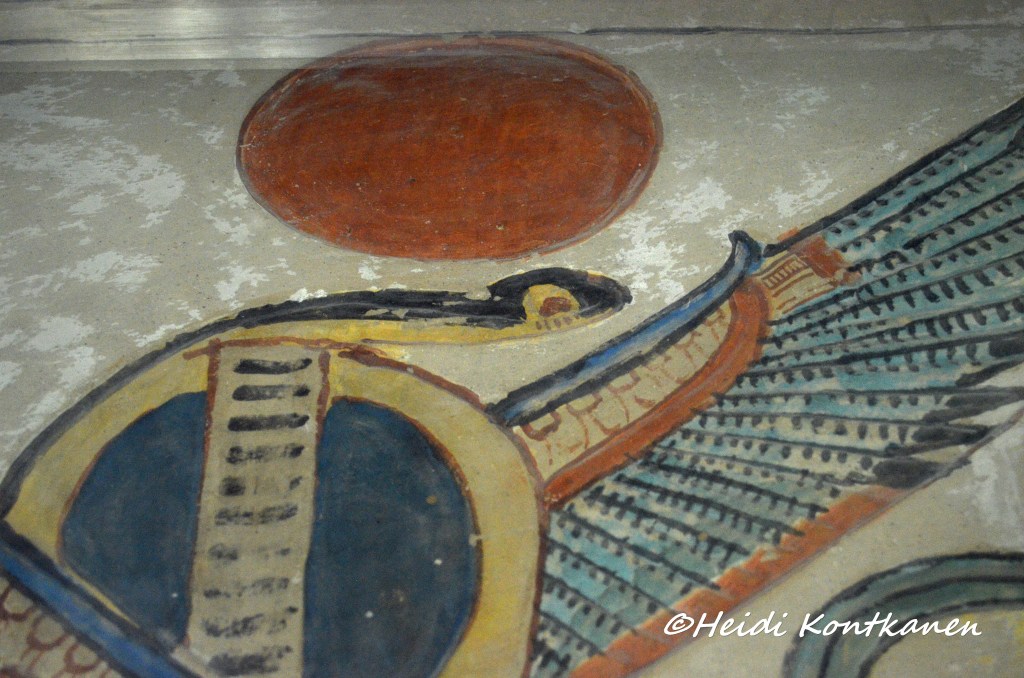
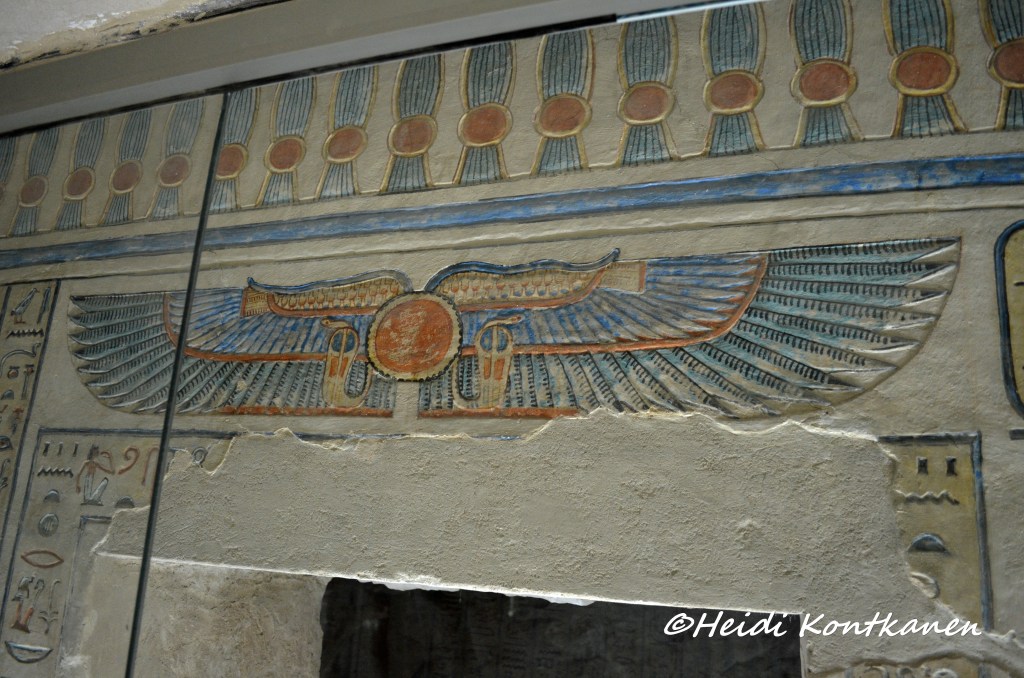
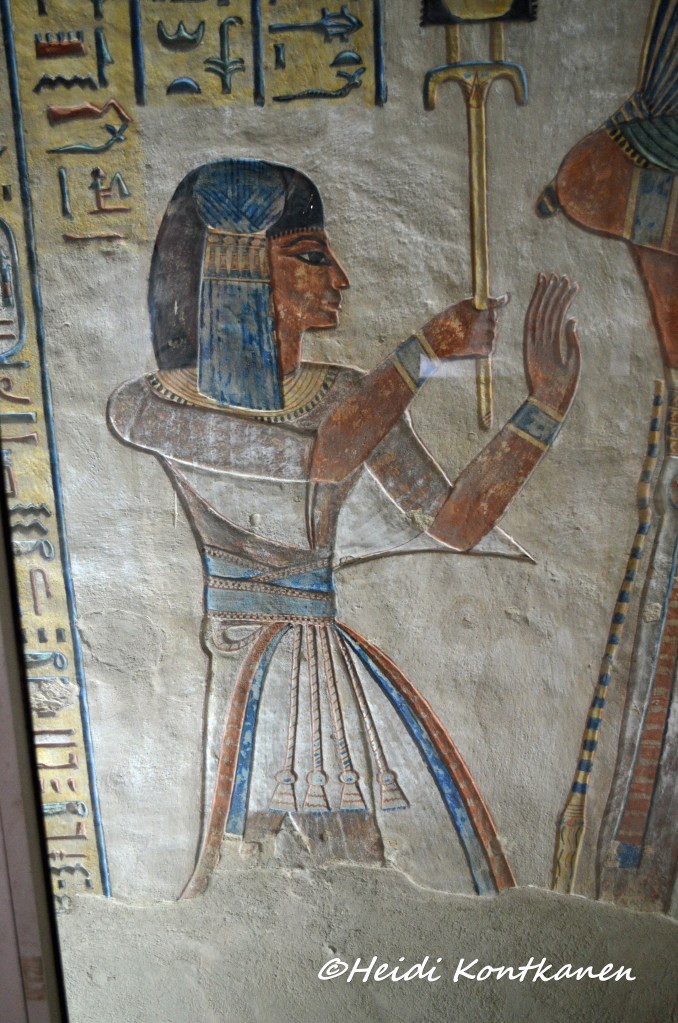
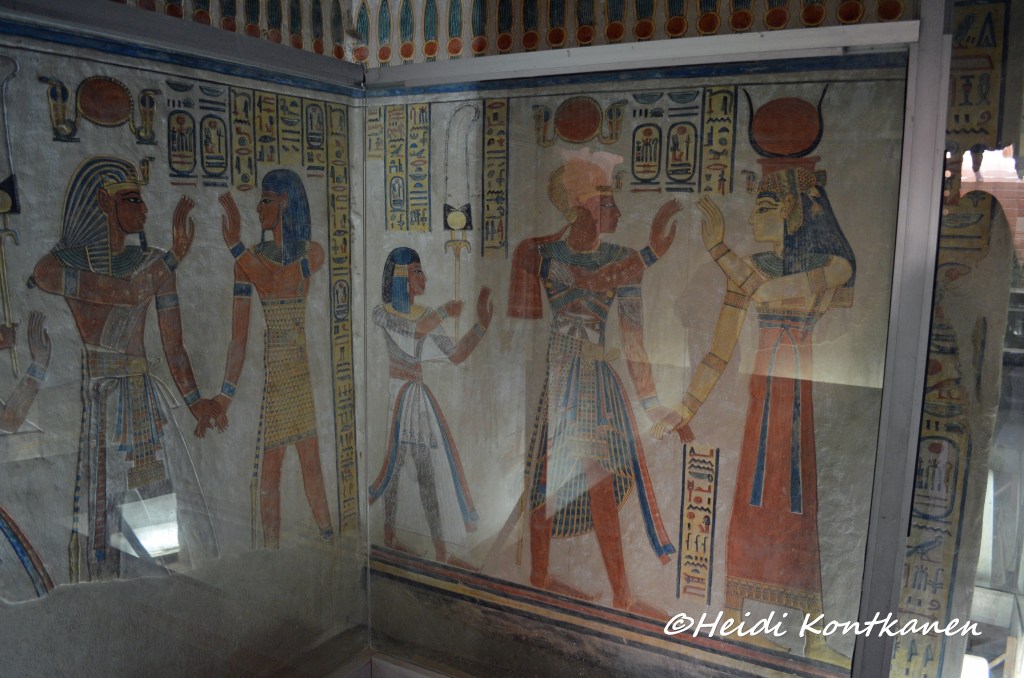
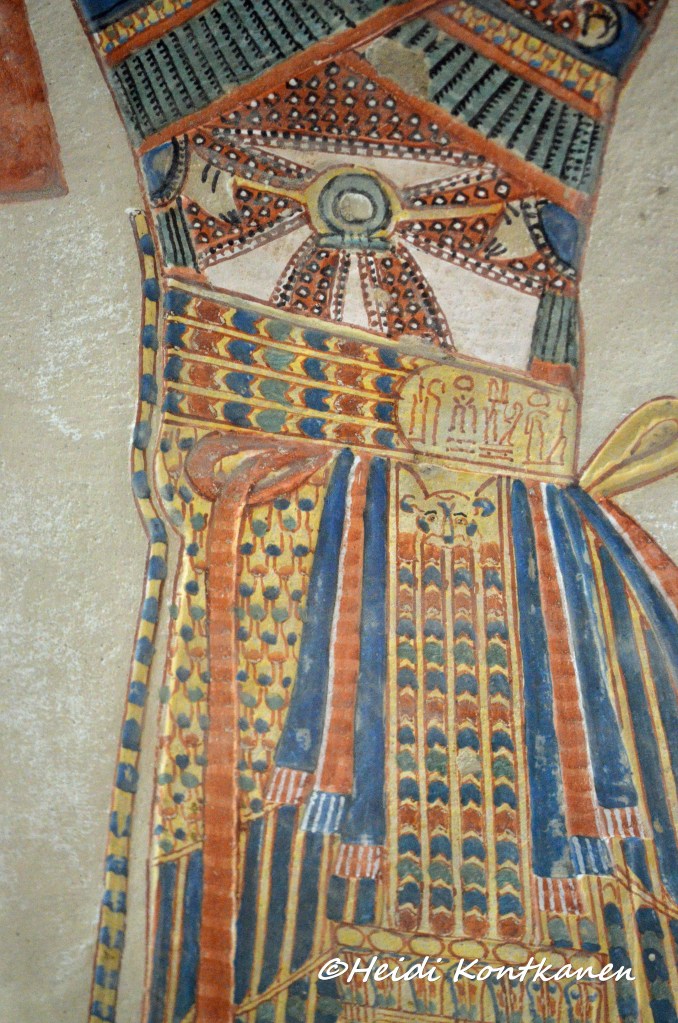
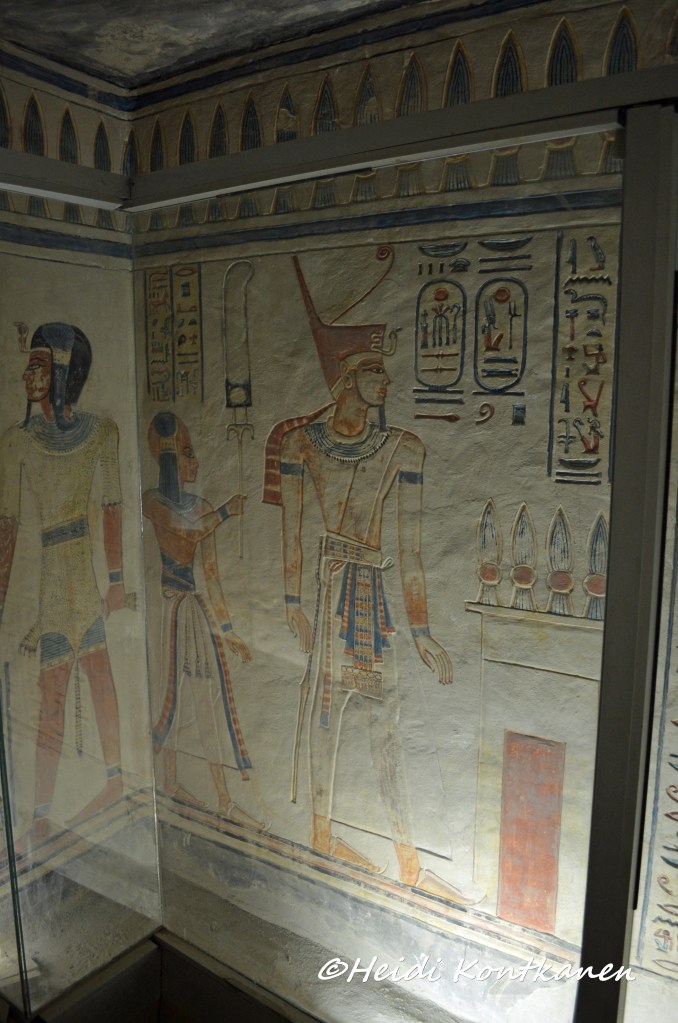
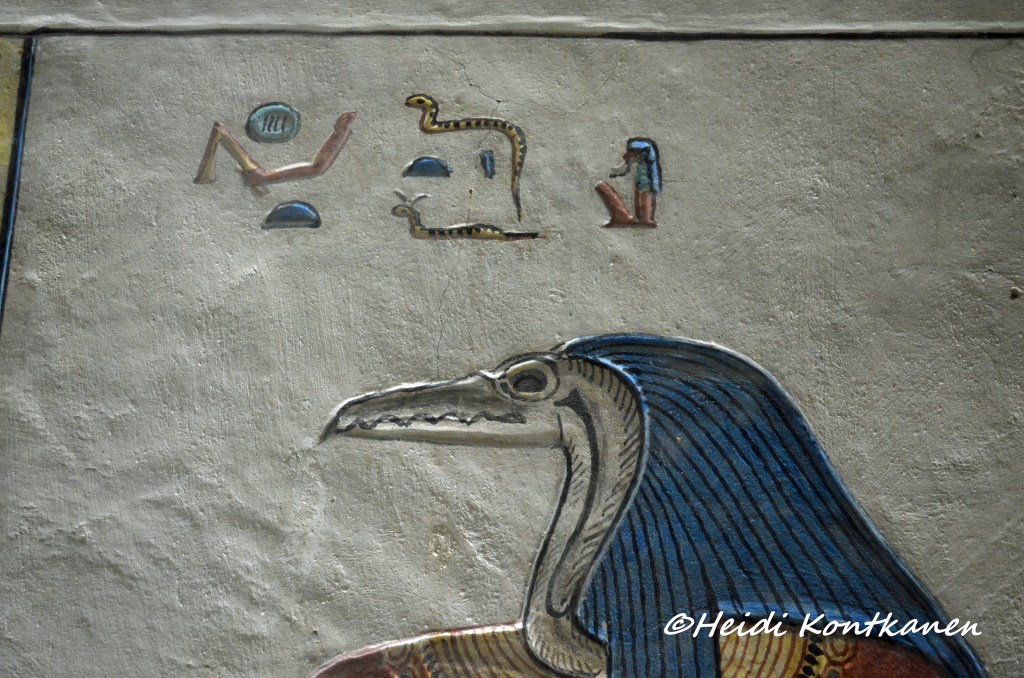
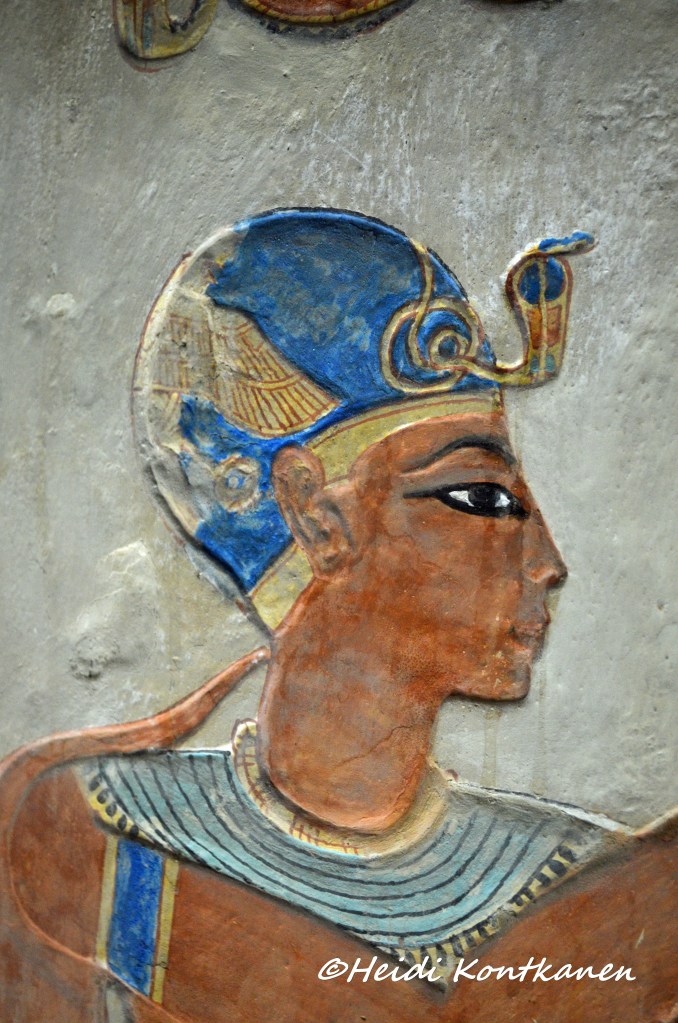
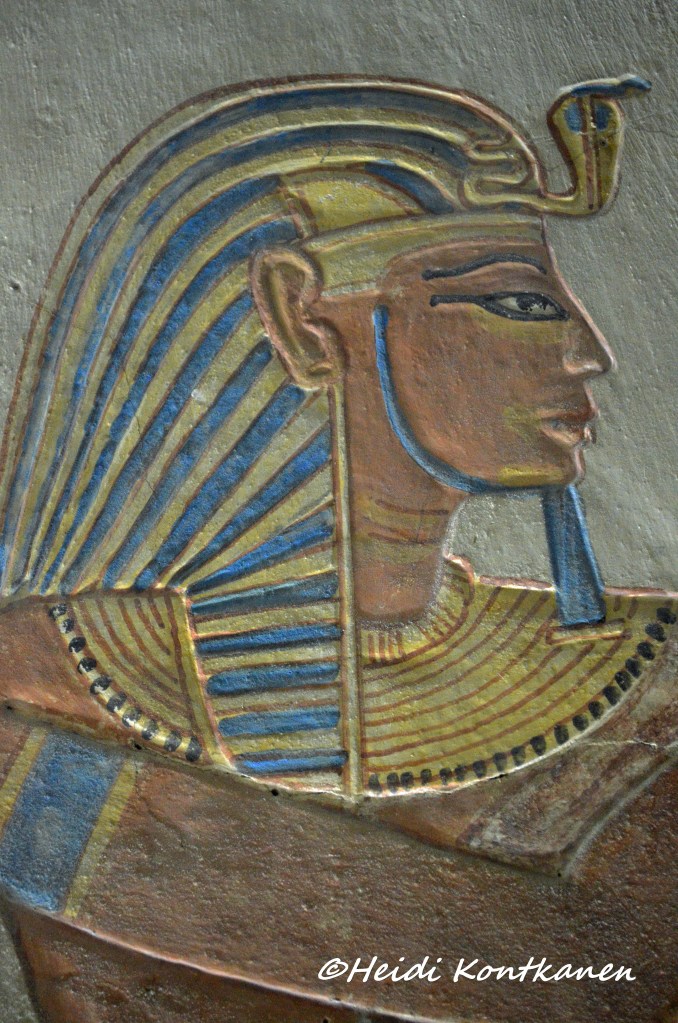
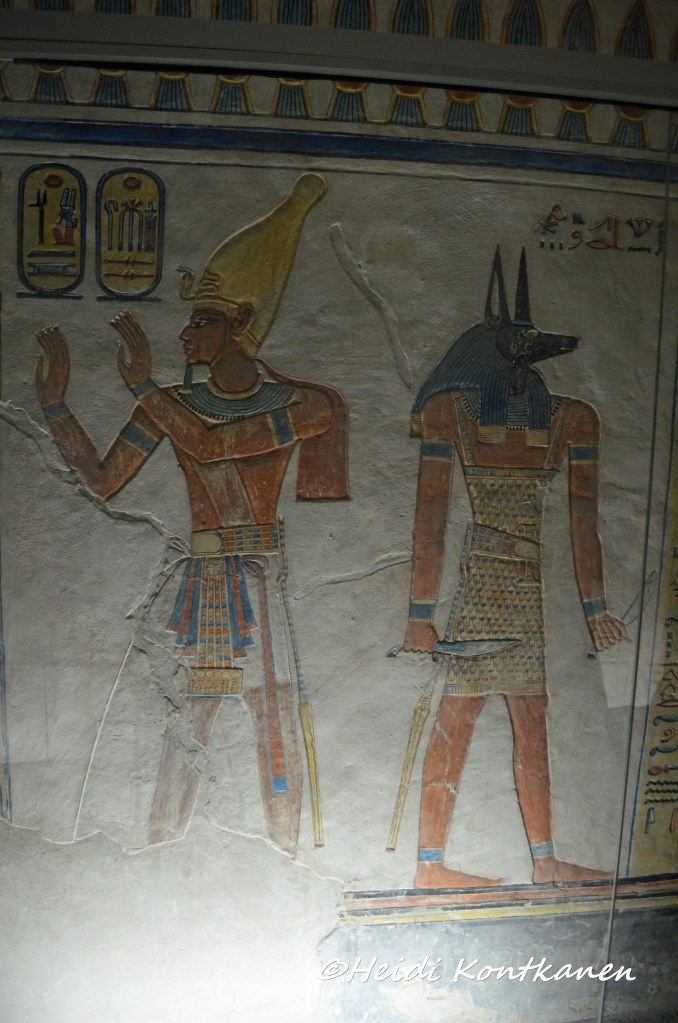
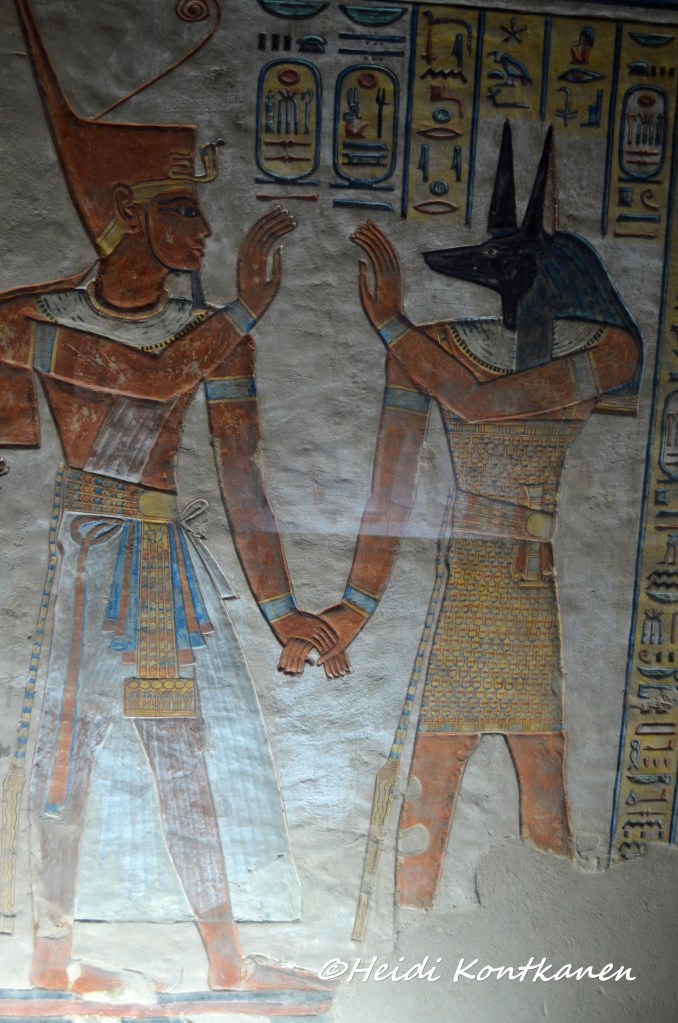
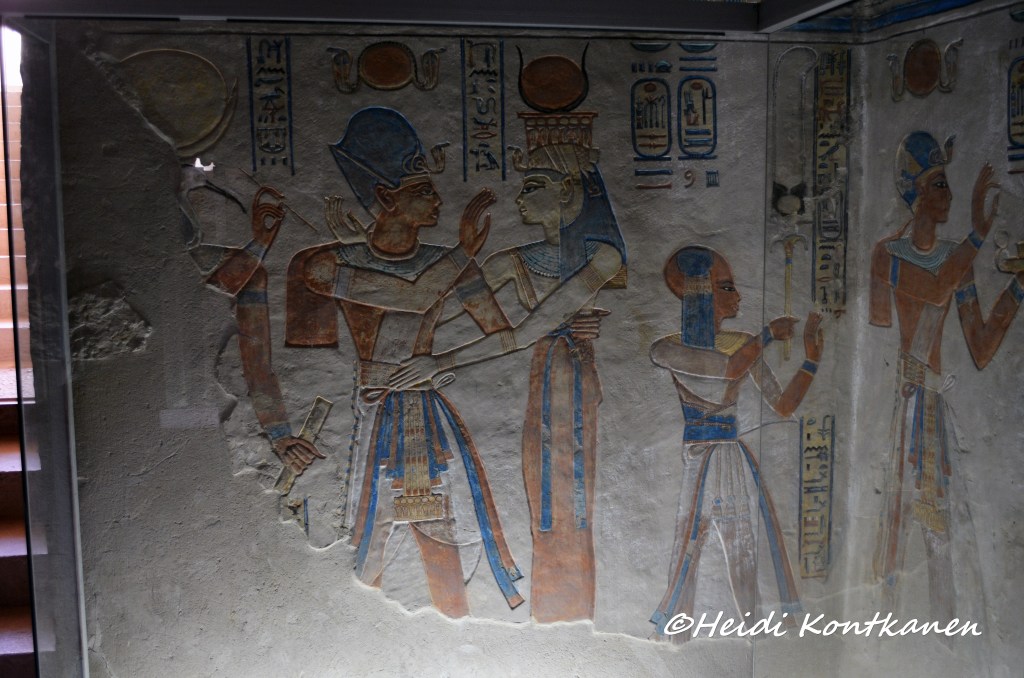
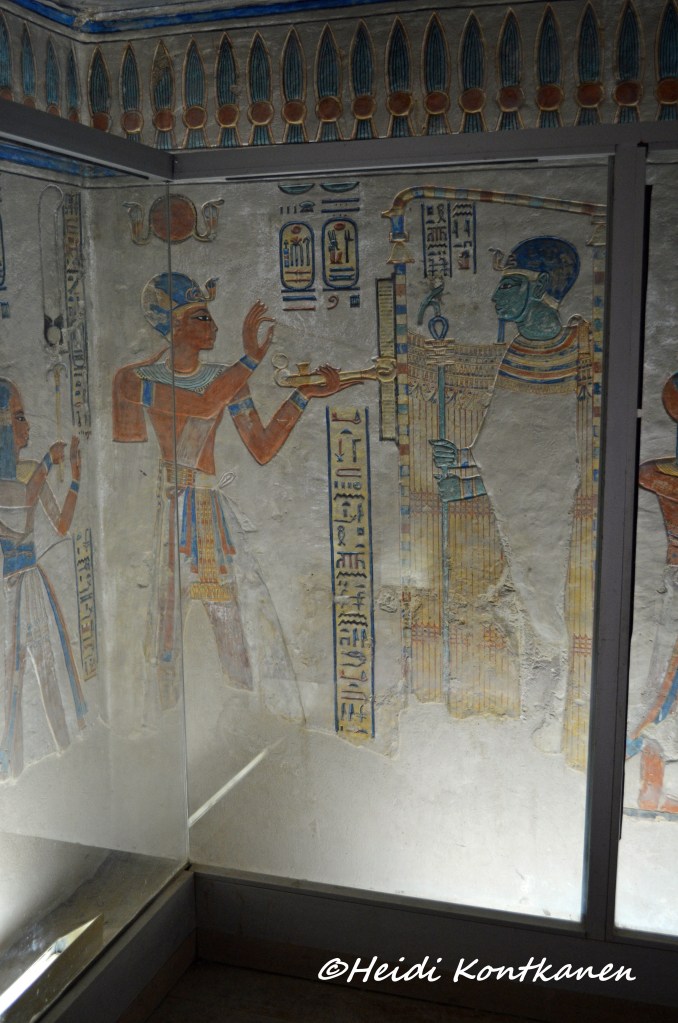
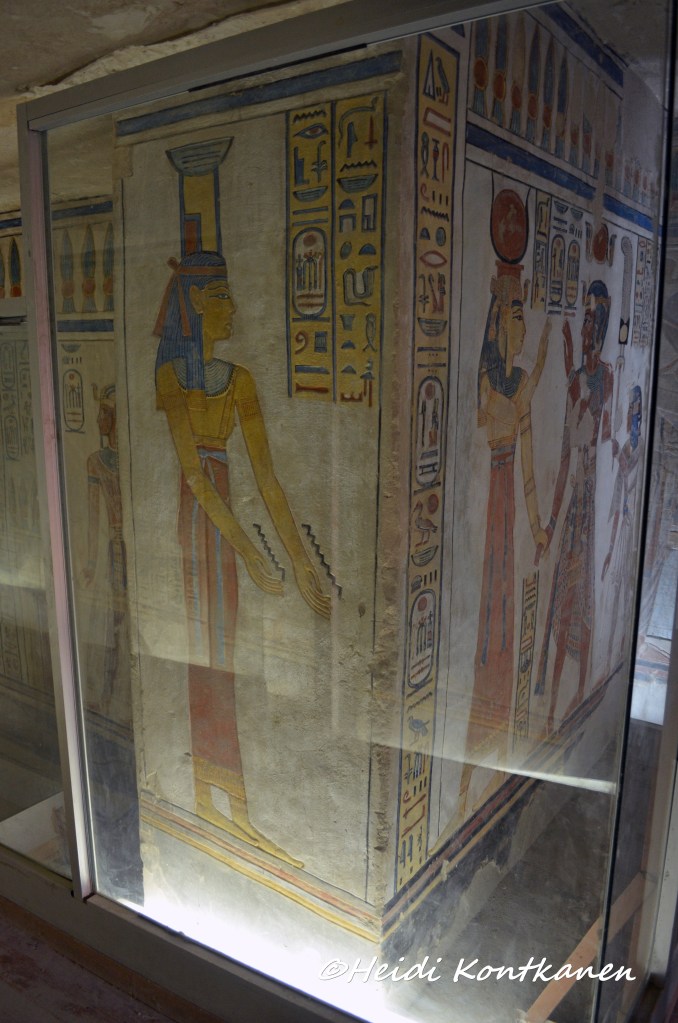
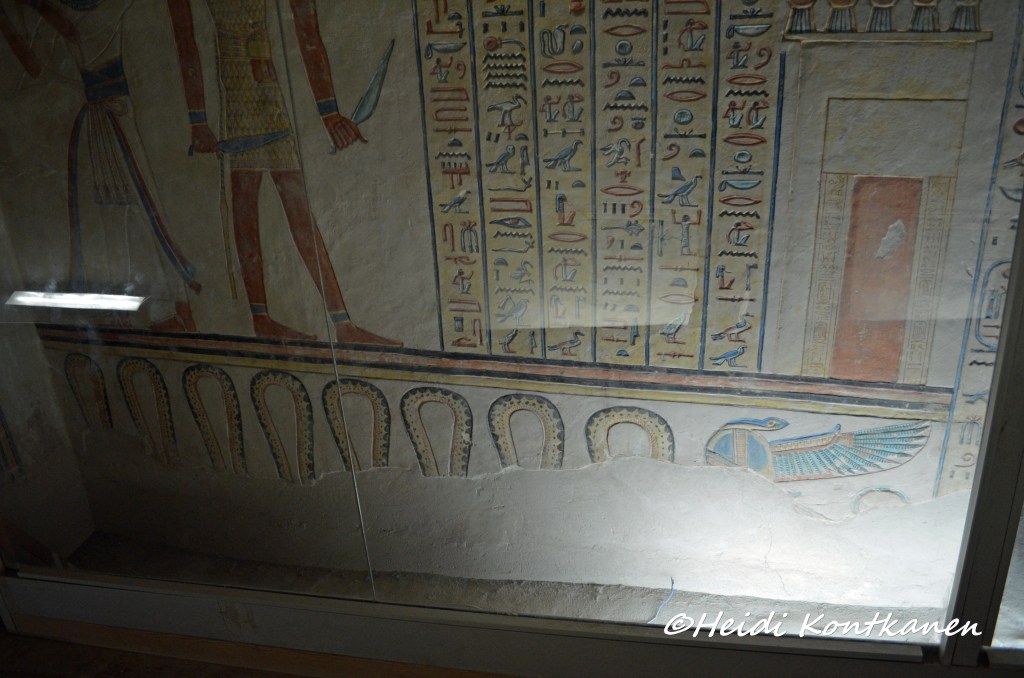
The tomb of Amenherkhepshef
The tomb of Amenherkhepshef
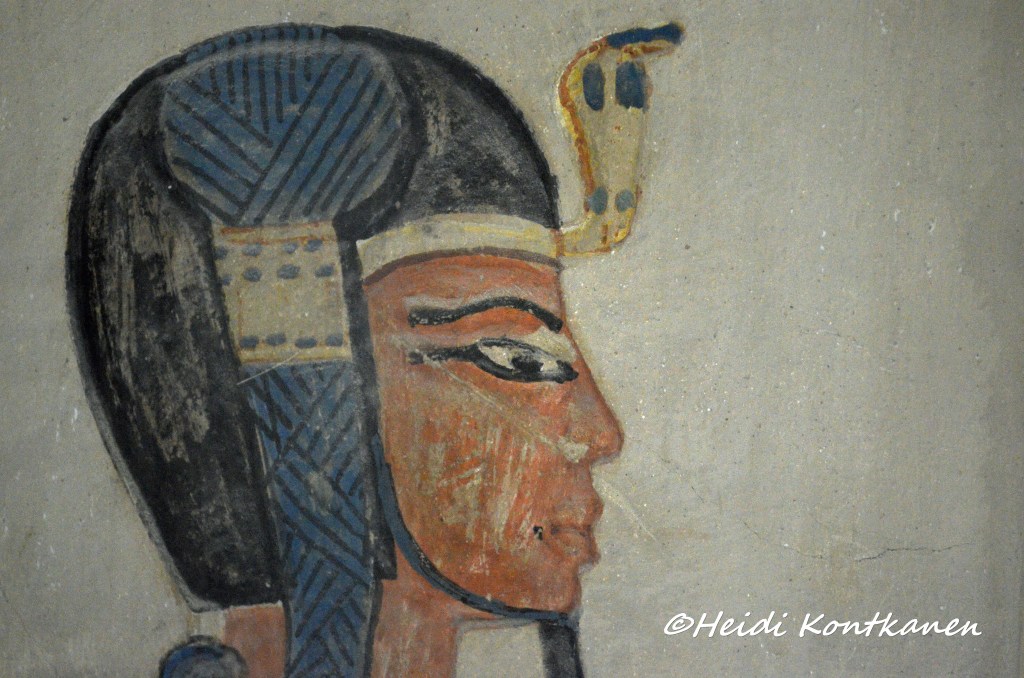
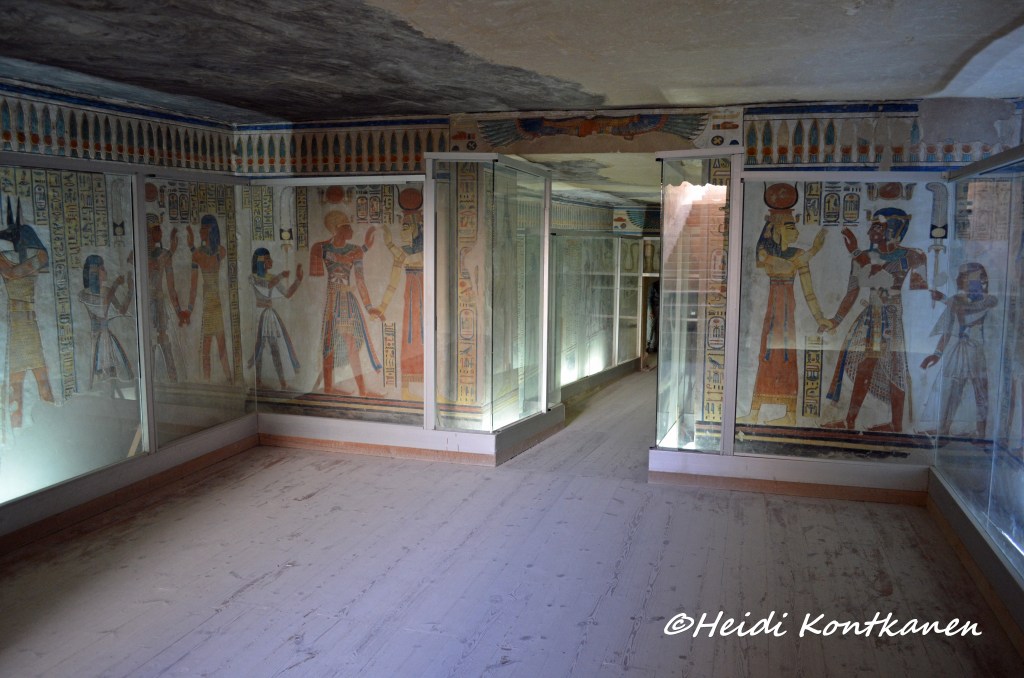


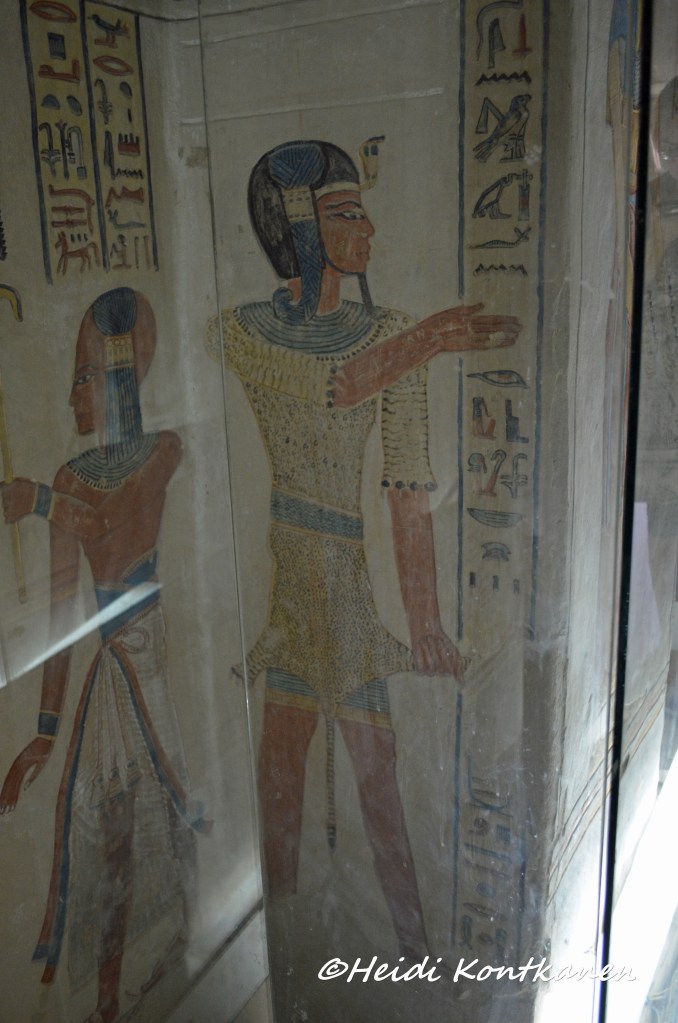
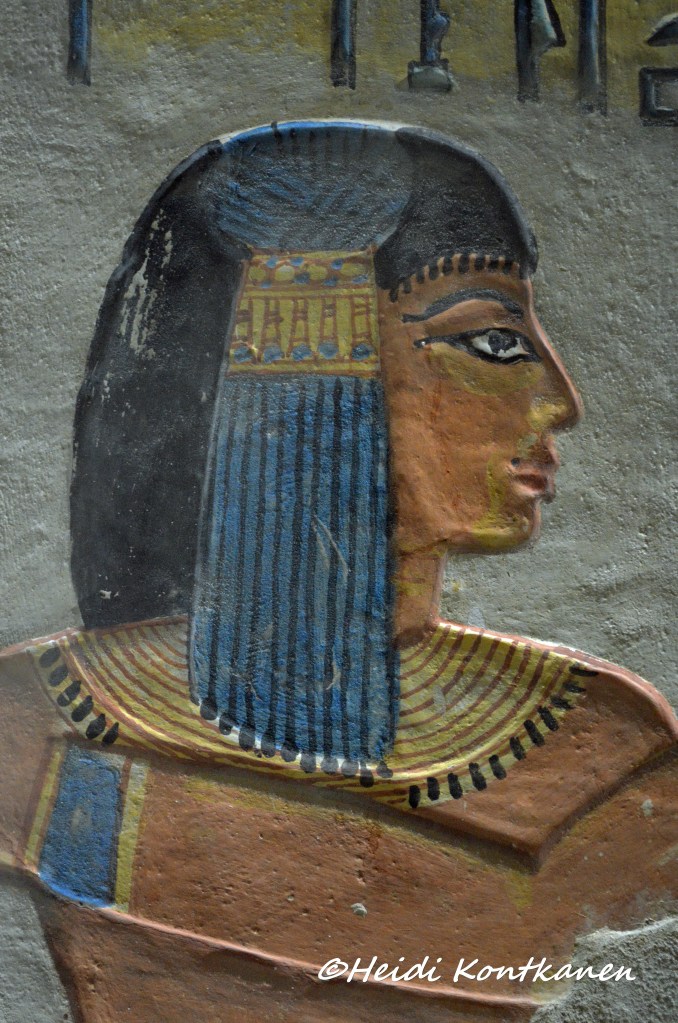

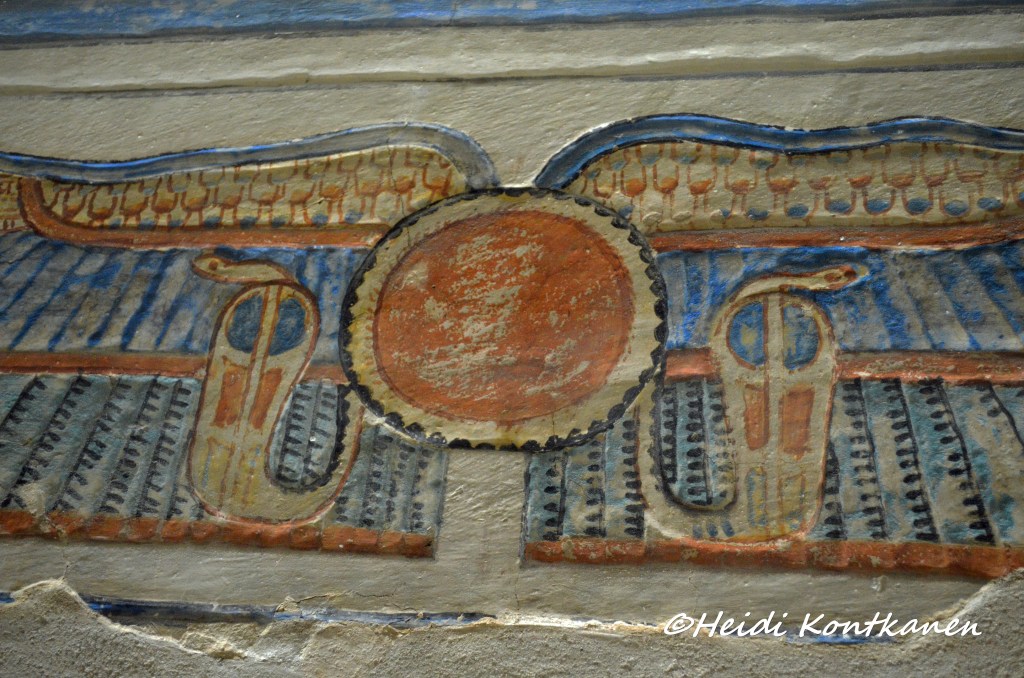
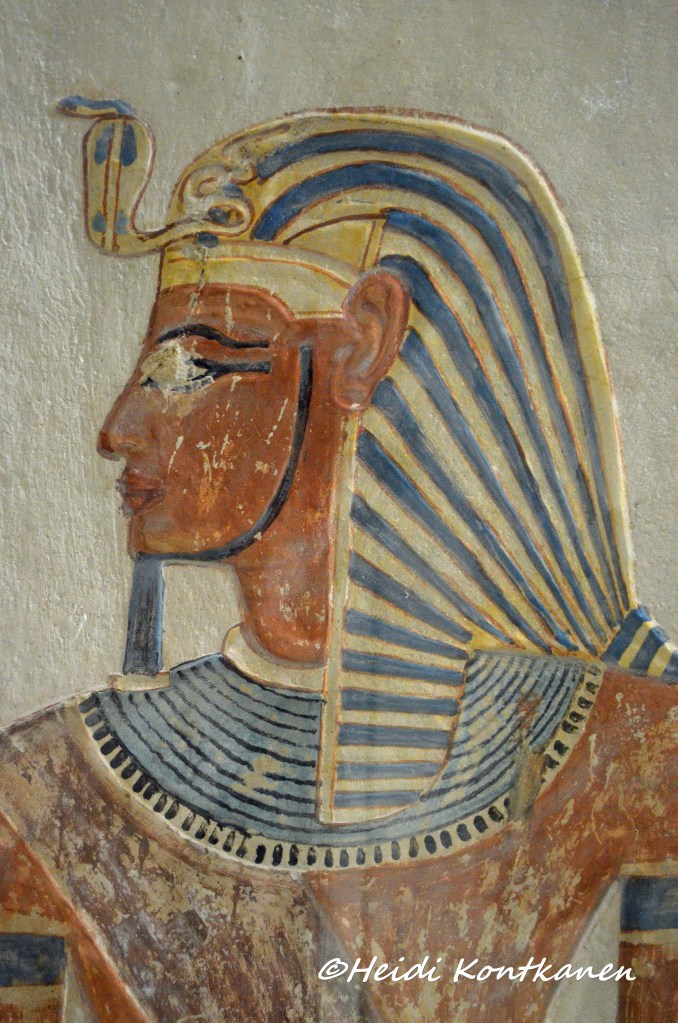
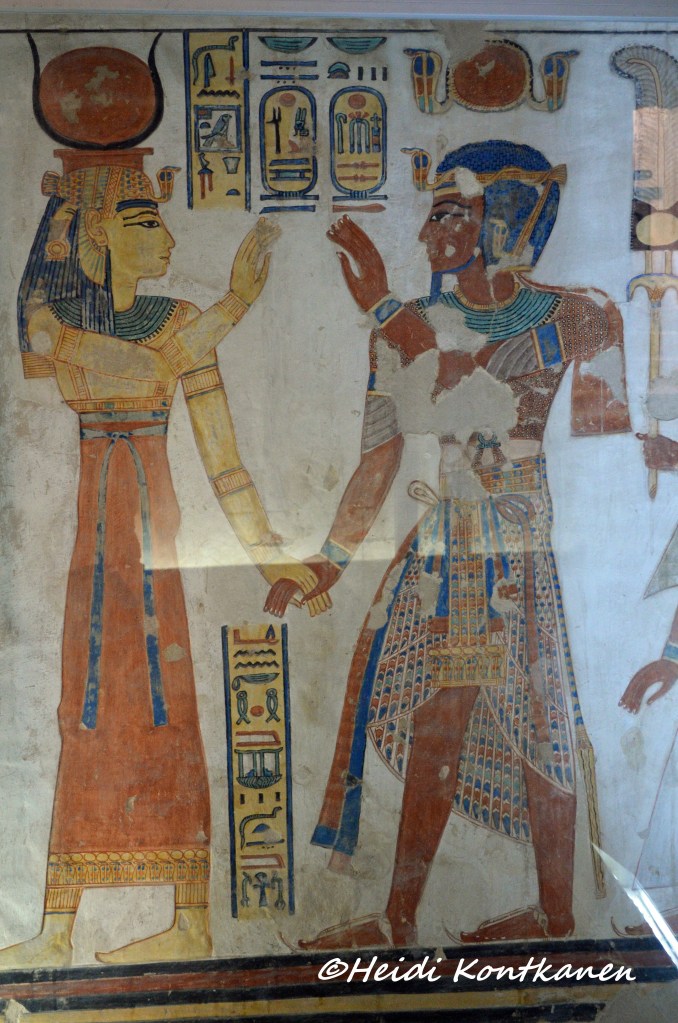

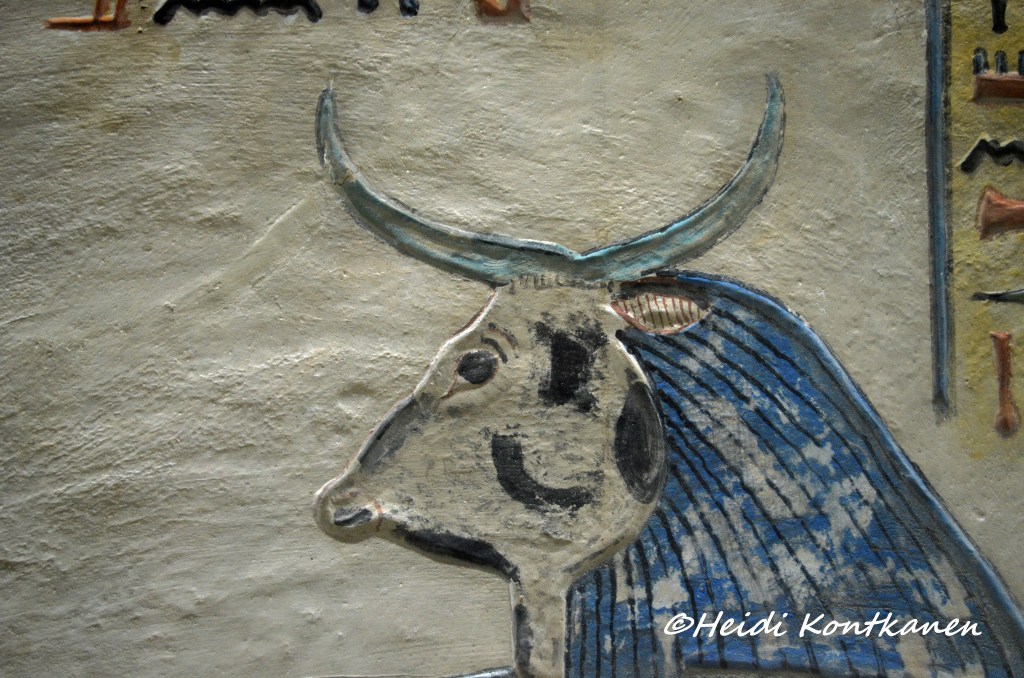


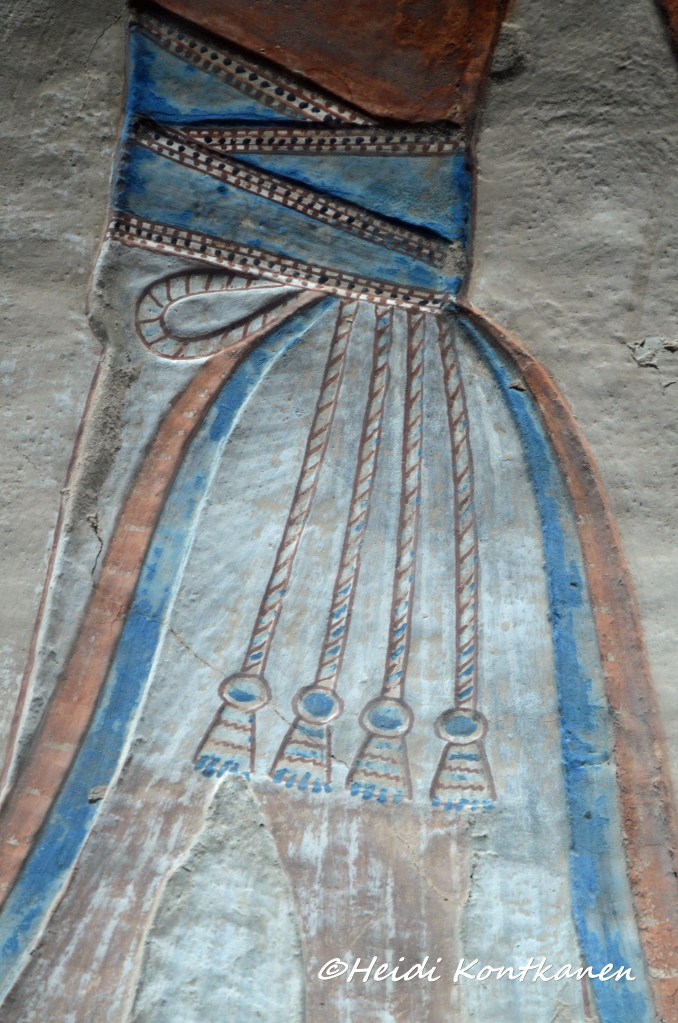

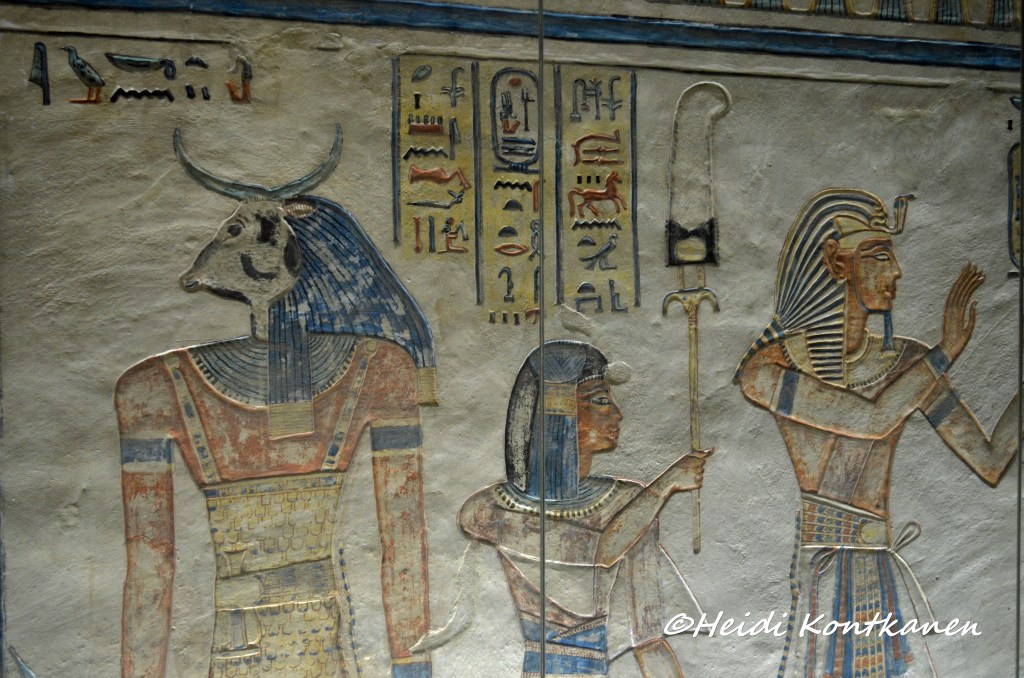


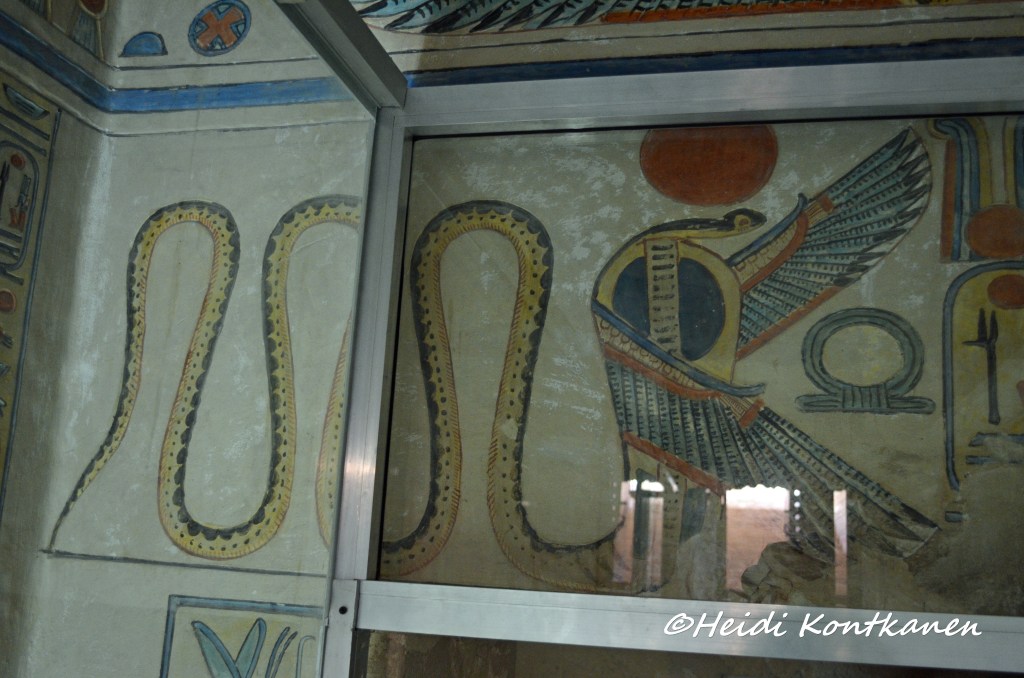
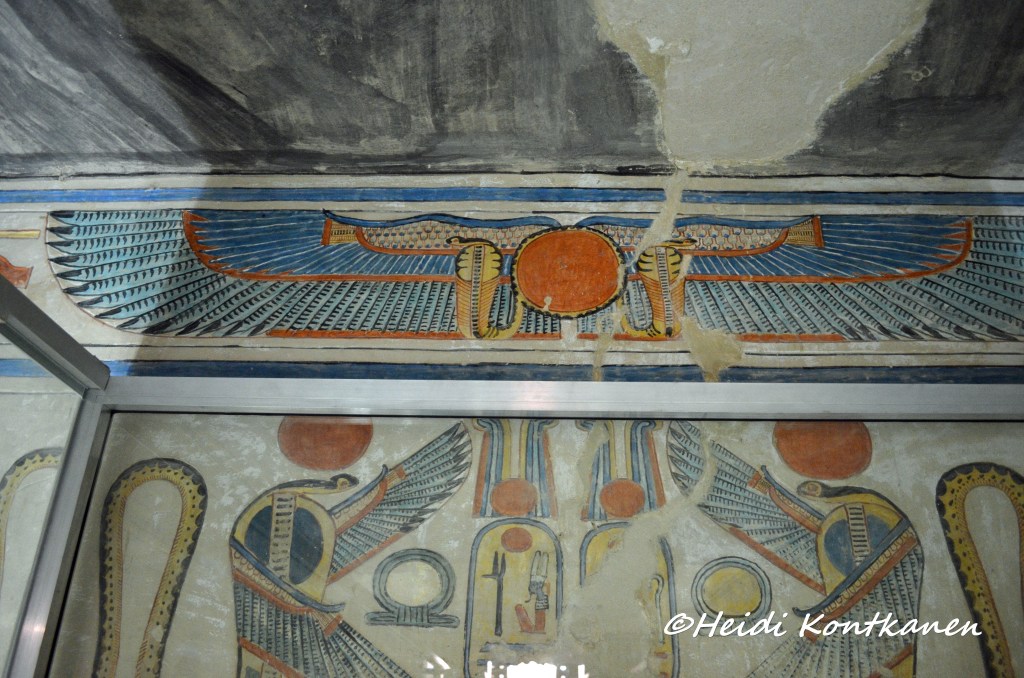


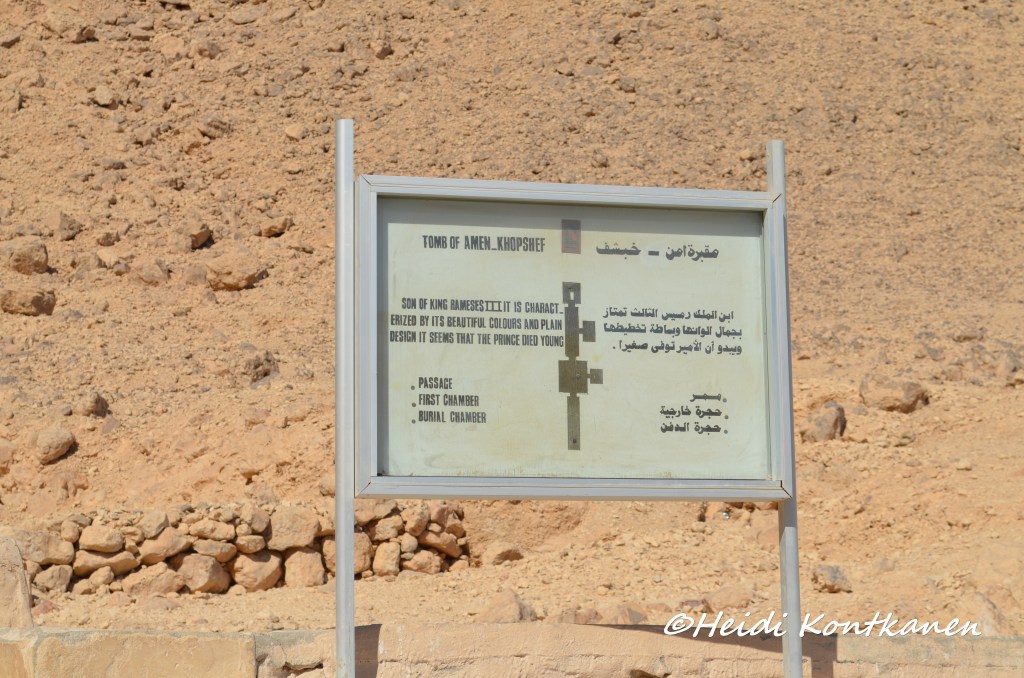

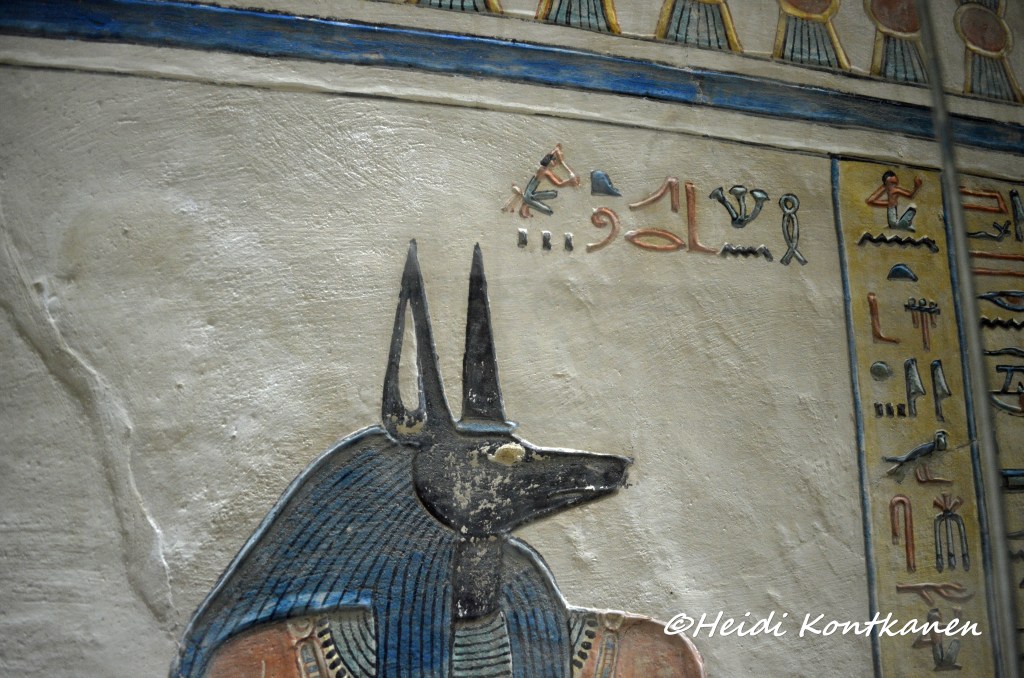
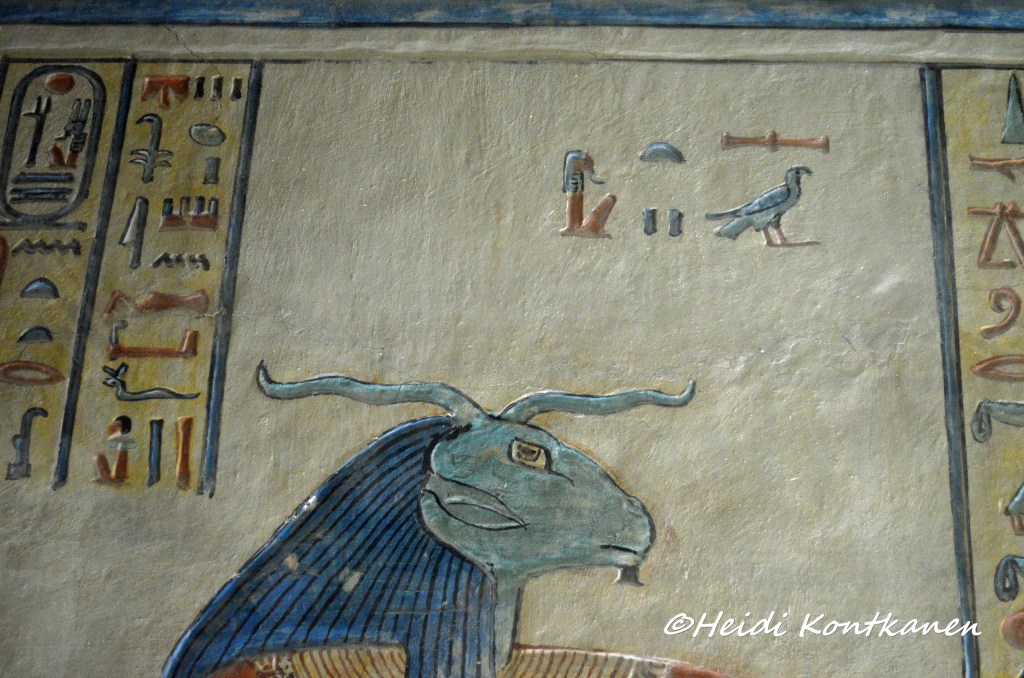
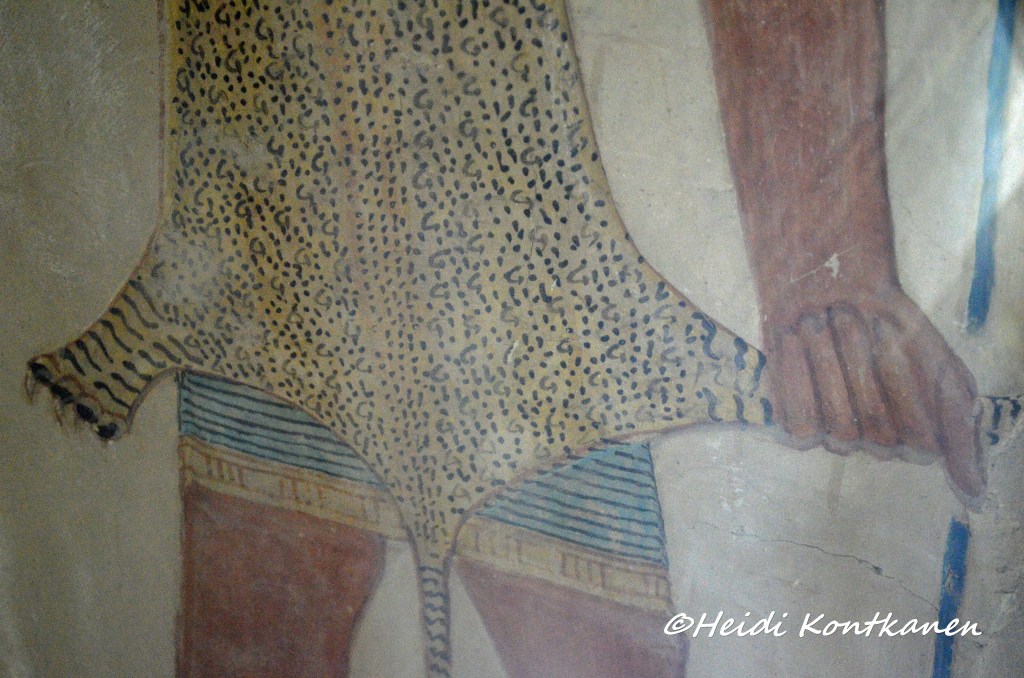
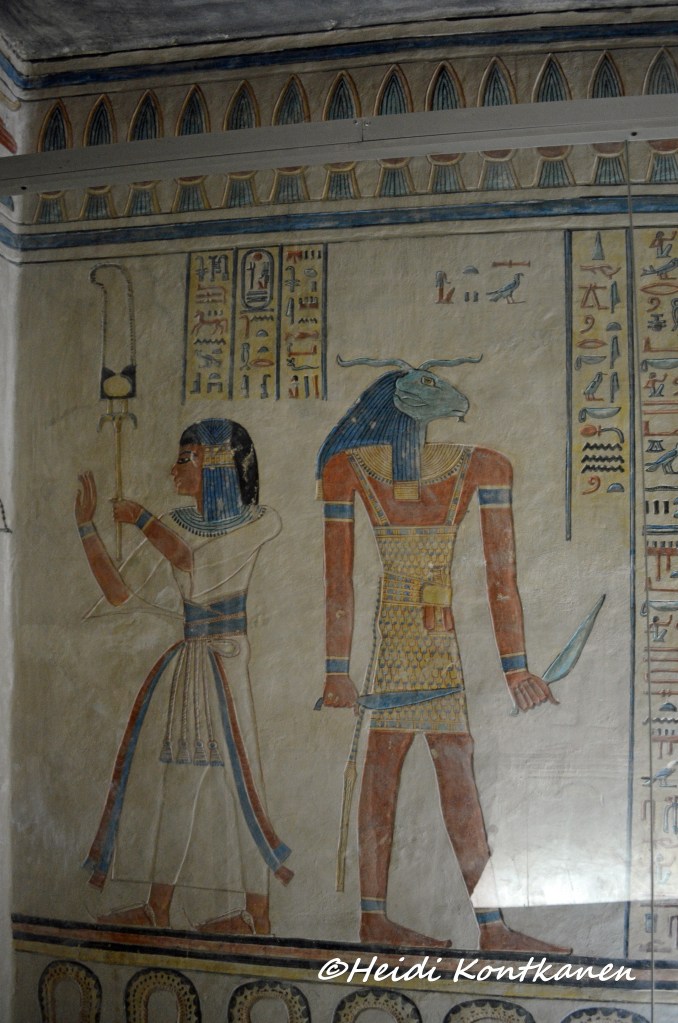
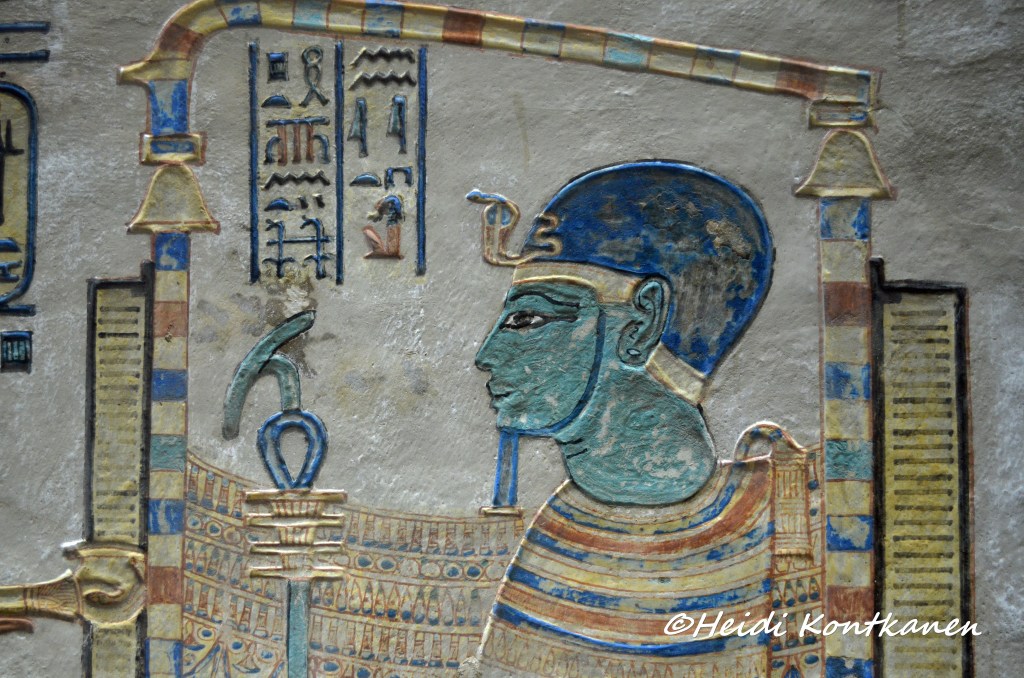


The tomb of
Amenherkhepshef
QV55
in the Valley of the Queens.
He was the son of Ramses III
and probably died in his teens. Apparently
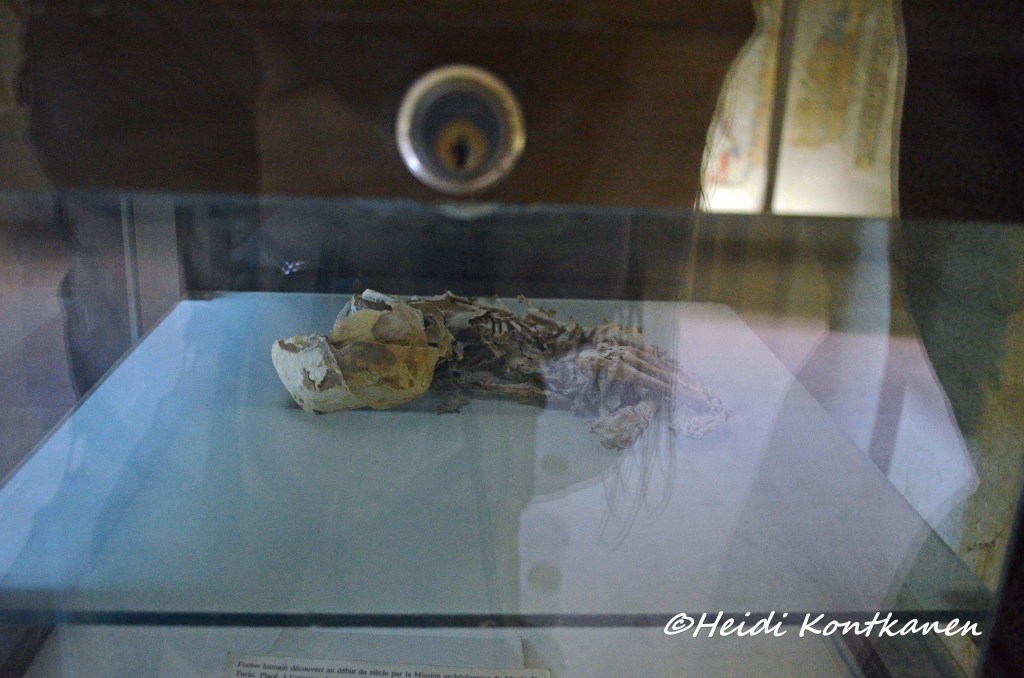
he was never buried in this tomb.
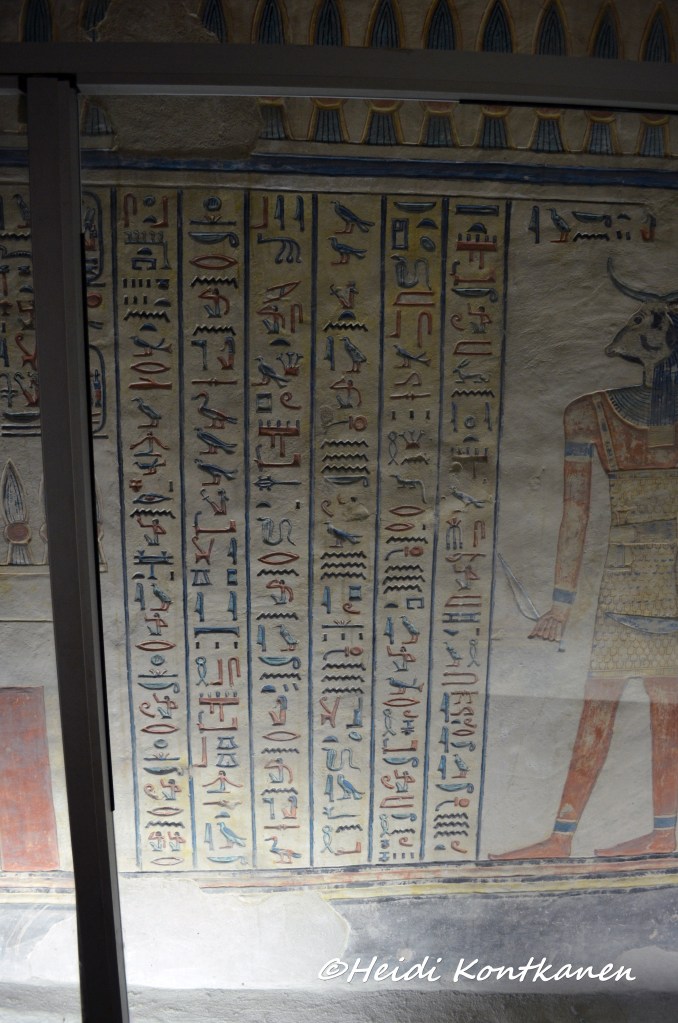
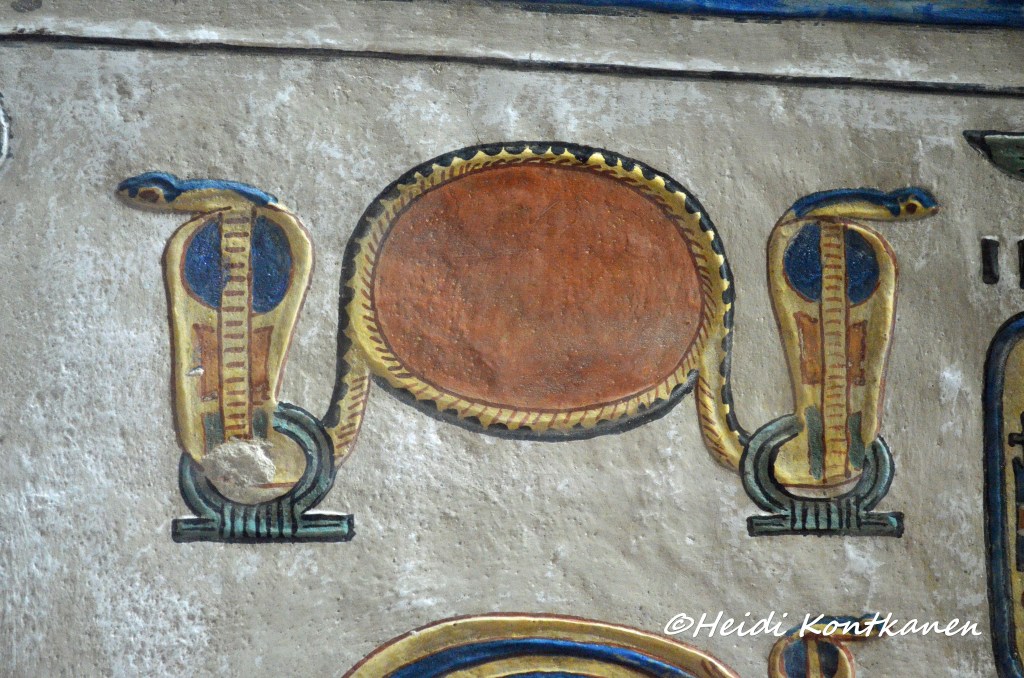
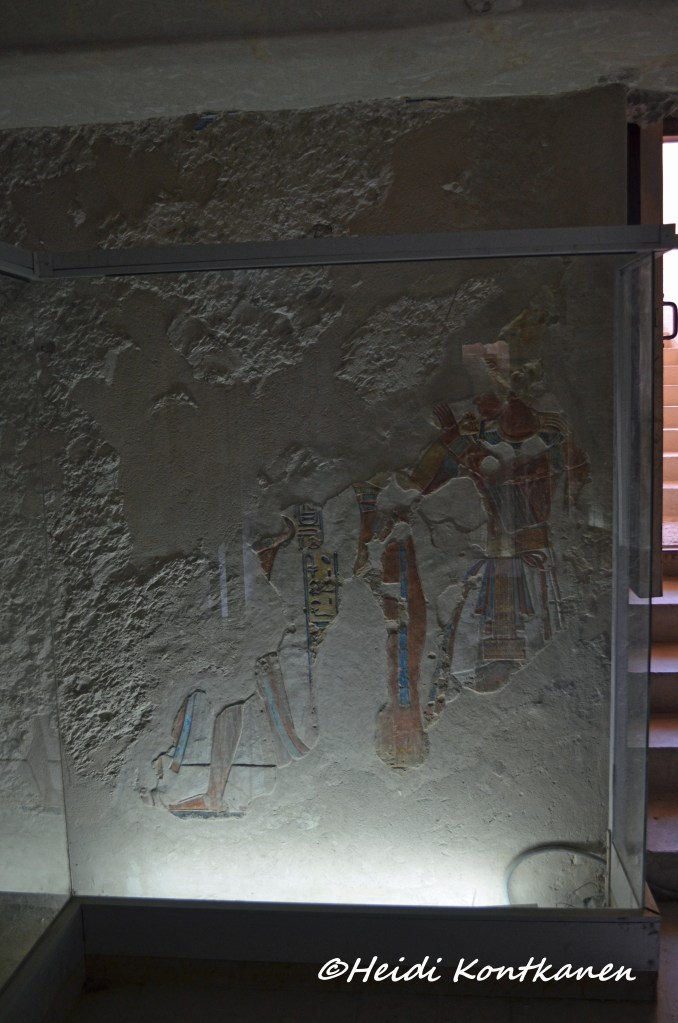
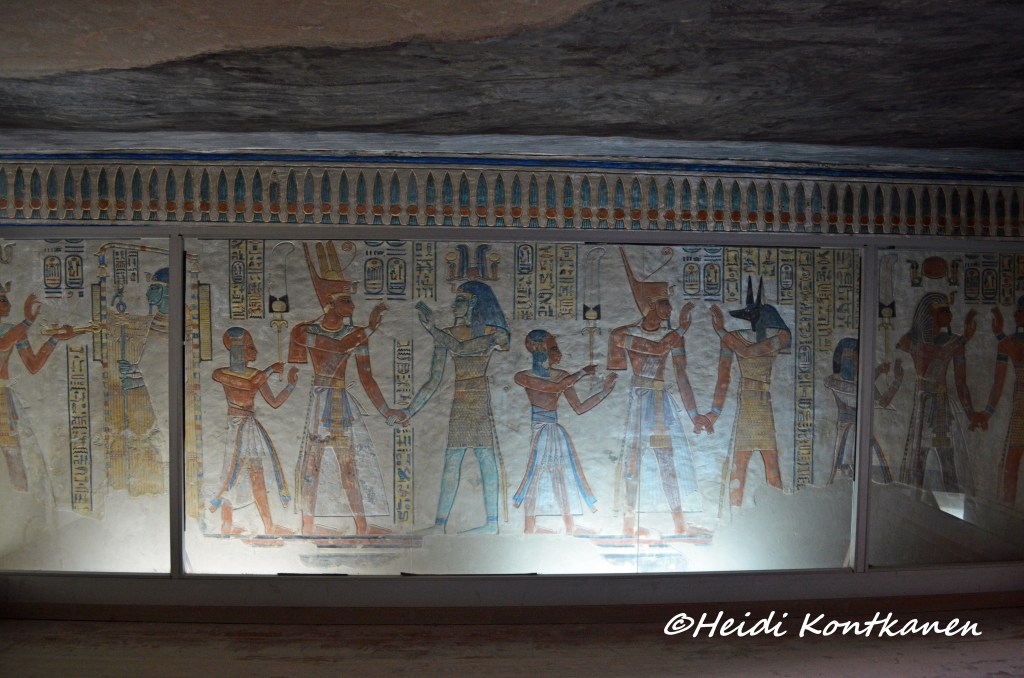
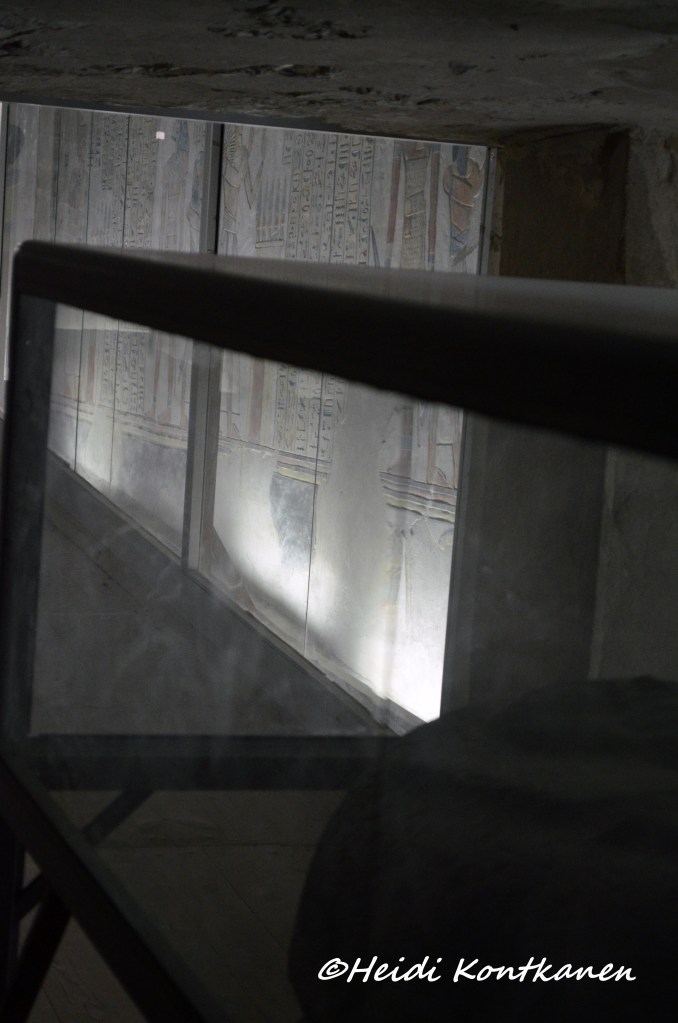
The details in the beautiful paintings on the walls, are amazing.
 khaled gamelyanl blogger