


Mountain of the Dead
What embraces this archaeological landmark in Egypt?
560 kilometers northwest of Cairo
Siwa Oasis is home to one of the most important monuments dating back to the 26th Dynasty.
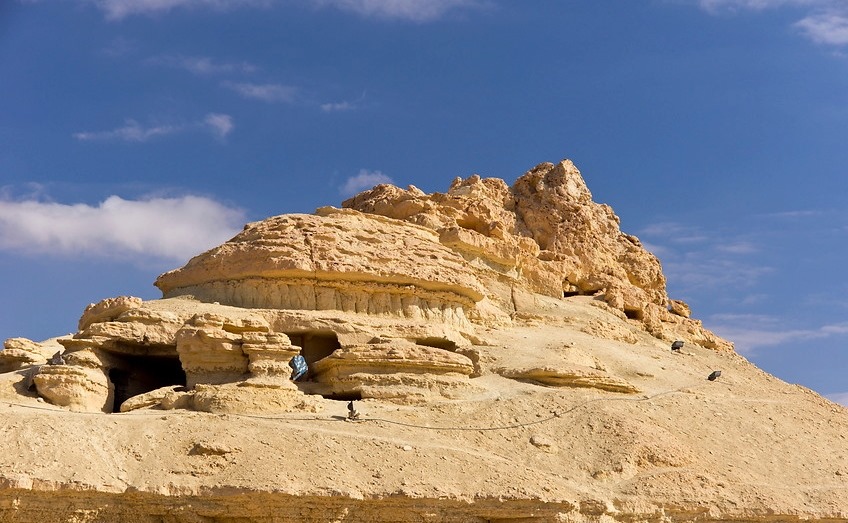
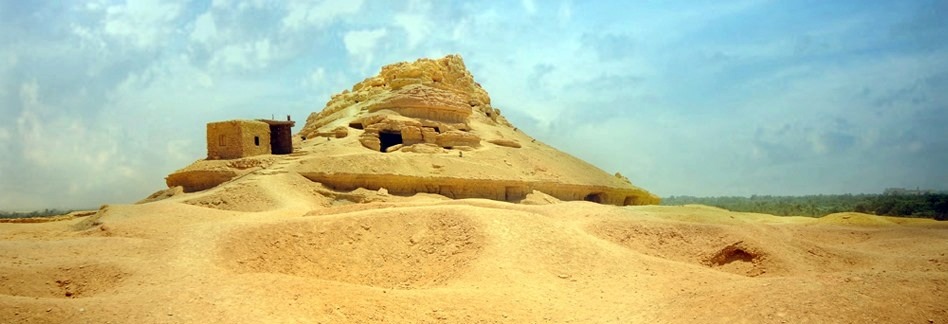
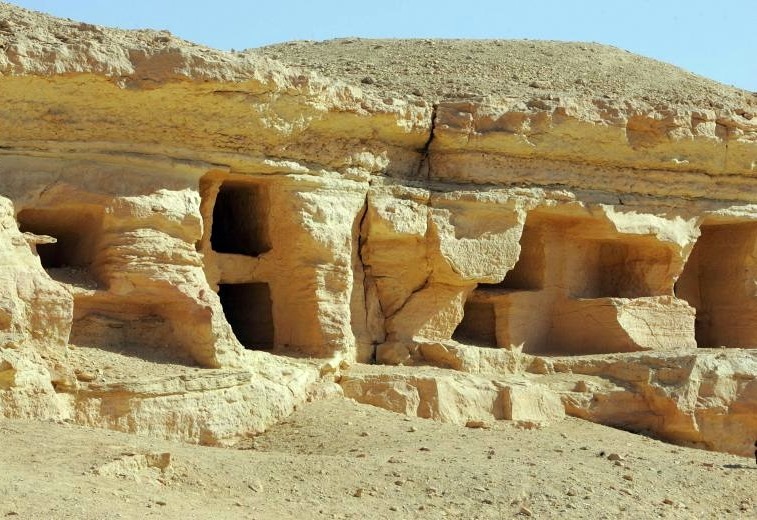
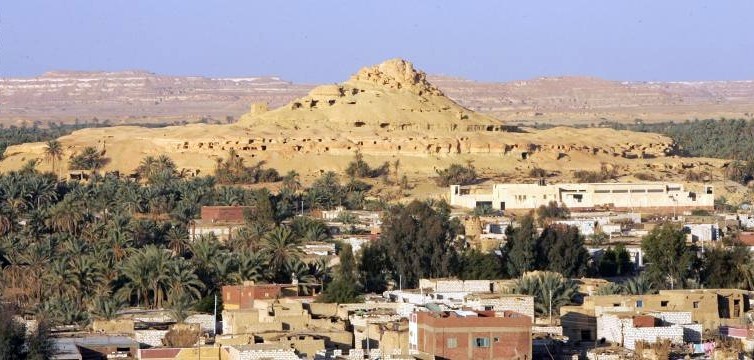
The conical mountain of the dead contains thousands of tombs carved into the rock
Where its inscriptions helped to date the most ancient tombs in it. Burial continued in this cemetery, that is, tombs, until the late Roman era and in relation to the most important graves contained in the mountain
It is the tomb of “Ba Thot”
And the tomb of “Miso Isis”
And the cemetery “Crocodile”
In addition to the tomb of “Sea Amon”
Which is the most beautiful in Western Sahara that the tomb of “Sea Amon” in fact
“The ancient Egyptian doctrine is translated into resurrection and eternity.” Not only that, but the walls of the tomb reflect a clear fusion between Egyptian and Greek arts. This landmark is characterized by being one of the wonders of the Siwa Oasis, which has always been distinguished by its various myths and stories.
It is noteworthy that the history of the discovery of the Mountain of the Dead dates back to 1944, specifically during the Second World War, where the Siwa people went to the mountain out of hiding, discovering the existence of the Pharaonic tombs that are located inside it.
The Mount of the Dead
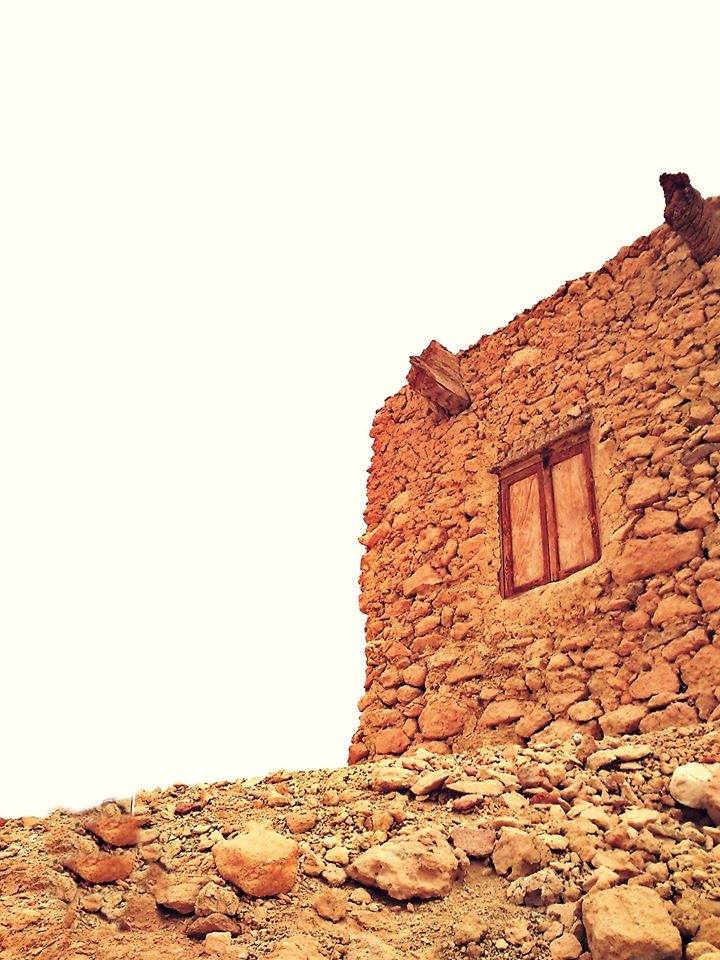
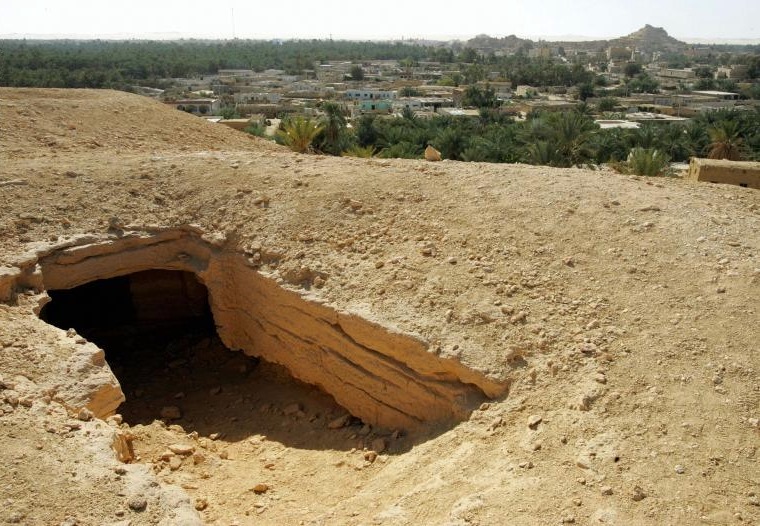
The Mountain of the Dead is located 2 km from the Siwa region of Marsa Matrouh Governorate and was discovered by chance in 1944 during the Second World War when the people of Siwa took refuge in the mountain and discovered the tombs in it which is a conical shape with a height of 50 meters and consists of limestone soil and is considered an archaeological cemetery This mountain is distinguished by its amazing view, from below to above, it is tombs of the dead carved in the form of a beehive of stone in the form of regular and consecutive rows in a geometric shape similar to the shape of the ancient oasis. The history of this ancient cemetery dates back to the 26th Dynasty and extends to the Ptolemaic and Roman era. These tombs combine in their design between ancient Egyptian art and Greek art. This merger arose as a result of mixing cultures. Some of these tombs are found at great depth and each cemetery is a rectangular vestibule that ends into a wide square courtyard and this courtyard is branched from a group of holes dedicated to the status of the dead. The most beautiful tombs present are the cemetery of Si Amoun, which belongs to the ancient Greeks, who used to follow the ancient Egyptian religion. He lived in Siwa and was buried there according to that religion. This cemetery was well preserved. This cemetery has a group of prominent reliefs and includes a drawing representing the goddess Nat and it is standing under the sycamore tree. Then another cemetery called the cemetery cemetery and named by this name in relation to the inscriptions engraved on it which is a yellow crocodile shape representing the Subic god and this cemetery is a structure similar to a component cave Of three rooms and the owner of this cemetery has not been identified yet. Another cemetery is called Thebre Pathot, which is decorated with charming drawings and engravings dyed in red, which are dominated by pottery used in Siwa until now, and there is a stone sarcophagus placed on the floor of the burial chamber. In its entirety, many, many landmarks and treasures of the Sahara Desert.
 khaled gamelyanl blogger