
Ramose’s tomb 212 at Deir el-Medina
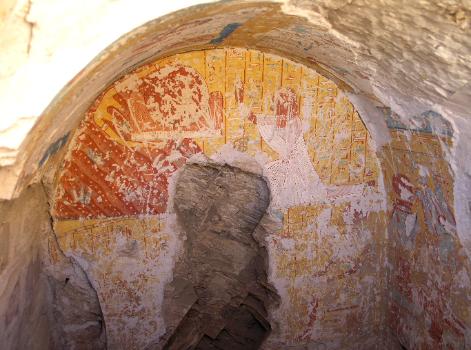
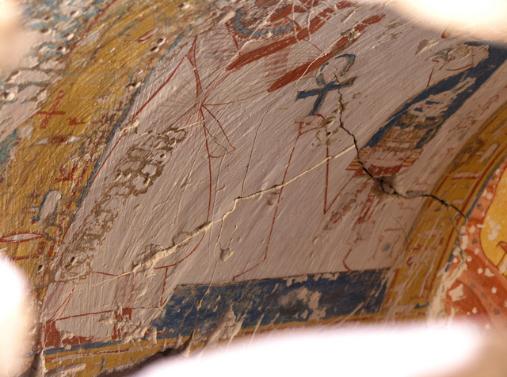
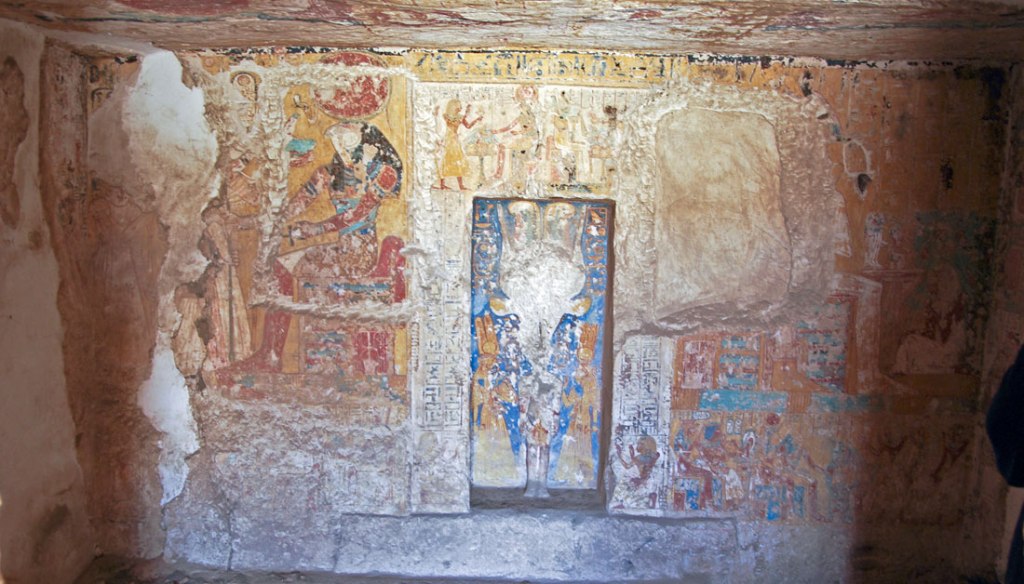
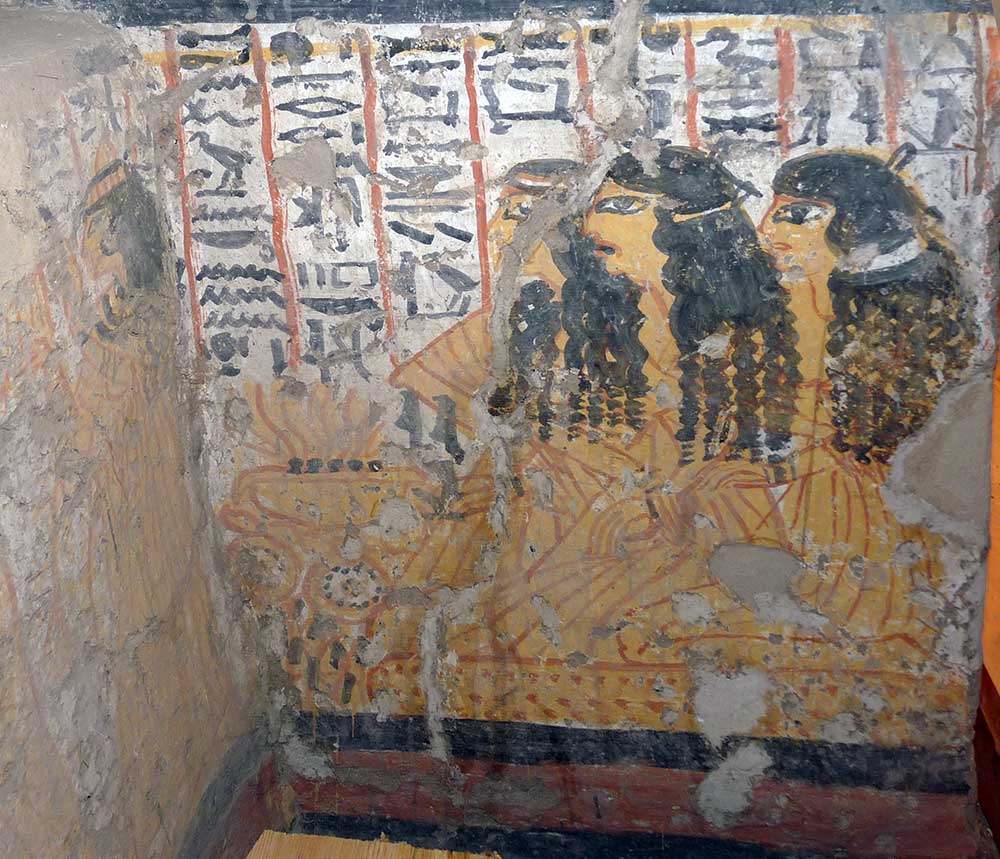
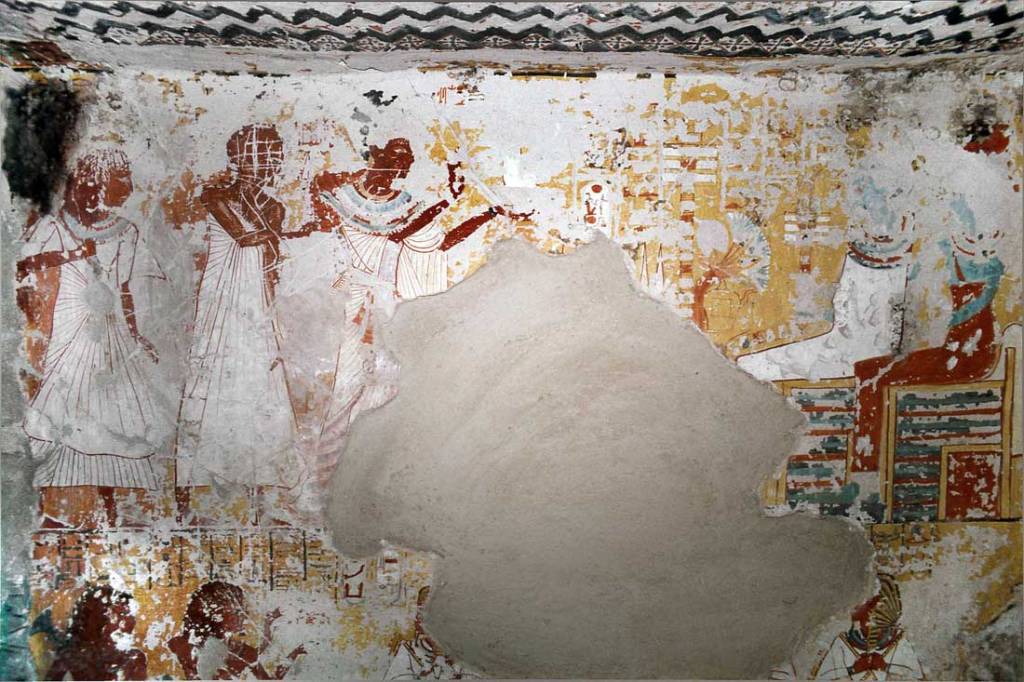
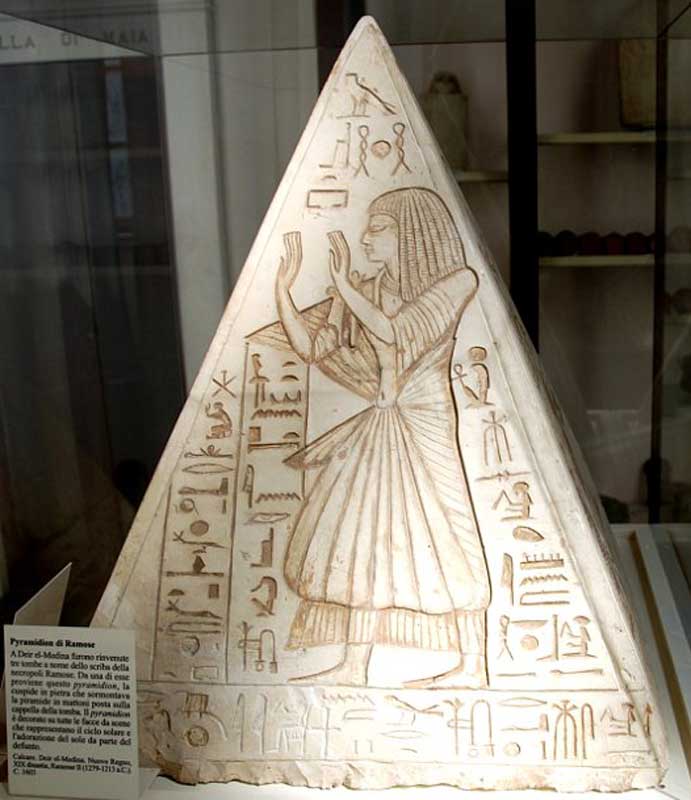
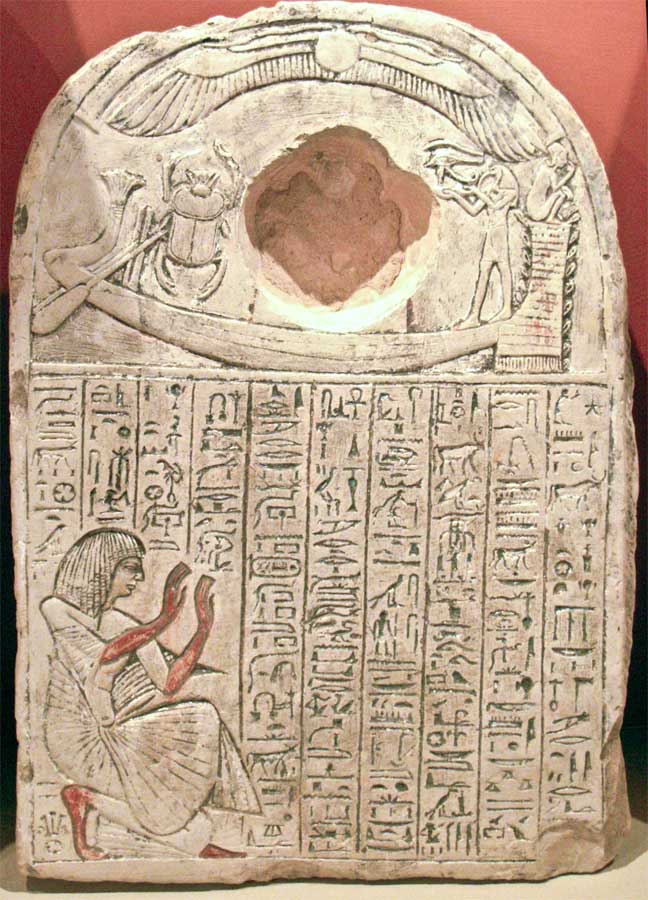
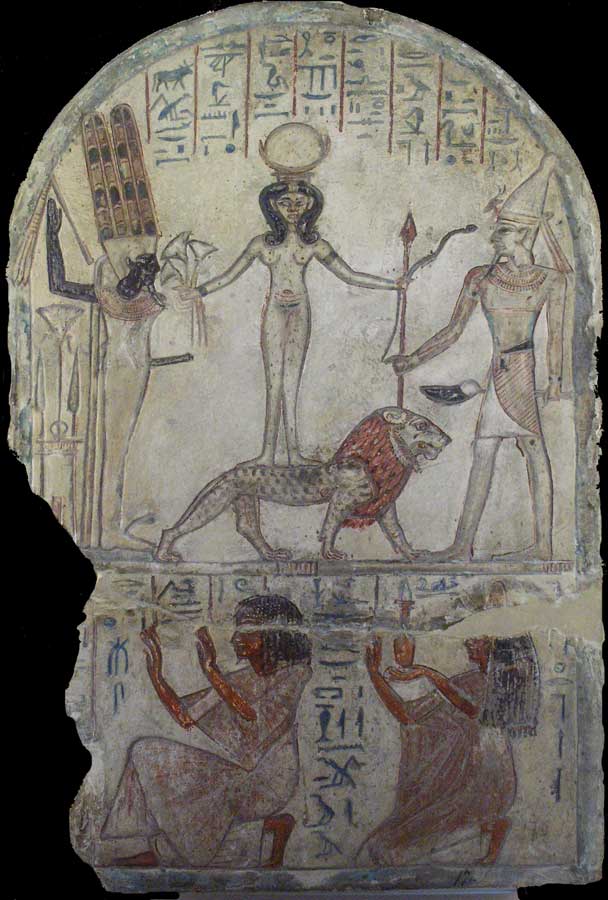
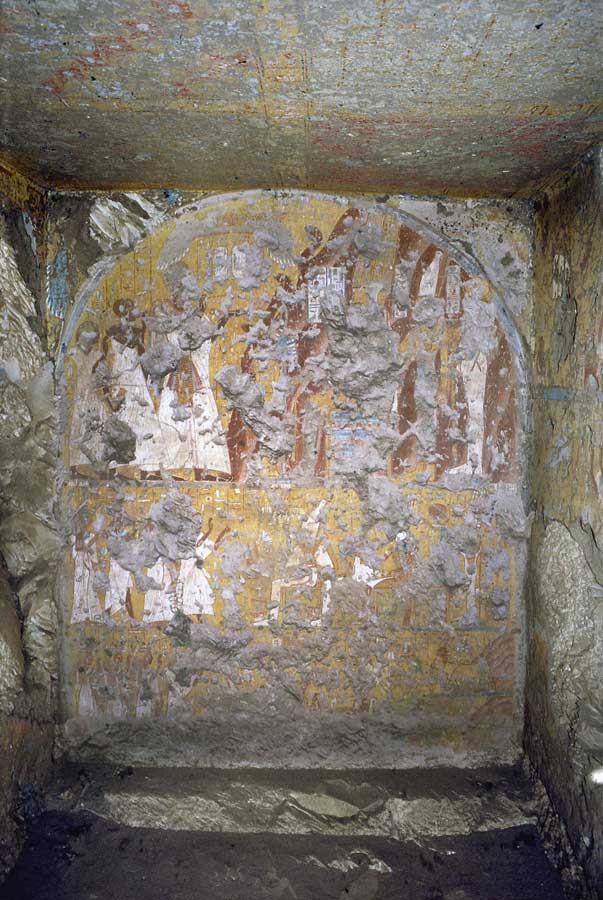
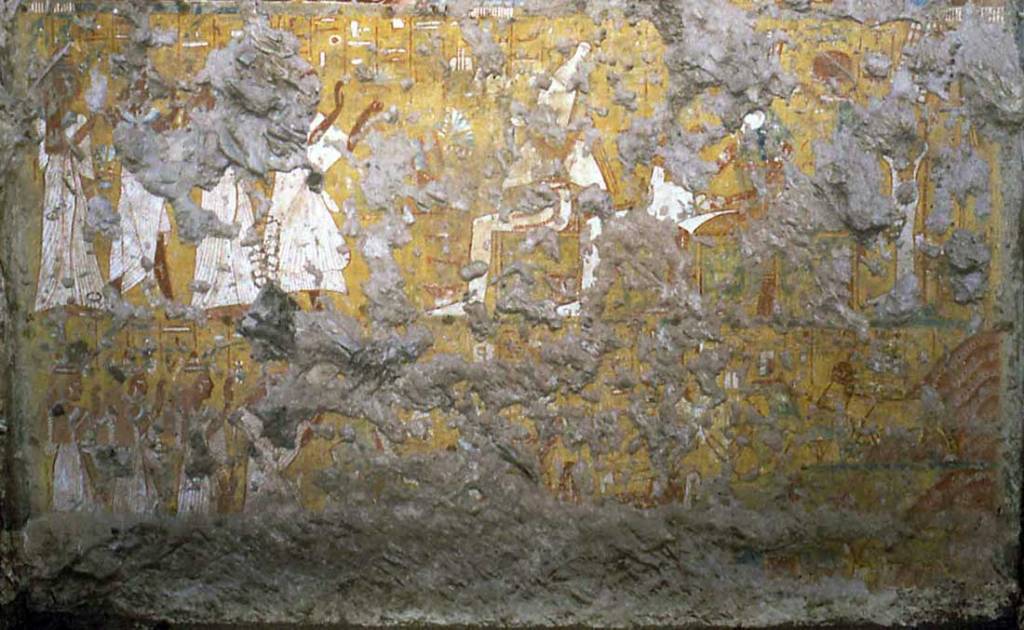
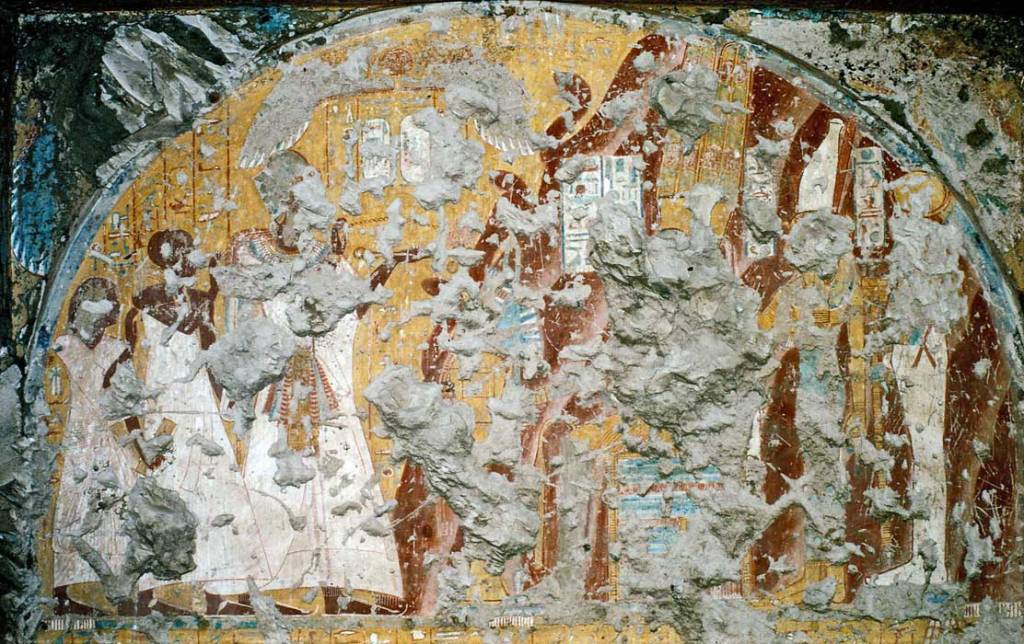
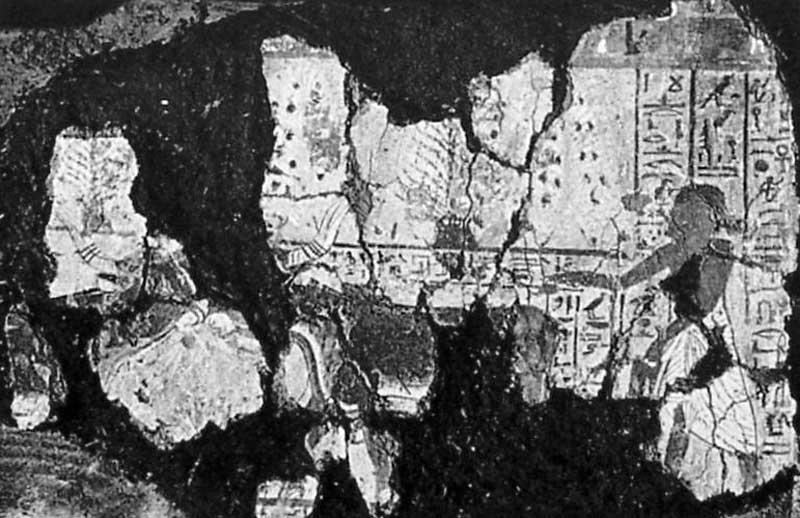
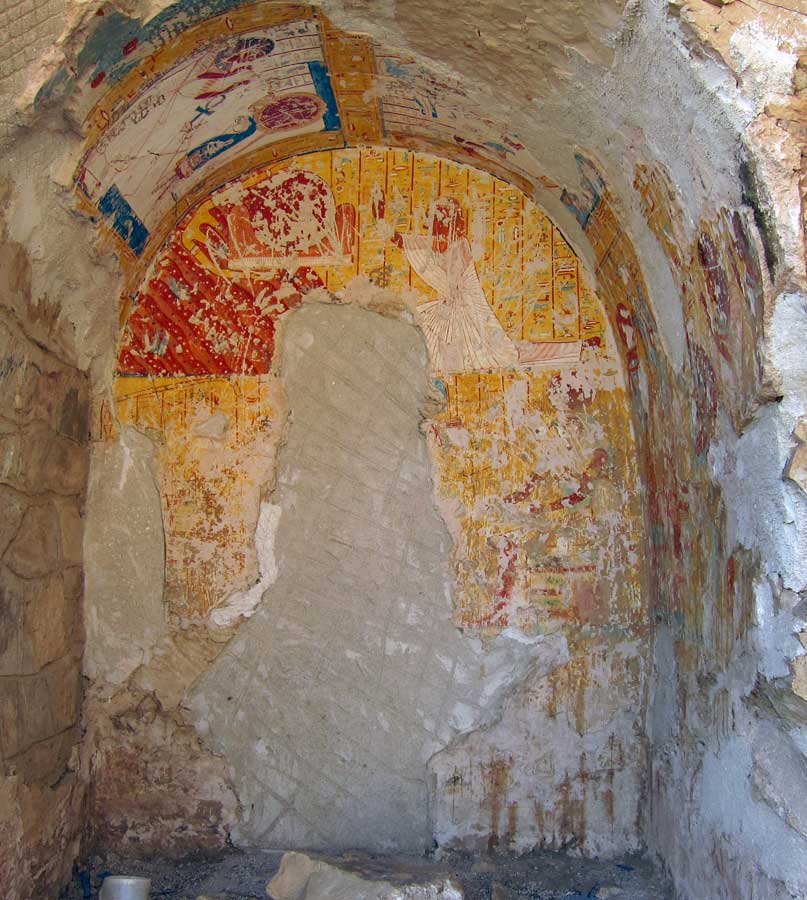
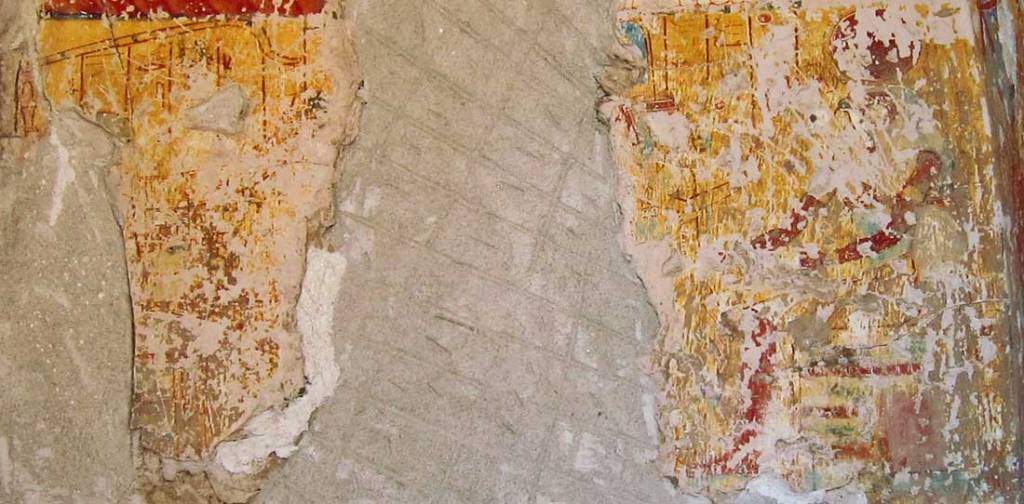
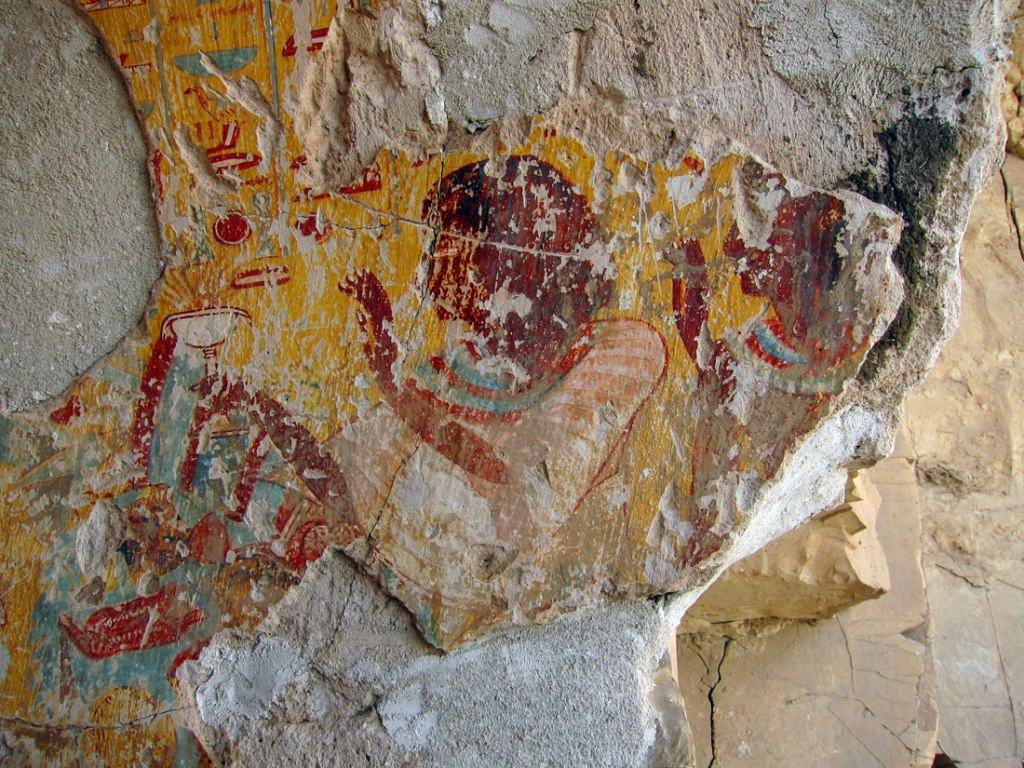
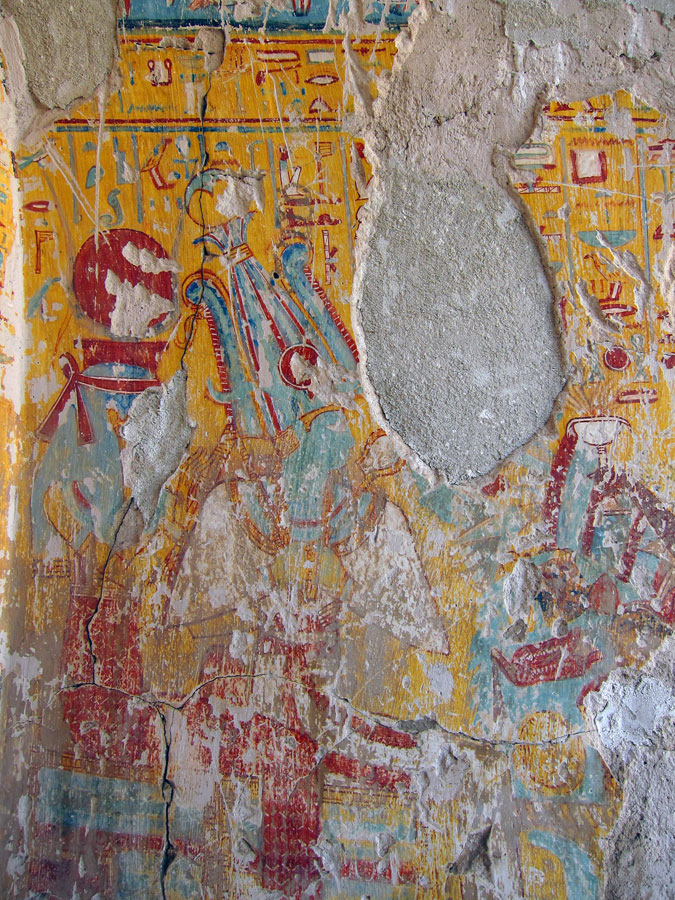
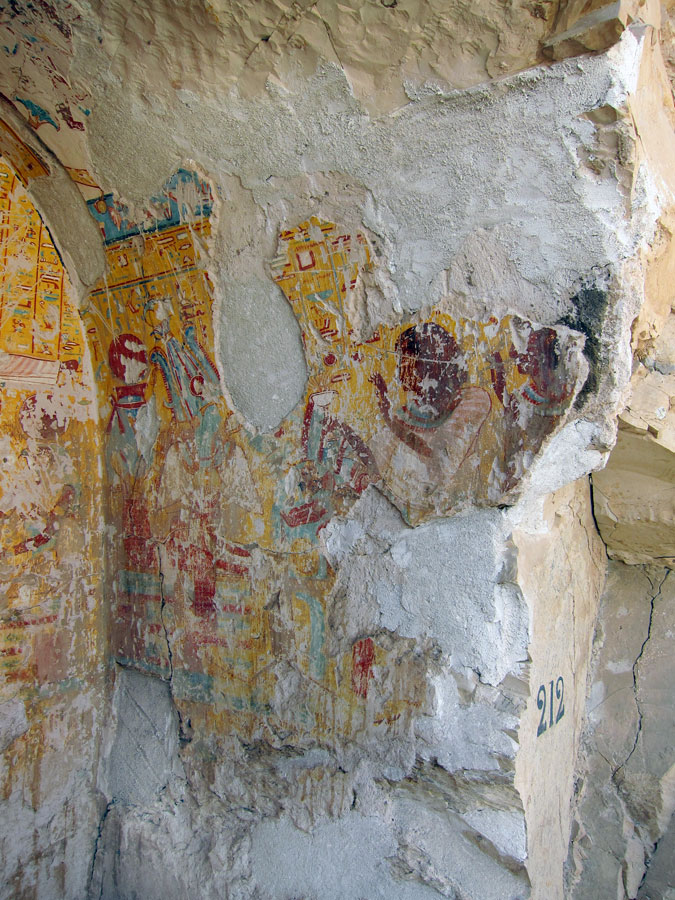
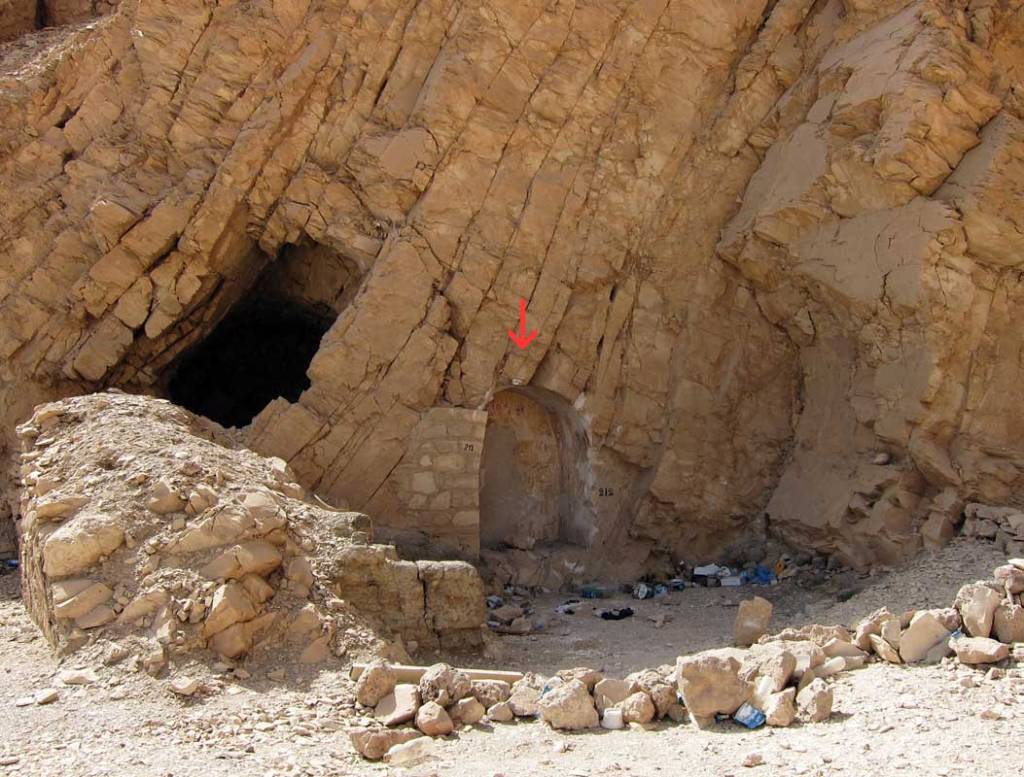
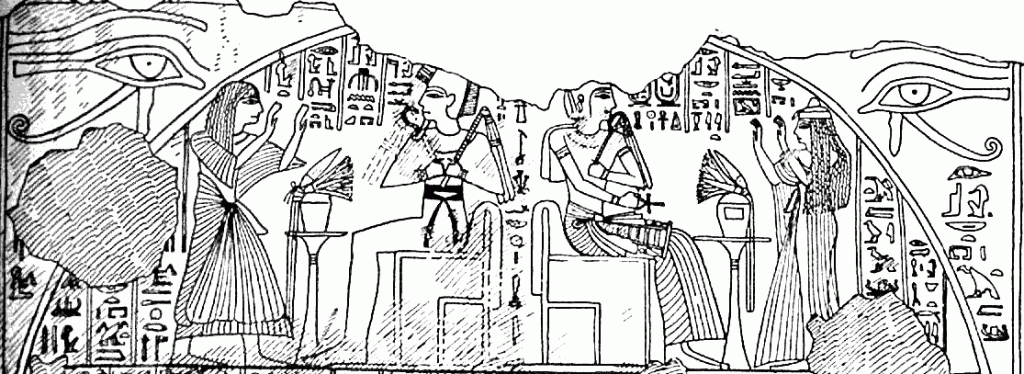
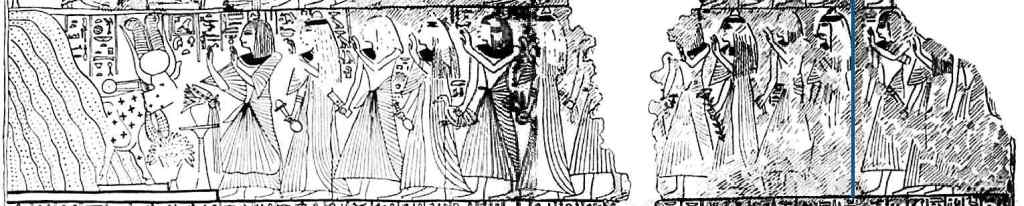
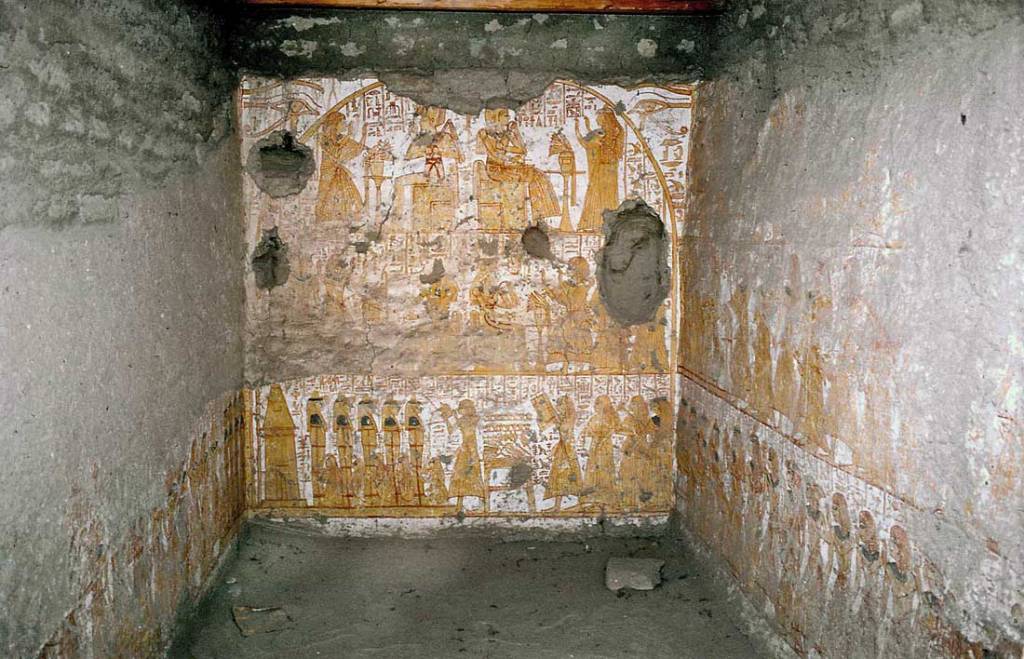
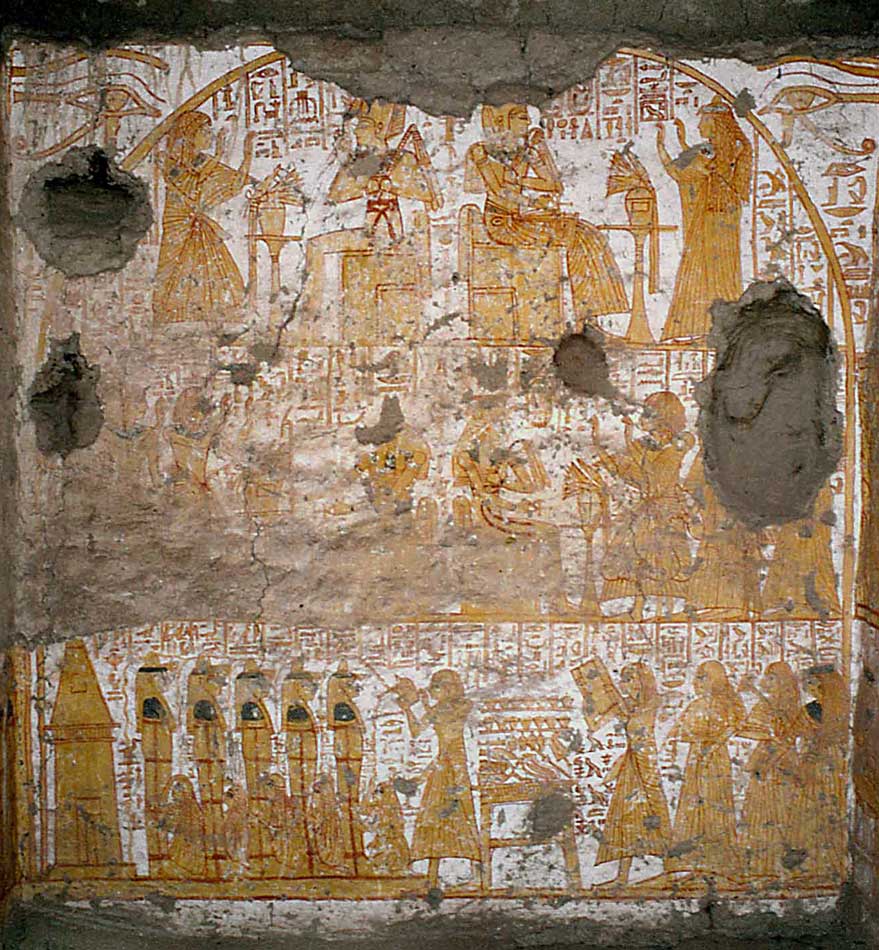
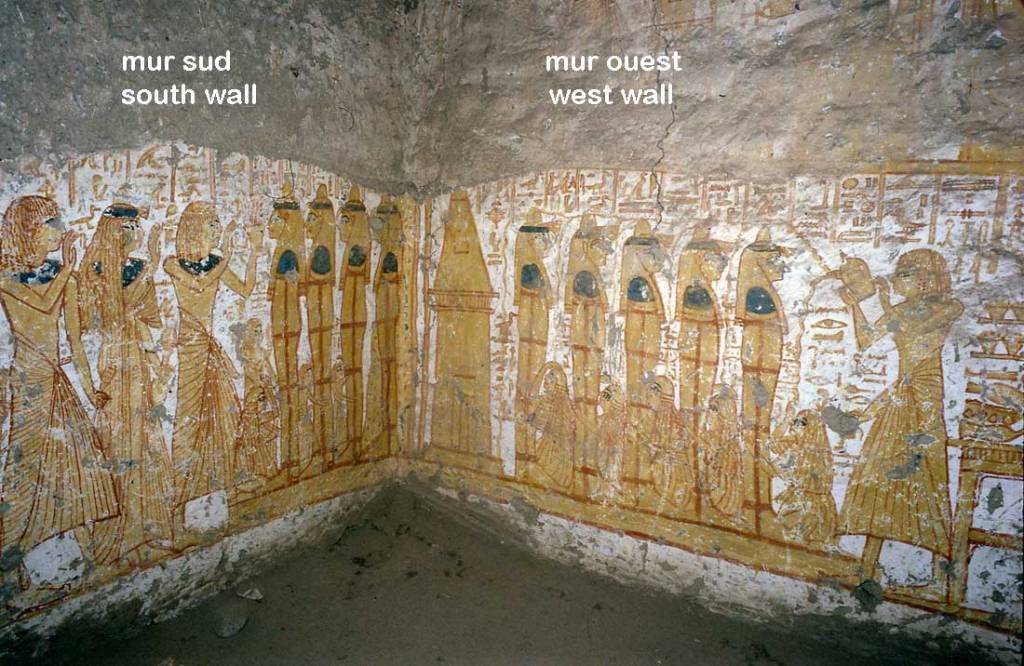
Ramose is one of the best documented officials from Deir el-Medina. Although he was not born in thevillage, he became one of the richest men who ever lived there. He was a son of lady Kakaia and aretainer Amenemhab (someone who delived messages to officials in the Theban area). Ramose was bornaround 1314 BC (Booth,2006,185). He must have attended scribal schools before he became a scribe at the temple of Tuthmosis IV. He then moved to Deir el-Medina, where he married Mutemwia, the “lady of the house, whom he loves”. He was appointed by vizier Paser as “scribe of the tomb” in year 5 of Ramesses II (O.CGC 25671). He served in the rank at least until year 38 of Ramesses II (O.CGC 25809) (Davies, 1996, 98).As Ramose and Mutemwia continuously failed to conceive a child they petitioned various deitiesassociated with childbirth and fertility. Stela 50066, now in Turin, is dedicated to Qudshu, the Asiatic goddess of love. There are many stelae and statues recording their plea, but the couple remained childless. In the end they adopted Kenherkhepshef, like Ramose, most probably a new arrival in the village, to be an apprentice who would take the role of the eldest son, take over Ramose’s profession and perform burial rites for them. Ramose’s family occupied a house in the northern part of the village. He also owned some land outside Deir el-Medina and there are 3 decorated tombs attributed to him – TT7, TT212 and TT250.The images below, captured by Andy during our visit to Deir el-Medina in 2005, show the survivingniche that was cut into the bedrock of the slopes of the western cemetery. It used to be situated at the back of the chapel of Ramose’s tomb complex, that was later assigned number TT212. The chapel and the courtyard did not survive, the niche is all that is left to see.A detailed account of the surviving niche with photos and descriptions of the western and northernwalls and the vaulted ceiling, as well as the partially reconstructed agricultural scene
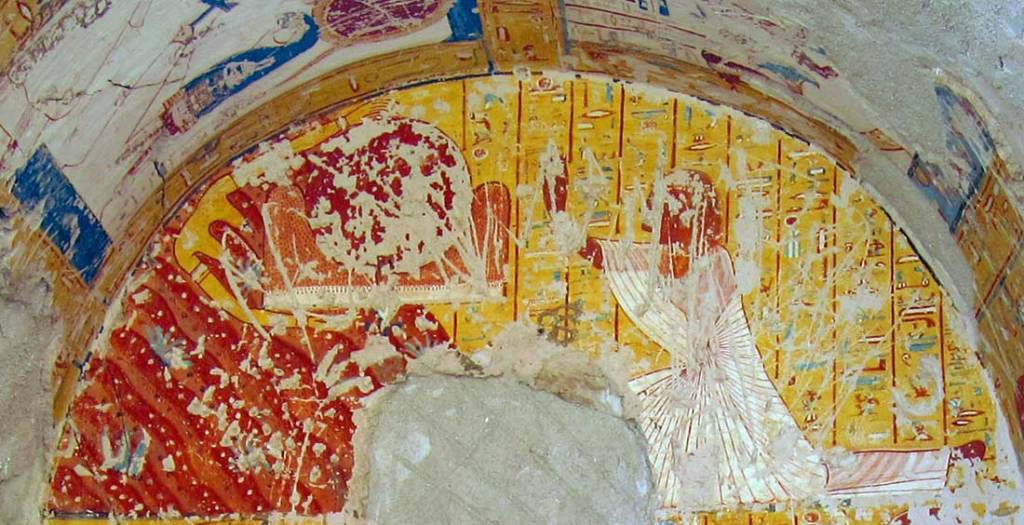
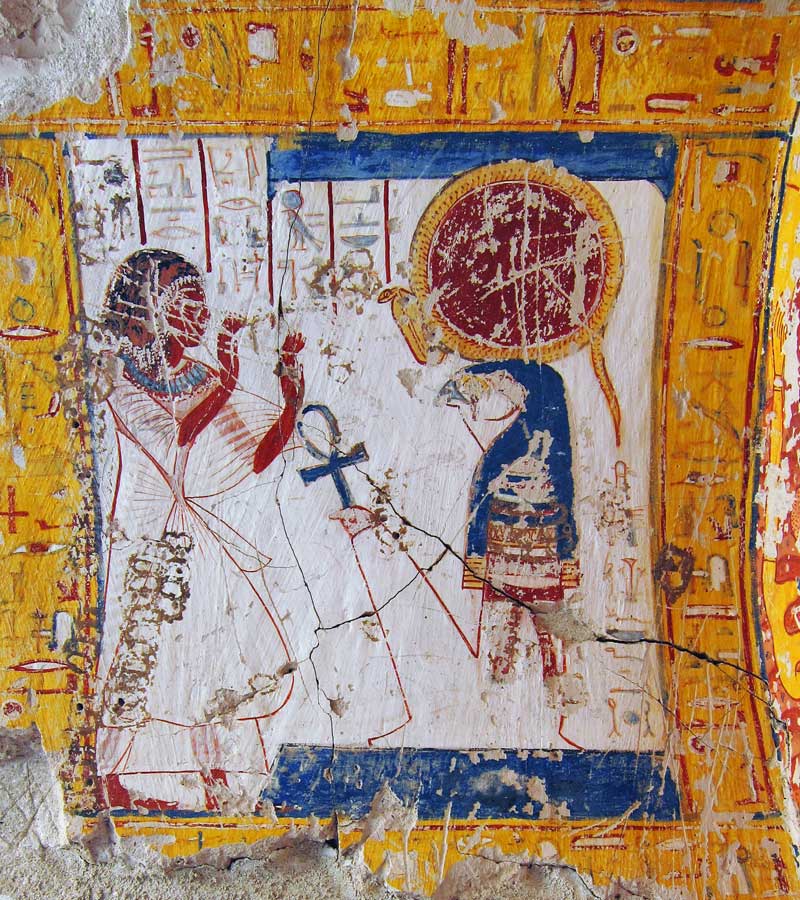
The west wall of the nicheshowing kneeling Ramoseworshipping the rising sun.Preserved scene from thevaulted ceiling, showingRamose standing with hisarms raised in the gesture ofworship, in front of theseated god Re-Harakhte.To view and browse the digitised version of The Topographical Bibliography of Ancient EgyptianHieroglyphic Texts, Statues, Reliefs and Paintings, (also known as Porter & Moss or TopBib) for this tomb,



 khaled gamelyanl blogger